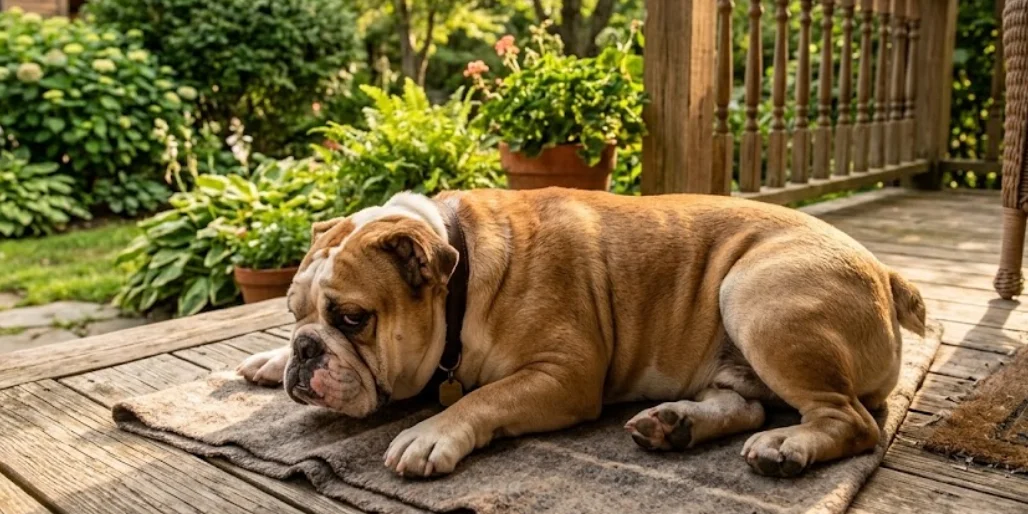
English Bulldogs are a stocky, medium-sized breed instantly recognizable by their broad head, loose wrinkled skin, and calm, affectionate temperament. Originally bred in England for bull-baiting before becoming a companion breed, they’re brachycephalic, meaning their short snout requires careful attention to breathing and heat tolerance.
Understanding the Bulldog Breed
Introduction to Bulldogs
Bulldogs are a fascinating and popular breed known for their distinctive appearance and gentle nature. This dog breed, with its origins steeped in history, has evolved from its working past into a cherished family pet. Understanding the nuances of the bulldog breed is crucial for any prospective owner, ensuring a harmonious life for both the dog and its human companions. This guide aims to provide a thorough overview of this captivating canine.
Popular Bulldog Breeds
While the English Bulldog is perhaps the most iconic, the bulldog family encompasses several popular breed variations, each with its unique traits. The French Bulldog, for instance, has seen a surge in popularity, known for its bat ears and compact size. Additionally, American Bulldogs, with their more athletic build, represent another distinct branch of this robust dog breed. Each bulldog breed offers a different set of characteristics and requires specific care considerations.
Characteristics of English Bulldogs
The English Bulldog is easily recognizable by its stocky build, broad head, and distinctive loose skin, forming adorable wrinkles around its face. Their temperament is generally calm and affectionate, making them excellent family pets. As a brachycephalic breed, they possess a shortened snout, which contributes to their unique look but also necessitates particular attention to their respiratory health. Understanding these characteristics is key to responsible English Bulldog ownership, from puppyhood to an adult bulldog’s lifespan.
English Bulldog Temperament
General Behavior Traits
The English Bulldog temperament is renowned for being calm, courageous, and exceptionally affectionate, making them wonderful companions. These medium-sized dogs typically display a laid-back demeanor, enjoying leisurely days and close proximity to their human family. Despite their sturdy appearance, they possess a gentle nature, often described as sweet and docile. Their charming personality, coupled with their distinctive wrinkled face, makes the English Bulldog a beloved breed among dog owners.
Family Dogs: Compatibility with Children
English Bulldogs are often considered excellent family dogs due to their patient and tolerant temperament, making them highly compatible with children. Their calm disposition means they are rarely easily provoked, even by energetic youngsters. However, as with any dog breed, supervision is always recommended when children are interacting with an English Bulldog puppy or adult bulldog to ensure safe and respectful play from both sides. This breed’s affectionate nature truly shines in a family setting.
Socialization Needs
Early socialization is crucial for an English Bulldog puppy to develop into a well-adjusted adult bulldog. Exposing them to various sights, sounds, people, and other dogs from a young age helps to foster their naturally friendly temperament and prevents potential shyness or aggression. While they are generally amiable, consistent positive reinforcement and diverse experiences will ensure your English Bulldog grows up to be a confident and well-mannered family pet.
Care Requirements for English Bulldogs
Grooming Essentials
Proper grooming is essential for maintaining the health and comfort of your English Bulldog, especially considering their unique physical characteristics. Due to their distinctive skin folds and wrinkles, regular cleaning is crucial to prevent skin infections and irritation. Pay particular attention to cleaning their facial wrinkles, ensuring they remain dry and free from debris. A gentle wipe with a damp cloth followed by thorough drying will help keep your bulldog’s skin healthy and prevent any unpleasant odors. Regular brushing of their short coat will also help to minimize shedding and keep it looking its best.
Feeding and Nutrition
Providing appropriate feeding and nutrition is vital for the overall well-being of your English Bulldog, supporting their moderate activity levels and robust build. A high-quality dog food formulated for medium-sized breeds or those with specific sensitivities is often recommended. Due to their brachycephalic nature, English Bulldogs can be prone to gas and bloat, so smaller, more frequent meals might be beneficial. Monitoring their weight is also important, as obesity can exacerbate joint issues like hip dysplasia and respiratory problems. Consult with your veterinarian to establish a feeding plan tailored to your bulldog’s age, activity level, and health status.
Regular Exercise Needs
Despite their sturdy appearance, English Bulldogs have moderate and specific regular exercise needs that must be carefully managed, particularly due to their brachycephalic airway syndrome. Short, leisurely walks are generally sufficient to keep them fit without overexertion. Avoid intense exercise, especially during hot weather, as they are prone to overheating and can struggle with breathing. Instead, focus on playtime in cooler parts of the day or indoors. Mental stimulation through puzzle toys and gentle play can also help keep your adult bulldog engaged and prevent boredom, contributing to their overall temperament and happiness as a family pet.
Health Considerations
Common Health Issues
English Bulldogs, while beloved family pets, are predisposed to several common health issues that prospective and current bulldog owners should be aware of. Due to their distinctive body structure, concerns such as hip dysplasia and elbow dysplasia are relatively common, affecting their mobility and comfort. Furthermore, their skin folds can be susceptible to dermatitis and other skin infections, necessitating diligent bulldog grooming. Eye conditions, including cherry eye or eyelid abnormalities, are also seen in the breed. Awareness of these issues is crucial for providing the best possible care throughout your English Bulldog’s lifespan.
Understanding Brachycephalic Airway Syndrome
One of the most significant health concerns for the English Bulldog is Brachycephalic Airway Syndrome, a condition directly related to their shortened snout and unique skull structure. This syndrome encompasses a range of upper airway abnormalities, including stenotic nares (narrow nostrils), an elongated soft palate, and everted laryngeal saccules, all of which obstruct airflow. This can lead to labored breathing, snoring, and an increased risk of heatstroke. Understanding this condition is paramount for bulldog owners to manage their pet’s environment, exercise, and seek timely veterinary intervention, which may include surgery to improve their respiratory function.
Preventative Health Measures
Implementing preventative health measures is key to ensuring a long and healthy life for your English Bulldog. Regular veterinary check-ups, including discussions about their specific brachycephalic needs, are crucial. Maintaining a healthy weight through appropriate feeding and exercise regimes can significantly reduce the risk of hip dysplasia and alleviate pressure on their respiratory system. Consistent bulldog grooming, with careful attention to cleaning skin folds, will prevent dermatological issues. Consider pet insurance to help manage potential costs associated with these breed-specific conditions. Pawandbreeds provides a comprehensive A-Z Breeds Guide, offering valuable dog breed information for all bulldog varieties and much more.
Comparing Bulldogs with Similar Breeds
French Bulldog vs. English Bulldog
When comparing the French Bulldog with the English Bulldog, it’s clear that while both share the “bulldog” moniker, they possess distinct characteristics that cater to different preferences in a family pet. The French Bulldog is generally smaller, with prominent “bat ears” that stand erect, and a more compact build, making them ideal for apartment living. In contrast, the English Bulldog is sturdier, heavier, and recognized by its rose ears and more pronounced wrinkles. Both breeds are brachycephalic, requiring owners to be mindful of respiratory issues, but their temperaments lean towards affectionate and good-natured, making them excellent companions.
Other Similar Breeds
Beyond the French Bulldog and English Bulldog, other breeds share similar characteristics or lineage, offering alternatives for those drawn to the bulldog temperament and appearance. The American Bulldog, for instance, is a more athletic and larger dog breed, known for its protective instincts and higher exercise needs. The Olde English Bulldogge, a modern recreation, aims to retain the look of the 18th-century bulldog while mitigating some of the health issues prevalent in the modern English Bulldog. Each of these variations offers a unique blend of loyalty and companionship, with differing requirements for grooming, exercise, and health care.
Choosing the Right Bulldog for You
Choosing the right bulldog breed for your home involves careful consideration of your lifestyle, living situation, and what you seek in a family pet. If you have limited space and prefer a more compact companion, a French Bulldog might be ideal. For those desiring a calm, robust, and affectionate dog breed with a distinct historical charm, the English Bulldog is an excellent choice. Prospective bulldog owners should research breeders carefully, understand the specific health considerations of their chosen brachycephalic breed, and be prepared for the lifelong commitment of caring for a dog with unique needs, ensuring a happy and healthy lifespan for their new puppy.
Conclusion
Final Thoughts on Bulldog Ownership
Owning an English Bulldog is a deeply rewarding experience, bringing immense joy and companionship to many households. Their affectionate temperament, distinctive appearance, and generally calm demeanor make them cherished family pets. However, prospective bulldog owners must be fully aware of the breed’s specific care requirements, particularly concerning their brachycephalic airway syndrome, potential hip dysplasia, and the need for diligent grooming of their skin folds. Responsible ownership means committing to their health, providing proper nutrition, and ensuring they receive appropriate, moderate exercise. With dedication, an English Bulldog will thrive as a loyal and loving member of your family.
Resources for Bulldog Owners
For current and prospective bulldog owners, a wealth of resources is available to support informed and responsible pet care. Reputable breeders are invaluable sources of information, often providing insights into the specific lineage and health history of English Bulldog puppies. The American Kennel Club (AKC) and national bulldog clubs, such as the Bulldog Club of America, offer comprehensive breed standards, health guidelines, and community support. Veterinary professionals specializing in brachycephalic breeds can provide tailored advice on preventative health measures, feeding, and managing common English Bulldog health issues. Utilizing these resources ensures you’re well-equipped to provide the best possible life for your adult bulldog.
Pawandbreeds and the Dog A-Z Breeds Guide
For an extensive range of dog breed information, including detailed insights into the English Bulldog and various other breeds, Pawandbreeds offers a comprehensive Dog A-Z Breeds Guide. This valuable resource serves as an excellent starting point for anyone researching a new family pet or seeking to deepen their understanding of their current canine companion. Pawandbreeds provides crucial information on temperament, care requirements, health considerations, and much more, aiding prospective bulldog owners in making informed decisions. It’s an essential tool for ensuring that every puppy finds a home that is perfectly suited to its unique needs and characteristics.
FAQ’s
Q: What are the most common English Bulldog health issues to watch for?
A: English Bulldog health issues largely stem from their brachycephalic (flat-faced) structure. The short snout can lead to Brachycephalic Obstructive Airway Syndrome, causing respiratory distress, especially in heat or after exercise. Other common health conditions include hip dysplasia, skin fold infections, cherry eye, and joint problems related to their large heads and heavy build. These factors contribute to a shorter lifespan compared to many other breeds, with the average English Bulldog living between 8 and 10 years. Regular vet checkups and choosing responsible bulldog breeders can help minimize risks.
Q: What should I know before bringing home a bulldog puppy?
A: Bringing home a bulldog puppy requires preparation, as these dogs have unique needs due to their physical traits. Puppies should be sourced from reputable English Bulldog breeders who screen for genetic health conditions. Early socialization, a proper diet, and monitoring for signs of respiratory distress are essential. Because of their short snout and large heads, bulldog puppies may also require special care during birth, as many are delivered via C-section.
Q: What does the AKC breed standard say about English Bulldogs?
A: According to the AKC breed standard, the English Bulldog should have a broad, low-slung body, a large head, wide shoulders, and a distinctive rolling gait. Acceptable coat colors include brindle, fawn, white, and combinations of these shades. The AKC breed standard also emphasizes a friendly, courageous temperament despite the breed’s tough appearance, which contrasts with its original purpose.
Q: Why is the English Bulldog such a popular breed?
A: The English Bulldog is a popular breed thanks to its affectionate, laid-back temperament and distinctive appearance. It consistently ranks among the top breeds in AKC popularity rankings, often cited as the 5th most popular breed in the United States. Their calm nature makes them a great choice for families, and they generally get along with other pets when properly socialized.
Q: How difficult is bulldog grooming, and is there a bulldog grooming guide I should follow?
A: Bulldog grooming is relatively simple compared to long-haired breeds, but it requires consistent attention to skin folds. A good bulldog grooming guide will recommend cleaning facial wrinkles daily to prevent infections, brushing weekly to manage shedding, and regular nail trims. Because bulldogs drool and have folds that trap moisture, keeping these areas dry and clean is crucial to avoid skin irritation and odor.
Q: What were English Bulldogs originally bred for?
A: The English Bulldog was originally bred for bull-baiting, a brutal blood sport popular in England centuries ago. This history explains their muscular build, large heads, and tenacious nature. When bull-baiting was banned, breeders shifted focus toward companionship traits, transforming the bulldog dog into the gentle, family-friendly breed known today. The Old English Bulldog was notably more athletic and aggressive than the modern version we recognize now.
Q: How is the Old English Bulldog different from the modern breed?
A: The Old English Bulldog was a leaner, more athletic dog bred specifically for bull-baiting, with a longer snout and higher energy levels. Over time, selective breeding for companionship rather than sport led to the modern English Bulldog’s shorter snout, large heads, and more relaxed demeanor. While the modern breed retains the name, its temperament and physical traits differ significantly from its ancestor.
Q: Do English Bulldogs get along with other pets and children?
A: Yes, English Bulldogs generally get along with other pets and are known for being patient and gentle with children. Their calm, affectionate temperament makes them well-suited for multi-pet households, provided proper introductions and socialization occur early. This friendly disposition is one of the key reasons the breed remains such a common breed in family homes across the country.
Q: Why do English Bulldogs drool so much, and is it normal?
A: Yes, it’s completely normal—the bulldog gets its tendency to drool from its loose jowls and flat face structure. The short snout affects how saliva is contained in the mouth, leading to more noticeable drooling compared to other breeds. While generally harmless, owners should wipe their bulldog’s face regularly to prevent skin irritation around the mouth and folds.
Q: What is the average English Bulldog lifespan, and how can I help extend it?
A: The average English Bulldog lifespan ranges from 8 to 10 years, which is shorter than many other breeds due to inherited health conditions linked to their brachycephalic structure. To help maximize your bulldog’s lifespan, maintain a healthy weight, avoid excessive heat exposure, provide regular veterinary care, and choose a puppy from responsible English Bulldog breeders who prioritize genetic health testing.