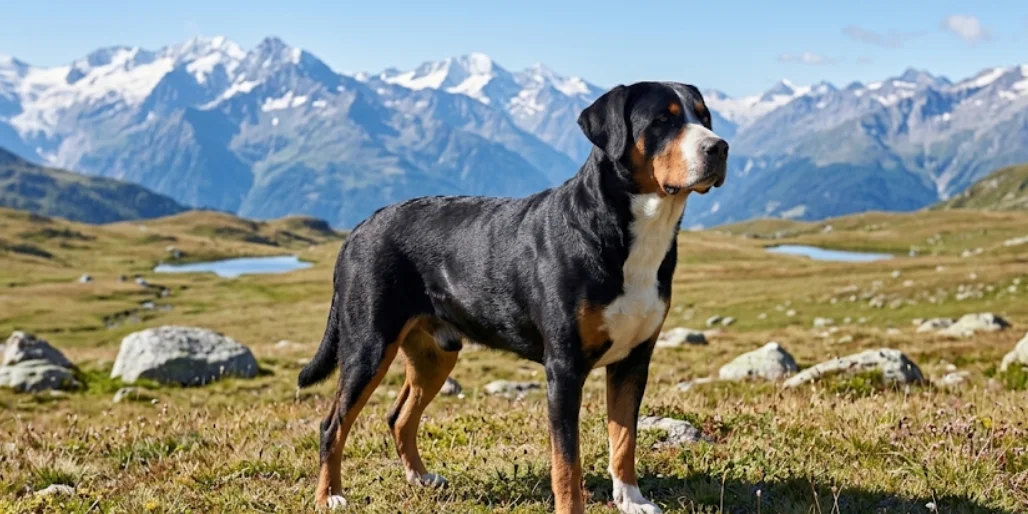
The Greater Swiss Mountain Dog, often affectionately called a “Swissy,” is a striking and robust breed known for its impressive strength and gentle disposition. These magnificent mountain dogs make wonderful companions for active families, embodying a unique blend of power and playfulness.
Overview of the Greater Swiss Mountain Dog
History and Origins
The Greater Swiss Mountain Dog is one of the oldest and largest of the four Swiss Sennen hund breeds, originating in the rugged Swiss Alps. This powerful working dog was initially bred to herd cattle, pull carts, and act as a reliable watchdog on farms. Its impressive strength and intelligence made it an invaluable asset to Swiss farmers, contributing significantly to its long and rich history as a versatile companion. The Swissy’s history is deeply intertwined with the agricultural life of its native Switzerland.
Physical Characteristics
The Greater Swiss Mountain Dog is a large, sturdy dog breed, known for its powerful build and striking appearance. This giant breed possesses a distinctive tricolor coat, typically black with rust and white markings, and a dense double coat that protects it from harsh weather conditions. They often have white markings on their chest, muzzle, and paws, which contribute to their unique charm. Their strong musculature and overall robust structure are testaments to their heritage as dedicated working dogs, making them a true dog of sturdy appearance.
Temperament and Behavior
The temperament of the Greater Swiss Mountain Dog is one of its most appealing qualities. This dog is alert, confident, and generally good-natured, making it an excellent family pet. While they possess a natural watchdog instinct, they are not typically aggressive and are known for their calm demeanor indoors. They are highly intelligent and eager to please, which makes training a rewarding experience for both the dog and its owner. However, their size and strength mean that early socialization and consistent training are crucial for a well-adjusted Swissy.
Choosing a Greater Swiss Mountain Dog
Finding a Reputable Breeder
When you’re ready to welcome a Greater Swiss Mountain Dog into your home, finding a responsible breeder is paramount. A reputable breeder will prioritize the health and temperament of their Greater Swiss Mountain Dog puppies, adhering to breed standards and conducting thorough health screenings. They should be transparent about their breeding practices, allow you to visit their kennel, and provide references from other puppy owners. Avoid breeders who sell their puppies without proper screening or who don’t seem knowledgeable about the specific health concerns of the Greater Swiss Mountain Dog breed, such as hip dysplasia or urinary incontinence.
What to Look for in a Swissy Puppy
When selecting a Swissy puppy, observe its overall demeanor and health. A healthy Greater Swiss Mountain Dog puppy should be playful, curious, and well-socialized, exhibiting a confident yet gentle temperament. Check for clear eyes, a clean coat, and good mobility, avoiding any puppies that appear overly shy, aggressive, or lethargic. Responsible breeders will often guide you in choosing a puppy whose personality best matches your lifestyle, helping you bring home a Greater Swiss that will thrive in your environment.
Greater Swiss Mountain Dog Club Resources
For invaluable resources on choosing and caring for your Greater Swiss Mountain Dog, look to the Greater Swiss Mountain Dog Club of America. This breed club offers extensive information on the breed standard, responsible breeders, and health concerns specific to the Greater Swiss Mountain Dog. They can connect you with reputable breeders, provide guidance on what to look for in Greater Swiss Mountain Dog puppies, and even offer support for new owners. Consulting the American Kennel Club (AKC) is also beneficial for finding registered breeders and understanding the breed’s official guidelines.
Caring for Your Greater Swiss Mountain Dog
Grooming Needs and Tips
The Greater Swiss Mountain Dog, with its dense double coat, requires regular grooming to keep it healthy and minimize shedding. While they don’t have extensive grooming needs, weekly brushing will help remove loose hair and prevent matting, especially during seasonal shedding periods when Greater Swiss Mountain Dogs shed more. Pay attention to their ears to prevent infections and trim their nails regularly. Occasional baths are sufficient to keep their tricolor coat clean, ensuring your dog of sturdy appearance maintains its pristine look.
Health Considerations and Routine Care
Like all giant breed dogs, Greater Swiss Mountain Dogs can be prone to certain health concerns. Hip dysplasia, elbow dysplasia, and certain eye conditions like extra eyelashes are more common in this breed. Regular veterinary check-ups are essential for early detection and management of these issues. A balanced diet, appropriate exercise, and a comfortable living environment will contribute significantly to the overall well-being and longevity of your beloved Swissy. Responsible breeders will provide health clearances for the parents of your puppy, which is a great start.
Training and Dog Sports
Greater Swiss Mountain Dogs are intelligent and eager to please, making them highly trainable. Early socialization and consistent positive reinforcement training are key to developing a well-adjusted working dog. Due to their heritage as mountain dogs and their natural strength, they excel in dog sports such as carting (draft dog titles), obedience, and even competitive weight pulling. Engaging your Greater Swiss Mountain Dog in these activities not only provides mental and physical stimulation but also strengthens the bond between you and your loyal companion. For more insights into various dog breeds and their care, be sure to check out the Pawandbreeds Dog A-Z Breeds Guide.
Living with a Greater Swiss Mountain Dog
Daily Exercise Requirements
The Greater Swiss Mountain Dog, being a robust working dog by nature, requires a significant amount of daily exercise to stay happy and healthy. These mountain dogs thrive on activities that engage both their bodies and minds, whether it’s long walks, hiking, or participating in dog sports. Without adequate exercise, a Swissy can become bored or destructive, so integrating regular physical activity into their daily routine is crucial for their overall well-being and to maintain their sturdy appearance.
Integrating Your Swissy into Family Life
Integrating a Greater Swiss Mountain Dog into family life is generally a joyful experience, as this breed is known for its affectionate and loyal temperament. They are excellent with children and other pets when properly socialized from a young age. Early exposure to various sights, sounds, and people will help your puppy develop into a well-adjusted and confident adult. Their natural watchdog instincts make them protective of their family, but consistent training ensures they remain friendly and welcoming to approved visitors.
Common Behavioral Issues
Despite their generally good nature, Greater Swiss Mountain Dogs can exhibit common behavioral issues if not properly managed. Their powerful build and intelligence mean they can be prone to pulling on the leash without proper training. Additionally, some Swissies might develop separation anxiety if left alone for extended periods, leading to destructive behaviors. Early socialization, consistent training, and plenty of mental and physical stimulation are key to preventing these issues and fostering a well-behaved companion.
Conclusion
Final Thoughts on Owning a Greater Swiss Mountain Dog
Owning a Greater Swiss Mountain Dog is a rewarding experience for those prepared to meet their needs for exercise, training, and companionship. These majestic mountain dogs offer unwavering loyalty, a gentle demeanor, and a striking presence. They are a true giant breed that brings immense joy and character to any active household. While their size and potential health concerns like hip dysplasia require consideration, the love and devotion they offer make them truly exceptional family members.
Resources for New Owners
For new owners of a Greater Swiss Mountain Dog, numerous resources are available to help you navigate the joys and challenges of this wonderful breed. The Greater Swiss Mountain Dog Club of America and the American Kennel Club (AKC) provide invaluable information on breed standards, responsible breeders, and health concerns specific to the Greater Swiss Mountain Dog. These organizations can also guide you to training resources and dog sports events where your Swissy can thrive.
Explore the Dog A-Z Breeds Guide for More Information
If you’re captivated by the Greater Swiss Mountain Dog and curious about other breeds, we encourage you to explore the Dog A-Z Breeds Guide for comprehensive dog breed information. This resource offers insights into various types of dogs, their care, and unique characteristics, helping you find the perfect canine companion for your lifestyle. Discover a world of breeds and expand your knowledge with Pawandbreeds.
FAQ’s
Q: What exactly is a Great Swiss Mountain Dog and how is it different from a Bernese Mountain Dog?
A: Okay so this trips people up all the time. The Greater Swiss Mountain Dog (sometimes just called the Great Swiss Mountain Dog) is actually the oldest and largest of the four Sennenhund breeds, while the Bernese Mountain Dog is a totally separate breed from the same family. The easiest way to tell them apart? Coat length. Bernese have a long, flowing dense coat, while the Swissy rocks a short, tight double coat. Both are tri-colored dogs with that classic black, white, and rust pattern, but the Swissy is generally stockier and, well, swiss working dogs were bred more for drafting and droving than the Bernese’s slightly more varied job history.
Q: I’m looking at Swiss Mountain Dog puppies right now, what should I actually look for?
A: First off, congrats, you’re about to bring home a seriously awesome dog. When checking out greater swiss mountain dog puppies, look for a skull that is flat and broad, ears that hang close to the head and are rounded at the tip, and make sure the markings appear in the right spots (that classic tri-color pattern with white on the chest, feet, and tail tip). Ask the breeder about breed health testing on the parents too, since puppies need to come from health-screened lines to avoid a lot of the issues that can affect the breed later on.
Q: How big do these dogs actually get?
A: Big. Like, really big. Males typically stand around 25 to 27 inches at the shoulder and can weigh up to 110 pounds or more. They’re well muscled with a chest that is deep and broad, which gives them that powerful, sturdy look. This isn’t a breed you want if you’re tight on space, honestly. These are large dogs that need room to stretch out and move around comfortably.
Q: What’s the deal with Greater Swiss Mountain Dog grooming? Is it a lot of work?
A: Good news here actually. Compared to a lot of other big fluffy breeds, greater swiss mountain dog grooming is pretty low maintenance. Their coat is short and dense, not the high-maintenance long fur you’d deal with on a Bernese. A quick brush once or twice a week keeps things tidy. That said, any solid swiss mountain dog grooming guide will tell you to expect heavier shedding during spring and fall when they blow their undercoat, so you’ll want to bump up the brushing sessions during those months unless you enjoy dog hair on literally everything you own.
Q: Are Swissies good with kids and other pets?
A: For the most part, yes! A well-socialized Swiss Mountain Dog is confident, calm, and surprisingly gentle for such a massive dog. They tend to be great with families and do fine with other pets when raised together. That confident dog energy means they’re not usually skittish or nervous, but their sheer size means supervision around toddlers is still smart just because they can accidentally bowl someone over without meaning to.
Q: What health issues should I worry about with this breed?
A: Like most large dogs, there are some breed health concerns worth knowing about. Hip and elbow dysplasia are common due to their size and rapid growth as puppies. Gastric dilatation-volvulus, or bloat, is another serious one to watch for since it can affect deep-chested breeds like this one quickly and dangerously. Regular vet checkups, keeping them at a healthy weight, and not exercising heavily right after meals all help with dog health long term.
Q: How much exercise does a Greater Swiss Mountain Dog need?
A: Less than you’d think for a dog this size. They’re not hyper, high-energy dogs like a Border Collie. Moderate exercise like daily walks, some playtime, and occasional hikes keeps them happy and healthy. Overdoing intense exercise, especially in puppies still growing, can actually stress their joints, so moderation really is the key word here.
Q: Do Swissies drool a lot?
A: Ha, this one comes up constantly. Unlike some other giant breeds that leave puddles everywhere, the Swissy is often considered a dry-mouthed breed, meaning they don’t drool nearly as much as you’d expect from something this size. Not zero drool, especially after drinking water or when they’re excited, but way less mess than a Saint Bernard or Mastiff.
Q: Is this breed good for first-time dog owners?
A: It can go either way honestly. Swissies are loyal and eager to please, but their size and strength mean early training and socialization aren’t optional. If you’re set on deciding to home a Greater Swiss Mountain Dog as a first pet, just be ready to invest time in obedience training early because a poorly trained 100+ pound dog is a real handful.
Q: Do people show these dogs, and what do judges look for?
A: Yep, Swissies are absolutely a common breed at dog show events, especially in the working and herding groups depending on the kennel club. Judges typically look at proportion, movement, and breed standard details like tail length reaching to the hocks, correct markings, and overall structure. If you’re considering showing, working with a breeder experienced in the show world is your best bet to get pointed in the right direction.