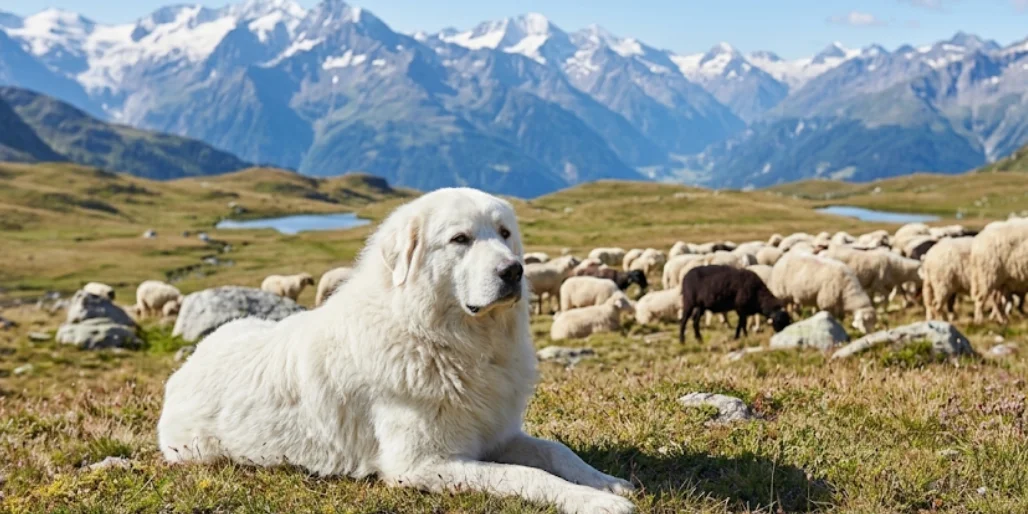
The Great Pyrenees is a majestic and ancient breed, renowned for its serene temperament and formidable protective instincts. This guide will delve into the essential information about these beautiful dogs, from their historical origins to their physical characteristics and care needs.
Overview of the Great Pyrenees
The Great Pyrenees dog breed, often affectionately called Pyrs, is a magnificent and gentle giant. These large dogs were originally bred to be steadfast livestock guardian dogs, a role they excelled at by protecting flocks from predators like wolves and bears in the rugged Pyrenees Mountains. Their calm demeanor combined with their imposing presence makes them truly unique.
History and Origin of the Breed
The history of the Great Pyrenees dates back thousands of years, making them an ancient breed. Originating in the Pyrenees Mountains between France and Spain, these dogs were developed to be formidable working dogs, serving as devoted guardians for shepherds and their livestock. Their primary task was to deter predators, a job they performed with unwavering loyalty and courage, often patrolling mountain pastures alone. The breed’s journey to formal recognition saw it eventually acknowledged by prominent organizations such as the American Kennel Club (AKC) and the United Kennel Club (UKC). The Great Pyrenees Club of America actively promotes the breed standard and welfare, ensuring that the integrity of these incredible guardian dogs is maintained for future generations.
Physical Characteristics
The Great Pyrenees is undeniably a large breed, possessing a powerful and athletic build. They typically stand tall, with males generally larger than females, and their strong bone structure gives them a commanding presence. A distinctive feature is their double coat, consisting of a dense, woolly undercoat and a long, flat outer coat, which provides excellent insulation against harsh weather. Another notable physical characteristic is the presence of double dewclaws on their hind legs, which are considered part of the breed standard. Their broad heads, dark expressive eyes, and medium-sized V-shaped ears further contribute to their intelligent and benevolent expression, making them instantly recognizable.
Common Color Variations
While the Great Pyrenees dog is predominantly known for its striking white coat, several common color variations are accepted within the breed standard. These can include markings of gray, badger, tan, or even shades of reddish-brown, typically found on the head, ears, and sometimes as a “pyr mask” around the eyes. These markings can vary in size and intensity. Regardless of the specific color pattern, the luxurious double coat always provides the necessary protection, whether the dog is a working guardian or a beloved family companion. When looking for Great Pyrenees puppies, you’ll find that many display these charming color variations, which often fade as the puppy matures into adulthood, leaving behind that iconic white coat.
Temperament of Great Pyrenees
Personality Traits
The Great Pyrenees possesses a truly unique temperament that blends a serene disposition with unwavering protective instincts, making them exceptional guardian dogs. They are known for their calm and gentle nature, often appearing quite regal and reserved. Despite their impressive size, these large dogs are surprisingly patient and affectionate with their families, forming strong bonds and displaying remarkable loyalty. This breed’s personality also includes an independent streak, a carryover from their days as solitary livestock guardians.
Socialization Needs
Early and consistent socialization is absolutely crucial for a Great Pyrenees puppy to develop into a well-adjusted adult dog. Exposing Pyrenees puppies to various sights, sounds, people, and other animals from a young age helps them learn appropriate responses and prevents them from becoming overly wary or protective. While they are natural guardians, proper socialization ensures their protective instincts are channeled correctly, allowing them to differentiate between genuine threats and everyday occurrences without excessive barking or anxiety.
Compatibility with Families
The Great Pyrenees dog breed is remarkably compatible with families, especially those who appreciate their gentle giant nature and understand their guardian dog roots. They are often affectionate and patient with children, viewing them as part of their flock to be protected. Their calm temperament makes them wonderful companions, though prospective owners must be prepared for their independent spirit and occasional stubbornness. With proper training and socialization, a Pyr can integrate beautifully into almost any family dynamic, bringing a sense of peace and security.
Health Considerations for Great Pyrenees
Common Health Issues
Like many large breed dogs, the Great Pyrenees can be prone to certain health issues that owners should be aware of. Hip and elbow dysplasia are common orthopedic concerns, where the joints don’t develop properly, leading to arthritis and pain. Other issues can include bloat (gastric dilatation-volvulus), a life-threatening condition, and certain eye problems. Responsible breeders will screen their breeding stock for these conditions to minimize their occurrence in Great Pyrenees puppies.
Preventive Care
Proactive preventive care is key to ensuring a long and healthy life for your Great Pyrenees. This includes maintaining a balanced diet appropriate for a large breed, ensuring they get regular, moderate exercise without overexertion, especially during their growth phases to protect developing joints. Regular grooming, including brushing their double coat to prevent matting and check for skin issues, is also important. Consistent parasite control and keeping up with vaccinations will further safeguard their health.
Regular Veterinary Check-ups
Regular veterinary check-ups are essential for monitoring the health of your Great Pyrenees throughout their life. These routine visits allow a vet to catch potential health issues like hip dysplasia or early signs of bloat before they become severe. Annual check-ups, along with dental care and appropriate diagnostic screenings, contribute significantly to their well-being. A knowledgeable veterinarian can provide tailored advice on nutrition, exercise, and preventative measures specific to the Great Pyrenees dog breed.
Adopting a Great Pyrenees
Finding a Reputable Breeder
When considering adopting a Great Pyrenees, the first step for many is finding a reputable breeder. A good breeder will prioritize the health and temperament of their Great Pyrenees puppies, conducting health screenings for common issues like dysplasia and being transparent about the breed’s lineage. They should be knowledgeable about Great Pyrenees dog breed information and willing to answer all your questions, ensuring you understand the unique needs of this large breed and its guardian dog instincts.
Rescue Organizations and Shelters
Alternatively, rescue organizations and shelters are wonderful places to find a Great Pyrenees in need of a loving home. Many organizations specialize in the Great Pyrenees dog breed, offering a chance to adopt an adult Pyr whose temperament is already established. Adopting a Great Pyrenees from a rescue means providing a second chance to a dog, and these organizations often provide valuable insights into the dog’s history and behavior, making the transition smoother for both the guardian and the Pyrenean mountain dog.
Preparing Your Home for a Pyrenees Dog
Preparing your home for a Pyrenees dog involves more than just setting out a food bowl. Given their size and double coat, you’ll need ample space, both indoors and out, for them to feel comfortable. Fencing is crucial to contain their wanderlust and protect your flock, whether that’s livestock or just your family. Also, be ready for shedding; regular brushing will be essential to manage their luxurious undercoat and outer coat, preventing mats and keeping your home cleaner.
Conclusion
Final Thoughts on Great Pyrenees
The Great Pyrenees dog breed is truly magnificent, offering a unique blend of serene companionship and steadfast guardianship. Their ancient breed lineage as formidable guardian dogs means they possess an independent yet affectionate temperament. While they are a large dog with specific needs, including consistent socialization and regular grooming, the rewards of having a Pyr in your life are immense. They bring a calm, protective presence to any home that understands and respects their natural instincts.
Additional Resources: Dog A-Z Breeds Guide
For those looking to deepen their understanding of various dog breeds, including more detailed Great Pyrenees dog breed information, our Dog A-Z Breeds Guide offers a wealth of knowledge. This resource can help you explore other breeds, compare characteristics, and ensure you’re making the best decision for your lifestyle and family, whether you’re interested in a guardian dog or a different companion.
About Pawandbreeds
Pawandbreeds is dedicated to providing comprehensive and reliable information for all dog lovers.
FAQ’s
Q: What exactly is the Great Pyrenees dog breed, and where does it come from?
A: So the Great Pyrenees dog breed is basically a giant, fluffy guard dog that originated way up in the mountain range between Spain and France (yep, literally called the Pyrenees mountains). These dogs were bred to guard livestock, especially sheep, from predators like wolves and bears. They’ve been doing this job for centuries, and honestly, they’re really good at it. If you want a versatile breed that can chill with a family but also protect the flocks on a farm, this is your dog.
Q: Are Great Pyrenees dogs always solid white?
A: Not always, but they’re almost always white or mostly white. Some have small patches of gray, tan, or badger coloring around the ears or body, but the majority of their coat is that gorgeous solid white color. This white coat isn’t just for looks either — it helped them blend in with the sheep they were guarding, so predators wouldn’t spot them easily at night.
Q: What’s the deal with Great Pyrenees health? Are they prone to any specific issues?
A: Great Pyrenees health is something you definitely want to research before bringing one home. Like a lot of big breeds (think mastiff-type dogs), they can be prone to bone cancer, hip dysplasia, and a rarer condition called hypoadrenocorticism (basically an adrenal gland issue). Regular vet checkups go a long way here. Also, keeping them at a healthy weight and helping them manage their weight through proper diet is huge for avoiding joint problems since they’re such large dogs.
Q: How long do Great Pyrenees dogs typically live?
A: On average, you’re looking at about 10–12 years, which is actually pretty solid for such a large breed of dog. Bigger dogs tend to have shorter lifespans overall, so with good care, proper nutrition, and staying on top of great pyrenees health concerns, your pup can live a full and happy life within that range.
Q: Do Great Pyrenees dogs bark a lot?
A: Oh yeah, big time. These dogs tend to bark a lot, especially at night. It’s literally in their DNA since they were bred to guard livestock and alert to any potential threats. If you live in an apartment or have close neighbors, this is something to seriously think about before getting one. They’re not being annoying on purpose — it’s just how a proper guard dog communicates.
Q: What kind of grooming does a Great Pyrenees dog breed need?
A: These dogs have a thick, weather-resistant double coat that’s great for cold mountain climates but does need upkeep. You’ll want to brush them at least once a week with a slicker brush to prevent matting and control shedding (and trust me, they shed a lot, especially during seasonal blow-outs). Regular brushing also helps you catch any skin issues early, which ties back into overall great pyrenees health.
Q: Is the Great Pyrenees the right breed for a first-time dog owner?
A: Honestly, it depends. These are independent, courageous dogs that were bred to make their own decisions while guarding flocks, so they’re not always the easiest to train. If you’re looking for the right breed for someone who wants a super obedient, eager-to-please dog, this might not be it. But if you’re patient, understand their guardian instincts, and can give them space to roam, a Great Pyrenees can be an amazing companion.
Q: How much space do Great Pyrenees dogs actually need?
A: A great pyrenees thrives when they have room to move around. Since they were originally bred to patrol large territories in the mountains, they really do best with a yard or property where they can roam. Pyrenees need more than just a small apartment — they’re not tiny lap dogs, they’re giant, independent guardians who like having their own space.
Q: When did the Great Pyrenees breed become popular outside of France and Spain?
A: The breed started gaining recognition and popularity in other parts of Europe and eventually the United States around the late 17th century, though it took a while longer for them to become a well-known family pet breed. Historically they were mostly kept as working farm dogs, and it wasn’t until much later that people started appreciating them as loyal companions too.
Q: Are there Great Pyrenees rescue organizations if I want to adopt instead of buying a puppy?
A: Absolutely, there are several great pyrenees rescue organizations across the country dedicated specifically to this breed. Adopting is a fantastic option since a lot of Pyrenees end up in shelters simply because owners underestimated how much space, grooming, and training they need. Rescues often evaluate the dog’s temperament and health first, which can actually make it easier to find a good match for your home.
Q: At what age is a Great Pyrenees considered fully grown, and does that affect training?
A: Most Great Pyrenees are considered close to fully grown by around 18 months old, though some may still fill out a bit more after that. Training should start way before this though — ideally as a puppy — since these dogs can be stubborn and independent. Early socialization and consistent training make a huge difference, especially since they’re natural guard dogs and can get overly protective if not properly introduced to new people and situations.
Q: Can Great Pyrenees dogs participate in dog sports?
A: Surprisingly, yes! While they’re not exactly agility superstars like border collies, many Great Pyrenees enjoy dog sports like weight pulling, carting, and even therapy work. They’re strong, calm, and capable, so with the right motivation (treats usually help), they can do more than just guard duty. Just don’t expect them to be the fastest or most eager in obedience competitions — they kind of do things at their own pace.