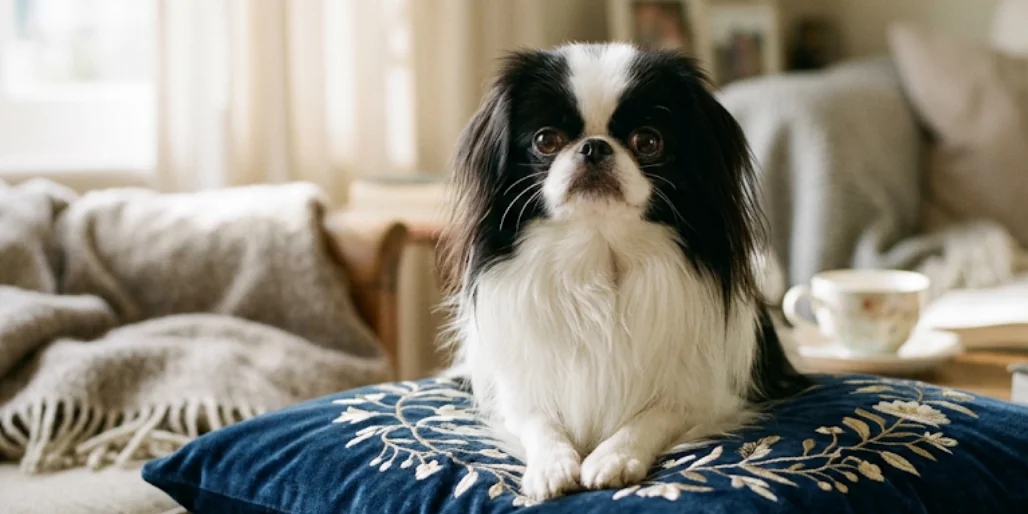
Japanese Chins are a toy breed weighing up to 11 pounds, with roots tracing back to Chinese gifts to Japanese royalty who refined the breed over centuries. Cat-like, graceful, and affectionate, they’re known for self-grooming habits and a broad head with large dark eyes that give them a doll-like expression.
Understanding the Japanese Chin Breed
Overview of the Japanese Chin
The Japanese Chin is a delightful and ancient breed, steeped in a history linked to Japanese royalty, making them truly aristocratic. This lively little dog, a true toy breed, boasts a distinctive temperament and appearance. It’s often described as a graceful, cat-like companion, weighing up to 11 pounds, making it one of the most charming small dogs available. Understanding this dog breed’s origins helps appreciate its unique traits.
Breed Standard Specifications
The breed standard for the Japanese Chin is quite specific, outlining features like a broad head, short muzzle, and large, dark eyes. The silky coat is profuse and feathered, requiring regular grooming and brushing sessions to maintain its pristine condition. Colors typically include black and white, red and white, or sable and white, with the red and white combination being particularly striking. The ideal Japanese Chin should embody elegance and refinement, as specified by the AKC and the Japanese Chin Club of America.
Temperament of the Japanese Chin
The temperament of the Japanese Chin is one of its most endearing qualities. This affectionate dog breed thrives on companionship and is known for its gentle, charming, and often humorous nature. They are often described as cat-like due to their tendency to groom themselves and their agile movements. Despite being a toy breed, they possess a lively spirit and are excellent house dogs, often bonding deeply with their human families.
Japanese Chin Care and Grooming
Grooming Needs of the Japanese Chin
Maintaining the beautiful silky coat of your Japanese Chin requires regular attention. This breed’s profuse, feathered fur needs to be brushed a few times a week to prevent mats and tangles. While their cat-like tendencies mean they do some self-grooming, occasional baths are also necessary to keep their coat clean and healthy. Pay special attention to the feathering on their ears, tail, and paws.
Exercise Needs for the Japanese Chin
Despite being a lively little dog, the Japanese Chin doesn’t require extensive exercise. Short, leisurely walks and indoor play sessions are usually sufficient to keep this toy breed happy and healthy. Their small size makes them excellent apartment dwellers. It’s important to protect their brachycephalic muzzle during hot weather, ensuring they don’t overexert themselves.
Nutrition and Diet Recommendations
Feeding your Japanese Chin a high-quality diet appropriate for small dogs is crucial for their overall health. Due to their flat face and potential for airway issues, some Chins may benefit from specialized bowls designed to slow down eating. Always ensure fresh water is available. Consult with your vet to determine the best nutritional plan for your specific Japanese Chin dog breed, considering their age and activity level.
Finding a Reputable Japanese Chin Breeder
How to Choose a Responsible Breeder
When seeking a Japanese Chin, it’s paramount to find a reputable Japanese Chin breeder who prioritizes the health and temperament of their puppies. A good breeder will be transparent about their practices, welcome questions, and provide health clearances for the parent dogs. They should be knowledgeable about the breed standard and dedicated to the well-being of their animals. Avoid breeders who seem unwilling to share information or rush the process.
Questions to Ask Potential Breeders
Don’t hesitate to ask potential breeders a comprehensive list of questions. Inquire about the health history of the parent dogs, particularly concerning common issues in brachycephalic breeds like airway problems. Ask about their breeding philosophy, how the puppies are socialized, and what kind of support they offer after you take a puppy home. A responsible breeder will be happy to discuss these aspects and more.
Understanding the Cost of a Japanese Chin
The cost of a Japanese Chin puppy can vary significantly based on the breeder’s reputation, the puppy’s lineage, and location. Expect to invest a considerable amount, as responsible breeding practices, health testing, and proper care contribute to the price. Remember, the initial purchase price is just one part of owning a dog; factor in ongoing costs for food, vet care, and grooming. For more dog breed information, check out our Dog A-Z Breeds Guide, and discover other wonderful small dogs. You can find more insights on responsible pet ownership at Pawandbreeds.
Similar Breeds to the Japanese Chin
Comparing the Japanese Chin to Other Breeds
When considering the Japanese Chin, it’s often compared to other small dogs and toy breeds. While its aristocratic demeanor and silky coat are distinctive, breeds like the Pekingese share a similar brachycephalic muzzle and a history of being companions to royalty. The Japanese Chin’s lively little dog personality, however, often sets it apart, being known for its more active and agile nature compared to some of its equally ancient breed counterparts.
Characteristics of Cat-like Breeds
The Japanese Chin is frequently described as “cat-like,” a characteristic it shares with only a few other dog breeds. This isn’t just about their fastidious self-grooming habits; it extends to their agile movements, their preference for high perches, and their quiet, independent moments. This cat-like temperament means they can entertain themselves, yet they are still incredibly affectionate, forming strong bonds with their human companions, making them wonderful house dogs.
Exploring Brachycephalic Breeds
The Japanese Chin is a classic example of a brachycephalic breed, meaning it has a short, flat face and a distinctive muzzle. Other well-known brachycephalic small dogs include the Pug, Bulldog, and Boston Terrier. This flat face can lead to specific health considerations, such as a narrowed nostril and issues with the soft palate, which can affect their airway. Understanding these characteristics is crucial for any Japanese Chin care, especially regarding exercise and hot weather.
Frequently Asked Questions
Common Concerns About Japanese Chin Care
Many frequently asked questions about the Japanese Chin revolve around their unique care requirements. Due to their silky coat, new owners often ask about grooming schedules—expect regular brushing to maintain their beautiful feathering. Another common concern is their exercise needs; while lively, they are a toy breed and don’t require extensive activity. Their brachycephalic nature also leads to questions about managing their flat face, especially concerning heat sensitivity and potential airway issues.
Health Issues in the Japanese Chin
Like many purebred dogs, the Japanese Chin can be prone to certain health issues. Given their brachycephalic muzzle, respiratory problems related to their airway and soft palate are a primary concern, so it’s vital to protect them from overheating. Other potential issues can include luxating patellas and eye conditions. A reputable Japanese Chin breeder will provide health clearances for the parent dogs, minimizing the risk of inherited conditions in Japanese Chin puppies.
Rescue Options for Japanese Chin
For those looking to welcome a Japanese Chin into their home, rescue organizations offer a wonderful alternative to buying from a breeder. Many breed-specific rescues focus on the Japanese Chin, providing care for dogs in need of new homes. These rescues often have a thorough adoption process to ensure the right match between the dog and prospective owners. Adopting a Japanese Chin from a rescue can be a rewarding experience, giving a deserving dog a second chance at a loving family. Pawandbreeds offers resources to help you find local rescue groups.