Discover the delightful world of the Keeshond, a charming and intelligent breed known for its unique appearance and affectionate nature. This comprehensive guide will delve into the Keeshond’s temperament, essential care requirements, and what makes this Keeshond dog breed a truly special companion.
Keeshond Temperament
The Keeshond temperament is truly a highlight, making this medium-sized dog breed an absolute joy to live with. Known for being incredibly bright and quick learners, these Keeshonden are often eager to please their human companions. Their intelligence shines through in their ability to pick up commands and tricks with remarkable ease.
Personality Traits
Keeshonds possess a wonderfully affectionate and lively personality. They are known for being devoted and loyal companions who thrive on being part of the family. With their naturally cheerful disposition, these dogs rarely meet a stranger they don’t like, showcasing their friendly nature to everyone they encounter. They are natural watchdogs, quick to alert their families to anything unusual without being overly aggressive.
Socialization Needs
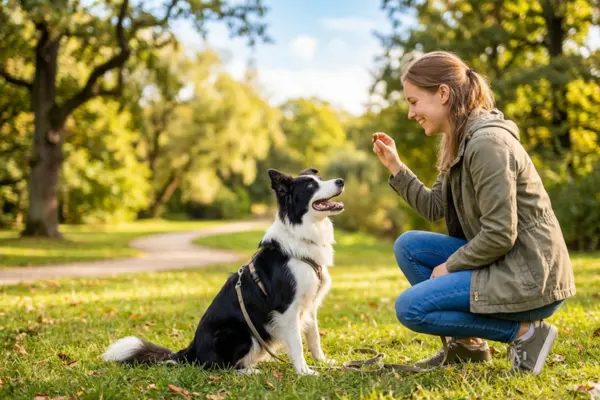
Early socialization is crucial for a Keeshond puppy to ensure they grow into well-adjusted adults. Exposing them to a variety of sights, sounds, people, and other dogs from a young age helps to foster their naturally friendly demeanor. This foundational experience helps prevent any potential shyness and encourages their outgoing Keeshond temperament.
Interaction with Families
The Keeshond excels as a family dog, forming strong bonds with all members, including children. Their affectionate nature makes them wonderful companions for kids, always ready for a game or a gentle cuddle. They thrive on human companionship and are happiest when they are involved in family activities, truly embodying the spirit of a devoted pet.
Care for Keeshonds
Nutritional Requirements
Proper nutrition is fundamental for maintaining the health and vitality of your Keeshond. As a medium-sized breed, their dietary needs should be tailored to their age, activity level, and any specific health conditions. High-quality dog food, rich in protein and balanced nutrients, is essential to support their active lifestyle and maintain their distinctive thick coat. Always ensure fresh water is available to your Keeshond dog.
Exercise Needs
Keeshonds are an active and intelligent breed, requiring regular exercise to keep them physically and mentally stimulated. Daily walks, playtime in a secure yard, and engaging in interactive games are crucial for their well-being. While they don’t need intense, marathon-level exercise, consistent activity helps manage their energy levels and prevents boredom, which can lead to unwanted behaviors in this bright dog breed.
Health Considerations
While generally a robust breed, Keeshonds can be prone to certain health conditions that responsible owners should be aware of. Hip dysplasia, a genetic condition affecting the hip joint, is one concern, as are certain eye conditions and skin issues related to their profuse double coat. Regular veterinary check-ups are vital for early detection and management, ensuring your Keeshond puppy or adult dog lives a long, healthy life. Choosing a reputable breeder who screens for these conditions is also paramount.
Keeshond Grooming
Grooming Basics
Grooming a Keeshond is a significant commitment due to their magnificent double coat, but it’s essential for their health and comfort. This Keeshond breed possesses a thick, profuse coat with a soft, downy undercoat and longer guard hairs. Regular grooming prevents matting, reduces shedding, and keeps their skin healthy. It’s an important ritual that strengthens the bond between you and your Keeshond dog.
Tools and Products
To effectively groom your Keeshond, you’ll need the right tools. A good quality slicker brush, an undercoat rake, and a wide-toothed comb are indispensable for penetrating their thick double coat. Specialized de-shedding tools can also be very helpful, especially during seasonal shedding periods when they lose their undercoat. Using appropriate dog shampoos and conditioners designed for double-coated breeds will also aid in maintaining their coat’s health and luster.
Grooming Schedule
A consistent grooming schedule is key for a Keeshond. Daily brushing is highly recommended to prevent tangles and remove loose hair, especially around the neck and behind the ears where matting can occur. At least twice a year, during their major shedding seasons, more intensive grooming will be necessary to manage the shedding of their dense undercoat. Remember, a Keeshond should never be shaved, as this can damage their unique double coat and affect their ability to regulate temperature. For more insights on various breeds, check out our Dog A-Z Breeds Guide. For further information and to connect with other enthusiasts, consider reaching out to the Keeshond Club, or referencing the American Kennel Club (AKC) breed standard, as Pawandbreeds always encourages informed pet ownership.
Keeshond Breed Standard
Physical Characteristics
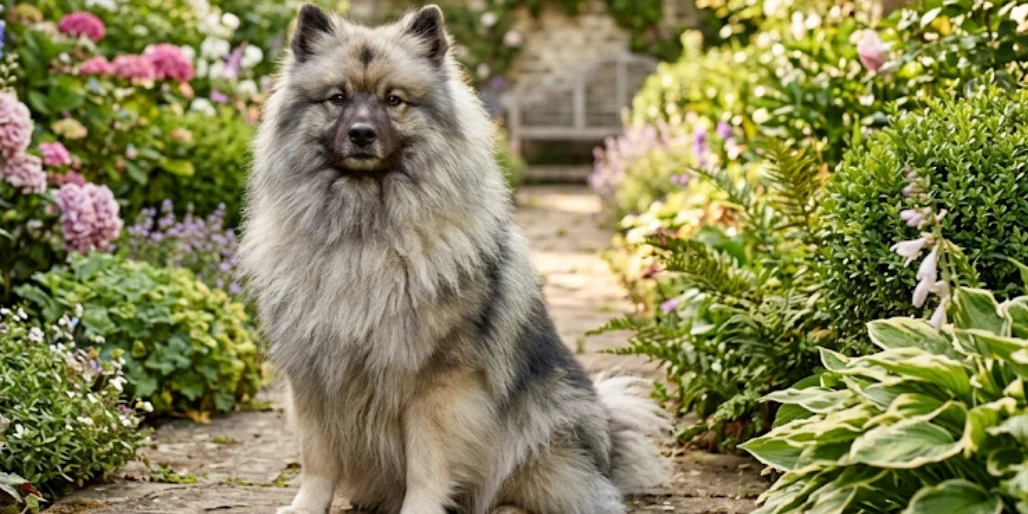
The Keeshond breed standard outlines the ideal physical traits of this beautiful dog breed. A medium-sized spitz type, the Keeshond is instantly recognizable by its profuse double coat, a magnificent mixture of gray and black with definite shading, and a cream or pale grey undercoat. Their small pointed ears and fox-like expression, often described as having “spectacles” around their eyes, contribute to their charming appearance. The tail is tightly curled over the back, adding to their distinctive silhouette.
Behavioral Standards
Beyond their looks, the Keeshond breed standard also emphasizes their delightful temperament. Keeshonden are known for being affectionate, lively, and intelligent, making them excellent companions. They possess a natural watchdog instinct, being alert and quick to bark at anything unusual, earning them the nickname “Dutch Barge Dog.” Despite their vocal tendencies, they should never be aggressive or shy, embodying a friendly and outgoing demeanor as outlined by the Kennel Club.
Breed Recognition
The Keeshond breed has a rich history, being recognized by major kennel clubs worldwide, including the American Kennel Club (AKC). The AKC breed standard provides a detailed description for judges in dog shows, ensuring the preservation of the breed’s unique characteristics. This recognition highlights the Keeshond’s journey from a humble Dutch Barge Dog, known for its keen watchdog abilities, to a beloved companion animal celebrated for its charming Keeshond temperament and striking appearance.
Choosing a Keeshond Puppy
Finding Reputable Breeders
When looking for a Keeshond puppy, finding a reputable breeder is paramount to ensure you bring home a healthy and well-socialized dog. A good breeder will prioritize the health and temperament of their Keeshonden, conduct health screenings for conditions like hip dysplasia, and be transparent about their breeding practices. They will also be a valuable resource for advice on caring for your Keeshond dog, helping you navigate the first stages of puppy ownership.
Puppy Socialization Tips
Early socialization is crucial for a Keeshond puppy, laying the foundation for a well-adjusted and friendly adult dog. Exposing your Kees to various sights, sounds, people, and other dogs from a young age helps them develop confidence and prevents potential shyness. Regular, positive interactions will reinforce their naturally affectionate temperament and help them become the outgoing and cheerful companion the Keeshond breed is known for.
Initial Care and Training
Bringing a Keeshond puppy home involves immediate care and training to establish good habits. Start with basic obedience commands – Keeshonds are very bright and quick learners, eager to please. Potty training should begin immediately, along with teaching them appropriate chew toys. Introducing a daily brushing routine early will also make future grooming much easier, preparing them for the maintenance of their profuse double coat.
FAQ
Q: How do you say keeshond and what exactly are keeshonden?
A: Good question because everyone butchers it at first! It’s pronounced kayz-hawnd, and keeshonden (that’s the plural, by the way) are a medium size fluffy spitz-type dog originally from the Netherlands. They’ve got that iconic fox-like face, a plush double coat, and a personality that’s hard not to fall in love with. If you’re just starting your research, think of this keeshond breed guide as your one-stop shop for everything you need to know before bringing one home.
Q: Why is the keeshond sometimes called the “Dutch patriot” dog?
A: This is actually a fun bit of history. The keeshond became a symbol of a political movement in 18th-century Holland, tied to a guy nicknamed Cornelis (or “Kees”) de Gyselaer, who was basically the leader of the Dutch patriot party opposing the House of Orange. His pet keeshond became the mascot of the whole movement, and that’s literally where the breed name comes from. So when you own one, you’re kind of owning a piece of Dutch political history, which is a pretty cool conversation starter at the dog park.
Q: What does the kennel club breed standard say about coat color?
A: According to the official kennel club breed standard, the keeshond’s coat is a mix of gray, black, and cream, but the undercoat should be pale gray or cream (you’ll also see it spelled pale grey or cream depending on which country’s standard you’re reading). The outer coat has black-tipped guard hairs that create that signature “smoky” shaded look. It’s not just one flat color, it’s a whole blend that gives the coat depth and that distinctive silvery appearance.
Q: What’s the official description of the ideal keeshond’s head and face?
A: The description of the ideal keeshond head is pretty specific. There should be a definite stop (that’s the step-up area between the muzzle and skull), and the eyes should be dark brown, medium sized, and slightly oblique. There’s also supposed to be darker markings around the eyes, sometimes called “spectacles,” which give the face that alert, almost mischievous expression keeshonden are famous for. There’s even mention of markings near the outer corner of each eye and the lower corner of each ear, which help frame that fox-like expression breeders are aiming for.
Q: What makes the keeshond coat and feathering so unique?
A: Their coat is honestly one of the coolest things about the breed. The body is abundantly covered with long, harsh, standing-off hair (never silky), and there’s a totally different texture on the ears, which stay short and velvety compared to the rest of the coat. You’ll also notice feathering on the front legs, longer hair on the tail (it curls up over the back), and shorter hair on the legs themselves below the feathering. One important standard point: the coat must not part down the back like some other spitz breeds. It should lay naturally without a defined center line.
Q: Is the keeshond a smart dog to train?
A: Yes, and then some. The keeshond is very bright, honestly almost too bright sometimes because they’ll figure out how to get away with things faster than you can correct them! They’re eager to please and food-motivated, so training generally goes well if you’re consistent. Just don’t expect a robot-level obedience dog, they’ve got a bit of independent thinker in them too, which makes sense given their history as a companion and watchdog rather than a working herder.
Q: How much grooming does a keeshond actually need?
A: Plan on brushing at least twice a week during normal times, and daily during shedding season (and trust me, they shed A LOT twice a year). That gorgeous double coat looks amazing but it mats easily if neglected. Regular brushing keeps the undercoat from getting tangled and helps maintain that fluffy, stand-off texture the breed standard talks about. It’s a commitment, but most owners say the payoff of that beautiful coat is worth the extra vacuuming.
Q: What should I know before buying a puppy?
A: Before buying a puppy, always find a reputable breeder who health tests for things like hip dysplasia and patellar luxation, common issues in the breed. Ask to see the parents if possible, and don’t be shy about asking questions about temperament, since keeshonden are people-oriented and don’t do well left alone for long stretches. A good breeder will also be happy to walk you through coat care, shedding expectations, and socialization tips so you’re not caught off guard once puppy chaos begins.
Q: Are keeshonden good family dogs?
A: Absolutely, they’re known for being affectionate, playful, and great with kids. They tend to bond closely with the whole family rather than just one person, and they’re naturally alert (which makes them decent watchdogs, they’ll definitely let you know when someone’s at the door). Just keep in mind they’re social animals through and through, so if your household is empty most of the day, a keeshond might get a little too vocal or destructive out of boredom.