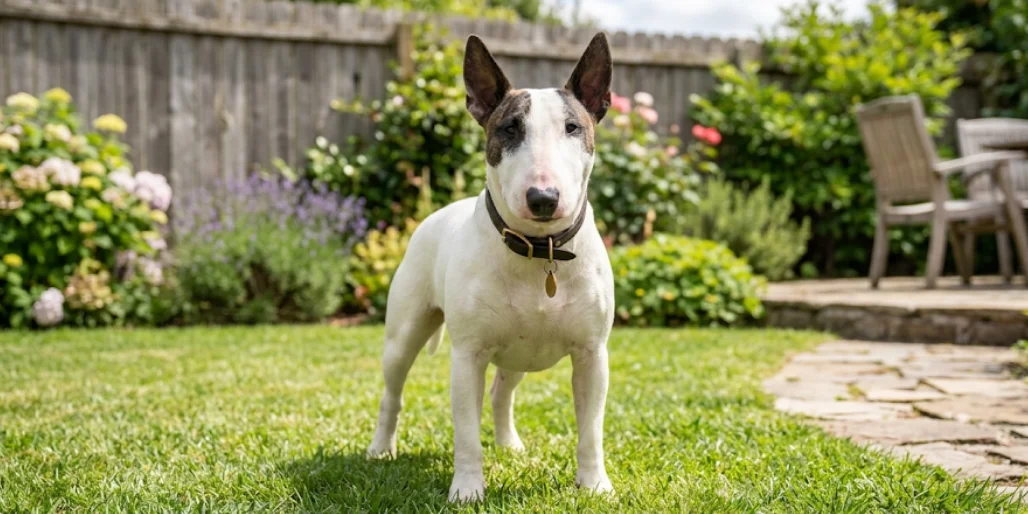
Thinking about bringing a Miniature Bull Terrier into your home? This comprehensive guide will walk you through everything you need to know about this unique and spirited dog breed, from its fascinating history to essential care tips.
Understanding the Miniature Bull Terrier
This section delves into the core aspects of the Miniature Bull Terrier, offering insights into its origins, distinctive physical traits, and the characteristic temperament that makes this dog breed so captivating.
History and Origin of the Miniature Bull Terrier
The Miniature Bull Terrier shares a rich history with its larger counterpart, the Standard Bull Terrier. Developed in 19th-century England, breeders aimed to create a smaller, yet equally robust, version of the beloved Bull Terrier. This distinct dog breed quickly gained popularity, solidifying its place among terrier enthusiasts.
Physical Characteristics of Miniature Bull Terriers
Miniature Bull Terriers are immediately recognizable by their distinctive egg-shaped head, a hallmark of the breed. They possess a muscular and compact build, exuding strength and agility. Their triangular eyes, full of mischief and intelligence, add to their unique charm, setting them apart from other terrier breeds.
Temperament and Behavior
Despite their smaller stature, Miniature Bull Terriers possess a bold and spirited temperament. They are known for their playful and affectionate nature, often displaying great loyalty to their families. A well-trained Mini Bull can be an excellent companion, though their terrier instincts require consistent guidance.
Miniature Bull Terrier Breed Standard
Adhering to the breed standard is crucial for maintaining the integrity of the Miniature Bull Terrier. This section outlines the specific criteria that define the ideal characteristics of this captivating dog breed, as recognized by kennel clubs.
Size and Weight Requirements
The Miniature Bull Terrier breed standard specifies a compact size. While there isn’t a strict weight limit, the ideal height for a Miniature Bull Terrier typically ranges between 10 to 14 inches at the shoulder, emphasizing a well-proportioned and sturdy build suitable for the terrier breed.
Coat and Color Standards
The Miniature Bull Terrier boasts a short coat that is glossy and lies flat against its body. Acceptable colors include pure white, colored (such as brindle, red, fawn, or black), and tri-color. The coat is short and requires minimal grooming, making them a relatively low-maintenance breed in terms of upkeep.
Common Breed Traits
Beyond their physical appearance, certain traits are characteristic of the Miniature Bull Terrier. Their strong, intelligent gaze and confident demeanor are quintessential. The breed standard emphasizes a balanced and well-muscled physique, reflective of their energetic and spirited nature, embodying the true essence of a mini bull.
Caring for Your Mini Bull Terrier
Nutritional Needs
Feeding your Miniature Bull Terrier correctly is vital for their overall health and vitality. A high-quality dog food, appropriate for their age and activity level, is essential to meet the nutritional demands of this energetic terrier breed. Always ensure fresh water is available to your mini bull, as proper hydration is just as important as a balanced diet.
Grooming Tips for Miniature Bull Terriers
While the Miniature Bull Terrier’s short coat is relatively low maintenance, regular grooming is still necessary to keep them looking their best. A weekly brush with a soft-bristled brush will help remove loose hair and keep their glossy coat healthy. Don’t forget to trim their nails regularly and clean their triangular ears to prevent infections, ensuring your mini bull stays comfortable.
Exercise Requirements
Miniature Bull Terriers are an active and playful dog breed that requires a good amount of exercise to stay happy and healthy. Daily walks, playtime in a secure yard, and engaging activities are crucial for burning off their energy. Consistent exercise also helps prevent boredom and destructive behaviors in your mini bull, keeping them a well-behaved member of the family.
Choosing a Breeder for Miniature Bull Terriers
What to Look for in a Responsible Breeder
Selecting a responsible breeder is paramount when bringing a Miniature Bull Terrier puppy into your home. A good breeder will prioritize the health and temperament of their miniature bull terriers, rather than just profit. Look for a breeder who is open and honest, willing to answer all your questions, and provides a clean, safe environment for their dogs and puppies.
Questions to Ask a Breeder
When you find a potential breeder, be prepared with a list of questions. Inquire about the puppy’s parents, their health history, and any genetic screenings they’ve undergone. Ask about the puppy’s socialization, vaccination records, and what guarantees they offer. A reputable breeder will welcome your questions and provide thorough answers, giving you confidence in your choice of a miniature bull terrier.
Understanding Health Clearances
Health clearances are incredibly important for the Miniature Bull Terrier dog breed due to certain hereditary conditions. Responsible breeders will conduct health screenings for issues like primary lens luxation (PLL), kidney disease, and deafness (BAER testing), especially for white bull terriers. Understanding these clearances, often documented by the AKC or other kennel club, ensures you’re getting a healthy puppy and helps to protect the future of the miniature bull terrier breed. For more information on various breeds, check out our Dog A-Z Breeds Guide. Pawandbreeds hopes this guide helps you find your perfect mini bull companion.
Similar Breeds to the Miniature Bull Terrier
Comparing with Standard Bull Terriers
When considering a miniature bull terrier, it’s natural to compare them to their larger cousins, the standard bull terrier. While both boast that distinctive egg-shaped head and spirited temperament, the most obvious difference lies in size. Standard bull terriers are significantly larger, making the miniature bull terrier a more manageable option for some households, especially those with limited space. Despite the size disparity, both breeds share similar needs for exercise, training, and a firm, consistent owner to thrive.
Other Breeds with Similar Traits
If you’re drawn to the unique charm of the miniature bull terrier but are still exploring options, several other dog breeds share similar traits. Breeds like the Boston Terrier or even certain types of Patterdale Terriers might appeal to those looking for a compact, energetic companion with a distinctive personality. However, none quite possess the iconic egg-shaped head or the specific historical background of the miniature bull terrier dog breed, making them truly one of a kind among terrier breeds.
Choosing the Right Breed for Your Lifestyle
Selecting the perfect dog breed, whether a mini bull or another terrier, ultimately comes down to your lifestyle. The miniature bull terrier, with its energetic and often stubborn nature, thrives with active owners who can provide consistent training and plenty of mental stimulation. If you’re looking for a loyal, playful, and somewhat mischievous companion who will keep you on your toes, and you’re prepared for their specific needs, a miniature bull terrier could be an excellent fit for your home.
Resources for Miniature Bull Terrier Owners
Training and Socialization Tips
Training and socialization are paramount for a well-adjusted miniature bull terrier. Due to their strong will and intelligence, early and consistent positive reinforcement training is key. Socializing your puppy from a young age with various people, sounds, and other dogs will help them develop into a confident and friendly adult. Attending puppy classes can be incredibly beneficial, providing both structure for your mini bull and valuable guidance for you as an owner.
Finding Support and Community
Becoming part of a community of miniature bull terrier owners can be an invaluable resource. Connecting with other enthusiasts, whether through local breed clubs, online forums, or social media groups, provides a platform to share experiences, ask questions, and receive advice on everything from training challenges to health concerns. Organizations like the Miniature Bull Terrier Club of America often offer events and resources that foster a strong sense of community and support for owners.
Check out our Dog A-Z Breeds Guide
For those considering a miniature bull terrier or any other dog breed, comprehensive information is essential. Our Dog A-Z Breeds Guide offers detailed insights into various breeds, including their history, temperament, care requirements, and potential health issues. This resource can help you make an informed decision and ensure you find a dog breed that perfectly matches your lifestyle and preferences, providing a solid foundation for responsible pet ownership.
FAQ
Q: What’s the deal with the Miniature Bull Terrier breed guide — how’s this little dog different from the larger Bull Terrier?
A: Honestly, mini bull terriers are basically the English Bull’s little sibling, just packed into a smaller frame. They stand about 10–14 inches at the shoulder, so way more compact than their larger Bull Terrier cousin, but they’ve got the same clownish personality and that iconic egg-shaped head profile — the top of the skull curves down smoothly to the tip of the nose. Same goofy attitude, smaller package.
Q: Are mini bull terriers good with children?
A: For the most part, yeah! They’re playful, goofy, and love being part of the action, which makes them pretty great with kids. That said, every individual dog has their own personality, so early socialization and supervision matter a ton. They’re sturdy little dogs but still need to learn boundaries, especially with younger kids who might not understand doggy body language yet.
Q: What health problems are Bull Terriers prone to that I should watch out for?
A: Bull terriers are prone to a handful of health issues you’ll want to keep on your radar. Patellar luxation (basically a kneecap that slips out of place) is common in small breeds like this one. Heart stuff is also a concern — mitral valve disease affects the mitral valve and can cause serious problems if not caught early. There’s also lethal acrodermatitis, a genetic condition specific to the breed that mostly shows up in puppies and unfortunately doesn’t have a cure. Regular veterinary checkups are key to catching this stuff early.
Q: Why do white dogs in this breed sometimes have hearing issues?
A: Great question! White dogs, including white mini bull terriers, have a higher chance of being born deaf due to genetics linked to their coat color. That’s why a BAER hearing test (Brainstem Auditory Evoked Response) is often recommended for puppies to check their hearing early on. Deaf dogs can absolutely live full, happy lives — they just need owners who adjust their training methods, like using hand signals instead of relying only on verbal cues.
Q: How much coat care does an adult miniature bull terrier actually need?
A: Not much, honestly, which is one of the perks of this breed! Their coat is short and smooth, so you’re looking at occasional baths and a quick brush now and then to manage shedding. No fancy grooming appointments needed. Just wipe them down, check their ears, trim nails, and you’re pretty much good to go.
Q: What kind of enrichment does an adult dog of this breed need to stay happy?
A: These dogs are smart and can get into mischief if they’re bored, so enrichment is a must. Think puzzle toys, daily walks, training sessions, and interactive play. They love having a “job” to do, even if that job is just chasing a ball for the hundredth time. Mental stimulation is honestly just as important as physical exercise for keeping them balanced and happy.
Q: Can vision loss happen in this breed as they age?
A: Yes, like a lot of breeds, vision loss can happen as mini bull terriers get older, sometimes linked to genetics or just general aging. It’s not always super common, but it’s worth mentioning to your vet during regular checkups, especially if you notice your dog bumping into furniture or seeming more hesitant in low light. Early detection helps you adjust their environment to keep them safe and comfortable.
Q: Where can I find reliable dog breed information before getting a Miniature Bull Terrier?
A: Your best bet is combining a solid miniature bull terrier breed guide (like this one!) with actual conversations with reputable breeders and your local vet. Breed clubs are also great resources since they often have health screening recommendations and history specific to the breed. Don’t just rely on random internet forums — talk to people who’ve actually lived with these dogs.
Q: Do mini bull terriers move differently because of their unique head shape?
A: Not really in terms of movement, but their head shape does affect how they see the world a bit! Because their eyes are positioned somewhat horizontally on that egg-shaped head, their depth perception can be slightly different from other breeds. It doesn’t slow them down though — these little guys are still agile, energetic, and always ready to zoom around the yard like it’s their job.