The Miniature Pinscher, often affectionately called the “King of Toys,” is a vibrant and fearless small dog with a big personality. This guide delves into everything you need to know about this captivating breed, from its appearance to its unique characteristics and care.
General Appearance of the Miniature Pinscher
The Miniature Pinscher is a well-balanced, sturdy, and compact toy breed, exuding an air of self-possession and vigor. Its distinctive outline and proud carriage immediately capture attention, reflecting its fearless and fun-loving nature. This little dog may be small, but it boasts a robust build that belies its toy breed classification.
Size and Weight
Typically, a Miniature Pinscher stands between 10 to 12.5 inches tall at the shoulder, with the ideal height being 11 to 11.5 inches. Their weight usually falls between 8 to 10 pounds, presenting a squarely built dog with good muscle tone. These small dogs are perfectly proportioned, making them a truly elegant and athletic miniature.
Coat and Color
The Miniature Pinscher sports a smooth coat that is short, hard, and straight, requiring minimal grooming. This particular breed standard allows for several striking color combinations, including solid red, stag red (red with black hairs), black with rust markings, and chocolate with rust markings. The rich coloration and sleek texture contribute to the breed’s refined appearance.
Distinctive Features
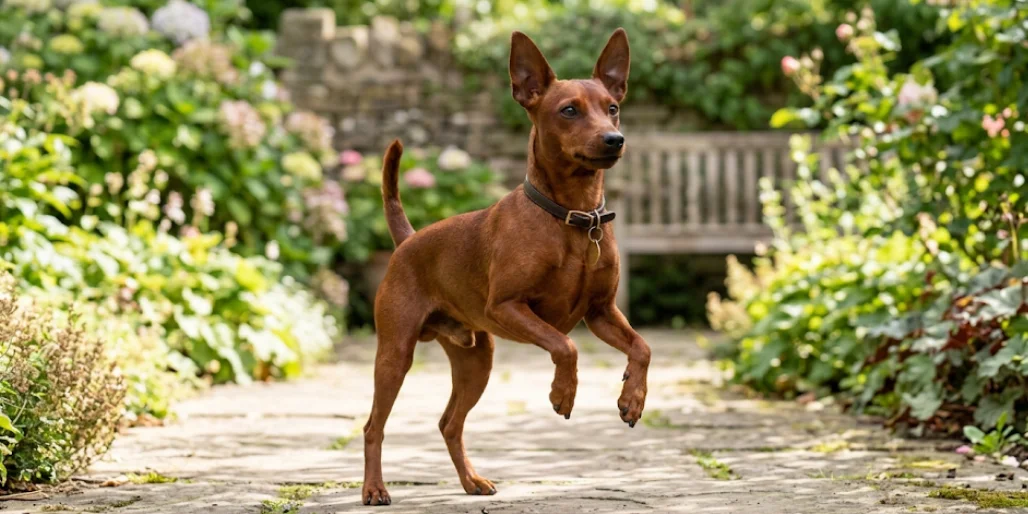
One of the most distinctive features of the Miniature Pinscher is its high-stepping “hackney” gait, reminiscent of a hackney horse, where the foreleg is lifted high with a pronounced bend at the wrist. They have oval eyes, a strong topline, and natural ears that are often cropped, though uncropped ears are also accepted by the American Kennel Club (AKC). This energetic stride and alert expression are hallmark breed characteristics.
Miniature Pinscher Breed Characteristics
Temperament and Behavior
The Miniature Pinscher, often called the “King of Toys,” boasts a fearless and inquisitive temperament that makes them a captivating family dog. This small dog possesses a big personality, showing remarkable self-possession for a toy breed. Early socialization is crucial for a puppy to develop into a well-adjusted adult, ensuring their natural fun-loving nature shines through in various environments.
Gait and Movement
The distinctive high-stepping “hackney” gait is a hallmark of the Miniature Pinscher, setting this breed apart. When observing a Min Pin, you’ll notice its foreleg lifts high with a pronounced bend at the wrist, giving it an elegant and energetic stride. This unique gait, often compared to a hackney horse, is a key breed characteristic that contributes to its overall athletic appearance and dynamism.
Fearless Nature as a Watchdog
True to their heritage, Miniature Pinschers possess an inherently fearless nature, making them excellent watchdogs despite their small size. They are quick to alert their families to anything unusual, barking with conviction to signal potential intruders. This protective instinct, combined with their sharp senses and alert demeanor, solidifies the Min Pin’s role as a vigilant guardian of the home.
Caring for Your Miniature Pinscher
Grooming Needs
Caring for a Miniature Pinscher is relatively straightforward due to its smooth coat, which is short and requires minimal grooming. A weekly brush to remove loose hairs and occasional bathing is usually sufficient to keep its coat in top condition. Regular nail trims and dental care are also important, ensuring the overall health and welfare of this lively toy dog.
Common Health Concerns
While generally a healthy breed with a lifespan of 12 to 16 years, Miniature Pinschers can be prone to certain health conditions. Patellar luxation, a common issue in many small dogs, can affect their knees. Other potential concerns include eye problems and thyroid issues. Responsible breeders typically screen their adult dogs to help minimize the risk of passing on these common health concerns to their puppies.
Pet Insurance Options
Given the potential for breed-specific health conditions like patellar luxation, considering pet insurance for your Miniature Pinscher is a wise decision. This can help manage unexpected veterinary costs and ensure your beloved family dog receives the best possible care throughout its life. Many providers offer comprehensive plans that cover accidents, illnesses, and even routine wellness, giving you peace of mind. For more detailed insights into various breeds, check out our Dog A-Z Breeds Guide. Pawandbreeds is dedicated to providing comprehensive and insightful dog breed information to help you find the perfect companion.
Similar Breeds to the Miniature Pinscher
Comparison with Other Toy Dogs
When considering similar breeds to the Miniature Pinscher, it’s natural to look at other toy dogs, especially those sharing its fearless and inquisitive nature. While the Min Pin is often mistaken for a Doberman Pinscher due to a superficial resemblance, it’s a distinct, older breed, developed in Germany for vermin control, predating the Doberman. Another common comparison is the Italian Greyhound, though its delicate build and different gait set it apart from the sturdy Miniature Pinscher’s high-stepping “hackney” gait. The Dachshund, another German breed, shares some hunting instincts but differs significantly in appearance and movement.
Family Dog Considerations
The Miniature Pinscher’s spirited personality makes it an excellent family dog, though its fearless nature means early socialization is key, especially with children and other pets. If you’re looking for a similar breed that fits well into family life, consider the breed characteristics of other toy dogs known for their adaptability and affectionate dispositions. Many small dogs offer the same companionship, but few possess the unique combination of the Min Pin’s “King of Toys” demeanor and its distinctive high-stepping “hackney” gait. Potential owners should research specific breed needs to ensure a good match.
Adopting a Miniature Pinscher
Adopting a Miniature Pinscher can be a rewarding experience, providing a loving home to a deserving dog. When considering a puppy, look for a reputable breeder who prioritizes the health and welfare of their Miniature Pinschers, screening for common health concerns like patellar luxation. Adopting an older dog can also be wonderful, as many adult Min Pins are already house-trained and socialized. Ensure the rescue organization or shelter provides comprehensive information about the dog’s background and health, helping you welcome a well-adjusted Min Pin into your life.
Conclusion
Final Thoughts on Miniature Pinschers
The Miniature Pinscher truly lives up to its “King of Toys” moniker, offering a big personality in a compact package. From its distinctive high-stepping “hackney” gait to its fearless and fun-loving temperament, this breed is a joy to own for the right family. Understanding the Miniature Pinscher’s breed characteristics, including its need for socialization and potential health conditions, is crucial for any prospective owner. With proper care and attention, this little dog will provide years of companionship and vigilant watchdog duties.
Further Resources
For those interested in delving deeper into the world of dog breeds, numerous resources are available. The American Kennel Club (AKC) offers extensive dog breed information and breed standards for the Miniature Pinscher and countless other breeds. Breed-specific clubs, like the Miniature Pinscher Club of America, provide invaluable insights into the breed’s history, care, and responsible breeding practices. Consulting these resources can help prospective owners make informed decisions about welcoming a puppy or older dog into their homes.
Explore the Dog A-Z Breeds Guide
For an exhaustive compilation of breed characteristics, health insights, and care tips for a wide array of canines, we encourage you to explore our Dog A-Z Breeds Guide. Whether you’re researching the spirited Miniature Pinscher or curious about other small dogs or large breeds, this guide is an invaluable resource for any dog enthusiast. Pawandbreeds is committed to empowering you with comprehensive dog breed information to find your ideal companion.
Q: What exactly is a min pin, and is this dog breed related to the Dobermann?
A: Great question! A lot of people assume the min pin (short for Miniature Pinscher) is just a mini Dobermann, but that’s actually a myth. This dog breed is way older than the Dobermann and isn’t a shrunken version at all. The min-pin actually shares ancestry with the German Pinscher, and both breeds developed separately in Germany. So while they look similar in coloring, they’re not directly related the way people assume!
Q: Where did the Miniature Pinscher come from and when?
A: The breed was formed in Germany, with most records pointing to Germany in 1895 as the official starting point for breed recognition. Farmers originally bred these little guys to hunt rats and vermin in barns and stables, so despite their fancy toy-dog reputation today, they’ve got some serious working-dog history behind them.
Q: Why do people call the min pin the “king of toys”?
A: This nickname comes from the breed’s confident, almost regal attitude despite being a compact dog. Min pins strut around like they own the place, and their high-stepping “hackney” gait (that fancy prancing walk) makes them look super elegant and proud. Basically, they’ve got big dog energy in a small dog body, which totally earns them that “king of toys” title.
Q: What’s this “hackney” gait everyone talks about?
A: The high-stepping “hackney” movement is one of the most distinctive things about this dog breed. It’s named after hackney horses that have that same fancy, lifted-leg trot. When a min pin moves, their hind legs and front legs lift up high with each step, almost like they’re marching. It’s a breed-specific trait that judges look for in the show ring, and honestly it’s pretty fun to watch in person.
Q: What colors are AKC-registered Miniature Pinschers allowed to be?
A: According to official standards, AKC-registered min pins typically come in solid red, black and rust, or chocolate and rust combos. Some may also show “twin spots” above the eyes and on the chest, which is a recognized breed-specific marking. So if you’re looking for a purebred pup, check for these classic color patterns.
Q: Are Miniature Pinschers sensitive to cold weather?
A: Yep, definitely! Since min pins have short coats and very little body fat, they’re sensitive to cold and don’t do well in chilly climates without help. If you live somewhere with harsh winters, grab your pup a sweater or jacket before heading out. They still need their daily walks year-round, so bundling up is key to keeping them comfortable and healthy.
Q: Do min pins make good family companions?
A: Absolutely, they can be a fantastic family companion and loyal canine companion once they’re properly trained and socialized. They’re loyal, playful, and surprisingly protective for such a small pup. That said, they’ve got a strong personality, so they do best in households that understand smaller breeds often need firm, consistent leadership rather than a super hands-off approach.
Q: Why do Miniature Pinschers develop destructive behavior sometimes?
A: Destructive behavior in min pins usually comes down to boredom or pent-up energy. These little dogs are smart and active, so if they don’t get enough mental stimulation or daily walks, they’ll find their own entertainment—which often means chewed shoes or dug-up couch cushions. Keeping them busy with toys, training, and exercise usually solves the problem pretty quickly.
Q: How much exercise does this dog breed actually need?
A: Don’t let their small size fool you—min pins have tons of energy packed into that compact dog frame. Daily walks are a must, plus some playtime or training sessions to keep their brain engaged. Skipping exercise is basically asking for destructive behavior, so aim for at least two decent walks a day along with some backyard zoomies.
Q: Is the Miniature Pinscher a good choice for first-time dog owners?
A: It can work, but it depends on the person. Min pins are independent and a little stubborn, so first-timers need to be ready for consistent training from day one. If you’re willing to put in the effort, this breed can become an amazing family companion. Just don’t expect a pushover lapdog—this is a confident, feisty little breed with a mind of its own!