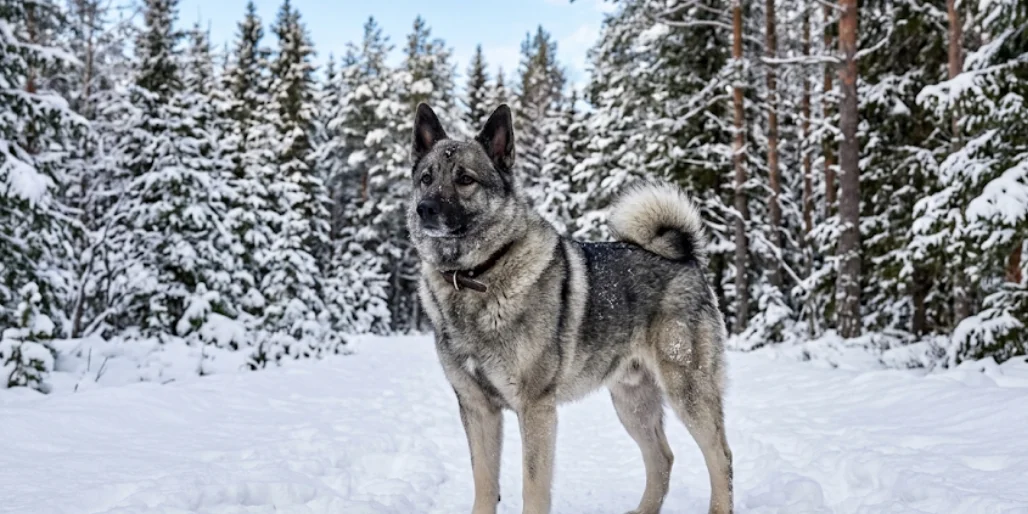
Norwegian Elkhounds are one of the oldest spitz breeds in existence, used by Vikings for over a thousand years to hunt elk and bear across Scandinavia. Medium-sized with a dense gray double coat and a tightly curled tail, they’re loyal, independent watchdogs known for being especially vocal.
Overview of the Norwegian Elkhound
History and Origin
The Norwegian Elkhound boasts a long and storied history, with its origins tracing back to the Vikings, who utilized these resilient dogs for hunting elk and bear. This spitz breed is one of the oldest in existence, a testament to its enduring qualities and adaptability. The breed’s deep roots in Scandinavia showcase its incredible heritage. The Norwegian Elkhound’s intelligence and endurance made it an indispensable companion for early Norsemen, not just for hunting but also as a watchdog and even a sled dog. Their remarkable capabilities as hunting dogs, particularly for large game like elk, solidified their place in Norwegian history and culture, making them a true national treasure.
Physical Characteristics
The Norwegian Elkhound is a medium-sized spitz-type dog breed, easily recognizable by its dense coat, tightly curled tail, and alert expression. Their weather-resistant thick double coat, typically gray, consists of a soft undercoat and a coarse outer coat, providing excellent insulation in harsh climates. Their ears and tail are distinctive features of the breed. According to the AKC breed standard, a well-proportioned Norwegian Elkhound should exhibit strength and agility. Their sturdy build, deep chest, and strong muzzle contribute to their powerful and athletic appearance. The distinctive tightly curled tail, carried over the back, is a hallmark of this spitz breed, making them easily identifiable.
Common Health Issues
While generally robust, Norwegian Elkhounds can be prone to certain health issues, including Fanconi syndrome, a kidney disorder, and progressive retinal atrophy, an eye condition. Responsible breeders screen their breeding stock for these hereditary conditions to maintain the health of the Norwegian Elkhound dog breed. Regular veterinary check-ups are essential for this spitz-type dog breed. Other potential concerns for the Norwegian Elkhound breed include hip and elbow dysplasia, as is common in many medium-sized breeds. Maintaining a healthy weight and providing regular exercise can help mitigate some of these risks. Prospective owners of a Norwegian Elkhound puppy should research reputable breeders who prioritize the long-term health of their dogs.
Temperament of Norwegian Elkhounds
Personality Traits
Norwegian Elkhounds are known for their intelligent, independent, and loyal temperament. They are affectionate with their families but can be reserved with strangers, making them excellent watchdogs. Their spitz-type heritage means they possess a strong prey drive and can be quite vocal dogs, often letting out barks to alert their owners. Their inherent intelligence makes them quick learners, but their independent streak means training requires consistency and patience. The Norwegian Elkhound thrives on mental stimulation and enjoys having a “job” to do, whether it’s participating in agility or simply being an active companion on outdoor adventures.
Socialization Needs
Early socialization is crucial for Norwegian Elkhounds to develop into well-adjusted family pets. Exposing a Norwegian Elkhound puppy to various people, places, and other dogs from a young age helps them become confident and friendly adults. Proper socialization mitigates their natural wariness of strangers and helps them integrate smoothly into diverse environments. Without adequate socialization, Norwegian Elkhounds can become overly protective or reserved, which might not be ideal for a bustling household. Continuing to expose them to new experiences throughout their lives will reinforce good behavior and ensure their confident and amiable temperament continues to shine.
Compatibility as a Family Dog
The Norwegian Elkhound can be a wonderful family dog, especially for active families who appreciate their robust nature and loyalty. They are generally good with children, particularly when raised with them, and can form strong bonds with all family members. Their playful side makes them enjoyable companions for active kids. However, their strong prey drive means they might not be suitable for homes with smaller pets like cats or rabbits unless introduced carefully and supervised from a young age. Their vocal nature also means they might not be the best fit for apartment living or neighbors sensitive to barking, but their overall temperament makes them a devoted companion.
Caring for Your Norwegian Elkhound
Grooming the Norwegian Elkhound
Grooming the Norwegian Elkhound is an essential part of their care, especially considering their thick double coat. This spitz breed is known for its weather-resistant fur, which consists of a dense undercoat and a coarse outer coat, designed to protect them from harsh Nordic climates. Regular brushing is crucial to manage shedding and prevent matting, keeping their gray coat healthy and clean. While Norwegian Elkhounds are relatively low-maintenance in terms of professional grooming, consistent home care is vital. Aim to brush your Norwegian Elkhound several times a week, increasing frequency during shedding seasons when they tend to lose a lot of their undercoat. This routine not only keeps their coat in top condition but also strengthens the bond between you and your family pet.
Exercise Needs
Norwegian Elkhounds are energetic dogs that require a good amount of exercise to stay healthy and happy. As a spitz-type dog breed originally bred to hunt elk, they possess considerable stamina and enjoy being active. Daily walks, runs, or hikes are excellent ways to meet their exercise needs, and their agility makes them suitable for dog sports. Without adequate physical activity, a Norwegian Elkhound can become bored and potentially develop destructive behaviors. Providing opportunities for mental stimulation, such as puzzle toys or training sessions, alongside physical exercise, is also beneficial for this intelligent breed. Their strong prey drive means secure, fenced areas are important for off-leash play.
Nutrition and Diet
A balanced diet is fundamental for the overall health and well-being of your Norwegian Elkhound. High-quality dog food appropriate for their age, size, and activity level is recommended. As a medium-sized dog breed, portion control is important to prevent obesity, which can exacerbate conditions like hip and elbow dysplasia, common in many breeds. Consulting with your veterinarian can help you determine the best diet plan for your Norwegian Elkhound, taking into account any specific health considerations or dietary sensitivities. Always ensure fresh water is available, and be mindful of treats, which should be given in moderation as part of a healthy diet for your family pet.
Fun Facts About Norwegian Elkhounds
Unique Traits
The Norwegian Elkhound boasts several unique traits that set it apart. Their tightly curled tail, carried over the back, is a distinctive feature of this spitz breed, along with their alert ears and muzzle. They are also known for being vocal dogs, often using a variety of barks and “yodels” to communicate, a characteristic that reflects their watchdog instincts. Another fascinating trait of the Norwegian Elkhound is their incredible endurance and resilience, a legacy from their days as sled dogs and hunting companions for the Vikings. Their thick double coat not only provides warmth but also gives them a rugged, powerful appearance that aligns with the AKC breed standard for this magnificent spitz-type dog breed.
Interesting Anecdotes
One interesting anecdote about Norwegian Elkhounds involves their historical role in hunting large game like elk and bear. These dogs were so adept at tracking and holding prey at bay without actually attacking it that they earned their name “Elkhound.” Their intelligence and bravery were crucial for hunters in the harsh Scandinavian wilderness. Another anecdote highlights their loyalty and affectionate temperament. Many owners of a Norwegian Elkhound will share stories of their dog’s unwavering devotion and protective instincts towards their family. These dogs often form deep bonds, making them cherished companions and a truly wonderful family pet.
Famous Norwegian Elkhounds
While perhaps not as numerous as some other breeds in popular culture, the Norwegian Elkhound has had its moments in the spotlight. One notable mention is “Lobo,” a Norwegian Elkhound that served with American explorer Richard E. Byrd on his first Antarctic expedition, showcasing the breed’s incredible resilience and adaptability to extreme conditions, much like a traditional sled dog. Additionally, the Norwegian Elkhound has occasionally appeared in various films and television shows, often cast for its striking appearance and dignified demeanor. Their presence, though sometimes subtle, reinforces their image as a loyal and intelligent dog breed, admired by dog enthusiasts and the Kennel Club alike for their unique charm. For more details on various breeds, check out our Dog A-Z Breeds Guide, presented by Pawandbreeds.
Conclusion
Final Thoughts on Owning a Norwegian Elkhound
Owning a Norwegian Elkhound is a rewarding experience for those who appreciate a loyal, intelligent, and active companion. This spitz-type dog breed, with its distinctive thick double coat and tightly curled tail, brings a unique blend of ancient heritage and a loving temperament to any family. They are excellent family pets, particularly for active households, offering both companionship and a keen watchdog instinct. Their strong prey drive and need for regular exercise mean they thrive in environments where they can engage their minds and bodies. While grooming the Norwegian Elkhound requires regular brushing to manage their weather-resistant coat, their overall health and adaptable nature make them a cherished member of the family. The Norwegian Elkhound truly embodies the spirit of a resilient and devoted dog breed.
Additional Resources
For those considering bringing a Norwegian Elkhound puppy into their home, it is highly recommended to seek out reputable breeders who adhere to the AKC breed standard and conduct health screenings for conditions like Fanconi syndrome and progressive retinal atrophy. Engaging with local Kennel Club chapters or breed-specific rescue organizations can also provide valuable insights and support for new owners of this magnificent spitz-type dog breed. Understanding the specific needs of the Norwegian Elkhound, including their grooming requirements and exercise needs, is crucial for their well-being. Resources such as breed-specific forums, experienced veterinarians, and professional dog trainers specializing in spitz-type dogs can offer ongoing guidance. Their vocal nature and strong prey drive are traits to understand and manage with consistent training.
Explore More Breeds in the Dog A-Z Breeds Guide
If the Norwegian Elkhound has captured your interest, but you’re still exploring other potential canine companions, we encourage you to delve deeper into the diverse world of dog breeds. Our comprehensive Dog A-Z Breeds Guide offers detailed information on a wide array of breeds, helping you discover the perfect match for your lifestyle and preferences. You’ll find everything from other spitz-type dogs to various family dogs and specific breed characteristics.
About Pawandbreeds
Pawandbreeds is dedicated to providing comprehensive and reliable dog breed information, helping prospective and current dog owners make informed decisions about their beloved family pets.
FAQ
Q: What’s the deal with this Norwegian Elkhound breed guide, and what kind of dog breed are we talking about?
A: So this Norwegian elkhound breed guide covers a spitz type dog that’s honestly one of the oldest breeds around, going way back with Scandinavian roots. They’ve got that classic spitz look – erect ears, curled tail, dense woolly undercoat – and were originally bred for hunting, specifically used for hunting large game like moose and elk (yeah, the name kinda gives it away). They’re sturdy, medium-sized, and built for cold weather work.
Q: Do these dogs enjoy outdoor activities or are they more of a couch potato breed?
A: Oh, they absolutely enjoy outdoor activities. This isn’t a breed that’s happy lounging around all day. Thanks to their hunting background, they’ve got tons of energy and stamina. Long walks, hikes, runs in the yard – they’re here for all of it. If you’re not an outdoorsy person, this might not be your ideal match.
Q: How much daily exercise does a Norwegian Elkhound actually need?
A: A good amount, honestly. We’re talking at least an hour of daily exercise, split between walks and some kind of active play or mental stimulation. Their hunting background means they’ve got working-dog energy levels, so skimping on exercise usually leads to a bored, destructive dog. Canine sports like agility or tracking are great outlets too since they tap into that natural instinct.
Q: Is recall training difficult with this breed because of their independent nature?
A: Yeah, recall training can be a bit of a challenge here. Their independent nature is a real thing – they were bred to make quick decisions on their own while hunting, so they’re not always the “drop everything and come running” type dog. Recall training needs to start early, stay consistent, and honestly patience is key. Because of this, a securely fenced yard is pretty much non-negotiable. You don’t want to test their recall against a squirrel in an open field.
Q: What’s their trainability like overall, given that independent streak?
A: Trainability is decent but it’s not like training a Golden Retriever who lives to please you. These dogs are smart, sometimes too smart, and they’ll question why they should listen. Positive reinforcement works way better than harsh corrections. Consistency and keeping things interesting helps a ton. Their watchdog nature also means they’re naturally alert, which is great for home security but can mean extra barking during training sessions if they’re distracted by noises.
Q: Let’s talk coat care – what’s up with that woolly undercoat and shedding?
A: Okay so this is a big one. That woolly undercoat is designed to insulate them against brutal cold, which is awesome functionally but means serious shedding, especially during seasonal blowouts. You’ll want weekly brushing as a baseline to manage loose fur and prevent matting, but during shedding season you’re looking at heavier shedding that might need frequent brushing – like every day or every other day. Fair warning, your vacuum will become your best friend.
Q: Should I be clipping my Norwegian Elkhound’s coat to deal with the heavy shedding?
A: Nope, definitely avoid clipping. Even though the heavy shedding is annoying, that double coat is functional – it helps insulate them in both hot and cold weather, so shaving it off actually messes with their natural temperature regulation and can mess up the coat’s texture permanently. Stick to regular brushing instead of clipping, even if it feels like more work.
Q: Are Norwegian Elkhounds still used for hunting today, or mostly companion dogs now?
A: Both, honestly. Some are still used for hunting in their traditional roles, especially in Norway and parts of Scandinavia, but a lot of them these days are companion dogs or show ring competitors. Their alertness and watchdog nature make them solid family dogs too, they just need owners who respect that working-dog background and give them a job to do, even if that job is just canine sports or long hikes.
Q: What are the basic feeding guidelines for this breed?
A: Feeding guidelines typically follow standard medium-breed portions, usually around 2 to 2.5 cups of quality dog food daily, split into two meals. That said, active dogs doing lots of canine sports or hunting work need more calories, so always adjust based on activity level, age, and weight. Talk to your vet since overfeeding combined with lower activity can lead to weight gain pretty fast.
Q: Is the watchdog nature and alertness going to mean a lot of barking?
A: Pretty likely, yeah. That watchdog nature and natural alertness means they notice everything, every noise, every stranger walking by. They’re not typically aggressive but they will bark to alert you. Early training helps manage excessive barking, but expect some vocal moments since it’s baked into their instincts as both a hunting and guarding breed.