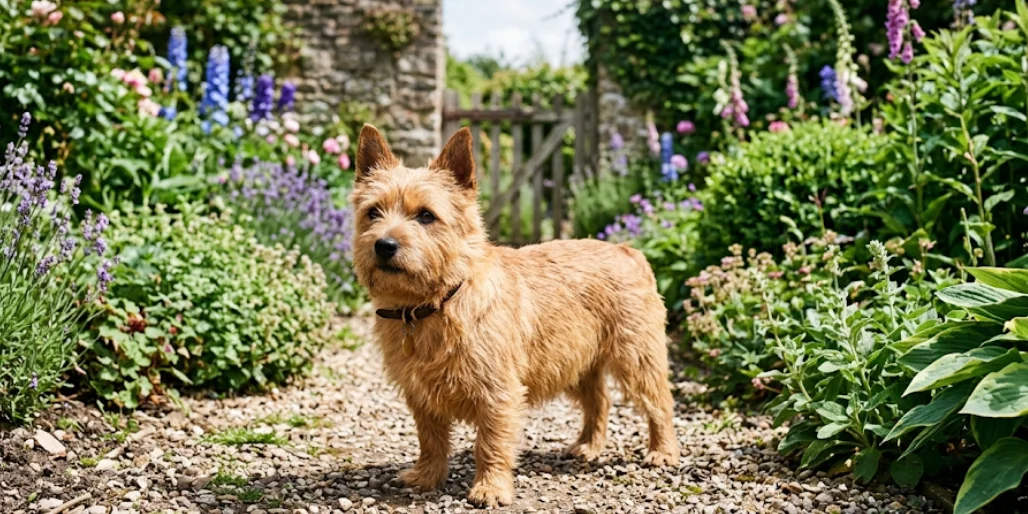
Norwich Terriers are one of the smallest working terriers, standing about 10 inches and weighing around 12 pounds, bred in England’s East Anglia to hunt vermin on farms. Distinguished from the closely related Norfolk Terrier by their prick ears, they’re lively, affectionate, and famously courageous for their size
Overview of the Norwich Terrier
The Norwich Terrier is a plucky and endearing small dog breed that originated in the United Kingdom. Known for its distinctive prick ears and compact build, these delightful terriers are celebrated for their affectionate nature and lively spirit. They make excellent companions for those seeking a loyal and energetic little dog to share their lives with.
History and Origin
The history of the Norwich Terrier is rooted in East Anglia, England, where they were originally bred as working terriers to dispatch vermin. These plucky small breeds were once considered the same as the Norfolk Terrier, with the main distinction being their ears – the Norwich having prick ears, and the Norfolk having drop ears. However, in 1964, the Kennel Club officially recognized them as separate breeds, solidifying the unique identity of the Norwich Terrier.
Characteristics of Norwich Terriers
Norwich Terriers are known for their lively and affectionate temperament, making them wonderful family pets. These small dogs are characterized by their wiry, weatherproof coat, which comes in various colors, including red, wheaten, black and tan, and grizzle. They are a stocky and robust breed, typically standing around 10 inches tall and weighing about 12 pounds, making them one of the smallest working terriers.
Breed Standard Details
The breed standard for the Norwich Terrier emphasizes a compact, strong, and hardy dog, reflecting its origins as a working terrier. Their distinctive prick ears are a hallmark of the breed. The coat requires regular grooming to maintain its weatherproof quality, ensuring the undercoat and wiry outer coat are kept in good condition. The Norwich Terrier Club of America provides comprehensive dog breed information for those interested in understanding the specific requirements and ideal characteristics of this charming terrier breed.
Norwich Terrier Grooming and Coat Care
Grooming Requirements
The Norwich Terrier, with its distinctive wiry coat, requires regular grooming to keep it looking its best and maintain the coat’s weatherproof qualities. While they don’t shed excessively, weekly brushing is essential to remove loose hair and prevent matting. Occasional hand-stripping, rather than clipping, is recommended to preserve the coat’s texture and color, which is a key part of the breed standard for this plucky little dog.
Coat Types and Care Tips
The Norwich Terrier boasts a double coat: a soft, dense undercoat and a harsh, wiry outer coat. This unique combination provides them with natural protection against the elements, a testament to their working terrier heritage. To properly care for this coat, regular hand-stripping every few months helps remove dead hair and encourages new growth, maintaining the coat’s characteristic texture and ensuring your Norwich Terrier stays healthy and comfortable.
Common Grooming Mistakes
One common mistake when grooming Norwich Terriers is clipping their coat instead of hand-stripping. Clipping can soften the wiry texture, change the coat’s color, and diminish its weatherproof properties, which are crucial for this robust dog breed. Another error is neglecting regular brushing, leading to mats and skin irritation. Proper grooming ensures the Norwich Terrier’s coat remains healthy and true to the breed standard.
Health Considerations for Norwich Terriers
Common Health Issues
Norwich Terriers are generally a healthy dog breed, but like all breeds, they can be prone to certain health conditions. Some common concerns include patellar luxation, a condition affecting the kneecap, and certain eye conditions. Responsible breeders often screen their breeding stock for these issues. Additionally, due to their small size, some Norwich Terriers can be susceptible to dental problems if not given proper care.
Preventative Care and Check-ups
Regular preventative care is crucial for maintaining the health of your Norwich Terrier. This includes routine veterinary check-ups, ensuring all vaccinations are up to date, and consistent parasite control. Regular dental care, such as brushing your dog’s teeth, can help prevent future dental issues. A balanced diet and appropriate daily exercise also contribute significantly to their overall well-being and longevity.
Nutrition and Diet
A well-balanced and high-quality diet is fundamental for the health and vitality of your Norwich Terrier. Given their energetic temperament, a diet rich in protein and essential nutrients will support their active lifestyle. Portion control is important to prevent obesity, especially in small dogs. Consulting your veterinarian for specific dietary recommendations tailored to your Norwich Terrier’s age, activity level, and any specific health needs is always a good idea.
Finding a Reputable Norwich Terrier Breeder
Finding a reputable Norwich Terrier breeder is crucial for ensuring you bring home a healthy and well-socialized Norwich Terrier puppy. A good breeder prioritizes the health and temperament of their dogs, adhering to the breed standard set by organizations like the AKC. They will be transparent about their breeding practices and eager to educate potential owners about this wonderful terrier dog breed.
Questions to Ask a Breeder
When speaking with a breeder, don’t hesitate to ask numerous questions. Inquire about the health clearances of the parent dogs, their vaccination records, and any potential genetic conditions common to the Norwich Terrier breed. Ask about the puppies’ socialization process, their daily routine, and what kind of support the breeder offers after you take your new little dog home. A responsible breeder welcomes these inquiries.
Red Flags to Watch Out For
Be wary of red flags, such as breeders who won’t allow you to visit their facility, those who rush you into a decision, or anyone who seems more interested in making a sale than finding a good home for their Norwich Terrier puppies. Avoid breeders who have multiple breeds or don’t seem knowledgeable about the specific needs and temperament of this unique terrier breed.
Importance of Responsible Breeding
Responsible breeding is paramount for the future health and preservation of the Norwich Terrier breed. A dedicated breeder screens for genetic conditions, maintains excellent living conditions, and prioritizes temperament and adherence to the breed standard. This commitment ensures that each Norwich Terrier puppy is a healthy, well-adjusted little dog, ready to become an affectionate member of its new family.
Similar Breeds to Norwich Terriers
If you’re captivated by the Norwich Terrier’s charm but exploring other options, it’s helpful to consider similar terrier breeds. While the Norwich Terrier is unique with its prick ears and stocky build, other small dogs share a similar spirited temperament and compact size. Understanding these comparisons can guide you in choosing the perfect companion.
Comparison with Other Terrier Breeds
Comparing the Norwich Terrier with other terrier breeds, such as the Norfolk Terrier, is common. While both were once considered the same breed, the key differentiator is the ear set – Norwich Terriers have characteristic prick ears, while Norfolk Terriers have drop ears. Both are small, robust working terriers known for their affectionate nature and wiry coat, but these two breeds were officially separated by the Kennel Club.
Characteristics of Similar Breeds
Similar terrier breeds often share the Norwich Terrier’s independent yet affectionate temperament, a testament to their working terrier heritage. Many possess a distinctive wiry coat, requiring similar grooming care, and come in colors like red, wheaten, black and tan, or grizzle. They are typically small dogs, generally falling under 10 inches and around 12 pounds, making them ideal companions for those seeking a lively, compact pet.
Choosing the Right Breed for You
Choosing the right dog breed for you involves considering temperament, activity level, and grooming needs. If you appreciate the spirited personality and affectionate nature of the Norwich Terrier, but perhaps prefer drop ears, a Norfolk Terrier might be a perfect fit. Researching various small dogs and understanding their specific breed standard and characteristics will help you find your ideal companion.
Pawandbreeds and the Dog A-Z Breeds Guide
For those captivated by the spirited charm of the Norwich Terrier, Pawandbreeds offers a wealth of additional resources to deepen your understanding of this fearless little breed. Our comprehensive Dog A-Z Breeds Guide provides detailed insights into the Norwich Terrier and countless other breeds, covering everything from temperament and grooming to health considerations and exercise needs. Whether you’re comparing the Norwich Terrier to its close cousin the Norfolk Terrier or simply curious about other small dogs, Pawandbreeds is your trusted resource for finding the perfect companion to match your lifestyle.
FAQ
Q: What exactly is a Norwich Terrier dog breed and where did it come from?
A: The Norwich Terrier is one of the smallest terrier breeds out there, originally bred in England to hunt rats and small vermin on farms. Despite their tiny size, these little guys are packed with energy, courage, and personality. They’re basically a big dog personality stuffed into a small body, which honestly makes them super charming companions.
Q: What does “prick-eared” mean and does it apply to Norwich Terriers?
A: Great question! Prick-eared just means the dog has ears that stand upright and pointed, instead of flopping down. Now here’s a fun fact for our Norwich Terrier breed guide — Norwich Terriers are indeed prick-eared, which is actually one of their defining features and helps distinguish them from their cousin breed, the Norfolk Terrier, whose ears fold down instead.
Q: What are the biggest concerns when it comes to Norwich Terrier health?
A: Like most purebred dogs, Norwich Terrier health does come with a few breed-specific things to watch out for. They can be prone to issues like patellar luxation (kneecap slipping), certain eye conditions, and hip dysplasia. But honestly, one of the more unique concerns that’s gotten more attention lately is related to their airway, which we’ll get into below.
Q: What is Norwich Terrier upper airway syndrome?
A: This is a pretty important topic if you’re considering the breed. Norwich Terrier upper airway syndrome refers to a group of structural issues that can affect the dog’s airway, making it harder for them to breathe normally, especially during exercise or in hot weather. It’s not something every Norwich has, but it’s common enough in the breed that reputable breeders and vets keep a close eye on it.
Q: How does upper airway syndrome actually affect a Norwich Terrier’s daily life?
A: Dogs dealing with upper airway syndrome might show symptoms like noisy breathing, snoring, coughing, or getting tired more quickly than you’d expect during play or walks. In more serious cases, it can even lead to fainting or collapse if the airway gets too restricted. If your Norwich seems to struggle more than usual when breathing, it’s worth chatting with your vet sooner rather than later.
Q: Can Norwich Terrier upper airway syndrome be treated or managed?
A: Yes, thankfully there are options. Mild cases can often be managed with lifestyle adjustments like avoiding overexertion, keeping your dog at a healthy weight, and staying cool in hot weather. More severe cases might need surgical intervention to correct the airway structure. Regular vet check-ups are key to catching this early and keeping your pup comfortable.
Q: Is the Norwich Terrier a good fit for families or first-time dog owners?
A: Absolutely, as long as you’re ready for a spirited little companion! They’re affectionate, loyal, and generally great with kids and other pets when socialized properly. They do have that classic terrier stubbornness though, so consistent training helps a ton. If you’re using our Norwich Terrier breed guide to decide if this pup is right for you, just know they thrive on companionship and don’t love being left alone for long stretches.
Q: What does the official breed standard say about their appearance?
A: The breed standard describes the Norwich Terrier as small but sturdy, with a compact body, a fox-like expression, and of course, those prick ears we talked about earlier. They usually stand under 10 inches tall and weigh around 12 pounds. Their double coat is wiry and weather-resistant, which made them great working dogs back in the day.
Q: Where can I get reliable info or support from a terrier club?
A: If you’re serious about the breed, connecting with a national or regional terrier club dedicated to Norwich Terriers is super helpful. These clubs often have breeder referral lists, health testing resources, and events where you can meet other owners. They’re also a great resource for staying updated on things like Norwich Terrier health research, including ongoing studies about upper airway syndrome.
Q: How much exercise and grooming does a Norwich Terrier actually need?
A: These little dogs are surprisingly energetic, so daily walks and playtime are a must to keep them happy and healthy. As for grooming, their wiry coat needs regular brushing and occasional hand-stripping to maintain its texture. It’s not overly high-maintenance, but consistent care definitely keeps them looking and feeling their best.