It can be quite concerning when your beloved pup gets into something they shouldn’t, and walnuts are a common culprit. Many dog owners wonder about the potential dangers, and the short answer is yes, walnuts can indeed be toxic to dogs, depending on the type and condition of the nut. This guide will help you understand the risks and what to do if your dog has eaten walnuts.
Understanding Walnuts and Dogs
What Happens When a Dog Eats Walnuts?
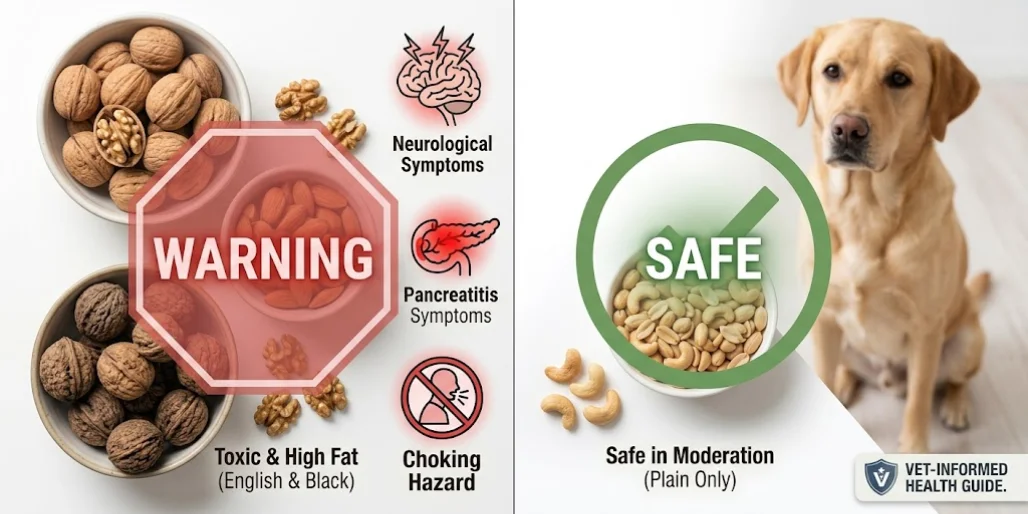
If your dog ate walnuts, several issues could arise. The most immediate concern is the risk of choking or an intestinal blockage, especially with whole nuts and their shells. Beyond the physical obstructions, the high fat content in walnuts can cause stomach upset, leading to symptoms like vomiting and diarrhea. In susceptible dogs, this high fat content can even trigger pancreatitis, a serious inflammation of the pancreas.
Types of Walnuts: Common vs. Black Walnut
It’s important to distinguish between the types of walnuts. English walnuts, which are the common walnuts you find in stores, are bad for dogs primarily due to their high fat content and the potential for mold. However, black walnuts are particularly toxic to dogs. These nuts contain a compound called juglone, which can cause severe neurological symptoms like tremors and seizures, a condition known as black walnut toxicity.
Why Dogs Should Not Eat Walnuts
Dogs should not eat walnuts because they pose several serious health risks. Beyond the choking hazard and the digestive upset from the high fat content, moldy walnuts can be extremely dangerous. Mold found on walnuts can contain tremorgenic mycotoxins, which can cause neurological symptoms like tremors and seizures, making them a significant poisoning risk. It’s best to avoid walnuts as a snack for your pup to prevent these harmful outcomes.
Signs of Walnut Toxicity in Dogs
Common Symptoms to Look Out For
If your dog ate walnuts, you might observe a range of concerning symptoms. Beyond general digestive upset like vomiting and diarrhea, which can stem from the high fat content, more severe signs can indicate a serious problem. Look out for lethargy, loss of appetite, and abdominal pain. If your pup has ingested moldy walnuts, you may see neurological symptoms such as tremors, uncoordinated movements, or even seizures due to the tremorgenic mycotoxins.
When to Contact Your Vet
You should contact your vet immediately if you suspect your dog has eaten walnuts, especially black walnuts or any moldy walnuts. Don’t wait for symptoms to appear, as early intervention can be critical. Even if your dog seems fine, it’s always best to call your veterinarian. Provide them with as much detail as possible, including the type of walnut, the quantity consumed, and when it happened, to help them assess the risk of toxicity.
Immediate Actions for Dog Owners
If your dog has eaten walnuts, the first step for dog owners is to remain calm and assess the situation. Try to determine the type of walnut and how many your dog might have consumed. Do not try to induce vomiting at home unless specifically instructed by a veterinarian, as this can sometimes cause more harm. Instead, secure any remaining walnuts to prevent further ingestion and prepare to take your pup to the vet clinic.
Veterinary Advice and Treatment Options
How Vets Diagnose Walnut Toxicity
When you take your dog to the vet, they will begin with a thorough physical examination. To diagnose walnut toxicity, your vet will consider the symptoms your dog is exhibiting, the history of walnut ingestion, and potentially run diagnostic tests. Blood tests may be performed to check for pancreatitis, while imaging like X-rays might be used to rule out an intestinal blockage caused by the walnut shell or whole nuts.
Treatment Protocols for Affected Dogs
Treatment protocols for affected dogs will vary depending on the severity of the symptoms and the type of walnut toxicity. For digestive upset, supportive care like fluid therapy and anti-nausea medication may be given. In cases of black walnut toxicity or moldy walnuts causing neurological symptoms, treatment might include muscle relaxants or anti-seizure medication. The vet may also administer activated charcoal to help absorb toxins if ingestion was recent, preventing further harm.
Preventing Future Incidents
The best way to prevent future incidents is to avoid walnuts altogether. Ensure that no walnut trees are accessible to your dog in your yard or on walks, as fallen nuts can be a tempting treat for curious pups. Be vigilant about keeping all types of nuts, especially English walnuts and black walnuts, out of your dog’s reach. It’s a good practice to always supervise your dog, and remember that while some nuts are safe, many, like walnuts, are not. For more information on what nuts your dog can and can’t eat, check out our guide on Nuts & Seeds Dogs Can and Can’t Eat. At Pawandbreeds, we’re dedicated to helping you keep your furry friends safe and healthy.
Alternatives to Walnuts for Dogs
Safe Nuts and Treats for Your Pup
If you’re looking for safe nuts and treats for your pup, it’s crucial to understand which options are harmless and which pose a risk. While walnuts are toxic to dogs and should be avoided, some nuts are safe in moderation. For instance, peanuts are generally safe if unsalted and shelled, as are cashews and pistachios, provided they are plain and given sparingly. Always ensure nuts are free from mold and any added seasonings, as these can be harmful.
Healthy Snack Options for Dogs
Beyond nuts, there are plenty of healthy snack options that dogs can enjoy without any risk. Many fruits and vegetables make excellent treats, such as apple slices (without seeds), carrots, green beans, and blueberries. These snacks provide valuable nutrients and fiber, contributing to your dog’s overall health. Always introduce new foods slowly and in small quantities to avoid any digestive upset.
Resources for Dog Owners
As responsible dog owners, staying informed about what your pup can and cannot eat is paramount. There are numerous resources available to help you make the best choices for your furry friend. Reputable veterinary websites, pet nutrition guides, and even your local vet clinic can provide valuable information. Remember, a little research can go a long way in preventing harmful situations and ensuring your dog’s well-being.
Conclusion
Final Thoughts on Dogs and Walnuts
In summary, if your dog ate walnuts, it’s a serious concern due to the risk of toxicity, especially from black walnuts and moldy walnuts. These nuts can cause stomach upset, neurological symptoms like tremors and seizures, and even life-threatening conditions like pancreatitis or an intestinal blockage. The high fat content alone is bad for dogs, and the potential for mold to contain tremorgenic mycotoxins makes them particularly dangerous. It’s always best to avoid walnuts and keep them far out of reach.
Additional Resources for Dog Owners
For further peace of mind and to expand your knowledge on canine nutrition and safety, there are many additional resources for dog owners. Consulting with your veterinarian is always the first step if you suspect your dog has ingested something harmful. Additionally, reliable online pet health guides and articles can offer comprehensive insights into various dog-safe and toxic foods, helping you to make informed decisions for your pup’s diet and well-being.
Learn More at Pawandbreeds
To continue exploring ways to keep your beloved canine companion healthy and safe, learn more at Pawandbreeds. We offer a wealth of information on dog care, nutrition, and common health concerns. Our goal is to provide dog owners with the knowledge they need to ensure their pups live long, happy, and healthy lives, free from the risks of harmful foods like walnuts.
FAQ
Q: My dog ate walnuts, should I panic?
A: Okay, don’t full-on panic, but you do need to pay attention. Walnuts aren’t as scary as something like chocolate or grapes, but they’re definitely not a safe snack for your four-legged buddy. If your pooch just grabbed a small piece that fell on the floor, it’s probably not a huge deal. But if they scarfed down a bunch, you’ll want to keep an eye on them and maybe call your vet asap just to be safe.
Q: Are walnuts actually bad for dogs?
A: Yeah, walnuts are bad for dogs for a few reasons. First off, they’re high in fat, which can trigger inflammation of the pancreas in susceptible dogs (this is called pancreatitis and it’s no joke). Walnuts can also grow a mold that produces a toxin called juglone, which is nasty stuff. And let’s not forget the physical risk of choking or intestinal blockage since dogs tend to gulp food down without chewing properly.
Q: What symptoms should I watch for after my dog eats walnuts?
A: Keep an eye out for things like vomiting, diarrhea, lethargy, or your dog acting unusually restless. Some dogs will drool excessively or pant more than normal if they’re feeling sick or in pain. If you notice tremors, seizures, or any other severe symptoms, don’t wait around, get to the vet immediately.
Q: Can walnuts cause vomiting in dogs?
A: Definitely, walnuts can cause vomiting pretty easily, especially if your dog ate a moldy walnut or just ate too many at once. The high fat content alone can upset their stomach and lead to throwing up. If the vomiting continues for more than a few hours or seems really intense, that’s your cue to call the vet.
Q: Is it true that walnuts can cause an intestinal blockage?
A: Yep, this is actually one of the bigger concerns with walnuts. The shells especially are hard and can splinter, and if your dog swallows large chunks, it can cause an intestinal blockage. This is a serious situation that sometimes requires surgery, so if your dog is straining to poop, seems bloated, or is vomiting repeatedly, get them checked out right away.
Q: What about black walnuts found outside, are those worse?
A: Oh yeah, black walnuts found outside (like the ones a squirrel might be burying in your backyard) are actually more dangerous than the walnuts you’d buy at the store. They’re more likely to be moldy and contain higher levels of that toxin called juglone we mentioned earlier. If you’ve got a black walnut tree in your yard, it’s smart to keep your dog away from that area entirely.
Q: My dog only had small amounts of walnut, is that still risky?
A: Honestly, small amounts of walnut are usually not fatal and most dogs will be totally fine. The real danger comes from eating a lot, eating moldy ones, or swallowing sharp shell pieces. That said, every dog is different, so if you’re not sure how much they ate or you’re seeing any weird symptoms, it doesn’t hurt to check in with your vet.
Q: Do walnuts have salt or sodium that could hurt my dog?
A: Some walnuts, especially the flavored or roasted ones you’d snack on yourself, are coated in salt. Too much sodium isn’t great for dogs and can lead to excessive thirst, urination, or in extreme cases, sodium poisoning. Plain raw walnuts have way less salt, but honestly, it’s best to just avoid giving your dog any type of walnut altogether.
Q: How can I keep my dog away from walnuts for good?
A: Best bet is just to keep walnuts stored somewhere your pooch can’t reach, like a sealed container in a cabinet, not on the counter. If you’ve got walnut trees outside, regularly clean up any fallen nuts so your dog isn’t tempted to snack on something a squirrel left behind. Training a solid “leave it” command also goes a long way in these situations.
Q: When should I actually call the vet after my dog eats walnuts?
A: If your dog ate more than just a tiny nibble, showed any severe symptoms like repeated vomiting, seizures, or extreme lethargy, or if you suspect they swallowed shell pieces, call your vet asap. It’s always better to make that call and be told it’s fine than to wait and have things get worse.