A delightful and common treat, peanut butter often brings joy to our furry friends. But as responsible pet owners, it’s natural to wonder if this popular spread is truly safe and beneficial for our canine companions. Let’s delve into everything you need to know about feeding peanut butter to your dog.
Understanding Peanut Butter for Dogs
What is Peanut Butter?
Peanut butter is a spread made from roasted peanuts, often ground into a smooth or crunchy paste. While it’s a staple in many human diets, not all types of peanut butter are safe for dogs. It’s crucial to be aware of certain ingredients, particularly artificial sweeteners, that can be highly toxic to dogs, ensuring that the peanut butter you offer is suitable for their consumption.
Benefits of Eating Peanut Butter
Many dogs love peanut butter, and in moderation, it can be a delightful treat. Peanut butter contains healthy fats and protein, which can be beneficial in small amounts as part of your dog’s diet. It can also be a fantastic way to hide medication, making pill time much easier for both you and your beloved pet, and many dogs find the taste irresistible.
How Much Peanut Butter Can Dogs Eat?
When considering how much peanut butter your dog can eat, moderation is key. While dogs can eat peanut butter, giving them too much can lead to weight gain due to its high fat content. Small amounts are generally safe for dogs, but it’s essential to ensure the peanut butter is safe for dogs to eat by checking the label for harmful ingredients.
Is Peanut Butter Safe for Dogs?
Peanut Butter Is Safe: Fact or Myth?
It’s a fact that peanut butter is safe for dogs, but with a big caveat: it depends entirely on the ingredients. While dogs can eat peanut butter and many dogs love peanut butter, not all types are created equal. The safety of peanut butter for dogs hinges on avoiding harmful additives, especially the artificial sweetener xylitol, which is highly toxic to dogs. Always check the label before offering peanut butter to your dog.
Peanut Butter Brands Containing Xylitol
The biggest danger when dogs eat peanut butter comes from xylitol. This artificial sweetener, often found in sugar-free products, can cause a rapid drop in blood sugar, liver failure, and can even be fatal for dogs. It’s crucial to be aware that many peanut butter brands now contain xylitol, so always scrutinize the ingredient list. If you suspect your dog has ingested peanut butter with xylitol, contact your veterinarian immediately.
Choosing the Right Peanut Butter
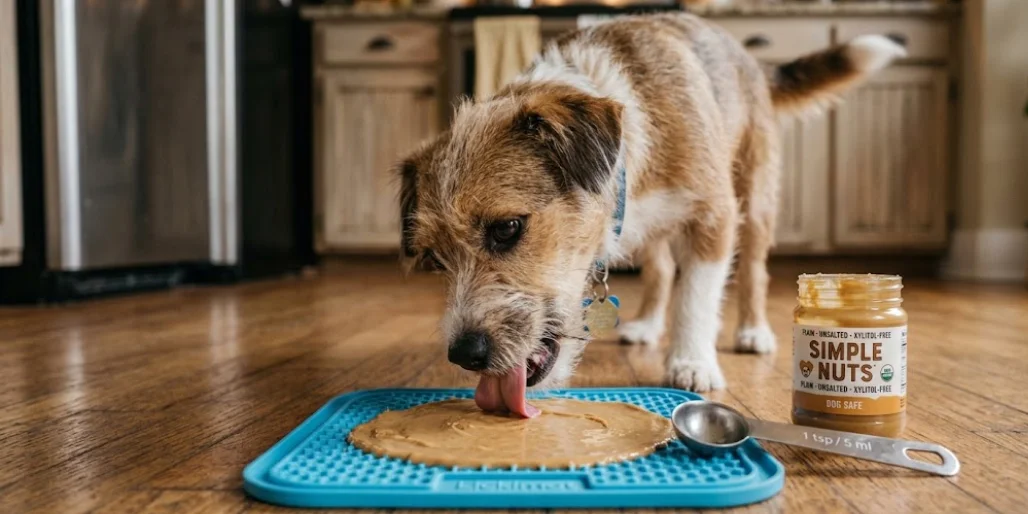
Choosing the right peanut butter means looking for a natural peanut butter that is safe for dogs to eat. Opt for brands with simple ingredients: just roasted peanuts, and maybe a little salt. Avoid any peanut butter containing xylitol, added sugar, or other artificial sweeteners. It’s best to select a dog-specific peanut butter or one that explicitly states it’s safe for dogs.
Feeding Peanut Butter to Your Dog
How to Safely Introduce Peanut Butter
When introducing peanut butter to your dog, start with very small amounts to see how they react. While dogs can eat peanut butter, some might experience digestive upset if given too much, or if they have a sensitivity. A lick on a spoon or a tiny dollop in a puzzle toy is a good starting point. Remember that moderation is key, as peanut butter is high in fat.
Homemade Peanut Butter Recipes for Dogs
Making your own homemade peanut butter is a fantastic way to ensure it’s safe for dogs. All you need are roasted peanuts – no salt, no sugar, and definitely no xylitol. Simply blend the peanuts until you achieve a smooth consistency. This way, you have complete control over the ingredients, making it a healthy and delicious dog peanut butter that your furry friend will surely love.
Veterinary Advice on Feeding Peanut Butter
Always consult your veterinarian for advice on feeding peanut butter to your dog, especially if your dog has underlying health conditions like pancreatitis or is prone to weight gain. They can offer personalized guidance based on your dog’s specific needs and dietary requirements. While peanut butter can be a great treat for dogs, it’s always best to get professional veterinary advice to ensure it’s a suitable part of your dog’s diet. For more information on what nuts are safe, check out our guide on nuts and seeds.
Common Concerns and Precautions
What to Avoid When Feeding Peanut Butter
When feeding your dog peanut butter, the absolute number one thing to avoid is any product that contains xylitol. This artificial sweetener is highly toxic to dogs and even small amounts can lead to a rapid drop in blood sugar, seizures, and liver failure. Always check the label meticulously, as many “sugar-free” or “reduced sugar” peanut butter products contain xylitol. Beyond xylitol, it’s best to steer clear of peanut butter with added sugar, excessive salt, or other artificial flavors and preservatives, as these can contribute to weight gain and other health issues.
Signs of Peanut Butter Allergies in Dogs
While rare, some dogs can have an allergy to peanut butter. If your dog experiences digestive upset like vomiting or diarrhea after eating peanut butter, or shows signs such as skin itching, redness, or swelling of the face, contact your veterinarian immediately. These could be indicators of an allergic reaction. When first introducing peanut butter to your dog, it’s wise to start with a very small amount and observe them closely for any unusual symptoms before offering more.
Alternatives to Peanut Butter for Dogs
If you’re concerned about your dog eating peanut butter, or if your dog has an allergy, there are plenty of safe and healthy alternatives. You can offer plain mashed pumpkin, unsweetened applesauce, or even pureed carrots as tasty and beneficial treats. Many dogs love yogurt (plain, unsweetened) or specific dog treats designed for safe consumption. These alternatives can provide similar enrichment and a delicious snack without the worry of xylitol or high fat content, making them a great choice for your dog’s health.
Conclusion
Final Thoughts on Dogs and Peanut Butter
In conclusion, dogs can eat peanut butter safely, but only with careful consideration of the ingredients and in moderation. It’s crucial to ensure the peanut butter you offer does not contain xylitol, which is highly toxic to dogs. Opt for natural peanut butter with just peanuts as the ingredient, or make homemade peanut butter to be absolutely sure it’s safe for dogs to eat. While many dogs love peanut butter and it can be a useful tool for giving medication or as a high-value treat, always prioritize your dog’s health by limiting intake due to its high fat content and consulting your veterinarian for any specific dietary concerns.
Additional Resources: Nuts & Seeds Dogs Can and Can’t Eat
For those looking to expand their knowledge on safe snacks for their furry friends, we highly recommend checking out our comprehensive guide on nuts and seeds. This resource provides valuable information on which nuts and seeds are safe for dogs and which ones to avoid, offering further insights beyond just peanut butter. It’s a great way to ensure your dog’s diet remains healthy, balanced, and free from harmful ingredients, providing you with peace of mind.
About Pawandbreeds
At Pawandbreeds, we are dedicated to providing pet owners with reliable and up-to-date information to help them make the best decisions for their beloved companions.
FAQ
Q: Can dogs eat peanut butter safely?
A: Yep, most pups can totally enjoy peanut butter as long as it’s the right kind! Peanut butter is generally safe for dogs when it’s plain, unsalted, and doesn’t contain any sneaky harmful additives. Just remember, it should be offered as a treat, not a meal replacement, and dogs in moderation is the golden rule here.
Q: What’s the safest peanut butter to give my dog?
A: The safest peanut butter is plain peanut butter with no added salt, sugar, or weird extra ingredients. Look for stuff that’s basically just ground peanuts. Some brands even make dog-safe peanut butter specifically, which takes the guesswork out of it. Honestly, the simpler the ingredient list, the better for your furry friend.
Q: Why should I avoid peanut butter with xylitol?
A: This one’s super important! You need to avoid peanut butter that contains xylitol, which is a popular sugar substitute in a lot of “healthy” or low-calorie peanut butters. Xylitol causes a dangerous drop in blood sugar in dogs and can lead to low blood sugar, seizures, liver failure, or worse. Always check the label before letting your dog eat peanut butter—if you see xylitol anywhere, avoid peanut butter altogether and toss it far away from your pup.
Q: How much peanut butter can dogs eat?
A: It really depends on the size of your dog. Smaller dogs should only get a small lick or tiny spoonful of peanut butter, while large dogs can usually handle a bit more, like a full tablespoon occasionally. Since peanut butter is rich in fat and calories, too much can lead to weight gain or an upset tummy, so moderation is key no matter the size of your dog.
Q: What’s a fun way to give my dog peanut butter?
A: Lots of pet parents love using a lick mat! You just smear a thin layer of peanut butter onto the mat and let your dog lick away. It’s great for slowing down eager eaters, keeping them entertained, and making treat time last longer. You can also stuff peanut butter into puzzle toys for some extra mental stimulation.
Q: Can I make peanut butter at home for my dog?
A: Absolutely, and it’s actually a great option! When you make peanut butter yourself, you have full control over what goes into it, so you can skip the salt, sugar, and preservatives. All you really need is peanuts and a food processor. Homemade versions are often considered the best peanut butter option since you know exactly what your dog is eating.
Q: Do all dogs like peanut butter?
A: Most dogs go absolutely bananas for peanut butter—it’s like doggy crack, honestly! That said, every dog is different, and some dogs may have allergies or just not be into it. If it’s your dog’s first time trying it, offer a tiny bit first and watch for any weird reactions like itching, swelling, or tummy troubles.
Q: Is peanut butter suitable for dogs with health issues?
A: It depends on the condition. Peanut butter is rich in fat, so dogs with pancreatitis, obesity, or other health issues might need to avoid it or only have tiny amounts under vet guidance. If your pup has diabetes or any blood sugar issues, you definitely want to double check ingredients and portion size before sharing any peanut butter with them.
Q: How is peanut butter created, and does that affect safety?
A: Peanut butter is created by roasting and grinding peanuts into a smooth or crunchy paste, sometimes with added oils, salt, or sugar depending on the brand. The way it’s made totally affects whether it’s suitable for dogs—natural, minimally processed versions are way safer than ones loaded with additives. Always flip that jar around and read the label before sharing!
Q: What’s the bottom line on letting dogs eat peanut butter?
A: The bottom line is that dogs eating peanut butter is totally fine and even fun, as long as you’re smart about it. Stick to plain, xylitol-free options, keep portions appropriate for your dog’s size, and always treat it as an occasional snack rather than a daily habit. Do that, and your pup can enjoy peanut butter safely for years to come!