Cashews are a popular human snack, but when it comes to our furry friends, many pet owners wonder if these creamy nuts are safe. The good news is, in moderation, cashews are generally not toxic to dogs. However, there are important caveats to consider before you give your dog cashews, including potential health risks if they eat too many or if they have certain sensitivities.
Understanding Cashews
What Are Cashews?
Cashews are kidney-shaped seeds that come from the cashew tree, native to tropical regions. While often referred to as nuts, botanically they are classified as seeds. They are a common human food enjoyed for their rich, buttery flavor and versatile use in cooking and snacking. Unlike some nuts that are toxic to dogs, such as macadamia nuts, cashews do not contain compounds that are immediately dangerous to dogs in small amounts.
Nutritional Benefits of Cashews
For humans, cashews offer a range of nutritional benefits, including healthy fats, protein, and minerals like magnesium and zinc. For dogs, these benefits are less pronounced due to the small quantities they should consume. While cashews contain some good nutrients, the high-fat content means that feeding your dog cashews frequently or in large amounts can lead to problems like obesity and pancreatitis, overshadowing any potential nutritional upside.
Common Uses of Cashews
In human cuisine, cashews are incredibly versatile. They are used in various dishes, from stir-fries and curries to creamy vegan cheeses and desserts. Many people also enjoy them roasted and salted as a snack. However, when considering cashews for dogs, it’s crucial to remember that human-prepared cashews, especially salted cashews or those with added flavorings, are not suitable and can be dangerous for dogs.
Can Dogs Eat Cashews?
Are Cashews Safe for Dogs?
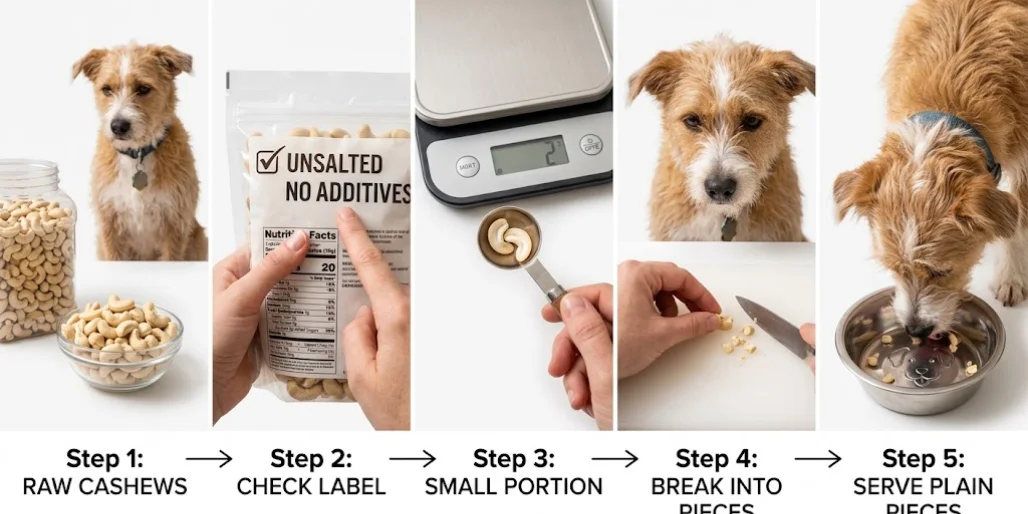
Yes, dogs can eat cashews, but only in strict moderation and under specific conditions. While cashews are not toxic to dogs like macadamia nuts or certain other types of nuts, they do pose other health risks if not given properly. It’s crucial to offer only unsalted cashews and in very small quantities to avoid issues.
What to Do If Your Dog Ate a Cashew
If your dog ate a cashew or a few cashews, don’t panic. The immediate concern is usually the high-fat content, which can lead to an upset stomach. Keep an eye out for signs like vomiting or diarrhea. If your dog ate a large amount, or if they were salted cashews, it’s best to contact your veterinarian for advice, especially if your pup is a small dog or has pre-existing health conditions.
Signs of Allergic Reactions in Dogs
Although rare, dogs can experience an allergic reaction to cashews. Symptoms can range from mild skin irritations like itching or hives to more severe reactions such as facial swelling, difficulty breathing, or anaphylaxis. If you notice any of these signs after your dog ate a cashew, seek immediate veterinary attention. It’s always best to be cautious with any new human food.
Feeding Cashews to Dogs
How Many Cashews Can You Give Your Dog?
When considering how many cashews you can give your dog, the key is extreme moderation. For most dogs, one or two unsalted cashews a week, as an occasional treat, is the absolute maximum. Giving your dog cashews frequently or in larger amounts can lead to weight gain, obesity, and even pancreatitis due to their high-fat content. Remember, cashews contain a lot of calories.
Cashew Butter: Is It Safe for Dogs?
Cashew butter can be safe for dogs, provided it’s natural and contains no added sugars, salts, or artificial sweeteners like xylitol, which is highly toxic to dogs. Just like whole cashews, cashew butter is high in fat, so it should only be given in very tiny amounts, perhaps a lick from a spoon as a rare treat. Always check the ingredients list thoroughly before you feed your dog cashew butter.
Alternatives to Cashews for Dogs
If you’re looking for safe and healthy treat alternatives to cashews for dogs, there are many better options. Cooked lean meats, plain fruits like apples (without seeds) or blueberries, and vegetables such as carrots or green beans make excellent choices. These options provide nutrients without the high-fat risks associated with cashews. For other nut-related queries, check out our guide on Nuts & Seeds Dogs Can and Can’t Eat for comprehensive information on which types of nuts are toxic to dogs and which are safe.
Potential Risks of Feeding Cashews to Dogs
Why Nuts Can Be Dangerous to Dogs
While some nuts are healthy for humans, many nuts can be dangerous to dogs, primarily due to their high-fat content, which can lead to serious gastrointestinal upset, including vomiting and diarrhea, and even more severe conditions like pancreatitis. Certain nuts, such as macadamia nuts and walnuts, are actually toxic to dogs and should never be given to them. It’s always best to be cautious when considering any human food for your furry friend.
Health Risks Associated with Cashews
Even though cashews are not toxic to dogs in the same way as macadamia nuts, they still pose health risks if not given in strict moderation. The high-fat content in cashews can quickly lead to weight gain and obesity, which in turn increases the risk of pancreatitis, a painful inflammation of the pancreas. Furthermore, dogs can experience an allergic reaction, though rare, to cashews, presenting with symptoms ranging from mild skin irritation to severe anaphylaxis. Salted cashews are particularly dangerous for dogs due to the high sodium content, which can lead to sodium ion poisoning.
Preventing Unsafe Foods for Your Dog
Preventing your pup from eating unsafe foods is paramount for their health and well-being. Always store human food, especially things like cashew nuts and other potential hazards, out of your dog’s reach. Educate yourself on what dogs should not eat and what is safe for dogs to eat. If you suspect your dog ate a cashew in a large quantity or anything else potentially harmful, it’s best to contact your veterinarian immediately to get professional advice and ensure your dog’s safety.
Conclusion
Final Thoughts on Dogs and Cashews
In conclusion, while dogs can eat cashews in very small, unsalted amounts, it’s generally best to avoid feeding your dog cashews due to the potential health risks. The high-fat content can cause vomiting, diarrhea, and pancreatitis, and there’s always a slight chance of an allergic reaction. There are many other, safer treats available that provide better nutritional value without the associated dangers.
Referencing Safe Foods for Dogs
Instead of giving your dog cashews, opt for healthier and safer alternatives. Many fruits and vegetables make excellent treats. If you’re looking for more comprehensive information on what dogs can and can’t eat, especially concerning other types of nuts like pistachio or walnut, be sure to consult reliable resources or speak to your veterinarian. Always prioritize your pup’s health with appropriate dietary choices.
About Pawandbreeds
For everything you need to know about keeping your canine companion healthy and happy, from dietary advice to behavioral tips, trust Pawandbreeds.
FAQ
Q: Can I feed my dog cashews without worrying too much?
A: Good news—cashews are nontoxic to dogs, so a nibble here and there isn’t going to send you into panic mode. That said, just because something won’t poison your pup doesn’t mean it’s automatically good for dogs in large amounts. Cashews are high in fat and calories, so they should only be fed in moderation. Think of them as an occasional treat, not a daily snack.
Q: Are all nuts dangerous for dogs, or just some?
A: This is a common mix-up! While people often lump all nuts together and say “nuts are dangerous,” that’s not entirely accurate. Some nuts, like macadamia nuts, are genuinely toxic and can cause serious symptoms. Unlike macadamia nuts, cashews don’t contain the same toxic compounds. However, nuts can also cause stomach upset, especially if your dog eats a big handful at once. So while cashews aren’t in the “dangerous” category, that doesn’t mean every nut gets a free pass.
Q: My dog ate cashew butter—should I be worried?
A: If your dog ate cashew butter, the biggest concern is usually what’s mixed into it. Plain cashew butter in small amounts is generally fine, but many store-bought versions contain added sugar, salt, or even xylitol (a sweetener that’s extremely harmful to dogs). Always check the label before letting your dog eat cashew butter, and if xylitol is listed, contact your vet immediately.
Q: What are the chances of your dog having an allergic reaction to cashews?
A: The chances of your dog developing an allergy to cashews are relatively low, but it’s not impossible. Watch out for symptoms of an allergic reaction like itching, swelling, vomiting, or diarrhea after they eat cashew nuts for the first time. As with giving your dog any new food, it’s smart to start with just one or two cashews and monitor how they react before making it a regular treat.
Q: Can eating too many cashews lead to obesity in dogs?
A: Absolutely, and this is one of the biggest risks with cashews. Because cashews contain a high fat and calorie content, regularly feeding your dog cashews in large amounts can lead to obesity over time. Extra weight puts strain on your dog’s joints, heart, and overall health. If you want to share cashews, keep portions tiny and infrequent.
Q: Is it okay to give my dog mixed nuts instead of just cashews?
A: This is where things get risky. Giving your dog mixed nuts is generally not a good idea because those bags often include almonds, walnuts, pistachios, and sometimes macadamia nuts—which are genuinely harmful to dogs. Even if cashews are safe on their own, a nut mix creates a gamble you don’t want to take. Stick to plain, unsalted cashews only if you’re sharing this snack.
Q: Do cashews actually offer any health benefits for dogs?
A: Surprisingly, yes! Cashews contain antioxidants, along with minerals like magnesium and healthy fats that can support your dog’s skin and coat. That said, these small benefits don’t outweigh the risks if overfed. The high fat content can lead to digestive issues or pancreatitis in sensitive dogs, so moderation really is key here.
Q: What symptoms should I watch for if my dog ate too many cashews?
A: If you believe your dog ate a large quantity of cashews, keep an eye out for vomiting, diarrhea, lethargy, or signs of intestinal discomfort. Because of their high fat content, eating too many cashews can lead to an upset stomach or even pancreatitis, especially in smaller breeds. If symptoms persist or worsen, don’t wait it out—call your vet right away.
Q: Should I call my vet immediately if my dog eats cashews?
A: Not necessarily an emergency, but it depends on the amount. A cashew or two usually isn’t cause for alarm since cashews are nontoxic. However, if your dog ate a large handful, especially salted or flavored ones, it’s worth calling your vet just to be safe. This is also a good reminder of why having pet insurance can be helpful—it takes some of the financial stress out of unexpected vet visits, even for minor incidents like this.
Q: What are the main things you need to know before sharing cashews with your dog?
A: Here’s the quick rundown: cashews are nontoxic, but they’re not exactly a health food for dogs either. The things you need to remember are to always feed plain, unsalted cashews, keep portions small, avoid cashew butter with additives, and never give mixed nuts. Follow these basics and an occasional cashew treat should be totally fine for your pup.