Discover everything you need to know about the Schipperke, a small but mighty breed with a rich history and unique personality. This guide covers its origins, physical traits, temperament, and the official breed standard.
Overview of the Schipperke
The Schipperke is a spirited and mischievous small dog that makes an excellent companion and watchdog. Often called the “Little Black Devil” due to its independent nature and solid black coat, this Belgian breed possesses a distinct spitz-like appearance and an alert demeanor. Understanding its unique characteristics is key to appreciating this fascinating breed.
History and Origin in Belgium
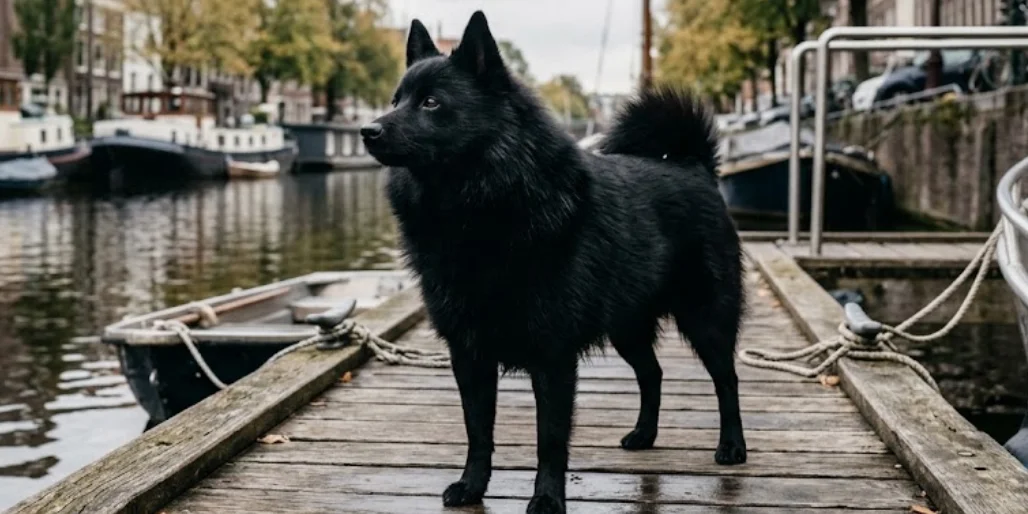
The history of the Schipperke dog breed traces back to 17th century Belgium, specifically around 1690, where they were originally working dogs on barges and docks. These agile and intelligent dogs served as excellent vermin hunters, keeping rats and other pests off the cargo, earning them the nickname “barge dog.” This breed’s Belgian origins are deeply intertwined with its industrious past.
Physical Characteristics of the Schipperke
The Schipperke is a robust, small dog breed known for its distinctive appearance. They have a compact body, a fox-like face with a pointed muzzle, and often a docked tail, although natural bobtails can occur. Their double coat is a defining feature, with a dense undercoat and a harsher outer coat, forming a unique ruff around their neck and culottes on their hindquarters.
Personality Traits of the Little Black Devil
Known as the “Little Black Devil,” the Schipperke possesses a bold, confident, and often mischievous personality. They are incredibly alert and make excellent guard dogs, always ready to sound the alarm. While loyal and affectionate with their families, they can be aloof with strangers, reflecting their independent working dog heritage.
Schipperke Breed Standard
Adhering to the breed standard is crucial for maintaining the integrity and health of the Schipperke breed. Established by kennel clubs, the breed standard outlines the ideal physical traits and temperament, guiding breeders and judges. It ensures that breeders work toward preserving the unique characteristics that define the Schipperke.
Size and Weight Requirements
According to the American Kennel Club (AKC) breed standard, the Schipperke is a small breed, typically weighing between 10 to 16 pounds. Their compact size and sturdy build contribute to their agility and endurance. Proper balance in their frame, with well-proportioned front legs and forelegs, is essential for maintaining their characteristic gait and athleticism.
Coat and Color Specifications
The Schipperke’s double coat is a hallmark of the breed, requiring specific attention to maintain its unique texture and appearance. The breed standard specifies a solid black coat, though some slight variations in shade are acceptable. The dense undercoat provides insulation, while the harsher outer coat, forming a distinctive ruff and culottes, gives the Schipperke its unmistakable silhouette.
Temperament Guidelines
The Schipperke’s temperament, as outlined in the breed standard, emphasizes intelligence, alertness, and a loyal yet sometimes independent nature. A well-bred Schipperke should exhibit confidence without aggression and possess a lively, inquisitive spirit. While they are known for being excellent watchdogs, an ideal Schipperke should also be adaptable and responsive to its owners.
Grooming the Schipperke
Brushing and Maintenance Tips
To maintain the distinctive double coat of your Schipperke, regular brushing is essential. A weekly brushing session, ideally with a slicker brush and a metal comb, will help remove loose hair and prevent matting, especially during the spring and fall shedding seasons when they “blow” their undercoat. This consistent grooming routine will keep their solid black coat looking its best and healthy.
Bathing Frequency and Techniques
Schipperkes don’t require frequent bathing due to their natural oils that repel dirt, but a bath every 6-8 weeks, or when visibly dirty, is usually sufficient. When you groom your Schipperke, use a dog-specific shampoo and ensure you rinse thoroughly to avoid skin irritation. Proper drying, especially of their dense undercoat, is crucial to prevent skin issues.
Ear and Nail Care
Regular ear checks and cleaning are important for your Schipperke to prevent infections, especially for a breed with their activity level. You should also trim their nails every 3-4 weeks to prevent overgrowth, which can lead to discomfort and potential balance problems. This routine care is part of being a responsible Schipperke owner and contributes to their overall well-being.
Training and Socialization for Schipperkes
Basic Commands and Obedience Training
Training a Schipperke requires consistency and positive reinforcement due to their intelligent and sometimes mischievous nature. Starting with basic commands like “sit,” “stay,” and “come” from a young age is crucial. Their innate desire to please, combined with their sharp minds, makes them quick learners, though their independent streak means you’ll need to be patient and engaging.
Socialization Needs and Recommendations
Early and extensive socialization is vital for a well-adjusted Schipperke. Exposing your Schipperke dog to various sights, sounds, people, and other dogs from puppyhood helps them develop into confident companions and prevents them from becoming aloof with strangers. Puppy classes and controlled playdates are excellent ways to foster good social skills for this intelligent small dog breed.
Common Behavioral Issues
Schipperkes are known for their watchdog tendencies, which can sometimes manifest as excessive barking if not properly managed. Their high prey drive means they might chase small animals, so off-leash training in secure areas is essential. Addressing these common behavioral issues early with consistent training and mental stimulation is key to living harmoniously with your “Little Black Devil.”
Health Considerations for Schipperkes
Common Health Problems
Like many small dog breeds, Schipperkes can be prone to certain health issues, though they are generally considered a robust breed. One concern for Schipperke owners is Patellar Luxation, where the kneecap slips out of place, potentially causing discomfort and mobility problems. Another more serious, though rarer, genetic condition is Mucopolysaccharidosis Type IIIB (MPS IIIB), which affects metabolism and can have significant health implications. Responsible breeders strive to screen for these conditions to ensure the health of their Schipperke puppies.
Preventative Care and Regular Check-ups
To maintain the well-being of your Schipperke dog, preventative care and regular veterinary check-ups are essential. Annual visits to the vet allow for early detection of potential health problems, ensuring your “little black devil” stays as healthy as possible. This includes routine vaccinations, parasite control, and dental hygiene, which are crucial for this active and agile breed. Your vet might also recommend specific screenings, like a thyroid panel or an ophthalmologist evaluation, as your Schipperke ages.
Life Expectancy and Aging
Schipperkes typically enjoy a relatively long life expectancy, often living between 12 to 15 years, and sometimes even longer, thanks to their generally healthy genetic makeup and sturdy build. As your Schipperke ages, you might notice changes in their activity levels, vision, or hearing, which are natural parts of the aging process. Continuing with regular veterinary care and adapting their daily exercise routine will help ensure your beloved Schipperke enjoys a comfortable and happy senior life.
Conclusion
Final Thoughts on the Schipperke
The Schipperke is truly a unique and captivating small dog breed, often described as a “little black devil” due to its mischievous yet loyal personality. From its origins as a Belgian barge dog, this alert and intelligent watchdog has evolved into a beloved companion. With its distinctive double coat, fox-like muzzle, and an independent spirit, Schipperkes make excellent guard dogs and provide endless entertainment for experienced owners who appreciate their vibrant character and need for consistent training and socialization.
Learning More Through the Dog A-Z Breeds Guide
If you’re fascinated by the Schipperke and eager to explore other dog breeds, our comprehensive Dog A-Z Breeds Guide offers an incredible resource. It provides detailed information on various breeds, covering their history, temperament, and care requirements. Whether you’re researching potential new family members or simply expanding your canine knowledge, the guide is an invaluable tool for any dog enthusiast.
About Pawandbreeds
At Pawandbreeds, we are dedicated to providing accurate and helpful information for dog owners and enthusiasts alike. Our goal is to empower you with the knowledge needed to understand, care for, and appreciate dogs of all shapes and sizes. We believe that a well-informed owner leads to a happy and healthy dog.
FAQ
Q: What exactly is a schipperke dog and where does it come from?
A: So a schipperke dog is basically a little dog that falls into the spitz family, originally bred in Belgium (Flemish region, to be exact) to hang out on barges and farms as a watchdog and ratter. Yeah, this small size pup has a legit ratting history! Legend says Queen Marie-Henriette herself fell in love with the breed back in the day, which helped make it super popular. Despite the tiny size, these guys have a big dog attitude packed into a compact body.
Q: Do schipperkes have a tail, or are they born without one?
A: This is probably the most asked question ever lol. Some schipperkes are naturally tailless, while others are born with a tail that used to be docked historically. These days, docking is banned or frowned upon in a lot of places, so you’ll see more schipperkes rocking their natural tail, which can be curled or have a slight slope to it. Whether your pup has a full tail or is without a tail, it doesn’t change their personality one bit.
Q: Why are schipperkes always described as black dogs?
A: Great question! Traditionally, the breed standard calls for a solid black dog, and that’s still the most common coat pattern you’ll see at shows. But honestly, schipperkes can also come in other colors like cream, fawn, or even black and tan combos, depending on the country and breed club rules. Still, if you picture a schipperke, your brain probably goes straight to that classic black coat look.
Q: What’s the deal with their coat? Does it need a lot of grooming?
A: Their coat is honestly one of their coolest features. Schipperkes have a unique coat that includes a thick undercoat plus a medium length topcoat, with extra furry bits around the neck called a “jabot” (fancy word, right?). Daily brushing isn’t really necessary, but you’ll want to brush more often during shedding season since they blow their coat twice a year. Outside of that, their adult coat is pretty low maintenance compared to other breeds.
Q: Are schipperkes easy to train and housebreak?
A: They’re smart cookies, but also stubborn little goofballs. Positive reinforcement training works best with schipperkes since they don’t respond well to harsh corrections. When it comes to being able to housebreak them, consistency is key—crate training and a solid routine will get you there faster. Because of their smarts, they also need mental enrichment like puzzle toys or training games, or else they get bored and destructive.
Q: Do schipperkes bark a lot?
A: Oh yeah, big time. Because of their history as farm watchdogs, schipperkes like to bark to alert their owners about literally everything—squirrels, mail carriers, weird noises, you name it. Early training can help manage the barking, but don’t expect a silent little dog, because barking is kind of their whole vibe.
Q: What health problems are common in the schipperke breed?
A: Like most breeds, schipperkes can have some hereditary issues. The biggest ones to watch for are patella problems (luxating patella, where the kneecap slips out of place) and certain genetic disease concerns like thyroid issues or eye conditions. Reputable breeders test for these things, so always ask about health clearances before bringing home a schip.
Q: How big do schipperkes get?
A: Not very big at all! Most schipperkes stand around 12 inches tall at the shoulder, making them a solidly small size dog. Don’t let the tiny stature fool you though, they’ve got a huge personality and act like they’re twice their actual size.
Q: Are schipperkes good with kids and other pets?
A: Generally, yes, especially if socialized early. Since they were originally bred to guard barges and homes, they can be a little wary of strangers at first, but they warm up. They also keep some of their old ratters instincts, so small animals like hamsters or gerbils might trigger their prey drive. Supervision is key, especially in unfenced yards where they might decide to go on a squirrel-chasing adventure.
Q: Is the schipperke a good apartment dog?
A: Totally! Their small size makes them great for apartment life, but remember they like to bark, so you’ll want to work on training if you’ve got close neighbors. They’re active little dogs though, so daily walks and playtime are a must, even if you don’t have a backyard.