Sheepadoodles are a delightful mixed breed, known for their charming personalities and fluffy coats. This guide will help you understand everything about these wonderful dogs, from their temperament to their grooming needs.
Understanding the Sheepadoodle
What is a Sheepadoodle?
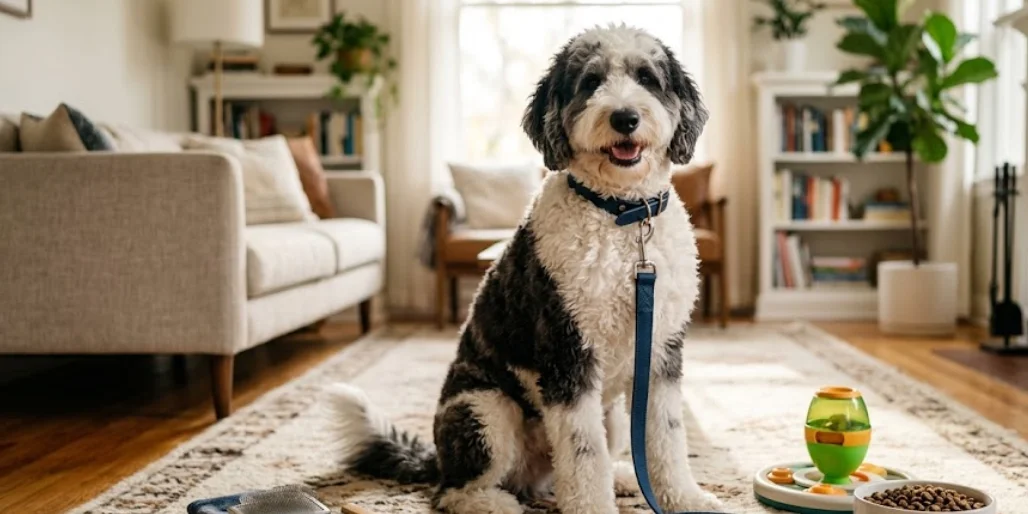
A Sheepadoodle is a captivating crossbreed, resulting from the intelligent pairing of an Old English Sheepdog and a Poodle. This unique combination brings together the best qualities of both parent breeds, creating a wonderful companion for many families. Often referred to simply as a “doodle,” this breed is quickly gaining popularity among dog owners due to its appealing traits and adorable appearance. These dogs are considered a large breed, with standard Sheepadoodles often growing quite substantial, though mini Sheepadoodles are also available for those seeking a smaller companion. The F1 Sheepadoodle is a direct cross, while an F1b Sheepadoodle indicates a backcross to one of the parent breeds, often done to enhance certain characteristics like a low-shedding coat. The Sheepadoodle pup develops into an adult dog with a unique look.
Sheepadoodle Temperament
The Sheepadoodle temperament is generally described as affectionate, playful, and intelligent, making them an excellent family dog. They inherit a desire to please from their Poodle lineage and a loving, gentle nature from the Old English Sheepdog. This delightful mix creates a dog that thrives on human companionship and is eager to be involved in all family activities. They are known for being good with children and other pets, provided they are properly socialized from a young age. However, like all breeds, individual Sheepadoodles may exhibit slight variations in temperament, so it’s always wise to meet the specific Sheepadoodle puppies if you are considering bringing one home. These energetic dogs need plenty of mental stimulation to prevent boredom, which can sometimes lead to undesirable behaviors like excessive barking. A responsible breeder will be able to provide insights into the puppy’s parents’ temperaments, offering a clearer picture of what to expect.
Personality Traits of Sheepadoodles
Sheepadoodles boast a host of endearing personality traits that make them cherished members of any household. They are incredibly loyal and form strong bonds with their families, often shadowing their owners around the house. Their playful nature means they love a good game of fetch or a romp in the yard, making them an ideal companion for active individuals or families who enjoy outdoor activities. This breed also possesses a notable intelligence, which makes them relatively easy to train, especially when positive reinforcement methods are used consistently. Their desire for interaction means they don’t do well when left alone for extended periods and can develop separation anxiety. While generally not aggressive, they can be protective of their loved ones. Early socialization and consistent training are crucial to shaping a well-behaved adult dog. Sheepadoodles are also known for their clownish antics, often bringing laughter and joy to their homes with their quirky and lovable personalities.
Sheepadoodle Care Essentials
Grooming Needs for Sheepadoodles
Sheepadoodles, with their beautiful and often fluffy coats, require dedicated grooming to keep them healthy and looking their best. The Sheepadoodle coat can vary significantly depending on which parent breed’s genes are more dominant, ranging from wavy to curly. Due to the Old English Sheepdog and Poodle lineage, most Sheepadoodles are considered low-shedding, which is a big plus for allergy sufferers. However, a low-shedding coat doesn’t mean no maintenance; it means the hair tends to get caught in the existing coat rather than falling out, leading to mats if not regularly brushed.
Sheepadoodle Grooming Guide
A comprehensive Sheepadoodle grooming guide is essential for any owner of this wonderful mixed breed. Regular grooming, ideally several times a week, is crucial to prevent matting and tangles in their thick coat. This involves thoroughly brushing your Sheepadoodle with a slicker brush and a comb, especially in areas prone to knots like behind the ears, under the legs, and on the tail. Professional grooming every 6-8 weeks is also highly recommended, where a groomer can give your Sheepadoodle a proper trim, clean their ears, and clip their nails.
Feeding Your Sheepadoodle
Feeding your Sheepadoodle a high-quality, balanced diet is fundamental for their overall health and well-being. As a large breed, Sheepadoodles need dog food formulated for larger, energetic dogs, which supports their activity levels and helps prevent common issues like hip dysplasia. It’s important to choose a dry dog food that lists real meat as the first ingredient and avoids excessive fillers. The appropriate portion size will depend on your Sheepadoodle’s age, weight, and activity level, so consulting with your vet for personalized recommendations is always a good idea.
Training Your Sheepadoodle
Basic Training Techniques
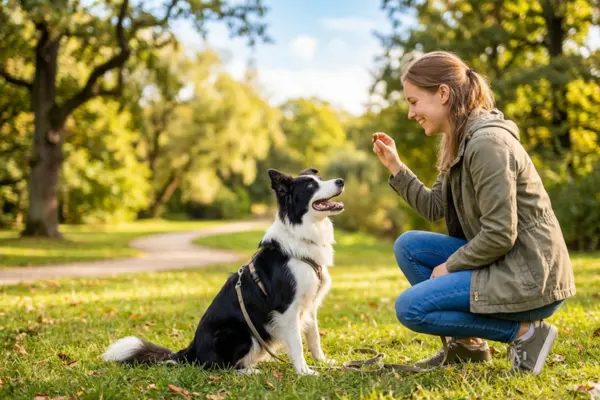
Training your Sheepadoodle should start early and be consistent, leveraging their intelligence and desire to please. Basic training techniques, such as positive reinforcement with treats and praise, work exceptionally well with this breed. Begin with fundamental commands like “sit,” “stay,” “come,” and “down” in a calm environment before gradually introducing distractions. Short, engaging training sessions, rather than long, monotonous ones, will keep your Sheepadoodle pup focused and eager to learn. Remember that consistency from all family members is key to effectively train a Sheepadoodle.
Socialization Tips for Sheepadoodles
Socialization is paramount for Sheepadoodles to ensure they grow into well-adjusted, confident adult dogs. Exposing your Sheepadoodle puppy to a variety of sights, sounds, people, and other friendly dogs from a young age can prevent fear-based behaviors and aggression. Puppy classes are an excellent way to provide structured socialization opportunities. Regularly taking your Sheepadoodle to dog parks (once fully vaccinated), pet-friendly stores, or simply on walks in different neighborhoods can significantly contribute to their social development and help them become a truly affectionate, well-rounded family dog.
Training Challenges
While Sheepadoodles are generally intelligent and eager to please, some training challenges can arise. Their playful nature can sometimes lead to an easily distracted pup, requiring patience and consistent redirection during training sessions. Dealing with behaviors like excessive barking, a common trait in some Old English Sheepdogs, may require specific training methods to manage. Additionally, if not given enough mental stimulation and physical activity, Sheepadoodles may develop destructive behaviors or separation anxiety, emphasizing the importance of a structured routine and plenty of engagement.
Health Considerations
Regular Vet Check-ups
Regular vet check-ups are absolutely essential for maintaining the long-term health and well-being of your Sheepadoodle. Just like with any dog breed, these routine visits allow your veterinarian to catch any potential health conditions early, administer necessary vaccinations, and provide preventative care. Even if your Sheepadoodle seems perfectly healthy, annual check-ups are crucial to monitor their overall health, including their heart, joints, and any changes in their coat or skin. Early detection of issues like hip dysplasia, which can affect larger breeds, can make a significant difference in treatment outcomes and your Sheepadoodle’s quality of life.
Common Health Issues in Sheepadoodles
While Sheepadoodles are generally a healthy dog breed, they can be predisposed to certain common health issues inherited from their parent breeds, the Old English Sheepdog and the Poodle. Owners should be aware of conditions such as hip and elbow dysplasia, which are prevalent in larger dogs. Eye conditions like progressive retinal atrophy, and bloat, a life-threatening condition, can also affect Sheepadoodles. Responsible breeders will screen their adult dogs for these genetic health problems, providing health clearances to ensure they are producing the healthiest Sheepadoodle puppies possible. Understanding these potential challenges allows you to be proactive in your Sheepadoodle’s care.
Sheepadoodle Lifespan
The typical Sheepadoodle lifespan generally ranges from 10 to 12 years, though with excellent care, some may live even longer. Factors influencing their lifespan include genetics, diet, exercise, and consistent veterinary care. Providing your Sheepadoodle with a high-quality diet, regular exercise to maintain a healthy weight, and staying on top of their grooming needs all contribute to a long and happy life. This mixed breed’s robust nature, combined with preventative health measures, can help maximize their time as a cherished member of your family, allowing you to enjoy their playful and affectionate temperament for many years.
Choosing a Sheepadoodle Puppy
Finding a Reputable Breeder
Finding a reputable breeder is perhaps the most crucial step when bringing a Sheepadoodle puppy into your home. A good breeder will prioritize the health and temperament of their Sheepadoodles, conducting thorough health screenings on the parent breeds, the Old English Sheepdog and the Poodle, to rule out genetic health conditions like hip dysplasia. They should be transparent about their breeding practices, welcome visits to see their facility and the Sheepadoodle puppies, and be able to provide references from previous buyers. Avoid breeders who cannot answer your questions thoroughly or seem hesitant to share information about their adult dogs or the Sheepadoodle breed in general.
Cost of Sheepadoodle Puppies
The cost of Sheepadoodle puppies can vary significantly, typically ranging from $1,500 to $3,500, depending on factors such as the breeder’s reputation, the puppy’s lineage, coat color, and location. F1 Sheepadoodles or F1b Sheepadoodles might have different price points based on demand and specific traits like a low-shedding coat. While it might be tempting to opt for a cheaper pup, remember that a higher price often reflects the extensive health testing, quality care, and ethical breeding practices undertaken by a reputable breeder. This initial investment can save you significant costs in veterinary bills later on by ensuring you get a healthy Sheepadoodle pup.
What to Look for in a Puppy
When choosing a Sheepadoodle puppy, observe their temperament and overall health. A healthy puppy should be active, curious, and playful, with clear eyes and ears, and a soft, clean coat. Watch how the Sheepadoodle puppies interact with each other and with people – look for a pup that is outgoing but not overly rambunctious, showing a balanced Sheepadoodle temperament. Ask the breeder about the parent breeds’ temperaments and any health clearances. A well-socialized Sheepadoodle pup will adjust more easily to its new home and become a wonderful family dog, so spending time observing them is key to finding your perfect companion.
Frequently Asked Questions
Common Sheepadoodle FAQs
Sheepadoodles, being a relatively new mixed breed, often spark a lot of questions from prospective dog owners, and understanding these common queries can help you decide if this playful and affectionate family dog is the right fit for your home. Many people ask about their energy levels, and indeed, Sheepadoodles are an energetic dog breed, requiring plenty of mental stimulation and physical activity to thrive. Another frequent question revolves around their size, with Standard Sheepadoodles being a large breed, though Mini Sheepadoodles are also available for those seeking a smaller companion. Their gentle temperament makes them excellent with children, and they generally get along well with other pets, provided early socialization.
Understanding Sheepadoodle Coat Types
Understanding the various Sheepadoodle coat types is crucial for prospective owners, as it directly impacts their grooming needs and potential for shedding. Due to their Old English Sheepdog and Poodle parent breeds, Sheepadoodles can exhibit a range of coats, from wavy and shaggy, often seen in an F1 Sheepadoodle, to more curly coats, particularly in an F1b Sheepadoodle which is backcrossed to a Poodle. The wavy coat is typically a blend of both parent breeds’ textures, while a curly coat often resembles that of a Poodle. Each coat type, whether fluffy or more tightly curled, requires regular grooming to prevent matting and maintain its health and appearance.
Do Sheepadoodles Shed?
The question “Do Sheepadoodles shed?” is a common one, especially for those with allergies, and the good news is that Sheepadoodles are generally considered a low-shedding dog breed. This desirable trait is largely inherited from their Poodle lineage, which contributes to their fluffy, often hypoallergenic coat. While no dog is 100% hypoallergenic, the low-shedding coat of a Sheepadoodle means less loose hair around your home. However, it’s important to remember that a low-shedding coat doesn’t mean no grooming; regular grooming and brushing are still essential to prevent mats and tangles in their thick coat, ensuring it remains healthy and beautiful.
Conclusion
Final Thoughts on Sheepadoodles
Sheepadoodles truly are a remarkable mixed breed, offering a delightful combination of the intelligent Poodle and the gentle Old English Sheepdog. Their affectionate and playful temperament makes them an ideal family dog, thriving on companionship and bringing endless joy to their households. While they do require commitment in terms of regular grooming, consistent training, and plenty of mental stimulation, the rewards of having such a loyal and loving Sheepadoodle dog are immeasurable. For those seeking an energetic, smart, and low-shedding companion, a Sheepadoodle pup can undoubtedly make a wonderful addition to their family, enriching lives with their unique charm and endearing personality.
Explore More in the Dog A-Z Breeds Guide
If you’ve enjoyed learning about the delightful Sheepadoodle and are eager to discover more about various canine companions, we invite you to explore our comprehensive Dog A-Z Breeds Guide. This valuable resource offers in-depth information on a wide array of dog breeds, covering everything from their unique temperaments and grooming needs to their health considerations and origins. Whether you’re interested in large breeds, playful small dogs, or specific mixed breeds, our guide provides the essential details to help you understand and appreciate the incredible diversity of the dog world, assisting you in finding your perfect furry friend.
About Pawandbreeds
Pawandbreeds is dedicated to providing comprehensive and insightful content for dog owners and enthusiasts alike. Our mission is to empower you with the knowledge and resources needed to ensure the well-being and happiness of your beloved canine companions.