
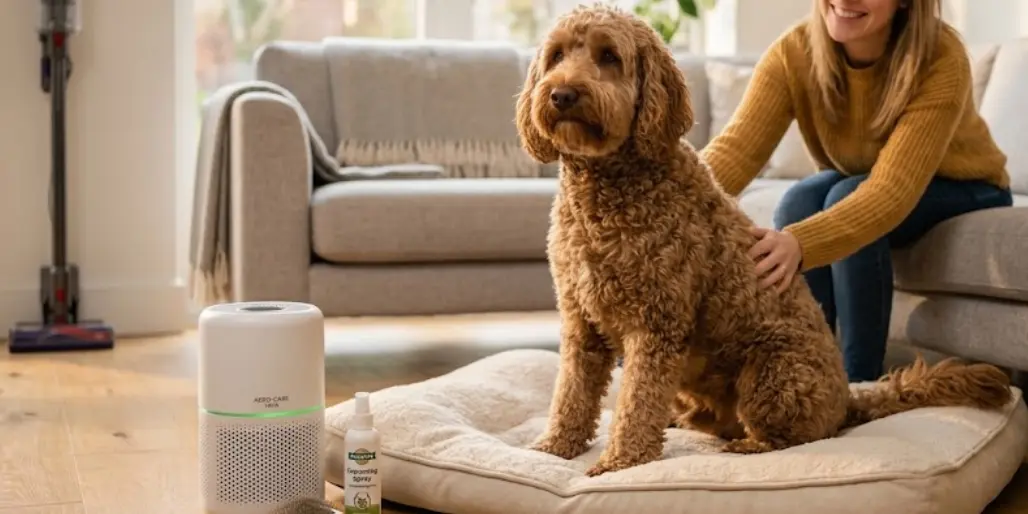
Labradoodles are often considered hypoallergenic, but no dog is completely free of allergens. If you are allergic to dogs, you might still react to their dander, saliva, or urine. However, because this popular doodle mix inherits a low-shedding coat from the poodle, many people with allergies find living with them much easier compared to traditional shedding dogs.
Hypoallergenic Properties
Understanding Hypoallergenic Dogs
When searching for a hypoallergenic dog breed, it helps to understand what actually triggers human sneezes and sniffles. It is rarely just the fur itself, but rather the microscopic dander and proteins clinging to it. A truly allergy-friendly pup typically features a non-shedding coat that traps these particles instead of releasing them all over your furniture.
Do Labradoodles Cause Allergies?
Many individuals wondering if a labradoodle breed can trigger an allergic reaction are surprised by the nuance involved. While labradoodles shed very little, every single dog still produces some level of allergen through saliva and dander. Your specific reaction often depends on whether your curly puppy inherits more traits from the retriever or the poodle.
Comparing Hypoallergenic Breeds
When evaluating a labradoodle vs. other popular family pets, you will notice that coat types vary wildly across generations like an F1 cross. Finding a reputable breeder who understands hypoallergenic coats is essential if you want to bring home a pup that will not aggravate your dog allergies during daily cuddles.
Temperament and Care
Every single labradoodle brings an amazing temperament into your home because they combine the best traits of their two breeds. This mix makes them:
- Highly intelligent
- Good with children
- Very easy to manage as family pets
Whether you are playing in the yard or relaxing on the couch, this delightful dog breed fits right into your daily routine and loves being around people of all ages every single day.
Labradoodle Temperament
The overall temperament of your puppy is typically playful, friendly, and eager to please everyone they meet. Because they inherit smarts from the poodle and loyalty from the Labrador, these dogs adapt quickly to various living situations. You will find that this affectionate companion gets along wonderfully with kids and other animals, making them a fantastic choice for active households looking for a joyful and loving furry friend.
Training Your Labradoodle Puppy
Training your new puppy is an absolute breeze since these animals are extremely trainable and eager to learn new tricks. Starting obedience lessons early helps channel their boundless energy into positive behaviors. When you use consistent, positive reinforcement methods, your smart companion will quickly master basic commands, leash walking, and house manners, turning into a well-behaved adult dog that you can proudly take anywhere you go.
Grooming Needs for Hypoallergenic Dogs
Managing the coat of your low-shedding companion requires regular brushing to prevent mats, especially if your dog has a curly texture. Even though these pets don’t shed much, routine grooming keeps their skin healthy and minimizes trapped pollen or dander. If you want to learn more about allergy-friendly pets, check out our guide on hypoallergenic doodles and poodle mixes for extra tips before getting a pup from PawandBreeds.
Labradoodle vs. Other Breeds
Labradoodle vs. Standard Poodle
When you compare a labradoodle to a standard poodle, you are looking at two incredible choices that are often considered hypoallergenic by many families. Both options work wonderfully for people with allergies who want a smart companion.
| Breed | Key Characteristic |
| Standard Poodle | Refined elegance with a famously curly coat that traps dander effectively |
| Labradoodle | Slightly sturdier frame thanks to its retriever roots |
Labradoodle vs. Other Doodle Breeds
Stacking up your favorite labradoodle against other doodle crosses reveals fascinating differences in coat maintenance and overall temperament. Every single doodle puppy inherits unique traits from its parent breeds, meaning some mix variations might shed a bit more than others.
| Doodle Aspect | Key Consideration |
| Coat Maintenance & Temperament | Varies between labradoodles and other doodle crosses |
| Hypoallergenic Needs | Researching specific generations ensures no sneezing fits |
If you want a dependable hypoallergenic breed, researching specific generations helps ensure your new family member will not trigger any stubborn sneezing fits.
Choosing the Right Hypoallergenic Dog Breed
Finding the ultimate hypoallergenic dog breed for your household requires looking past simple marketing claims and focusing on individual coat types. Whether you choose a pure poodle or a delightful labradoodle, taking time to interact with the puppy beforehand is crucial. No single dog is entirely allergen-free, but choosing a low-shedding companion dramatically reduces airborne dander and keeps your living space much cleaner.
Conclusion
Final Thoughts on Australian Labradoodles
Bringing home an Australian labradoodle is an amazing experience because these wonderful dogs combine high intelligence, loyalty, and a wonderfully allergy-friendly coat into one package. Their friendly temperament and eagerness to please make them fantastic additions to almost any active household. Just remember to commit to regular grooming sessions to keep their beautiful fur free of mats and trapped environmental allergens every single day.
Explore More About Hypoallergenic Doodles
If you are still weighing your options and want to dive deeper into the wonderful world of low-shedding pets, there is plenty more to learn. Understanding how different coat types affect your personal sensitivities ensures you make the best possible choice for your home. Enjoy the journey of finding your dream furry friend and prepare for years of unconditional love and joyful companionship ahead.
About PawandBreeds
Thank you for taking the time to read through our comprehensive guide on these fantastic dogs and their unique coat qualities. We hope this information helps you navigate your journey toward finding the ultimate allergy-friendly companion for your family. For more expert advice, breed comparisons, and helpful resources, be sure to visit PawandBreeds to discover everything you need to know before welcoming your new puppy home.
FAQ
Q: Is every australian labradoodle actually hypoallergenic?
A: While many people with dog allergies do great with them, no dog is truly 100% hypoallergenic. The australian labradoodle often has wonderful hypoallergenic qualities, but they still produce some dander, saliva and urine, which are the main things people are allergic to.
Q: Why is the labradoodle breed considered close to hypoallergenic compared to other breeds?
A: This popular mix usually inherits a coat that traps dander much better than traditional shedding dogs. Because these puppies don’t shed nearly as much as labradors, they are considered close to hypoallergenic compared to other breeds that leave fur all over your furniture.
Q: What makes an australian labradoodle different from a regular mix?
A: The australian labradoodle is much more than just a cross between two dogs. They involve careful breeding of several breeds over generations to lock in traits like a predictable coat, making them a great choice for people with dog allergies who want consistency.
Q: Are poodles are usually the reason these dogs don’t shed?
A: Yes, poodles are usually the ones passing down that fantastic non-shedding coat. When you combine them, you get the perfect mix of brains and beauty, though their curly or wavy fur does require regular grooming to stay mat-free.
Q: Will an australian labradoodle act just like a labrador?
A: Not quite, because their personality is a unique blend. While they share the friendly spirit of labradors, their intelligence and sensitivity often come straight from the pure bred poodle side of the family.
Q: Do these dogs have a high prey drive toward small animals?
A: They generally have a moderate to low prey drive, but it always depends on the individual dog. Because of their heritage, they are usually pretty good with family pets, though you should still introduce them to small animals carefully.
Q: How can I find a healthy puppy with the best hypoallergenic nature?
A: Your best bet is to find a well researched breeder who health-tests their breeding stock. Working with a great heritage breeder ensures you get a puppy that matches your lifestyle and has the best chance of fitting into a home with allergy sufferers.





