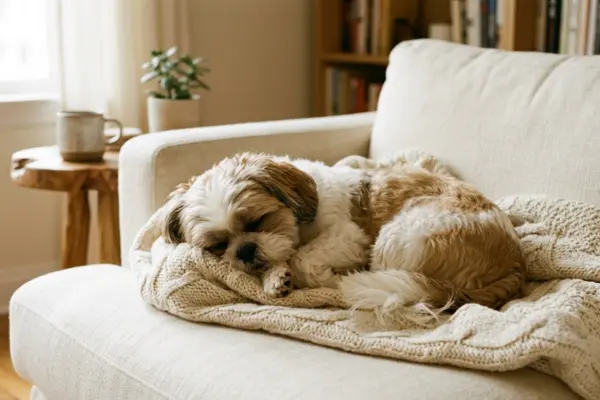
Searching for big dogs that are hypoallergenic usually means wanting a larger dog without the hair. The truthful answer is that no large breed is hypoallergenic, and most popular medium and large breeds shed substantially. The few larger breeds that shed less, such as Standard Poodles, Giant Schnauzers, and Portuguese Water Dogs, are typically suggested for allergic households, but they carry the same caveat as every other dog: allergens come from dander, saliva, and skin proteins, not only from hair.
Part of the Hypoallergenic Dogs directory.
Why larger dogs are harder for allergic households
A larger dog has more skin and coat surface and generally produces more dander and loose hair in absolute terms. Even a breed with a low-shedding coat deposits more material around the home simply because the dog is bigger. That doesn’t make a large dog impossible with allergies, but it raises the stakes of choosing carefully and spending time with the specific dog first.
Golden Retrievers Hypoallergenic
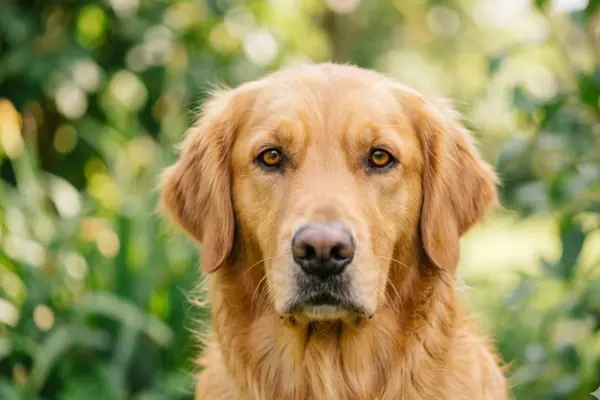
Golden Retrievers have a dense double coat and are heavy shedders, with extra heavy shedding in spring and fall. They are not a good fit for allergic households.
Australian Shepherds Hypoallergenic
Australian Shepherds have a double coat that sheds steadily and sheds more heavily in seasonal blows. They aren’t hypoallergenic, and regular brushing only partly manages the hair.
Samoyeds Hypoallergenic
Samoyeds have a thick, fluffy double coat and are heavy seasonal shedders. Their coat looks high-maintenance because it is, and they are not a low-allergen option.
Huskies Hypoallergenic
Huskies have a dense double coat and blow it out twice a year, producing enormous amounts of loose hair. They are not hypoallergenic.
Pitbulls Hypoallergenic
Pitbull-type dogs have a short coat, which people often assume means low allergen. They still shed year-round and produce dander and saliva proteins, and some are prone to skin problems that increase flaking. A short coat is not the same as a low-allergen coat.
Rottweilers Hypoallergenic
Rottweilers have a short double coat that sheds moderately to heavily, with seasonal increases. They are not hypoallergenic.
Dobermans Hypoallergenic
Dobermans have a short, fine coat and shed lightly to moderately, which is why they sometimes appear on lower-shedding lists. They still produce dander and saliva, so they aren’t hypoallergenic.
Bernese Mountain Dogs Hypoallergenic
Bernese Mountain Dogs have a long, thick double coat and shed heavily all year, with heavier shedding seasonally. They are a poor match for allergic households, which is also why a Bernedoodle with a straighter coat can shed more than people expect.
Cocker Spaniels Hypoallergenic
Cocker Spaniels, including English Cockers, have a silky coat that sheds moderately and needs regular brushing, with the ears prone to matting and infections. They aren’t hypoallergenic.
Beagles Hypoallergenic
Beagles have a short coat, but they shed fairly steadily throughout the year. They are not a low-shedding or low-allergen breed.
Corgis Hypoallergenic
Corgis have a thick double coat and shed heavily, with seasonal blow-outs. They are among the heavier shedders for their size.
Larger breeds commonly suggested for lower shedding
If you want a larger dog and shedding is the main concern, the breeds usually suggested are the Standard Poodle, the Giant Schnauzer, and the Portuguese Water Dog. They shed little and have coats that need regular grooming. The 2012 coat study found that Poodles carried more allergen in their coats than comparison breeds, so even these are not guaranteed.
What drives the spread within this group
- Coat type: double coats shed the most, especially seasonally
- Body size: larger dogs deposit more dander and hair in the home
- Skin health: breeds prone to skin problems may produce more flakes
- The individual dog: reactions vary more between dogs than between breeds
This article is for general information only. Consult an allergist or your doctor before bringing a dog into a home with an allergy or asthma sufferer.