Thinking about bringing an Aussiedoodle into your home? This comprehensive guide will walk you through everything you need to know about this popular mixed breed, from their charming temperament to their unique coat and essential care.
Aussiedoodle Overview
What is an Aussiedoodle?
An Aussiedoodle is a vibrant mixed-breed dog, resulting from the cross between two intelligent and active parent breeds: the Australian Shepherd and the Poodle. These charming dogs are often sought after for their delightful temperament, a blend of their parents’ best traits, and their typically low-shedding coat, which can be a big plus for many families. They are quickly becoming one of the most beloved “doodle” breeds, known for their playful nature and striking looks.
Characteristics of Aussiedoodles
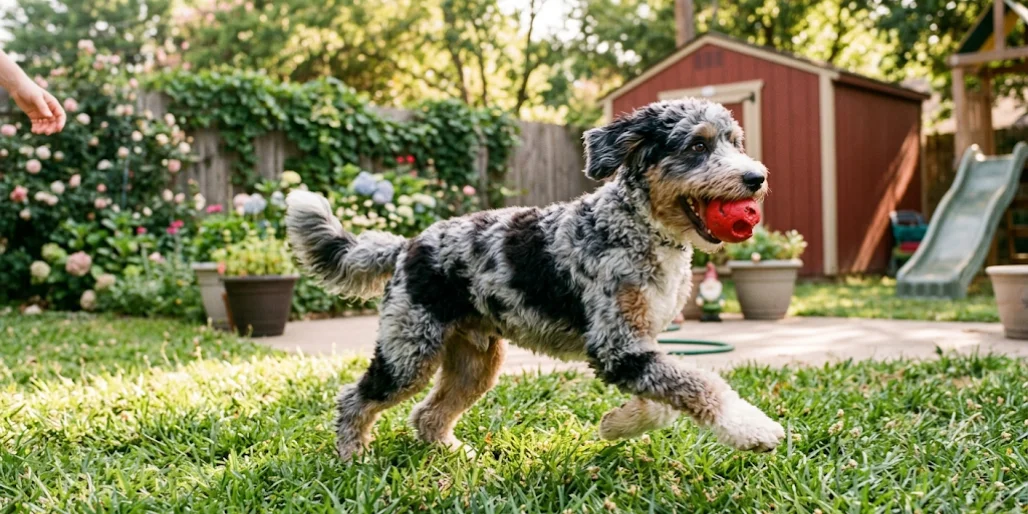
Aussiedoodles are generally known for their high energy level and require plenty of mental stimulation and physical activity to thrive. Their temperament is often described as intelligent, affectionate, and eager to please, making them wonderful companions for active families. The Aussiedoodle coat can vary, ranging from wavy to curly, and is often considered hypoallergenic, though no dog is truly 100% allergen-free. They are also known for their striking merle patterns inherited from the Aussie parent breed.
Parent Breeds: Australian Shepherd and Poodle
The Australian Shepherd brings a strong working background and a natural herding behavior to the Aussiedoodle breed, along with remarkable intelligence and loyalty. On the other hand, the Poodle, whether a standard, miniature, or toy size, contributes its renowned intelligence, elegant appearance, and a low-shedding, curly coat. The combination of these two parent breeds gives the Aussiedoodle its unique blend of intelligence, athleticism, and a charming personality, making them truly special mixed-breed dogs that require consistent training sessions and plenty of engagement.
Aussiedoodle Temperament
Friendly and Social
So, what exactly is the temperament of an Aussiedoodle like, and will it be a good fit for your home? Aussiedoodles are generally known for their incredibly friendly and social nature, making them wonderful companions for individuals and families alike. This breed typically inherits a desire to be around people and other animals from both the Australian Shepherd and Poodle parent breeds. They often thrive on interaction and can become quite attached to their human family members. Their amiable disposition means they usually get along well with children and other pets, provided they are properly socialized from a young age.
Intelligence and Trainability
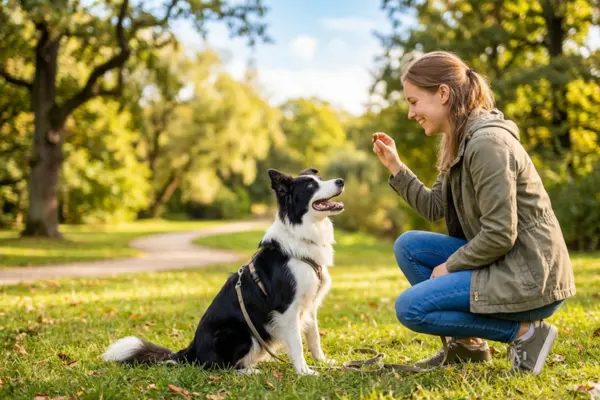
The intelligence and trainability of the Aussiedoodle breed are among their most outstanding traits, thanks to the smart genes passed down from both the Australian Shepherd and Poodle. These bright dogs are eager to please and pick up new commands and tricks with remarkable speed, making training sessions a rewarding experience. They respond exceptionally well to positive reinforcement and thrive on mental stimulation, which is crucial for preventing boredom and potential destructive behaviors. Their high intelligence means they excel in various dog sports and activities, from agility to obedience, showcasing their versatile capabilities.
Common Behavioral Traits
Aussiedoodles often exhibit a blend of behavioral traits inherited from their parent breeds. Many display a strong herding instinct, thanks to the Australian Shepherd, and might try to “herd” family members or other pets, especially when they are puppies. They also possess a high energy level and require significant mental and physical exercise to remain happy and well-behaved. Without adequate outlets for their energy, Aussiedoodles can become bored and develop undesirable habits. Early socialization and consistent training an Aussiedoodle are key to fostering a well-adjusted and well-mannered companion. For further information and to explore other breeds, check out the Pawandbreeds Dog A-Z Breeds Guide.
Aussiedoodle Coat Types
Different Coat Types in Aussiedoodles
So, what are the different coat types in Aussiedoodles, and how does this impact their appearance and care? The Aussiedoodle coat is one of their most distinctive features, inheriting a range of textures from their Australian Shepherd and Poodle parent breeds. You might find an Aussiedoodle puppy with a straight, wavy, or curly coat, with the curly coat being the most common and often sought after for its potential to be more hypoallergenic. The genetic combination from the Poodle often leads to a low-shedding coat, which is a major draw for families dealing with allergies. This mixed-breed dog truly showcases a beautiful variety of coat types.
Coat Care and Grooming Needs
The specific coat care and grooming needs for your Aussiedoodle will largely depend on their particular coat type. Regular grooming is essential for all Aussiedoodles to prevent mats and keep their coat healthy and shiny. A curly coat will likely require more frequent brushing, ideally several times a week, to prevent tangles and matting, especially in areas prone to friction. Professional grooming every 6-8 weeks is often recommended for these doodle dogs to maintain their desired length and style. Even Aussiedoodles with a wavy coat benefit from consistent brushing to remove loose hair and dirt, ensuring their beautiful Aussiedoodle coat remains in top condition.
Shedding and Allergies
Many prospective owners are curious about Aussiedoodle shedding and whether they are truly hypoallergenic. While no dog is 100% hypoallergenic, the Aussiedoodle breed, particularly those with a curlier coat inherited from the Poodle, are generally considered to be low-shedding. This trait makes them a popular choice for individuals and families with mild pet allergies. However, it’s important to remember that individual Aussiedoodle puppies can vary, and some may shed more than others depending on their specific genetics from the Australian Shepherd and Poodle. Regular grooming can further help manage any shedding and keep allergens to a minimum for this charming mixed-breed dog.
Aussiedoodle Size and Health
Size Variations: Standard and Mini Aussiedoodles
What are the size variations in Aussiedoodles, and how does this affect their suitability for different lifestyles? Aussiedoodles come in a range of sizes, primarily categorized as standard, mini Aussiedoodle, and toy, with the standard and mini Aussiedoodles being the most common. A standard Aussiedoodle typically results from a standard Poodle and an Australian Shepherd, growing into a medium to large-sized dog. Mini Aussiedoodles, on the other hand, are bred using a miniature Poodle, making them a more compact option. This size variation allows prospective owners to choose an Aussiedoodle that best fits their living space and activity level, with mini Aussiedoodle puppies being particularly popular for apartment living or smaller homes.
Common Health Issues in Aussiedoodles
While generally a healthy breed, what are the common health issues in Aussiedoodles that potential owners should be aware of? Like all breeds, Aussiedoodles can inherit health conditions from their Australian Shepherd and Poodle parent breeds. Some common Aussiedoodle health risks include hip and elbow dysplasia, eye conditions like progressive retinal atrophy, and certain genetic disorders. A reputable breeder will perform extensive health testing on the parent breed dogs to minimize the chances of these issues in Aussiedoodle puppies. Understanding these potential health conditions is crucial for providing proper veterinary care and ensuring a long, healthy life for your mixed-breed dog.
Health Care Tips for Your Aussiedoodle
Providing optimal health care tips for your Aussiedoodle is key to ensuring they live a long and vibrant life. Regular veterinary care, including vaccinations and routine check-ups, is fundamental to monitor their overall health and catch any potential health issues early. A balanced diet appropriate for their age, size, and activity level, combined with plenty of mental stimulation and physical exercise, will contribute significantly to their well-being. Additionally, staying informed about common Aussiedoodle health concerns and working closely with your vet can help manage any hereditary conditions effectively, giving your Aussiedoodle the best possible chance at a healthy life.
Adopting and Breeding an Aussiedoodle
Finding a Reputable Aussiedoodle Breeder
Finding a reputable Aussiedoodle breeder is absolutely crucial when you are looking to bring one of these charming mixed-breed dogs into your home. A good breeder prioritizes the health and temperament of their Aussiedoodle puppies, performing extensive health testing on the parent breed dogs, the Australian Shepherd and Poodle, to screen for common Aussiedoodle health conditions. They should be transparent about the genetics of their breeding dogs, readily answer all your questions about the Aussiedoodle breed, and allow you to meet the puppy’s parents to observe their temperament and living conditions. This careful selection process ensures you get a healthy and well-socialized Aussiedoodle.
What to Expect When Adopting an Aussiedoodle
When adopting an Aussiedoodle, prepare for an energetic, intelligent, and affectionate companion who will quickly become a cherished family member. This mixed-breed dog has a significant energy level, requiring ample mental stimulation and physical activity to thrive. You should expect regular grooming for their unique Aussiedoodle coat, which can be wavy or curly and may require frequent brushing to prevent mats. Understanding their potential for herding behavior and providing early training sessions with positive reinforcement will help manage their high intelligence and enthusiasm, making the transition smoother for both you and your new Aussiedoodle puppy.
Training Your Aussiedoodle: Tips and Techniques
Training your Aussiedoodle effectively is key to a well-adjusted and happy dog, given their high intelligence and eagerness to please from both the Australian Shepherd and Poodle parent breeds. Start with basic obedience commands early, using consistent positive reinforcement to build a strong bond. These smart Aussiedoodles excel with mental stimulation, so incorporate puzzle toys and varied training sessions to keep them engaged and prevent boredom. Socialization from a young age is also vital to ensure your Aussiedoodle puppy grows into a friendly and confident adult, mitigating any potential herding instincts or excessive energy.
Conclusion
Key Takeaways on the Aussiedoodle Breed
The Aussiedoodle breed offers an exceptional blend of intelligence, affection, and playfulness, making them a fantastic companion for active families. These mixed-breed dogs inherit a unique temperament and a varied Aussiedoodle coat, which can be wavy or curly, from their Australian Shepherd and Poodle parent breeds. Remember that their high energy level demands consistent mental stimulation and physical activity, and their beautiful coat requires regular grooming to prevent mats. Choosing a reputable breeder who performs health testing is paramount to ensuring you welcome a healthy Aussiedoodle puppy into your home.
Resources for Further Reading: Dog A-Z Breeds Guide
For those eager to delve deeper into the fascinating world of dog breeds, including more about the Aussiedoodle and countless other companions, the Dog A-Z Breeds Guide is an invaluable resource. This comprehensive guide provides detailed information on various breeds’ temperament, coat types, grooming needs, health considerations, and training tips. Whether you are researching potential new family members or simply expanding your canine knowledge, the Dog A-Z Breeds Guide offers a wealth of insights to help you understand the diverse characteristics and needs of different dog breeds, making it an essential tool for any dog enthusiast.
Paw and Breeds Brand Mention
For all your pet-related needs, from understanding different breed characteristics to finding the best products for your furry friends, Pawandbreeds offers a wealth of information and resources. Their commitment to pet welfare and comprehensive breed guides, including detailed insights into the Aussiedoodle, makes them a trusted source for pet owners. Whether you are looking for guidance on grooming your Aussiedoodle’s curly coat or seeking advice on managing their energy level, Pawandbreeds is dedicated to supporting you and your beloved companion.\
FAQ’s
Q: What is an aussiedoodle and how does this doodle differ from other mixed breed dogs?
A: An aussiedoodle is a cross between an Australian Shepherd and a Poodle, so it’s a mixed breed dog that blends the aussie’s energy with the poodle’s smarts and low-shedding coat. Unlike some other cross breeds, aussiedoodles often inherit herding instincts, high trainability, and playful personalities — think of this as an aussiedoodle guide to what to expect rather than a strict breed standard.
Q: What should I know about aussiedoodle personality and typical aussiedoodle traits?
A: Aussiedoodle personality tends to be friendly, energetic, and eager to please. Common aussiedoodle traits include strong loyalty, intelligence, and a need for mental stimulation. They can be affectionate family dogs but do best with exercise and training to channel that smart aussie brain.
Q: How much does an aussiedoodle cost and are there differences for a mini aussiedoodle or miniature aussiedoodle?
A: Aussiedoodle cost varies by breeder, lineage (like F1 aussiedoodle vs. multigenerational), and size. A mini aussiedoodle or miniature aussiedoodle usually costs more due to demand and breeding complexity. Expect additional costs for vaccinations, spay/neuter, microchipping, and ongoing care — check reputable aussiedoodle breeders or breed club resources for realistic pricing.
Q: What are the basics of aussiedoodle grooming and how often should I be grooming an aussiedoodle?
A: Grooming an aussiedoodle depends on coat type — from wavy to curly — but regular brushing, professional trims every 6–8 weeks, and ear care are standard. Use a grooming guide to prevent matting and address the common aussiedoodle coat. If you prefer low-maintenance, a trim or “puppy cut” helps, but brush frequently between trims.
Q: What health issues should I watch for regarding aussiedoodle health and aussiedoodle pup care?
A: Aussiedoodle health monitoring includes watching for hip dysplasia (from the australian shepherd breed side), eye conditions, and certain genetic issues. Regular vet check-ups, responsible breeder health testing, and proper feeding your aussiedoodle from puppyhood can reduce risks. Ask breeders for health clearances from the aussiedoodle parent lines.
Q: How do I approach training an aussiedoodle — are they easy to train and what methods work best?
A: Training an aussiedoodle is usually straightforward because of their intelligence and eagerness to work. Positive reinforcement, consistency, and mental enrichment (puzzle toys, agility, obedience) work great. For socialization and basic manners, start in the puppy stage and consider group classes or a training program from a local breed club or trainer familiar with this cross.
Q: Is an aussiedoodle a good family dog and what are the breed takeaways for active households?
A: Yes, aussiedoodles often make excellent family dogs if you’re active and can meet their exercise and mental needs. Breed takeaways: they need regular exercise, training, and social interaction. Inactive homes may find them bored or vocal, so they’re best for families who enjoy walks, playtime, and learning games together.
Q: What are the differences between F1 aussiedoodle, full aussiedoodle, and other breed mix types?
A: An F1 aussiedoodle is a first-generation cross (50% poodle, 50% australian shepherd). A “full aussiedoodle” might be used by breeders to describe a stable line or multigenerational cross where traits are more predictable. Different breed mix labels (F1b, F2, etc.) indicate backcrossing and affect coat type and predictability — ask breeders for specifics and health testing.
Q: Where can I find reliable resources like an aussiedoodle breed club, ultimate guide, or grooming and feeding your aussiedoodle tips?
A: Start with reputable breed clubs, rescue groups, and an aussiedoodle guide from trusted sources; many clubs offer breed takeaways, adoption info, and a mini aussiedoodle guide. Look for online forums, professional groomers for a grooming guide, and vets for feeding your aussiedoodle recommendations. Avoid backyard breeders — prioritize health-tested parents and clear records for the best long-term outcomes.