Wondering if the Australian Terrier is the right companion for you? This complete guide will answer all your questions, providing comprehensive dog breed information to help you understand this charming working terrier.
Introduction to the Australian Terrier
Overview of the Australian Terrier Breed
The Australian Terrier is a captivating small dog, known for its spirited personality and delightful loyalty. This breed, often called an Aussie, offers a wonderful blend of fun and affection, making it a fantastic companion for many households. These tenacious little dogs, part of the terrier breed group, are much more than just pretty faces; they possess a rich history and unique characteristics that truly set them apart. We will explore everything you need to know about the Australian Terrier, from puppyhood to adult life.
History and Origin of Australian Terriers
The Australian Terrier breed boasts a fascinating origin story rooted in the rugged landscapes of Australia, where they were developed in the early 19th century. These early Australian Terriers were specifically bred to be resilient working terriers, capable of tackling rodents and vermin. Their lineage includes various British terrier breeds, skillfully combined by early breeders to create a small dog with remarkable courage and determination. The Aussie’s history as a working terrier has profoundly shaped its temperament and physical traits, which continue to charm enthusiasts today.
Characteristics of Australian Terrier Dogs
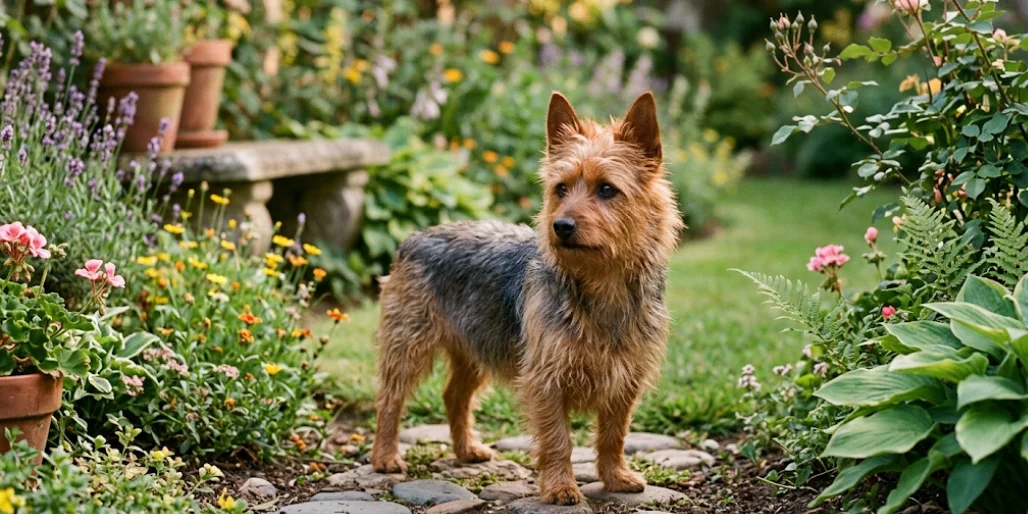
Australian Terrier dogs are immediately recognizable by their distinctive rough, shaggy double coat, featuring a soft undercoat and a coarser outer layer that requires regular grooming. They are a small dog breed, typically weighing between 15 to 20 pounds, with a sturdy build that belies their small size. Known for their pointed ears and intelligent, inquisitive eyes, the Australian Terrier truly embodies the terrier spirit. Understanding these characteristics is crucial for anyone considering adding an Australian Terrier puppy to their family, as it gives insight into their needs.
Understanding Australian Terrier Temperament
Personality Traits of Australian Terriers
The temperament of the Australian Terrier is one of its most endearing qualities; they are famously confident, courageous, and full of life. This terrier breed possesses an unwavering loyalty to their families, often forming strong bonds with their human companions. While they are undoubtedly affectionate and enjoy cuddles, Australian Terriers also exhibit the typical terrier instincts of independence and alertness. They are natural watchdogs, always ready to alert you to anything out of the ordinary, making them excellent protectors despite their small stature.
Behavior with Children and Other Pets
When properly socialized from a young age, Australian Terriers can be wonderful companions for children and can coexist peacefully with other pets. Their playful nature makes them excellent playmates, always up for a game in the backyard or a fun play session. However, due to their strong prey drive, careful introductions and supervision are essential, especially with smaller furry pets. Early socialization for Australian Terrier puppies is key to ensuring they develop into well-adjusted and harmonious family members, adapting to various household dynamics.
Socialization Needs for Australian Terriers
Socialization is paramount for the Australian Terrier to ensure they grow into well-rounded, confident adults. Exposing your Australian Terrier puppy to a variety of sights, sounds, people, and other dogs from a young age will help them develop good manners and an even temperament. This consistent exposure helps prevent timidity or aggression and enhances their ability to adapt to new situations. Regular daily walks and continued positive experiences throughout their lives are essential for nurturing a happy and well-adjusted Australian Terrier, making them excellent canine citizens.
Grooming Australian Terriers
Grooming Requirements for the Australian Terrier Breed
Grooming your Australian Terrier is an essential part of responsible dog ownership, ensuring their distinctive rough, shaggy coat remains healthy and free from mats. This particular terrier breed possesses a unique double coat, featuring a soft undercoat and a coarser outer layer that effectively protects them from the elements. Regular grooming is not just about aesthetics; it also helps to manage shedding and keeps your Aussie looking their best.
Best Practices for Maintaining Coat Health
To maintain the coat health of your Australian Terrier, a consistent grooming routine is key. Brushing several times a week with a slicker brush and a metal comb will help remove loose hair and prevent matting, especially in areas prone to tangles like behind the ears and on the legs. Occasional stripping, a technique where dead hair is plucked rather than cut, is often recommended to preserve the natural texture and color of the Australian Terrier’s coat, aligning with the breed standard.
Common Grooming Challenges and Solutions
One common grooming challenge with the Australian Terrier is managing their rough coat to prevent mats and tangles, particularly if they enjoy outdoor adventures. Regular brushing is the best solution, combined with professional grooming appointments every few months for stripping or trimming if you’re not comfortable doing it yourself. Additionally, some Australian Terriers might be resistant to grooming initially, so introducing positive reinforcement and making grooming a calm, enjoyable experience from a young age is crucial for these small breeds.
Exercise Needs of Australian Terriers
Daily Exercise Requirements for Australian Terrier Dogs
Despite their small size, Australian Terrier dogs are surprisingly energetic and possess significant daily exercise requirements. These working terrier dogs thrive on activity, needing at least 30 to 60 minutes of vigorous exercise each day to keep them physically and mentally stimulated. Without adequate exercise, an Australian Terrier can become bored or destructive, so integrating regular physical activity into their routine is paramount for their overall well-being.
Types of Activities Suitable for Australian Terriers
Australian Terriers enjoy a variety of activities that cater to their lively temperament and strong prey drive. Daily walks are a must, but they also love engaging in play sessions, chasing balls, or participating in dog sports like agility and earthdog trials. These activities not only provide physical exertion but also challenge their intelligent minds and satisfy their terrier instincts, making them well-rounded and happy companions.
Signs of Under-exercised Australian Terriers
An under-exercised Australian Terrier may exhibit several signs that indicate they are not getting enough physical or mental stimulation. Common indicators include destructive chewing, excessive barking, digging, and general restlessness around the house. If your Aussie terrier is constantly seeking attention or engaging in naughty behaviors, it’s likely a sign that they need more exercise or more engaging play sessions to expend their energy and satisfy their natural terrier needs.
Choosing an Australian Terrier Puppy
Finding a Reputable Australian Terrier Breeder
When choosing an Australian Terrier puppy, finding a reputable Australian Terrier breeder is the first and most crucial step. A good breeder will prioritize the health and temperament of their Australian Terrier puppies, be transparent about their breeding practices, and be willing to answer all your questions. Look for breeders who are affiliated with the Australian Terrier Club of America or your local kennel club, as they often adhere to high ethical standards and follow the breed standard closely.
What to Look for in Australian Terrier Puppies
When you visit Australian Terrier puppies, observe their overall health, energy levels, and how they interact with their littermates and people. A healthy Australian Terrier puppy should be alert, playful, and have clear eyes and a clean coat. It’s also wise to inquire about the health clearances of the parents, checking for common breed-specific issues like patellar luxation, to ensure you are bringing home a healthy and happy Aussie.
Preparing Your Home for a New Australian Terrier
Preparing your home for a new Australian Terrier puppy involves creating a safe and welcoming environment. Puppy-proof your home by removing potential hazards, setting up a designated sleeping area, and having essential supplies like food, water bowls, and toys ready. Establishing a routine for feeding your Australian Terrier, potty training, and early socialization from day one will help your new Aussie adjust smoothly to their new family and become a cherished member of your household. For more dog breed information and guidance on various breeds, explore resources like Pawandbreeds’ Dog A-Z Breeds Guide.
Health Conditions in Australian Terriers
Common Health Issues in the Breed
While Australian Terriers are generally a robust and healthy breed, they can be prone to certain health conditions that prospective owners should be aware of. Understanding these common health issues is crucial for providing the best possible care for your Aussie. One condition often seen in small breeds, including the Australian Terrier, is patellar luxation, which involves the kneecap slipping out of place and can affect their mobility. Another concern for this terrier breed can be certain eye conditions.
Preventative Care for Australian Terrier Dogs
Preventative care is paramount for maintaining the long-term health and well-being of Australian Terrier dogs. This includes a balanced diet tailored to the specific needs of your Aussie, regular exercise to keep them fit, and consistent grooming to prevent skin issues associated with their unique double coat. Staying vigilant about their environment and avoiding exposure to common household toxins will also contribute significantly to a healthy life for your Australian Terrier.
Regular Health Checks and Vaccination
Regular health checks with your veterinarian are an indispensable part of preventative care for your Australian Terrier. Annual check-ups allow for early detection of potential health concerns, ensuring that any issues, such as those related to patellar luxation or other breed-specific conditions, are addressed promptly. Keeping your Australian Terrier’s vaccinations up-to-date is also vital for protecting them from various infectious diseases, contributing to their overall vitality and longevity as a cherished member of your family.
Similar Breeds to the Australian Terrier
Comparison with Other Terrier Breeds
When exploring the world of small breeds, it’s natural to compare the Australian Terrier with other terrier breeds, as they share many characteristics but also possess distinct differences. While many terriers, like the Norfolk Terrier or Cairn Terrier, share the Australian Terrier’s lively temperament and working terrier instincts, the Aussie stands out with its unique coat texture and often a slightly more robust build for its small size. Understanding these nuances helps potential owners appreciate what makes the Australian Terrier unique.
Identifying Breeds with Similar Characteristics
For those captivated by the Australian Terrier’s charming personality and spirited nature, identifying breeds with similar characteristics can broaden your search for the perfect canine companion. Breeds such as the Silky Terrier or Yorkshire Terrier share a similar small dog stature and often a spirited temperament, though their grooming needs and coat types may differ. The goal is to find a dog breed that aligns with your lifestyle, whether it’s another working terrier or a companion dog with similar loyalty and affection.
Choosing Between Different Terrier Breeds
Choosing between different terrier breeds requires careful consideration of each breed’s specific needs, temperament, and health predispositions. If you’re drawn to the Australian Terrier, ponder if its strong prey drive, rough coat, and moderate exercise requirements fit your household. While other small breeds might offer a similar energetic demeanor, the Australian Terrier’s distinct history as a vermin hunter and its loyalty to its family might make it the ideal choice for those seeking a courageous and affectionate companion.
Conclusion
Summary of Key Points about the Australian Terrier Breed
In summary, the Australian Terrier is a courageous, loyal, and affectionate small dog with a fascinating history as a working terrier. This complete guide has highlighted their distinctive rough coat, moderate grooming and exercise needs, and their generally robust health, though conditions like patellar luxation can occur. Understanding their spirited temperament and strong prey drive is crucial for any potential owner. The Australian Terrier breed truly embodies the tenacious and loving spirit of a true Aussie.
Resources for Australian Terrier Owners
For current and prospective Australian Terrier owners, numerous resources are available to support you in providing the best care for your beloved Aussie. Joining an Australian Terrier Club of America or a local breed club can connect you with experienced owners and breeders, offering invaluable advice on everything from training to health concerns specific to the Australian Terrier breed. Consulting your veterinarian and professional dog trainers also provides expert guidance to ensure a happy and healthy life for your Australian Terrier.
Introducing Paw and Breeds and the Dog A-Z Breeds Guide
For those seeking more comprehensive dog breed information, including details on the Australian Terrier and other fantastic breeds, we highly recommend exploring Pawandbreeds. Their Dog A-Z Breeds Guide offers an extensive resource, providing detailed insights into various breeds, covering everything from temperament to grooming and health. It’s an invaluable tool for anyone looking to learn more about specific dog breeds or seeking the perfect canine companion to enrich their life.
FAQ’s
Q: What makes the aussie Australian Terrier different from other british terriers like the dandie dinmont or skye?
A: The Australian Terrier was developed in Australia as a small, sturdy working terrier originally bred for hunting vermin on farms and in the australian outback. Compared with dandie dinmont or skye, the aussie is a bit more rugged, often more independent, and has a wiry coat similar to the australian silky but thicker — it’s built to handle rough ground and tough jobs.
Q: Where can I find reputable info — like an australian terrier breed guide or the australian terrier club of america — to help choose dogs and puppies?
A: Start with the australian terrier club of america and your national kennel club for breed standards and responsible breeder lists; they’re great for an ultimate guide to temperament, health screening, and puppy placement. Also check trusted australian terrier breed guide pages for care tips, local rescue groups, and references to adult australian terriers if you want an older dog.
Q: Is the Australian Terrier a true working terrier and does it still need a job to be happy?
A: Yes — as a working terrier the breed loves tasks, short bursts of hunting vermin-type play, and mental challenges. Even if you don’t need a mouser, they do best with purposeful play, training, or short agility or scent games to meet their australian terrier needs and prevent boredom.
Q: What health issues should I watch for in adult australian terriers, like diabetes mellitus or eye problems?
A: Common concerns include diabetes mellitus in some lines, cataracts and progressive retinal atrophy which can affect vision, and occasional lameness or joint issues. Reputable breeders screen for eye disease and other hereditary conditions; regular vet checks and early detection help a lot.
Q: How affectionate are australian terriers — are australian terrierS are affectionate with families and kids?
A: Yes, australian terriers are affectionate and loyal with their families, often forming strong bonds and showing a playful side with kids. They can be a bit bold and independent, so consistent socialization helps them get along well with children and other pets.
Q: Can Australian Terriers live in apartments, or do they need huge yards like some breeds developed in australia?
A: They don’t need massive space, but australian terrier needs include daily exercise and mental stimulation. A moderate yard helps, but apartment living can work if you provide walks, playtime, and activities to burn energy — remember they were originally bred to be active hunters, not couch potatoes.
Q: How do adult dog grooming and coat care differ for an australian terrier compared to an australian silky or other terriers?
A: Australian terriers have a wiry, weather-resistant coat that benefits from regular brushing and occasional hand-stripping to maintain texture; it’s lower maintenance than an australian silky’s long coat but different from softer-coat terriers. Routine trimming, ear checks, and dental care are key for adult australian terriers.
Q: If my australian terrier shows sudden lameness, what should I do and could it be serious?
A: Sudden lameness can be caused by injury, joint problems, or underlying issues — get a vet check promptly. It could be temporary, but it can also signal more serious conditions like ligament tears or progressive joint disease. Early diagnosis and treatment improve outcomes for your aussie.