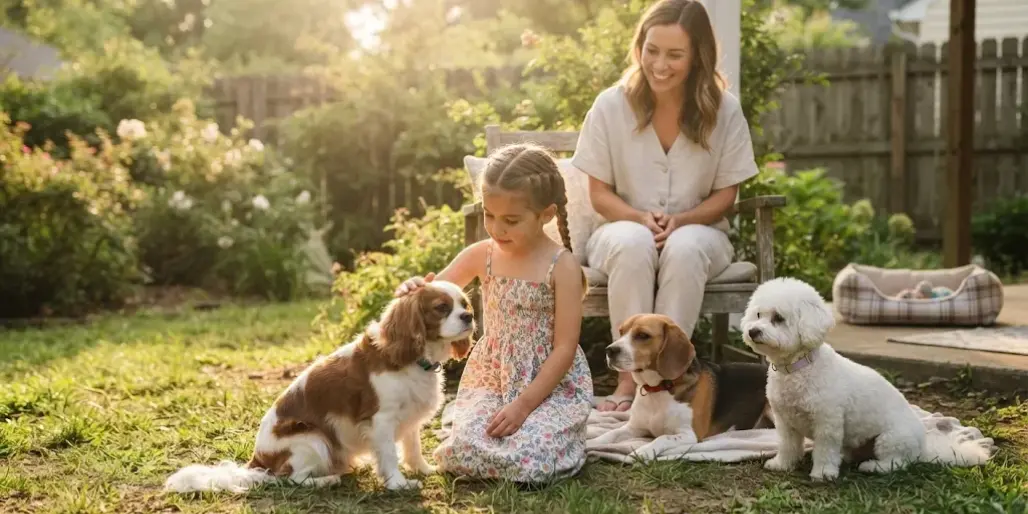
The best small dogs for families include affectionate and patient companions like the Cavalier King Charles Spaniel, the Poodle, and various adaptable mixed breeds that fit wonderfully into households with children. When you want to get a dog that thrives in a busy household, focusing on the right small dog breed is essential for long-term happiness. Families with kids need to evaluate specific traits to ensure the pet is good with kids and can handle the energetic nature of a small family. Finding the best small dog breeds requires understanding how a particular dog breed integrates into daily life, especially when children are involved in training and playing.
Choosing the Best Dog Breeds for Families
What Families Should Consider When Choosing a Small Dog
Selecting the ideal family dog involves looking closely at the temperament, energy levels, and overall size of the animal. Every dog has a unique personality, but certain small breeds naturally excel around kids due to their patient and gentle disposition. Depending on your lifestyle and living situation, you might want to consider the following options:
- Active families who don’t mind extra grooming might prefer a hypoallergenic Poodle.
- Others might lean toward sturdy little dogs that can keep up with active families.
It is also important to consider how well the dog handles being left alone during work and school hours, as well as whether the barking levels will suit your neighborhood and living situation.
Are Small Dogs Friendly with Kids and Toddlers?
The best family pets typically display a balanced temperament, meaning they are playful yet gentle enough to safely interact with younger members of the household. The ideal dog for your family should possess high social adaptability, making them great with kids without showing excessive nervousness or reactivity. Many of the best dog breeds for families are eager to please, which makes it much easier to train dogs successfully, even for first-time owners who are still learning the ropes of proper pet care and socialization techniques.
Helping Children Interact Safely with Small Dogs
Parents can help children interact safely with small dogs by teaching gentle handling and supervising their time together. A small dog’s size does not mean it will tolerate rough or unpredictable play, and a child may accidentally hurt a dog by pulling, squeezing, or startling it. Teach children to let the dog approach, handle it calmly, and leave it alone when it is resting or eating. Close supervision is especially important with young children; step in if either the child or dog seems uncomfortable.
Best Small Dogs for Kids
Children often form unbreakable bonds with their pets, making it crucial to choose a companion that is robust yet compact in its small size. Several breeds stand out as ideal choices for families:
- The Cavalier King Charles Spaniel, widely regarded as a top choice because this gentle spaniel loves human company and remains remarkably patient during playtime.
- A miniature terrier or a clever Poodle, which can make the perfect addition to households looking for intelligent and engaging small dogs that participate enthusiastically in daily games while remaining affectionate family members.
Top 10 Small Dog Breeds for Families
Cavalier King Charles Spaniel
As one of the absolute best small dogs for families, the Cavalier King Charles Spaniel is a wonderful family dog that thrives on human companionship. This gentle spaniel has a calm temperament and is famously great with kids, making it a stellar choice for households with children. Every dog of this charming dog breed loves to cuddle on the couch after a short walk. While they enjoy a playful game in the yard, they rarely bark excessively, fitting easily into any small family.
Beagle
Beagles are sturdy little dogs that fit wonderfully into active families who love spending time outdoors. This classic dog breed is robust enough to handle the rough-and-tumble play of children, making them truly great with kids. Their friendly temperament and curious nature ensure they remain a popular family dog, even for households that might otherwise consider a big dog. However, potential dog owners should note that this hound can occasionally vocalize with a distinct bark if left alone in the backyard for too long without supervision.
Pug
The Pug is a delightful small dog breed known for its charming and mischievous personality. As fantastic family pets, they adore being the center of attention and are exceptionally good with kids of all ages. This breed enjoys attention and adapts well to apartment living without requiring intense exercise routines, making them ideal for less active families. Although they can be a bit sensitive to being left alone, their affectionate demeanor and low-maintenance coat make them wonderful companions—a dog that’s content to relax with the family.
French Bulldog
French Bulldogs have rapidly become a top family dog due to their adaptable temperament and sturdy small size. They are remarkably playful yet gentle, proving to be great with kids who want a loyal indoor companion. This popular dog breed rarely barks, which appeals greatly to urban dwellers. Active families who don’t mind monitoring their dog in hot weather will find that this affectionate little dog integrates seamlessly into daily household routines and brings endless joy.
Shih Tzu
The Shih Tzu is a majestic yet sturdy small dog breed that loves nothing more than sitting in a warm lap. They are known for having a sweet temperament and are generally very good with kids who know how to handle pets gently. This can suit a family with young children who are learning to treat pets gently. This charming dog breed requires regular grooming, but their affectionate nature makes the upkeep worthwhile. Families with kids will appreciate how adaptable these little dogs are, as they happily transition between playful bursts of energy and peaceful naps.
Boston Terrier
Boston Terriers are lively, intelligent, and famously known as the American Gentleman of the dog world. This energetic small dog breed is exceptionally playful and maintains a friendly temperament that makes them great with kids. They fit right into active families who enjoy regular walks and interactive games. While every dog needs proper socialization, this bright breed is eager to please and relatively easy to train, serving as a loyal and entertaining family dog for modern households.
Miniature Schnauzer
Miniature Schnauzers are playful, alert small dogs that are great with kids who respect their boundaries. This distinct breed offers loyalty and plenty of entertainment for a small family, with a bold temperament and deep affection for its human pack. Because they have a hypoallergenic coat, they are often chosen by families with allergy sufferers. They are a hardy and robust addition to any household looking for a lively companion.
Bichon Frise
The Bichon Frise is a cheerful, fluffy small dog breed that brings immense joy to any family home. Known for their gentle and playful temperament, they are exceptionally good with kids and love participating in household games. This cheerful dog breed does not shed much, though their curly coat requires consistent grooming. They thrive when included in daily activities and prefer not to be left alone for extended periods, making them wonderful companions for stay-at-home parents.
Cocker Spaniel
Cocker Spaniels are beautiful, affectionate dogs that have long been treasured as loyal family pets. This graceful spaniel has a sweet temperament and loves spending quality time outdoors with active families. They are remarkably good with kids, displaying immense patience and a playful attitude during family outings. While their luxurious coats require regular brushing, the loving and devoted nature of this classic dog breed makes the grooming routine a rewarding bonding experience for everyone involved.
Are Mixed-Breed Small Dogs Good Family Pets?
Adopting mixed breeds from shelters is a fantastic way to find unique small dogs that possess wonderful traits for children. A well-chosen rescue dog can surprise you with a balanced temperament and adaptability that rivals purebreds. These qualities can make mixed breeds an excellent family choice, especially for households looking for a small companion with traits suited to family life. For more inspiration on finding a companion, you can explore our guide on Small Dogs to see various crosses that fit family life. These resilient little dogs often make the perfect family dog, bringing boundless love and joy to households through Pawandbreeds.
Understanding the Needs of Small Dogs
Every dog requires proper guidance to thrive in a bustling household, and understanding the core needs of small dogs ensures a harmonious environment. When you get a dog for your family, focusing on foundational care is essential. Small dog breeds often have big personalities, meaning that proactive training and early socialization prevent unwanted behaviors. Whether you own a lively terrier or a gentle spaniel, establishing clear boundaries helps your pet feel secure and confident around kids and visitors alike.
Socialization and Training
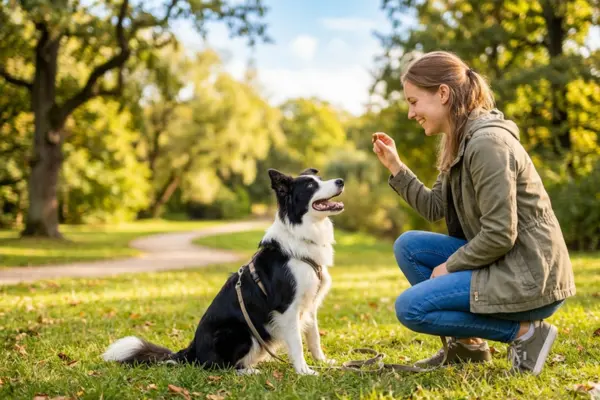
Socializing your small dog breed from a young age is crucial for raising a well-adjusted family dog. Dog owners must introduce their pets to various environments, sounds, and people to build confidence. Training dogs requires patience and consistency, especially when managing tendencies like excessive bark behavior. A smart Poodle or a responsive spaniel will quickly learn commands if positive reinforcement is used consistently. Proper training ensures your small family enjoys peaceful interactions, making it easier to take your pet anywhere without stress.
Exercise Requirements
Even though they possess a compact small size, active families who don’t mind keeping up with an energetic companion will find that these little dogs still need regular physical activity. A daily walk and interactive indoor games keep a playful terrier or a curious mixed-breed dog physically fit and mentally stimulated. Fulfilling the exercise needs of your best family pet prevents boredom and destructive chewing. Ensuring your dog burns off excess energy makes for a much calmer and happier household companion during downtime.
Grooming and Care
Maintaining the health and appearance of your dog breed involves several essential practices to ensure your pet lives a long, comfortable life. To keep your beloved family dog happy and healthy, you should focus on:
- Regular brushing, dental care, and routine veterinary check-ups
- Consistent coat upkeep for hypoallergenic varieties like the Poodle, alongside weekly baths and nail trimming for other small dogs
- Providing enough attention to prevent anxiety caused by being left alone for too long
Ultimately, this attentive grooming and health management is supported by helpful resources from Pawandbreeds.
Conclusion
Final Thoughts on Family-Friendly Small Dogs
Concluding our comprehensive guide, choosing the right small dogs for your household involves balancing the specific dog breed traits with your lifestyle. Every dog brings unique joy, but finding a true family dog requires evaluating temperament and energy. Whether you prefer a playful terrier, a smart Poodle, or a gentle spaniel, these small dog breeds offer immense companionship. Families with kids benefit greatly from selecting a breed known for being great with kids, ensuring harmonious daily interactions. Active families who don’t mind regular exercise routines will find that these wonderful little dogs adapt seamlessly to busy environments. Proper training and early socialization remain essential for any dog breed, helping your new pet become a well-mannered member of a small family.
Why Choose Pawandbreeds
When you are ready to get a dog and want reliable information on the best family pet options available, finding a trusted resource is paramount. Selecting among the top 10 small dog breeds can feel overwhelming without expert guidance tailored to households with children. Understanding how each specific dog breed fits into your home ensures a long-lasting, loving relationship between your children and their new furry companion. From learning about hypoallergenic coats to managing bark tendencies, having access to accurate pet care details makes all the difference. For expert advice and comprehensive guides on selecting the ideal small dog breed for your household, look no further than Pawandbreeds.
Frequently Asked Questions
What is the calmest small dog?
There is no single calmest small dog, since individual temperaments vary. The Cavalier King Charles Spaniel is described here as calm and gentle, while Cocker Spaniels are also known for a relaxed temperament. A dog’s personality and home environment matter as much as its breed, so breed labels alone cannot guarantee a quiet, laid-back companion.
What is the least barky small dog?
There is no small breed that is guaranteed not to bark, since barking can vary between individual dogs and is affected by their circumstances and training. The French Bulldog and Cavalier King Charles Spaniel are described here as rarely barking excessively, so they may suit households looking for a quieter companion. A dog left alone or under-stimulated may still bark, regardless of breed.
What is the best age to introduce a dog to a family with children?
There is no one best age; the right choice depends on your family’s time, children, and ability to supervise. Puppies can bond readily with a family but need substantial training and close oversight. Adult dogs may already have established temperaments, while a senior dog may be calmer but less suited to energetic young children. Consider the individual dog’s behavior around children and how well its needs fit your household.