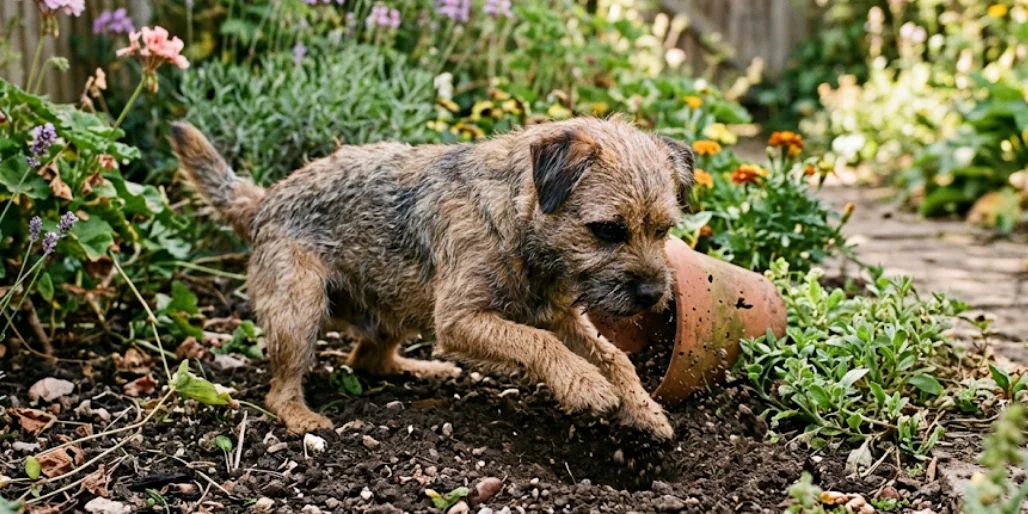
Thinking about bringing a Border Terrier into your home? This comprehensive guide will walk you through everything you need to know about this charming dog breed, from their lively temperament to essential care tips, ensuring you’re well-prepared for life with a Border Terrier.
Introduction to the Border Terrier
Overview of the Border Terrier Breed
The Border Terrier is a small, plucky dog breed known for its distinctive wiry coat and keen intelligence. If you’re wondering whether this delightful canine is the right fit for your family, you’ve come to the right place. These adaptable and affectionate dogs make wonderful companions for active individuals and families, provided their specific needs, such as plenty of exercise and mental stimulation, are met. They are known for their lively personalities and strong bonds with their owners.
History and Origin of Border Terriers
Originating from the border region between England and Scotland, the Border Terrier breed was developed in the 18th century to assist farmers in hunting foxes and other vermin that threatened livestock. These working dogs needed to be agile enough to follow a fox through any terrain and tenacious enough to bolt them from their dens. Their robust nature and keen prey drive were essential for their original purpose, and these traits still define the breed today. This rich history as a working terrier has shaped their inherent characteristics.
Characteristics of Border Terriers
Border Terriers are generally small but sturdy dogs with a unique double coat that is wiry on the outside and soft underneath. This wiry coat offers protection from harsh weather and is relatively low-maintenance, requiring regular brushing rather than extensive professional grooming. They come in various colors, including grizzle and tan, blue and tan, wheaten, and red. Known for their alert and friendly temperament, they are generally good with children and other pets when properly socialized from a young age. Their bright, inquisitive eyes and otter-shaped head are also defining features of the breed.
Temperament of Border Terriers
General Behavior Traits
The Border Terrier’s temperament is a delightful mix of a loving family companion and a spirited, independent working terrier. They are known for their alert and courageous nature, always ready for an adventure. Border Terriers are generally affectionate and form strong bonds with their owners, often described as “people dogs” who thrive on companionship. While they possess an inherent independence, they are also eager to please, making them relatively easy to train with consistent positive reinforcement.
Socialization Needs
Early and consistent socialization is paramount for Border Terrier puppies to ensure they grow into well-adjusted adult dogs. Exposing your Border Terrier pup to a variety of sights, sounds, people, and other dogs from a young age will help them develop into a confident and friendly canine. Without proper socialization, their natural prey drive and independent streak might lead to less desirable behaviors. Regular playtime and positive interactions are crucial for their overall well-being.
Interaction with Children and Other Pets
Border Terriers are generally good with children, especially if raised with them from a young age. Their playful nature makes them excellent companions for respectful kids. However, due to their strong prey drive, interactions with smaller pets like hamsters or birds should be closely supervised or avoided. With other dogs, particularly those of similar size and temperament, Border Terriers usually get along well, provided they have been properly socialized. Always introduce new pets slowly and with positive reinforcement.
Care Requirements for Border Terriers
Exercise Needs and Activity Level
The Border Terrier, being a working dog at heart, has significant exercise needs and thrives on an active lifestyle. To ensure your Border Terrier remains happy and healthy, daily exercise is paramount, ideally consisting of at least an hour of vigorous activity. This can include brisk walks, exciting games of fetch, or even agility training, which provides excellent mental stimulation. Without sufficient physical and mental outlets, these intelligent canines can become bored and potentially develop undesirable behaviors, so consistent playtime is key for this energetic dog breed.
Nutrition and Diet Considerations
Proper nutrition is crucial for maintaining your Border Terrier’s overall health and vitality. When it comes to feeding your Border Terrier, a high-quality dog food that is appropriate for their age, activity level, and size is essential. It’s important to monitor their caloric intake to prevent obesity, a common issue in many dog breeds. Consulting with your veterinarian or breeder can help you determine the best diet plan, ensuring your pup receives all the necessary nutrients to support their active lifestyle and robust health.
Grooming Needs and Practices
The distinctive wiry coat of the Border Terrier is one of its charming features, but it does require specific grooming to keep it in top condition. Unlike some other terrier breeds, the Border Terrier’s coat should not be clipped, as this can soften the texture and lose its protective qualities. Instead, hand-stripping, which involves plucking out dead hairs, is the preferred method to maintain its wiry texture and help the dog regulate its temperature. Regular brushing between stripping sessions will also help keep the coat clean and free of mats, making this a relatively low-maintenance breed when groomed correctly.
Training Tips for Border Terriers
Basic Commands and Obedience Training
Training a Border Terrier can be a rewarding experience due to their intelligence and eagerness to please, though their independent streak means consistency is vital. Starting with basic commands like “sit,” “stay,” and “come” early on is essential for developing a well-behaved dog. Utilizing positive reinforcement, such as treats, praise, and playtime, works wonders with this intelligent breed. Short, engaging training sessions will keep your pup focused and prevent boredom, making the learning process enjoyable for both of you and strengthening the strong bonds you share.
House Training Strategies
House training your Border Terrier puppy requires patience and consistency, but with the right strategies, it can be a smooth process. Establishing a regular schedule for potty breaks, especially after waking up, eating, and before bed, is crucial. Crate training can be an effective tool, as dogs naturally avoid soiling their sleeping area. Always reward your pup immediately with praise and a treat when they eliminate outside, reinforcing the desired behavior. Accidents will happen, but consistent training and positive reinforcement will lead to success.
Advanced Training Techniques
Once your Border Terrier has mastered basic obedience, you can explore more advanced training techniques to further challenge their bright minds and energetic temperament. Agility courses, scent work, or even trick training are excellent ways to provide mental stimulation and physical activity for this clever dog breed. Their natural prey drive makes them particularly adept at tasks that involve tracking or searching. Continuing with positive reinforcement and varied training sessions will keep your Border Terrier engaged and prevent boredom, solidifying their status as a well-rounded and delightful companion.
Common Health Issues in Border Terriers
Regular Health Checks and Preventive Care
Regular health checks are paramount for ensuring your Border Terrier enjoys a long and healthy life. Proactive preventive care, including routine veterinary visits, vaccinations, and parasite control, can help catch potential issues early. These energetic dogs, like all breeds, can be prone to certain health conditions, so maintaining open communication with your vet about your pet’s health and any changes in their behavior or activity levels is vital. Consistent care helps in early detection, contributing significantly to your Border Terrier’s well-being and longevity.
Common Genetic Health Concerns
The Border Terrier breed, while generally robust, can be susceptible to a few genetic health concerns that prospective owners should be aware of. Conditions such as Canine Epileptoid Cramping Syndrome (CECS), sometimes referred to as “shaking puppy syndrome,” and luxating patella (dislocating kneecap) are among those seen in the breed. Reputable breeders will screen their breeding stock for these issues to minimize their occurrence. Understanding these predispositions allows owners to be vigilant and work with their vet for early diagnosis and management, ensuring the best possible quality of life for their Border Terrier.
Lifespan and Aging Considerations
Border Terriers typically boast a relatively long lifespan, often living between 12 to 15 years, and sometimes even longer, thanks to their hardy nature. As your Border Terrier ages, you might notice changes in their energy levels, eyesight, or hearing, which are normal parts of the aging process. Providing a comfortable environment, maintaining a balanced diet, and continuing with regular, albeit gentler, daily exercise tailored to their needs will help support their senior years. Regular vet check-ups become even more crucial during this time to address any age-related health challenges promptly, ensuring your beloved companion remains comfortable.
Conclusion
Summary of Border Terrier Care
In summary, the Border Terrier is a wonderful, affectionate, and resilient dog breed that thrives in an active household. Their unique wiry coat requires specific grooming, including hand-stripping, rather than clipping. With their strong prey drive, consistent training and early socialization are key to managing their spirited temperament. Providing plenty of mental stimulation and daily exercise is crucial for this intelligent canine. By understanding their exercise needs, genetic health concerns, and providing consistent care, you’ll foster a strong bond with your Border Terrier, ensuring a happy and healthy life together.
Useful Resources: Dog A-Z Breeds Guide
For those looking to delve deeper into the fascinating world of dog breeds, a valuable resource like the Dog A-Z Breeds Guide can provide extensive breed information. This guide offers comprehensive insights into various dog breeds, covering everything from temperament and care requirements to historical backgrounds and health considerations. Whether you’re researching potential new family members or simply expanding your knowledge, the Dog A-Z Breeds Guide is an excellent tool for understanding the nuances of different canine companions.
Brand Mention: Pawandbreeds
When considering your Border Terrier’s health and well-being, especially regarding their diet and grooming, it’s wise to explore reputable brands. Pawandbreeds offers a range of products designed to support your pet’s health. From high-quality dog food tailored to meet nutritional requirements to grooming tools that help maintain your Border Terrier’s distinctive wiry coat, Pawandbreeds provides options that contribute to the overall care of your beloved canine.
FAQ’s
Q: What is this dog breed like when it comes to temperament?
A: Border Terriers are super friendly, energetic little dogs with a ton of personality packed into a small body. They’re smart, affectionate, and generally get along great with families. Just remember, they were bred to hunt foxes, so that prey drive is still very much alive in them today. Don’t be shocked if they chase after squirrels or other small critters!
Q: Is the Border Terrier an easy to train dog breed?
A: Yeah, for the most part! Border Terriers are pretty smart and eager to please, which makes them fairly easy to train compared to some other terrier breeds. That said, they can be a bit stubborn sometimes (typical terrier trait), so consistent training methods and positive reinforcement work best. Start early and keep sessions short and fun.
Q: Can you give me some basic breed information about size and lifespan?
A: Sure thing! An adult Border Terrier usually weighs somewhere between 11-15 pounds and stands about 10-11 inches tall at the shoulder. They’re a healthy breed overall with a pretty impressive lifespan, often living 12-15 years when properly cared for. That long lifespan is one of the reasons so many people fall in love with this breed.
Q: What does border terrier grooming actually involve?
A: Good news here – border terrier grooming isn’t too demanding. They have a wiry double coat that needs regular brushing, maybe once or twice a week, to keep it looking tidy and remove loose hair. Most owners also do “hand-stripping” a couple times a year to maintain that classic wiry texture. If you’re not sure how to do this yourself, a solid border terrier grooming guide or a trip to a professional groomer can help a lot.
Q: Do Border Terriers deal with separation anxiety?
A: They definitely can. Border Terriers are super social dogs and bond closely with their families, so leaving them alone for long stretches isn’t ideal. Separation anxiety can show up as destructive chewing, excessive barking, or general restlessness. If you work long hours, it’s worth thinking about doggy daycare or having someone check in on them during the day.
Q: What should I know about breed standard requirements if I want to show my dog?
A: If you’re interested in showing your Border Terrier, checking out the breed standard is a must. This basically outlines what a “proper” Border Terrier should look like in terms of size, coat, color, and overall structure. The Border Terrier Club of America is a great resource for this kind of info, plus they offer tons of support for owners and breeders alike.
Q: How can I make sure I’m getting a healthy breed puppy?
A: Great question! Always work with reputable breeders who health-test their dogs. Common issues to watch for include heart problems and hip issues, though overall Border Terriers are known as a pretty healthy breed. Ask breeders for health clearances and don’t be afraid to ask lots of questions about your dog’s health history before bringing a puppy home.
Q: Is a Border Terrier the right breed for my family?
A: That really depends on your lifestyle! If you’ve got an active household that can provide daily exercise and mental stimulation, this could be the right breed for you. They’re great with kids and generally friendly with other pets if socialized early. However, if you’re gone a lot or prefer a low-energy couch potato dog, you might want to consider other options.
Q: Where can I find more resources or support for this dog breed?
A: The Border Terrier Club of America is honestly your best friend here. They’ve got breeder referrals, health info, event listings, and a community of experienced owners who love sharing tips. It’s a fantastic starting point whether you’re a first-time owner or have had this breed for years.