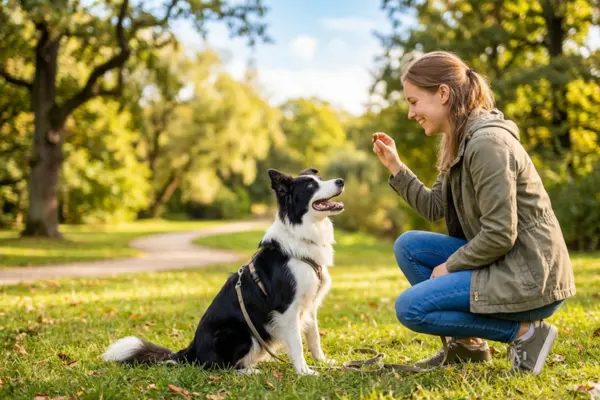
Welcome to pawandbreeds, your ultimate resource for everything related to dog training and breed-specific information! If you’ve recently welcomed a lively Boxer puppy into your home or are considering doing so, you’ve come to the right place. This guide is dedicated to helping you navigate the exciting, sometimes challenging, but always rewarding journey of Boxer puppy dog training. We’ll explore effective strategies and practical tips to ensure your Boxer grows into a well-behaved, happy, and confident companion. We even have a pillar page on dog breeds to provide an extensive look at various breeds.
Introduction to Boxer Dogs and Training
Why Choose a Boxer Puppy?
Choosing a Boxer puppy is an excellent decision for many dog owners seeking an affectionate and loyal companion with a vibrant personality. These fun-loving and energetic dogs are known for their playful antics and deep devotion to their families, making them wonderful additions to active households. Their unique combination of intelligence and a strong desire to please their handler means that training a Boxer can be a highly rewarding experience, especially when you start training early and consistently. My pawandbreeds provides valuable insights for all dog owners.
The Importance of Early Training
Early dog training is absolutely crucial for Boxer puppies, laying the groundwork for a well-behaved and happy adult dog. These intelligent dogs thrive on structure and benefit immensely from clear rules and boundaries established from a young age. Beginning obedience training as soon as you bring your puppy home helps prevent common behavioral issues like excessive barking or separation anxiety, and ensures your Boxer understands what is expected of them. Consistent early training also helps channel their high energy into positive behaviors.
Overview of Dog Breeds Guide
Our comprehensive dog breeds guide offers an in-depth look at various breeds, including specific insights into Boxer dogs. Understanding the breed’s characteristics, such as their high energy levels and inherent desire for physical exercise, is vital for successful Boxer training. This guide helps dog owners appreciate the unique traits of Boxer puppies, which in turn informs the most effective training method, whether it’s crate training, leash training, or more advanced agility and flyball activities. It’s an invaluable resource for anyone wanting to teach their Boxer effectively.
Understanding Boxer Behavior
Boxer dogs, known for their playful and energetic personalities, also possess a unique set of behavioral traits that are important for every Boxer owner to understand. At pawandbreeds, we emphasize that comprehending these behaviors is the first step in effective dog training. By recognizing their natural tendencies, dog owners can tailor their training method to work with their Boxer’s inherent characteristics, rather than against them, making the entire dog training process smoother and more rewarding for both the handler and the Boxer.
Common Traits of Boxer Puppies
Boxer puppies are bundles of high energy and curiosity, often displaying an adorable clumsiness as they explore their new world. These intelligent dogs are incredibly eager to please their handler, which makes them relatively easy to train from a young age. They thrive on interaction and often exhibit a strong desire for physical exercise, so playtime is not just fun but also crucial for their development. Early Boxer dog training should capitalize on their natural enthusiasm and fun-loving nature to build a strong foundation for future obedience training.
Socialization Needs for Boxer Dogs
Socialization is a critical component of Boxer dog training, especially for preventing issues like separation anxiety. Boxer dogs are social creatures and benefit immensely from exposure to various people, places, and other dogs from a young age. Taking your Boxer puppy to a dog park or organized puppy classes can significantly help them develop good self-control and appropriate social skills. Proper socialization helps your Boxer become a well-adjusted and confident companion, reducing the likelihood of fear-based aggression or excessive barking.
Recognizing Barking Patterns
Understanding why your Boxer barks is essential for effective dog training. Boxer dogs can bark for various reasons, including excitement, boredom, fear, or to alert you to something. Learning to differentiate between these barks helps dog owners address the underlying cause rather than just the symptom. For example, if your Boxer barks due to separation anxiety, focusing on crate training and gradually increasing alone time can be more effective than simply trying to stop the bark itself. Consistent training a Boxer in this area promotes a quieter and more peaceful home.
Effective Training Techniques for Boxer Dogs
Training a Boxer dog requires patience, consistency, and the right approach to harness their intelligence and high energy levels. At pawandbreeds, we advocate for training methods that build a strong bond between the handler and the dog, focusing on clear communication and positive reinforcement. Whether you’re working on basic commands or more advanced agility skills, the goal is to make training a positive and engaging experience that your Boxer enjoys, encouraging them to learn and comply willingly.
Basic Commands for Training a Boxer
Starting with basic commands is fundamental to successful Boxer dog training. Commands like “sit,” “stay,” “come,” and “down” establish clear rules and boundaries, providing your Boxer with a framework for understanding expectations. These commands are not just about obedience; they are crucial for safety, especially when you’re out on a leash or at a dog park. Teaching your Boxer these foundational skills early makes it much easier to progress to more complex behaviors and activities like flyball or advanced agility.
Positive Reinforcement Strategies
Positive reinforcement is undoubtedly the most effective training method for Boxer dogs. These intelligent dogs respond incredibly well to rewards such as treats, praise, and favorite toys when they exhibit desired behaviors. This approach encourages your dog to repeat good actions, fostering a positive association with training and strengthening your bond. Avoid harsh corrections, as they can lead to fear and inhibit your Boxer’s willingness to learn. Instead, focus on rewarding good behavior to teach your Boxer effectively.
Training Your Boxer in a Dog Park
Training your Boxer in a dog park can be an excellent way to practice commands in a distracting environment, which is vital for building self-control. However, it’s crucial to begin training in a controlled setting before moving to such a stimulating location. Once your Boxer has a solid grasp of basic commands, the dog park offers a real-world scenario to test their responsiveness amidst other dogs and people. This also serves as great physical exercise and socialization, further enhancing your Boxer’s overall well-being and obedience.
Overcoming Challenges in Boxer Dog Training
Training a Boxer, while rewarding, can present unique challenges due to their energetic nature and occasional stubborn streak. At pawandbreeds, we understand that every dog owner will encounter hurdles, but with the right approach and a lot of patience, these can be successfully overcome. The key is to understand the root cause of any difficulties and apply consistent, positive reinforcement methods to guide your Boxer dog toward desired behaviors. Effective Boxer dog training transforms challenges into opportunities for growth and deeper bonding.
Dealing with Stubbornness
Boxer puppies, with their charming, fun-loving personalities, can sometimes display a stubborn side, making dog training a test of patience for dog owners. When your Boxer decides to dig in their heels, it’s crucial to remember that consistency and positive reinforcement are your best friends. Rather than getting frustrated, try to make the Boxer training session more engaging and rewarding. Short, frequent sessions with high-value treats can reignite their desire to please and encourage your dog to cooperate, especially when dealing with basic commands.
Addressing Behavioral Issues
Addressing behavioral issues like excessive barking or separation anxiety requires a targeted approach during Boxer dog training. For barking, identify the trigger—is it boredom, attention-seeking, or guarding? Once you know, you can implement specific strategies, such as increased physical exercise or teaching a “quiet” command. For separation anxiety, crate training can be a godsend, creating a safe den for your Boxer. Remember, these intelligent dogs thrive on routine and clear rules and boundaries, so a consistent training method is vital for teaching your dog to manage these issues.
Maintaining Consistency in Training
Maintaining consistency is paramount in Boxer dog training; it’s the bedrock upon which all successful obedience training is built. Boxer puppies, being energetic dogs, need clear and unchanging expectations to learn effectively. Every member of the household should follow the same rules and use the same commands, ensuring your Boxer isn’t confused. This unwavering approach helps your Boxer understand what is expected of them, reinforcing good behaviors and preventing unwanted ones. Consistency truly helps to train your dog to be a well-behaved companion.
Conclusion and Resources
Recap of Key Training Tips
To recap, successful Boxer puppy dog training hinges on several key elements: starting early, consistent positive reinforcement, clear communication, and plenty of physical exercise. Remember that Boxer dogs are intelligent dogs with a strong desire to please their handler, making them highly trainable with the right approach. Addressing challenges like stubbornness and behavioral issues with patience and understanding will strengthen your bond and ensure your Boxer grows into a well-adjusted, fun-loving member of your family.
Where to Find More Information on Boxer Dogs
For those Boxer owners eager to dive deeper, there are numerous excellent resources available. Beyond the valuable insights found on pawandbreeds, including our extensive dog breeds guide, the American Boxer Club (AKC) website offers comprehensive information on the breed standard, health, and responsible breeding practices, you can visit the American Boxer Club. These platforms provide a wealth of knowledge to help you further your understanding and enhance your Boxer training journey, ensuring you have all the tools to teach your Boxer effectively.
Final Thoughts on Your Boxer Puppy Training Journey
Embarking on the Boxer dog training journey is an incredibly rewarding experience that deepens the connection between you and your intelligent dog. With their high energy and affectionate nature, Boxer puppies bring so much joy and laughter into a home. By implementing the effective training method and dog training tips discussed, you’ll successfully train your dog to be a well-behaved and cherished member of your family. Remember, pawandbreeds is always here to support you every step of the way!
FAQ’s
Q: How soon should I start boxer training for my new puppy — when do I start teaching basic commands?
A: Start as early as a few weeks old — socialization and simple obedience work like sit and stay and name recognition can begin around 7–8 weeks old. Keep sessions short, use food reward and play, and remember that boxers are highly energetic and intelligent animals, so consistent, fun training early prevents untrained habits.
Q: What are the best dog training tips for training a boxer dog who is over-excited and thinks they are lapdogs?
A: Use calm, structured routines: set boundaries, reward calm behavior with food reward or interactive toys, teach impulse-control exercises (wait, sit and stay), and redirect clownish energy into fetch with a tennis ball or frisbee and structured play. Consistency from all family members keeps them from finding loopholes.
Q: Are boxers good for guard dogs, and how does that affect boxer training?
A: Boxers can be alert and protective but aren’t typically aggressive guard dogs by instinct. Focus on socialization and controlled obedience so they distinguish real threats. Professional dog trainers can help if you want advanced guard-style skills, but basic training and teaching “off-lead” recall and sit and stay are essential first steps.
Q: My breeder recommended starting obedience — what should I expect from puppy classes and dog trainers?
A: Puppy classes teach socialization, basic obedience, and problem prevention. Good dog trainers emphasize positive reinforcement, food reward, and fun drills like hide and seek to build recall. Expect short, frequent sessions and guidance on how to continue at home so your boxer doesn’t find loopholes or revert to untrained behaviors.
Q: How do I manage a boxer’s high prey drive during walks and off-lead time?
A: Work on strong recall, teach “leave it” and reward with high-value food reward or play (tennis ball/frisbee). Gradually practice off-lead in secure areas, increase distractions slowly, and provide plenty of physical and mental exercise so they’re less likely to chase smaller animals.
Q: What are the top dog training tips to keep your boxer entertained mentally and physically?
A: Mix physical play (fetch, frisbee, running) with mental challenges like scent games, puzzle toys, and hide and seek. Interactive toys and training sessions that teach new tricks prevent boredom — boxers are highly energetic and need both physical and mental exercise to stay happy.
Q: My boxer puppy is testing boundaries and finding loopholes — how do I stop this behavior?
A: Be consistent, predictable, and clear about rules. Reward wanted behaviors immediately with food reward or praise, ignore minor mischief, and avoid mixed messages from different family members. Short, frequent training sessions teaching obedience work reduce loophole-seeking.
Q: Can I train a boxer puppy at home or should I get professional help for advanced skills like off-lead and CDX-level obedience?
A: You can absolutely start training a puppy at home with basic commands, socialization, and games, but professional dog trainers are helpful for advanced obedience, off-lead reliability, or competition work like CDX. Trainers can spot subtle issues and tailor a plan for boxers who are smart, clownish, and sometimes stubborn.
Q: How do I keep a litter mates’ dynamic healthy when training two boxer puppies at once?
A: Train them separately and together to prevent over-reliance on litter mates. Give individual attention, use interactive toys, rotate training partners, and reward independent performance so each dog learns you want to please you, not just follow a sibling.