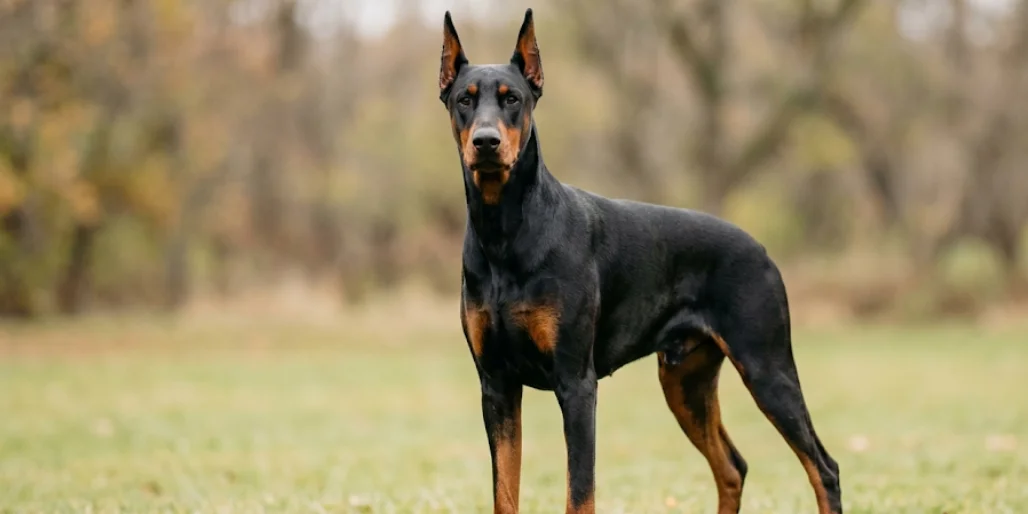
Welcome to Pawandbreeds, your ultimate resource for dog breed information and training guides! If you’re a new Doberman Pinscher owner, you’ve come to the right place. This guide is designed to help you navigate the exciting journey of training your Doberman puppy, ensuring they grow into a well-behaved and cherished member of your family. For a comprehensive overview of various breeds, don’t forget to check out our main pillar page, the “dog breeds guide“.
Understanding the Doberman Breed
Characteristics of Doberman Pinschers
Doberman Pinschers are truly remarkable canines, known for their sleek appearance, athletic build, and profound loyalty — traits formally recognised by the American Kennel Club (AKC), which documents the Doberman’s history as one of the most versatile and intelligent working breeds. This breed possesses innate intelligence and a strong desire to please, making Doberman puppies quite receptive to training. Their natural protective instincts, when properly channeled through early socialization and consistent obedience training, can make them excellent guard dogs and devoted companions. Understanding these characteristics is the first step in successful Doberman training.
Why Dobermans are Unique
What makes Dobermans unique is their incredible blend of intellect, athleticism, and a somewhat serious demeanor that belies a playful spirit. Dobermans are highly intelligent, which means they pick up commands quickly, but also require significant mental stimulation to prevent boredom and destructive behaviors. Their strong prey drive and alertness contribute to their effectiveness as guardians, a trait that Doberman owners often appreciate, provided it is managed with proper training and socialization from a young age.
Common Misconceptions about Dobermans
Despite their loving nature, Dobermans often suffer from common misconceptions, frequently portrayed as inherently aggressive or dangerous dogs. In reality, a well-trained Doberman Pinscher, raised with proper socialization and consistent positive reinforcement, is typically a gentle, loyal, and affectionate family pet. The key lies in understanding that their protective instincts require responsible guidance and early training sessions to ensure they become well-adjusted members of society, dispelling these unfair stereotypes.
Preparing for Doberman Training
To effectively train a Doberman puppy, it’s essential to lay the groundwork before you even start training. This preparation ensures that both you and your Doberman are set up for success, fostering a strong bond and making the entire training process smoother and more enjoyable. Creating the right environment and having the proper tools will significantly aid in teaching your Doberman essential commands and establishing good behavior patterns. Remember, consistent Doberman training is key.
Essential Training Tools
When you train a Doberman, having the right tools on hand can make all the difference in your training sessions. A sturdy leash and a comfortable, well-fitting collar or harness are absolutely essential for walks and basic obedience commands. For successful potty training a Doberman and establishing a safe space, a dog crate is critical for Dobermans, allowing you to crate train your pup effectively. Additionally, high-value training treats and a clicker for clicker training will be incredibly useful for positive reinforcement during Doberman training, helping to teach your dog new behaviors.
Creating a Positive Training Environment
A positive training environment is crucial for teaching your Doberman puppy and ensuring they thrive during Doberman training. This means finding a quiet, distraction-free space where your pup can focus on learning without being overwhelmed. Keep the atmosphere light and fun, using positive reinforcement to reward good behavior and effort. Short, engaging training sessions, especially when you start training, will help maintain your Doberman’s interest and prevent them from becoming bored or frustrated, making obedience training a joy for both of you.
Understanding Your Doberman’s Needs
To effectively train your Doberman Pinscher, it’s vital to understand the unique needs of this intelligent dog breed. Dobermans are highly intelligent and require significant mental stimulation, which structured training can provide. They also have a strong desire to please, making them eager learners. Recognizing their need for consistency, clear communication, and plenty of exercise will help you tailor your training approach. This understanding ensures that your Doberman training is not just about commands but about fostering a well-adjusted, happy canine companion.
Basic Obedience Training for Doberman Puppies
Starting basic obedience training early is paramount for Doberman puppies. This phase of Doberman training focuses on establishing fundamental behaviors and communication, laying the foundation for a well-behaved adult Doberman. Consistency and positive reinforcement are the cornerstones of successful basic training, helping your pup understand expectations and building a strong, respectful relationship between you and your intelligent canine. Effective training Dobermans begins with these crucial early lessons.
Important Commands to Teach
When you train a Doberman puppy, some basic commands are absolutely essential for their safety and good manners. “Sit,” “stay,” “come,” and “leave it” are fundamental commands that every Doberman owner should teach their dog. These basic commands not only help with day-to-day management but also provide a framework for more advanced trick training. Using positive reinforcement and consistent practice will help your pup quickly grasp these critical commands, making Doberman Pinscher training a rewarding experience for both of you.
Using Clicker Training for Dobermans
Clicker training is an incredibly effective method for Doberman training, especially with a Doberman’s intelligence. The clicker acts as a precise marker, telling your Doberman exactly when they perform the desired behavior. This clear communication, combined with positive reinforcement like treats, helps your Doberman puppy understand new commands quickly. It’s a fantastic way to teach your dog and is particularly useful for building a strong foundation in basic obedience and even more complex protection training, as Dobermans are highly intelligent and respond well to its clarity.
Establishing a Training Routine
Establishing a consistent training routine is one of the best training strategies for Doberman puppies. Regular, short training sessions, ideally at the same time each day, help your pup understand what to expect and reinforce learned behaviors. This structured training time is critical for Dobermans, as it provides the mental stimulation they crave and prevents boredom. A consistent routine not only solidifies basic obedience but also strengthens your bond with your pup, making Doberman training a positive and predictable part of their day.
Socialization and Mental Stimulation
Importance of Socialization for Dobermans
Socialization is absolutely critical for Dobermans, especially during their puppyhood, and we at Pawandbreeds cannot stress this enough. Early and consistent exposure to various people, places, and other friendly dogs helps prevent your Doberman from developing fear-based aggression or excessive shyness. A well-socialized Doberman puppy is more likely to grow into a confident, well-adjusted adult dog, making them a joy to be around. This foundational Doberman training ensures your Doberman Pinscher can confidently navigate the world, a key aspect of our “dog breeds guide”.
Activities to Stimulate Your Doberman’s Mind
Dobermans are highly intelligent, so providing ample mental stimulation is crucial for their well-being. Engaging your Doberman in activities that challenge their minds can prevent boredom and destructive behaviors. Puzzle toys, interactive feeders, and scent work are excellent ways to keep their brains active. Regularly switching up their training sessions with new tricks or advanced obedience commands will also keep them engaged and eager to learn, proving that a well-exercised mind is just as important as a well-exercised body for this breed.
How to Introduce Your Doberman to New Environments
Introducing your Doberman to new environments should be a gradual and positive experience. Start with calm, controlled settings, allowing your Doberman puppy to observe and adjust at their own pace. Use positive reinforcement, such as treats and praise, to create positive associations with new sights, sounds, and smells. A well-fitting leash and harness are essential to maintain control while allowing your pup to explore safely. These controlled introductions are vital for building confidence and ensuring your Doberman feels secure in any situation.
Advanced Training Techniques
Obedience Training for Working Dogs
Dobermans excel in advanced obedience training, particularly when it comes to working dog roles. Their natural intelligence and desire to please make them ideal candidates for tasks like protection training, search and rescue, or competitive obedience. This structured training goes beyond basic commands, focusing on precision, speed, and reliability under various distractions. Engaging in these activities not only strengthens your bond but also provides the intense mental and physical stimulation that Dobermans thrive on, transforming your Doberman into a highly skilled canine partner.
When to Seek Professional Training
While many Doberman owners can handle basic training, there are times when seeking a professional dog trainer is the best training strategy. If you’re struggling with specific behavioral issues, want to delve into advanced obedience, or need guidance on protection training, a professional can provide invaluable expertise. A good dog trainer can offer tailored advice, help troubleshoot challenges, and ensure you’re using the most effective techniques to train your Doberman Pinscher, ultimately benefiting both you and your Doberman.
Using Crate Training for Doberman Puppies
Crate training is critical for Dobermans, especially Doberman puppies, serving as a safe haven and an invaluable tool for potty training a Doberman. When introduced correctly, the crate becomes a secure and comfortable den for your pup, reducing anxiety and preventing destructive behaviors when you can’t supervise them directly. This also aids in establishing a consistent routine, teaching your Doberman to hold their bladder and providing a quiet space for rest, making it one of the best training methods for a well-adjusted Doberman.
Common Challenges in Doberman Training
Despite their intelligence and eagerness to please, Doberman training can present its own set of unique challenges for Doberman owners. It’s not always a smooth sail, and understanding these common hurdles can help you prepare and respond effectively. From stubborn streaks to managing their high energy levels, addressing these issues proactively is crucial for successful Doberman Pinscher training and ensuring your Doberman puppy develops into a well-behaved adult canine. Remember, even the most intelligent Dobermans can have off days, and consistent positive reinforcement is key.
Addressing Behavioral Issues
Dobermans, while generally well-behaved with proper training, can sometimes exhibit behavioral issues that require careful attention. These might include excessive barking, chewing, or even leash pulling during walks. To train a Doberman effectively and tackle these problems, it’s important to identify the root cause, whether it’s boredom due to a lack of mental stimulation, insufficient exercise, or a need for more structured training. Consistent reinforcement and clear commands during every training session are vital for redirecting undesirable behaviors and fostering a well-adjusted pup.
Understanding Why Some Dobermans are Hard to Train
While Dobermans are highly intelligent, some Doberman owners might find their Doberman puppy challenging to train. This often stems from a lack of consistency in dog training, insufficient socialization, or not meeting their breed-specific needs for mental stimulation and physical exercise. Dobermans thrive on routine and clear communication, and without these, they can become bored or even stubborn, making obedience training more difficult. Understanding your Doberman’s personality and adapting your approach can help overcome these training Doberman obstacles, turning a challenging pup into a well-trained companion.
How to Overcome Training Obstacles
Overcoming training obstacles with your Doberman requires patience, consistency, and the right strategies. If your Doberman is struggling with a particular command or behavior, try breaking it down into smaller, more manageable steps. Utilizing high-value treats and enthusiastic positive reinforcement can keep your pup motivated during training sessions. If you find yourself consistently hitting a wall, seeking guidance from a professional dog trainer can provide fresh perspectives and tailored techniques to help you and your Doberman Pinscher succeed.
Conclusion
Recap of Key Training Strategies
In summary, successful Doberman training hinges on several key strategies: early socialization, consistent positive reinforcement, establishing a clear routine, and providing ample mental stimulation. We’ve explored how essential basic commands and tools like clicker training are, alongside the critical role of crate training for Doberman puppies. Remember, understanding your Doberman’s unique needs and being patient throughout their training journey will foster a strong bond and result in a well-behaved, confident canine companion.
The Importance of Ongoing Training for Dobermans
Ongoing training is absolutely critical for Dobermans throughout their lives, not just during puppyhood. These highly intelligent dogs benefit immensely from continuous learning, whether it’s refreshing basic obedience commands, learning new tricks, or engaging in advanced protection training. Regular training sessions provide essential mental stimulation, prevent boredom, and reinforce good behaviors, ensuring your Doberman remains a well-adjusted and responsive member of your family. It’s a lifelong commitment that strengthens your bond and keeps your Doberman sharp.
Resources for Doberman Owners at My Pawandbreeds
At My Pawandbreeds, we are dedicated to supporting Doberman owners every step of the way. Our comprehensive dog breeds guide provides invaluable insights into the Doberman breed, offering further resources and articles to help you with advanced obedience training, addressing specific behavioral challenges, and ensuring your Doberman puppy thrives. Don’t hesitate to explore our site for more expert advice on how to train a Doberman Pinscher and make the most of your Doberman training journey.
FAQ’s
Q: What makes a doberman planet of its own when you start dog training a Doberman puppy?
A: A Doberman puppy transforms your home into a doberman planet because they’re intense, social, and need structure. Early training your dog with clear routines, reward-based training, and consistent commands and behaviors helps your new dog settle. Remember that dobermans are intelligent and eager to please, so start training early to shape a good doberman and a happy household.
Q: How do I begin training my dobie puppy so it learns commands like sit and other basics?
A: Begin training by teaching simple, consistent cues—start with commands like sit, come, and down. Use short sessions (5–10 minutes), high-value treats, and lots of praise. Reward-based training works best because most dobermans are eager to please; keep sessions fun and end on a win so your doberman pup wants more.
Q: What are the most important dog training tips every Doberman owner should know?
A: Stick to consistency, socialization, and positive reinforcement. Set boundaries (crate training, house rules) and begin training before bad habits form. Socialize your puppy with another dog and people, teach leash manners, and use training advice that emphasizes calm leadership so dobermans thrive instead of acting out from boredom.
Q: How do I get my doberman dog to sit and focus when distractions are everywhere?
A: Work up from low-distraction to high-distraction environments. Start indoors, reward a dog to sit reliably, then practice outside, at dog parks, and around another dog. Use high-value rewards and a clear release cue. Short, frequent drills build a training experience where your dog learns to focus even when excited.
Q: Are Dobermans crate-friendly and how do I introduce my puppy to the crate?
A: Yes, many doberman pups accept the crate when introduced gently. Make the crate comfy, feed meals inside, and never use it as punishment. Begin with short periods and gradually increase time so the dog in the crate feels safe. A tired doberman settles better, so combine crate time after play or a walk for successful naps.
Q: What should I do if my Doberman is bossy with another dog or at dog parks?
A: Supervise interactions closely and step in if play escalates. Use calm corrections and redirect to commands your dog knows. Work on socialization and impulse control exercises—practice recall and sit before entering dog parks. If problems persist, get professional training advice so both dogs stay safe and dobermans thrive socially.
Q: How much exercise and mental work does a Doberman need to be a good doberman family member?
A: Dobermans need daily physical exercise and mental stimulation—think long walks, running, puzzle toys, and training sessions. A tired doberman is less likely to misbehave. Combine obedience training, play, and problem-solving games so your doberman dog stays balanced and eager to please instead of bored.
Q: When should I seek professional help for training a Doberman pup and what should I expect?
A: Seek help if reactive behavior, fear, or persistent disobedience shows up, or if you’re unsure how to begin training. A good trainer will use reward-based training, teach you handling skills, and offer a clear plan. This turns the training experience into consistent progress so your new dog becomes the best dobie puppy possible.