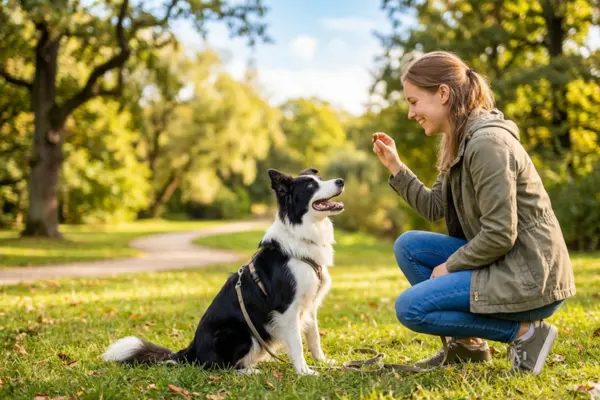
My Pawandbreeds is dedicated to helping you teach your dog, and this article is part of our comprehensive dog breeds guide. Training your greyhound doesn’t always have to involve treats, and we’re here to show you how to build a strong bond and teach your pet without relying on food rewards.
Understanding Greyhounds
Greyhounds are a unique and often misunderstood breed, known for their incredible speed and graceful athleticism. While their reputation as racing hounds might precede them, greyhounds as pets are often calm and affectionate companions who thrive in a loving home environment. Understanding their inherent characteristics and common behavioral traits is the crucial first step in any successful dog training journey.
Characteristics of Greyhounds
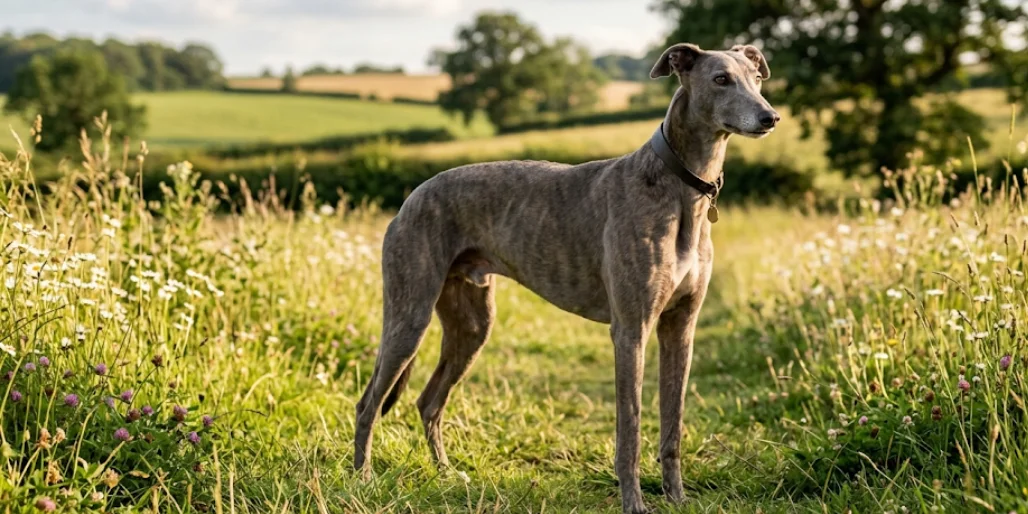
Greyhounds possess a distinct set of characteristics that make them stand out from other dog breeds. They are sighthounds, meaning they naturally have incredible vision and a strong chase instinct. This innate tendency to chase is a key aspect to consider when training your greyhound, especially when it comes to off-leash situations or interactions with smaller animals like cats. Despite their powerful muscles and athletic build, many retired greyhounds are surprisingly docile and enjoy a calm home life.
Common Behavioral Traits
Many greyhounds exhibit a gentle and sensitive temperament, often responding best to positive reinforcement and a calm, consistent trainer. They can be quite intelligent animals, quick to learn and respond to commands if the training methods are engaging and clear. However, their independent nature can sometimes be misinterpreted as stubbornness, making it important for the owner to build a strong bond and establish clear communication. It’s a common misconception that all greyhounds are high-energy dogs; many are actually quite content with short bursts of exercise and long naps.
The Importance of Training
Training your greyhound is not just about teaching them commands; it’s about building a strong, trusting bond between you and your pet. Effective dog training helps a greyhound adjust to their new home environment, especially if they are a retired racing dog, and learn to navigate various situations. A well-trained greyhound will be happier, safer, and more confident, able to listen and respond reliably to their owner, whether on a leash or in a controlled, off-leash setting, proving the importance of consistency.
Fundamentals of Training Your Greyhound
My Pawandbreeds is here to help you understand the core principles of dog training, specifically for greyhounds. It’s crucial to remember that effective training goes beyond simply teaching commands; it’s about fostering a strong bond and understanding your greyhound’s unique nature. As part of our comprehensive dog breeds guide, we’ll delve into how to successfully train your pet without solely relying on treats, proving that there are many ways to reward and encourage positive behavior.
Establishing a Training Routine
Consistency is key when you train your greyhound. Establishing a regular training routine helps your pet understand what is expected of them and when. Aim for short, frequent training sessions, perhaps 10-15 minutes a few times a day, especially in a calm environment with minimal distractions. This approach allows your greyhound to absorb information without feeling overwhelmed, building a solid foundation for more complex behaviors. A predictable routine will help your greyhound learn to listen and respond reliably to your cues.
Positive Reinforcement Techniques
Even without treats, positive reinforcement is the cornerstone of successful dog training. When your greyhound performs a desired behavior, immediately offer verbal praise like “good dog!” in an enthusiastic tone. A gentle pet or a scratch behind the ears can also serve as a powerful reward for your greyhound. The goal is to make your greyhound associate good behavior with positive experiences, encouraging them to repeat those actions. This method helps your dog build confidence and trust in you, the trainer.
Understanding Your Greyhound’s Learning Style
Greyhounds are intelligent animals, but they often have a sensitive and independent nature. Understanding your greyhound’s learning style is essential for effective dog training. Some greyhounds may learn best through visual cues, while others might respond more readily to verbal commands. Pay close attention to how your greyhound reacts to different training methods. If a particular technique isn’t working, don’t get discouraged; simply adjust your approach with patience and persistence, finding what motivates your unique pet.
Training Your Greyhound Without Treats
Training your greyhound without treats is a highly effective way to build a deeper bond and ensure your dog learns to respond to you, not just to food. It encourages your greyhound to listen and engage with you because they genuinely want to, rather than just for a tasty snack. This method proves that you can still achieve excellent results and a well-behaved dog.
Utilizing Praise and Affection
Praise and affection are incredibly powerful rewards for your greyhound. When your greyhound performs a desired command, immediately respond with enthusiastic verbal praise such as “yes!” or “good boy/girl!” followed by gentle petting or a loving scratch. This positive reinforcement, delivered consistently and immediately, teaches your greyhound that they have done something right and strengthens your bond. Your loving attention becomes a valuable reward, encouraging your dog to repeat the desired behavior.
Incorporating Play as a Reward
Play can be an excellent reward for your greyhound, especially for an active breed that enjoys interaction. After a successful command or a good training session, offer a quick game of fetch with a favorite toy or a short run in a secure area. This not only reinforces the positive behavior but also provides a healthy outlet for their energy. Using play as a reward makes training fun and engaging, helping your greyhound learn to associate listening to your commands with enjoyable activities.
Building a Strong Bond Through Training
Training without treats naturally encourages a stronger bond between you and your greyhound. When you don’t rely on food, your greyhound learns to trust and respect you as their leader, rather than just someone who feeds them. This deeper connection is built on communication, understanding, and mutual respect, which is incredibly rewarding for both dog and owner. This approach helps your greyhound respond reliably to you in any situation, solidifying your relationship.
Advanced Training Techniques for Greyhounds
For those looking to progress beyond the basics, advanced dog training techniques can further enhance your greyhound’s skills and strengthen your bond. These methods build upon the foundation of positive reinforcement and consistent practice, helping your greyhound navigate more complex situations and learn new commands. Remember, patience and understanding your pet’s individual pace are crucial as you introduce these advanced concepts.
Leash Training Essentials
Even if your greyhound is an adult or a retired racing hound, mastering leash manners is a crucial step for their safety and your peace of mind. The goal is for your greyhound to walk calmly by your side, without pulling or lagging, and to respond reliably to your cues. Start in a low-distraction environment and gradually introduce more challenging situations. Consistent verbal praise and a gentle, encouraging touch are excellent rewards for good leash behavior.
Socialization Skills for Your Pet
Socialization is vital for your greyhound, helping them learn to interact appropriately with other dogs, animals, and people in various environments. Introduce your greyhound to new sights, sounds, and smells gradually, ensuring each experience is positive. Group dog training classes can be an excellent way to expose your pet to controlled social situations, building their confidence and teaching them appropriate social behavior. Early and ongoing socialization is key for a well-adjusted greyhound.
Handling Behavioral Issues
Addressing behavioral issues requires patience, consistency, and often, a deeper understanding of your greyhound’s motivations. Whether it’s separation anxiety, excessive barking, or resource guarding, identifying the root cause is the first step. Avoid punishing unwanted behavior; instead, focus on rewarding desirable actions and redirecting your dog’s attention. Consulting with a professional dog trainer or behaviorist can provide tailored strategies to help your greyhound overcome challenging habits.
Conclusion: The Journey of Training Your Greyhound
The journey of training your greyhound is a rewarding experience that deepens the bond between you and your pet. It’s about more than just teaching commands; it’s about understanding their unique nature, building trust, and fostering a happy, well-adjusted companion. With consistency, patience, and the right techniques, you can successfully train your greyhound without relying solely on treats, proving the effectiveness of positive reinforcement and mutual respect.
Recap of Key Training Strategies
Throughout this article, we’ve explored various strategies for training your greyhound, emphasizing methods that don’t always involve treats. Key takeaways include establishing a consistent routine, utilizing praise and affection as powerful rewards, and incorporating play to make learning fun. We’ve also highlighted the importance of understanding your greyhound’s sensitive nature and building a strong, trusting bond as the foundation for all successful dog training.
Encouragement for Ongoing Training
Training isn’t a one-time event; it’s an ongoing process that evolves as your greyhound grows and learns. Continue to reinforce learned behaviors, introduce new challenges, and explore advanced techniques to keep your greyhound mentally stimulated and engaged. Celebrate small victories and remember that consistency and positive reinforcement are your greatest tools in ensuring your greyhound remains a happy, well-behaved, and responsive pet throughout their life.
Resources for Further Learning in Dog Breeds Guide
For those eager to delve deeper into dog training and learn more about specific breeds, My Pawandbreeds offers a comprehensive “dog breeds guide.” This resource provides a wealth of information, from breed-specific training tips to advice on common behavioral issues,you can visit the Greyhound Club of America. Exploring these resources can further equip you with the knowledge and tools needed to continue your training journey and ensure your greyhound thrives as a cherished member of your family.
FAQ’s
Q: How do I start training my greyhound without treats if I have a puppy that’s only a few months old?
A: Start simple: short sessions, lots of play, and clear cues. For a puppy a few months old, keep training to 3–5 minutes several times a day so the duration matches their attention span. Use toys, praise, and gentle physical games instead of food — a quick chase or tug can be way more motivating for some pups than cheese or roast chicken (which you can use only very rarely if you must).
Q: Can I still use a click or using a clicker when I’m not giving treats?
A: Yes — the click is just a timing signal. You can click to mark the exact moment your dog does what you want and then reward with a game, praise, or a release to go play. If the clicker feels tricky at first, pair the click with a fun reward like a brief chase until your greyhound learns that click = good stuff, even without food.
Q: My greyhound is stubborn and tends to ignore me — how do I get them to come back?
A: For stubborn dogs, make coming back worth their while: use a high-value non-food reward (play, freedom to explore, or an enthusiastic party from the handler). Practice recall in low-distraction areas, vary the rewards, and never punish a return — that makes them more likely to ignore you next time. Short, frequent wins are better than long failure-filled sessions.
Q: What if my greyhound accidentally learns a bad behavior during training without treats?
A: If they accidentally pick up a bad habit, stop reinforcing it and redirect to the wanted behavior. For example, if they push with their nose or paw to gain attention, teach an alternative like “sit” and reward the calm response with play or praise. Consistency and ignoring the unwanted behavior usually works faster than punishment.
Q: How do I teach tricks like “turn around” or “paw” without using food lures?
A: Use shaping: click when they make any movement toward the trick and reward with a toy or attention. For “turn around” you can guide with a hand motion and click small steps; for “paw” hold your hand out and click when they touch it, then reward with a quick game. Vary your rewards so they stay engaged and feel smarter each step of the way.
Q: Is training without treats the easiest approach for greyhounds or is it more tricky?
A: It depends on the dog. Some greyhounds are toy-driven and find treat-free training easier; others are stubborn and food-motivated and make it trickier. The key is to discover what motivates your dog — for some, a squeaky toy or a run beats cheese or roast chicken every time.
Q: How can I keep my greyhound paying attention during longer training sessions without treats?
A: Keep sessions short and vary activities to prevent boredom. Use frequent rewards that aren’t food — play bursts, a release to sniff, or a quick outrun. If you need longer work, break it into multiple short blocks and let them rest between. Vary intensity so they don’t tune out.
Q: What should the handler do if training seems like a failure or progress stalls?
A: Take a step back: simplify the task, reduce distractions, and make the next exercise super easy so your dog can succeed. Change up rewards and try using a click to mark tiny improvements. Remember, perceived failure usually means the criteria moved too fast — drop them back and celebrate small wins.
Q: Can I mix occasional food like cheese or roast chicken into a treat-free plan, and how do I vary rewards without confusing my greyhound?
A: You can occasionally use tiny bits of cheese or roast chicken for super high-value reinforcement, but keep it rare so the dog doesn’t expect food every time. Vary rewards by switching between play, praise, freedom, and the occasional food surprise — that variety keeps things exciting and prevents your greyhound from only responding when they smell food.