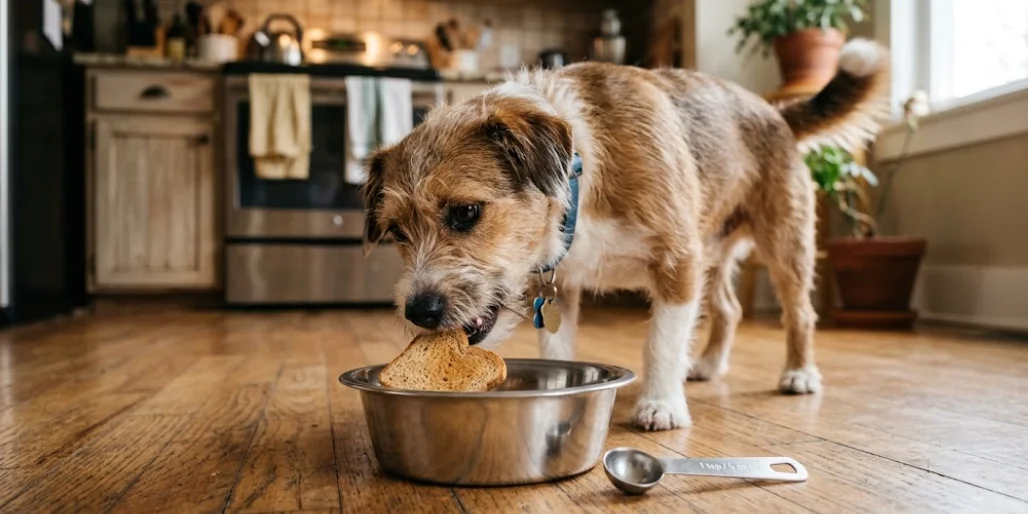
It’s a common question among pet parents: can dogs eat bread? The short answer is yes, dogs can eat bread, but with important caveats. While a small, plain piece of bread generally isn’t toxic to dogs, there are many types of bread and situations where it can be harmful. This guide will help you understand what kind of bread is safe for dogs, what to avoid, and what to do if your dog eats something they shouldn’t.
Understanding Bread and Its Safety for Dogs
Can Dogs Eat Bread?
Many dog owners wonder if it’s okay to share a bit of bread with their furry friends. The good news is that plain bread is generally safe for dogs to eat in moderation. However, it’s crucial to understand that not all bread is created equal when it comes to your pup’s diet. While a small, occasional treat won’t harm them, large amounts or certain types of bread can lead to health issues. Always prioritize their well-being and consider the ingredients.
Types of Bread Safe for Dogs
When considering what bread dogs can eat, opt for plain white or wheat bread without any added ingredients. Think of a simple slice of toast or a piece of plain white bread. This type of dog bread offers minimal risk. Avoid anything with extra flavors, nuts, or seeds, as these can be bad for dogs. Sourdough bread is also generally okay in very small amounts, but its higher acidity might upset some sensitive stomachs.
Nutrition Considerations for Dogs Eating Bread
While dogs can eat bread, it’s important to remember that it offers very little nutritional value for them. Bread is a staple in human diets but provides negligible nutritional benefit for your pup. It’s high in carbohydrates and calories, which means large amounts can contribute to weight gain and other health problems if fed regularly. If you’re going to offer bread, consider it only as a rare treat and always in moderation.
Specific Bread Types and Their Effects on Dogs
Whole Wheat and White Bread
When we talk about whether dogs can eat bread, plain white bread and whole wheat bread are generally considered the safest options. These types of bread, especially when plain and unseasoned, pose the least risk to your dog’s diet. A small amount of either can be a harmless treat, as long as there are no added ingredients like sweeteners or nuts. Always remember moderation is key.
Garlic Bread and Its Risks
Garlic bread is a definite no-go when considering what bread your dog can eat. Garlic, along with onions and chives, belongs to the allium family and is toxic to dogs. Even a small amount of garlic bread can lead to serious health issues for your pup, including red blood cell damage. Never let your dog eat garlic bread or any bread seasoned with garlic or onion powder.
Sourdough and Other Fermented Breads
Sourdough bread, while generally not toxic, should still be given to dogs in very small amounts and with caution. Its fermented nature means it can sometimes cause an upset stomach in sensitive pups. Other fermented breads, especially uncooked bread dough, are extremely dangerous. Raw bread dough can expand in your dog’s stomach and produce alcohol, both of which are serious emergencies that require immediate veterinary attention.
What to Do If Your Dog Eats Bread
Signs of Trouble After Eating Bread
If your dog eats bread that isn’t plain or consumes a large amount, watch for signs of trouble. These can include vomiting, diarrhea, lethargy, or a distended abdomen, especially if it was uncooked bread dough. For dog bread that contained toxic ingredients like raisins or garlic, symptoms might be more severe and appear quickly. Always monitor your pup closely after accidental ingestion.
Settling an Upset Stomach with Bread
Interestingly, a small, plain piece of toast can sometimes be recommended by vets to help settle an upset stomach in dogs, similar to how it works for humans. This plain white bread or whole wheat bread, when dry, can act as a binder. However, this is only for minor upsets and should not be a substitute for proper veterinary care if your dog’s condition worsens or persists.
When to Consult a Veterinarian
You should contact your vet immediately if your dog eats bread dough, garlic bread, or any bread containing toxic ingredients like xylitol or raisins. Symptoms like severe vomiting, tremors, or an inability to stand also warrant an urgent call. Even if your dog just ate a large amount of regular bread and seems uncomfortable, it’s always best to consult your vet for advice.
Feeding Bread to Dogs: Best Practices
How Much Bread Can Dogs Eat?
When considering how much bread your dog can eat, moderation is absolutely key. While plain white bread or whole wheat bread is generally safe for dogs to eat in small amounts as an occasional treat, it should never be a significant part of their diet. A very small piece, like a quarter of a slice of plain toast, once in a while, is usually fine for most healthy adult dogs. Large amounts of bread can lead to weight gain due to its high calorie and carbohydrate content, offering little nutritional value.
Homemade Dog Bread Recipes
If you’re keen on giving your dog a bread-like treat, consider making homemade dog bread recipes that are specifically designed for canine consumption. These recipes often use dog-friendly ingredients and avoid anything that might be toxic to dogs, such as xylitol or certain spices. Making your own dog bread ensures you control the ingredients, providing a much safer and potentially more nutritious treat than store-bought human bread. Always remember, even homemade treats should be given in moderation.
Alternatives to Bread for Dogs
Instead of letting your dog eat bread, there are many healthier and more beneficial alternatives you can offer as treats. Cooked plain vegetables like carrots or green beans, or small pieces of lean, cooked meat (without seasoning), make excellent and nutritious snacks. These alternatives provide vitamins and protein without the empty calories found in bread. If you’re looking for a crunchy treat, consider dog biscuits designed for their specific dietary needs, ensuring your pup gets proper nutritional benefit.
Conclusion
Final Thoughts on Dogs Eating Bread
To sum it up, while dogs can eat bread, especially plain white bread or whole wheat bread, it’s generally best offered sparingly and with caution. Always ensure the bread is plain, without any toxic ingredients like garlic, onions, raisins, or xylitol. Uncooked bread dough is a serious emergency and should always be kept far away from your pup. While a small amount of plain bread won’t harm most dogs, it offers minimal nutritional value and should never replace a balanced diet.
Further Reading: Grains & Carbs Dogs Can and Can’t Eat
For those interested in delving deeper into suitable dietary options for their canine companions beyond just bread, we recommend exploring further resources. Understanding the broader spectrum of grains and carbohydrates that are beneficial or harmful to your dog can greatly enhance their overall health. For more detailed insights, check out our comprehensive guide on Grains & Carbs.
Pawandbreeds: Your Trusted Source for Dog Care
At Pawandbreeds, we are committed to providing you with reliable and informative content to help you make the best decisions for your beloved pets. From dietary advice to general care tips, we strive to be your go-to resource for all things dog-related.
FAQ
Q: Can dogs eat bread, and is bread good for dogs?
A: Yeah, plain bread isn’t toxic to dogs and most pups can nibble on a small piece without issues. But let’s be real – bread isn’t exactly a superfood for your four-legged friends either. It’s basically empty carbs with little nutritional value, so while it won’t hurt them in small amounts, it’s not doing them any favors. Think of it as an occasional treat, not a diet staple.
Q: Is uncooked bread dough dangerous for dogs?
A: Big time yes, and this one’s actually scary. Raw bread dough is way worse than baked bread because the yeast is still active. When your dog eats raw dough, the warm environment of their stomach causes the yeast to keep rising, which can cause painful bloating. Even worse, the yeast produces ethanol as it ferments, which can lead to alcohol toxicosis. If your dog has eaten raw dough, this is genuinely an emergency vet situation, not a wait-and-see thing.
Q: Can dogs eat toast, and is toast better than regular bread?
A: Dogs eating toast is generally fine and honestly might be a slightly better option than squishy bread since it’s firmer and less likely to be gulped down in one bite. Plain toast without butter, jam, or other toppings is the way to go. Just remember, toast is still just bread with less moisture, so the same “everything in moderation” rules apply here too.
Q: What types of bread are bad for dogs?
A: This is where you really need to pay attention. Anything like garlic bread is a hard no because garlic poisoning is a real risk for dogs – garlic (along with onions) can damage red blood cells. Bread with raisins is another one to avoid completely, along with anything containing nuts like macadamia nuts, which are toxic to dogs even in small quantities. Basically, if the bread has extra flavorings, seeds, or mix-ins, it’s best to avoid giving it to your pup.
Q: Can dogs with a wheat or grain allergy eat bread?
A: Nope, this is definitely a situation where you should skip the bread entirely. If your dog has a known wheat or grain allergy, even plain bread can trigger an allergic reaction with symptoms like itching, digestive upset, or skin issues. Every dog is different, so if you’re unsure whether your pup has an allergy, it’s smart to chat with your vet before offering any human food, bread included.
Q: How much bread is okay for dogs to eat?
A: Quantity is everything here. A small piece as an occasional treat is generally okay for dogs, but bread shouldn’t make up a regular part of their diet. Too much bread can contribute to unwanted weight gain and even obesity over time since it’s basically just carbs and calories without much nutritional benefit. A good rule of thumb is treats (bread included) should never be more than 10% of your dog’s daily calorie intake.
Q: What should I do if my dog has eaten a sandwich left on the counter?
A: First, don’t panic – assess what was actually in that sandwich. If it was just meat, cheese, and plain bread, your dog will probably just have a bit of stomach upset at worst. But if there was garlic, onions, or any toxic ingredients involved, keep a close eye on them and call your vet if you notice vomiting, lethargy, or other weird symptoms. This is honestly a great reminder to keep human food out of paw’s reach in the first place!
Q: What are the signs of stomach upset after my dog eats bread?
A: Keep an eye out for vomiting, diarrhea, excessive gas, or your dog seeming uncomfortable or bloated. Most of the time, mild stomach upset from bread will resolve on its own within a day. However, if symptoms are severe, persistent, or your dog seems to be in real pain, don’t wait it out – get them checked by a vet, especially if there’s any chance they got into raw dough or something containing toxic ingredients.
Q: Should I feed my dog bread as a regular treat?
A: Honestly, it’s best to avoid feeding your dog bread as a regular thing. Sure, it’s not toxic and won’t send you into an emergency vet visit like some other human foods, but there are just better options out there. Lean meats, plain veggies, or dog-specific treats offer way more nutritional value. Save the bread for a rare, occasional nibble rather than a everyday snack.
Q: Can dogs develop an allergy to bread over time?
A: It’s possible, yeah. Just like humans, dogs can develop food sensitivities or allergies over time, even to things they’ve eaten before without issue. If you notice your dog scratching more, having digestive issues, or showing other allergy symptoms after eating bread regularly, it might be worth cutting it out and talking to your vet about testing for a wheat or grain allergy.