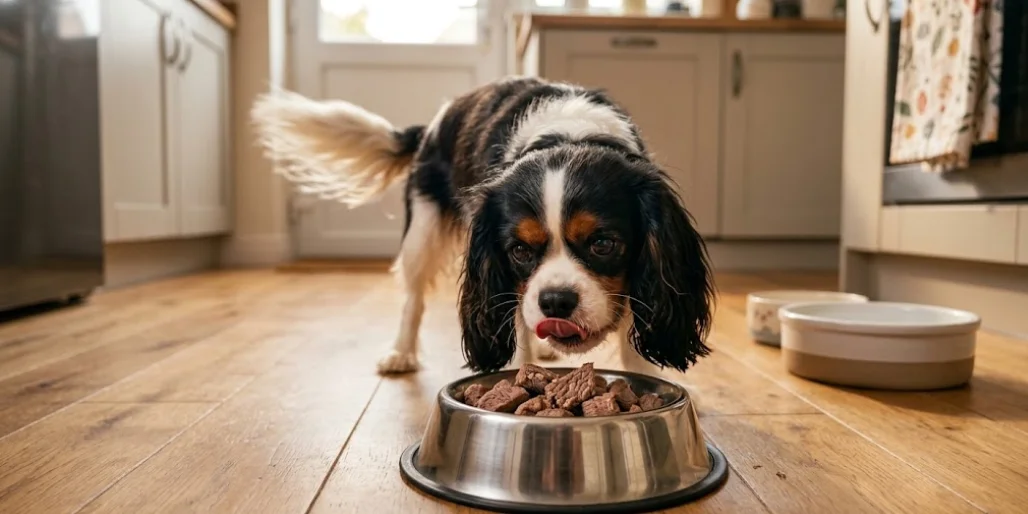
Many pet parents often wonder about incorporating human foods into their furry friends’ diets, and cooked beef frequently tops the list. You’ll be glad to know that, yes, dogs can eat cooked beef, provided it’s prepared safely and in moderation. It can be a fantastic protein source for dogs, offering essential nutrients that contribute to a balanced diet. However, there are crucial considerations to keep in mind to ensure it’s truly safe for your pup, from cooking methods to portion sizes.
Understanding What Dogs Can Eat
Navigating the world of what your dog can and cannot eat can be a bit of a maze. While their ancestors thrived on wild prey, our domesticated dogs have different needs and sensitivities. It’s essential to understand that not all human food is good for dogs, and even seemingly benign ingredients can be toxic to dogs or cause digestive upset. Always err on the side of caution and consult your veterinarian if you’re unsure about introducing any new food into your dog’s diet.
Dogs Eating Cooked vs. Raw Meat
The debate between feeding dogs cooked vs. raw meat is ongoing among pet owners and even veterinarians. While dogs eat cooked beef readily, some advocates suggest dogs eat raw beef or other raw meat, citing evolutionary diets. However, giving your dog raw meat carries risks.
| Meat Type | Key Considerations |
| Raw Meat | Carries risks like salmonella or E. coli contamination; some dogs can eat it with careful preparation. |
| Cooked Meat | Eliminates bacterial threats, making it a safer option. |
It’s generally recommended to feed your dog cooked beef rather than raw beef to minimize health risks.
Human Food: Safe or Not?
While dogs can eat cooked beef, not all human food is safe for dogs. Many people food items contain ingredients that are bad for dogs, such as excessive salt, sugar, or seasonings that can lead to pancreatitis or other health issues. Before you give your dog any new food from your plate, it’s crucial to know if it’s safe for dogs. Always avoid giving your dog cooked bones as they can splinter and cause a blockage or choking hazard. Stick to plain, unseasoned options when sharing with your pup.
Common Myths About Dogs Eating Beef
There are several myths surrounding whether dogs eat beef, especially cooked beef. Always remember that moderation is key, and while beef is a high-quality protein source, it shouldn’t replace a balanced diet of kibble without veterinary guidance.
| Myth | Reality |
| All beef bones are bad for dogs. | Cooked bones are bad due to splintering, but raw bones can sometimes be given with caution. |
| Dogs shouldn’t eat ground beef because it’s too fatty. | Lean ground beef, cooked thoroughly, can be a great protein source. |
Benefits of Feeding Your Dog Cooked Beef
Nutritional Value of Cooked Beef
Cooked beef is a fantastic protein source for dogs, contributing significantly to their balanced diet and well-being. It is packed with essential amino acids vital for muscle development and repair, making it a high-quality protein source. Additionally, it provides important vitamins and minerals:
| Nutrient Type | Key Benefit |
| B vitamins | Crucial for energy metabolism |
| Iron and Zinc | Supports a healthy immune system and overall vitality |
How Cooked Beef Can Be Good for Dogs
Feeding your dog cooked beef in moderation can offer numerous benefits beyond just its nutritional value. The palatability of beef often encourages even picky eaters to finish their meals, ensuring they receive necessary nutrients. It can also be a helpful ingredient for dogs needing a boost in their caloric intake, perhaps due to high activity levels or recovery from illness. Always remember, while cooked beef is good for dogs, it should complement, not replace, their regular balanced diet.
Ground Beef vs. Other Cuts of Beef
When considering what type of beef to give your dog, ground beef is often a popular choice due to its versatility and ease of cooking. Lean ground beef, when cooked thoroughly, is an excellent protein source for dogs. Other cuts, like stew meat or roast, can also be used, but ensure they are trimmed of excessive fat and cut into bite-sized pieces to prevent choking. Regardless of the cut, always cook the beef plain, without any seasoning, which can be bad for dogs.
Risks Associated with Feeding Dogs Beef
Potential Allergies and Food Sensitivities
While beef is generally safe for dogs, some dogs may be allergic to beef or develop food sensitivities over time. Symptoms can include skin irritations, digestive upset like vomiting or diarrhea, and excessive licking or scratching. If you introduce beef to your dog’s diet and notice any of these signs, it’s crucial to consult your veterinarian. They can help identify if beef is the culprit and guide you on alternative protein sources to ensure your pup’s health.
Bad for Dogs: What to Avoid
When preparing beef for your dog, there are specific things that are bad for dogs and should be strictly avoided. Never give your dog cooked bones, as they can splinter and cause a serious blockage or choke hazard. Additionally, steer clear of any seasoning, onions, garlic, or excessive salt, as these are toxic to dogs and can lead to severe health issues like pancreatitis. Always offer plain, unseasoned cooked meat to ensure it’s safe for dogs.
Feeding Raw Beef: Is It Safe?
The question of feeding raw beef to dogs is a contentious one. While some proponents argue for the benefits of raw food, citing ancestral diets, there are significant risks involved. Raw beef can harbor harmful bacteria such as salmonella or E. coli, which can make your pup sick and even pose a risk to human family members. Most veterinarians recommend against feeding raw meat, advising instead to cook all meat thoroughly to eliminate these dangers. For more detailed information on various meats, you might want to check out the guide on “Meat & Protein Dogs Can and Can’t Eat.”
How to Safely Feed Your Dog Cooked Beef
Preparation Tips for Cooked Beef
To ensure the beef is safe for dogs, always opt for lean cuts and cook it thoroughly. Boil or bake the beef plain, without any seasoning, onions, or garlic, which are toxic to dogs. Cut the cooked meat into small, bite-sized pieces to prevent choking, especially for smaller pups. Remember, never give your dog cooked bones as they can splinter and cause a serious blockage, making them bad for dogs.
Portion Control for Dogs
Moderation is key when incorporating cooked beef into your dog’s diet. A general guideline is that treats, including beef, should make up no more than 10% of their total daily caloric intake. The exact portion will vary based on your dog’s size, age, and activity level. Always consult your veterinarian or a veterinary nutritionist to determine the appropriate amount to feed your dog, ensuring a balanced diet.
Incorporating Beef into Your Dog’s Diet
Introducing cooked beef into your pup’s diet should be done gradually. Start with a very small amount and observe your dog for any signs of digestive upset or allergic reactions. You can mix the cooked beef with their regular kibble, use it as a high-value treat during training, or as a special meal topper. This approach helps your dog adjust and ensures the new food is good for dogs.
Conclusion: Making the Right Choices for Your Dog
Final Thoughts on Feeding Beef
In conclusion, dogs can eat cooked beef safely when prepared correctly and offered in moderation. It serves as an excellent protein source for dogs, providing essential nutrients that contribute to their overall health. Always prioritize plain, lean, and thoroughly cooked beef, avoiding any seasoning or cooked bones. Your veterinarian is the best resource for personalized advice on your dog’s diet.
Reference to Meat & Protein Dogs Can and Can’t Eat
While cooked beef can be a beneficial addition to your dog’s diet, it’s essential to understand the broader spectrum of safe and unsafe meats. For comprehensive guidance on various protein sources and what to avoid, consider exploring our detailed guide on “Meat & Protein Dogs Can and Can’t Eat.” It offers valuable insights to help you make informed decisions for your pup’s nutrition.
Pawandbreeds: Your Resource for Dog Nutrition
Understanding what goes into your dog’s bowl is a significant part of being a responsible pet parent. Pawandbreeds is dedicated to providing you with reliable, vet-backed information and resources to help you navigate your dog’s nutritional needs and ensure they lead a happy, healthy life.
FAQ
Q: Can dogs eat raw or cooked meat, specifically do dogs eat raw beef safely?
A: Many pet owners wonder if dogs can eat raw beef. While dogs are biologically capable of digesting raw meat, feeding raw or undercooked beef carries risks like bacterial contamination and parasites. The american veterinary medical association and many vets recommend caution or choosing well-cooked, human-grade options instead of feeding your dog raw to reduce the chance of food poisoning and a vet visit.
Q: Is it okay to feed my dog cooked beef or eat cooked ground beef from the fridge?
A: Yes, dogs can usually eat cooked ground beef as long as it’s plain, fully cooked (no pink) and free of seasonings like onion or garlic. Well-cooked beef is a good source of protein and can be mixed with regular dog food or given as an occasional treat, but avoid fatty cuts like cooked beef ribs which can cause gastrointestinal upset or pancreatitis in some dogs.
Q: What about beef jerky — is store-bought beef jerky dog safe?
A: Store-bought beef jerky is often seasoned and preserved for humans and can contain high salt, spices, or garlic/garlic powder, so best to avoid feeding it. Some commercial dog-specific jerky treats exist; choose human-grade or vet-recommended options. If your pooch ate human beef jerky and becomes sick, contact pet poison helpline or your veterinarian.
Q: Can dogs eat beef liver and how often should I feed liver to my dog?
A: Beef liver is nutrient-dense and many dogs like beef, but it’s very rich in vitamin A and should be given in moderation. Too much liver can cause vitamin A toxicity. Smaller amounts as an occasional supplement to regular dog food are fine, but avoid making liver a daily large portion.
Q: My dog doesn’t usually eat human foods — can I introduce cooked meat as a treat?
A: If your dog doesn’t regularly eat human foods, introduce plain, unseasoned cooked meat gradually. Mix small amounts with dry dog food to see if it agrees with them. If your dog becomes sick, shows vomiting, diarrhea, or lethargy, stop feeding and schedule a vet visit.
Q: Are there human foods are safe for dogs when it comes to beef and other meats?
A: Some human foods are safe for dogs — plain cooked beef, unseasoned chicken, and certain plain fish can be fine as occasional additions. Always avoid seasoned meats, bones from cooked ribs, and fatty trimmings. If you’re unsure whether a particular food is right for your dog, ask a veterinarian in veterinary medicine for guidance.
Q: Should I feed my dog raw ground beef because dogs can eat raw in the wild?
A: Although dogs can eat raw in the wild, pet settings differ: raw ground beef may contain harmful bacteria and is more likely to cause food poisoning. If you decide to feed your dog raw, use human-grade, tested sources and work with a vet or nutritionist. For most owners, well-cooked, unseasoned beef is the safer choice.
Q: How can I tell if cooked beef made my dog sick and when to seek help?
A: Signs your dog may have become sick include vomiting, diarrhea, decreased appetite, lethargy, or abdominal pain. If you suspect food poisoning or your dog ate something toxic like seasoned beef with garlic, call your vet or pet poison helpline right away. Severe symptoms warrant an immediate vet visit.
Q: Is cooked beef a good long-term substitute for regular dog food or dry dog food?
A: Cooked beef can provide a source of protein and nutrients, but it shouldn’t replace a balanced commercial diet unless formulated and supervised by a vet or veterinary nutritionist. Regular dog food or a vet-approved homemade plan ensures vitamins and minerals are balanced — otherwise your dog could miss essential nutrients your dog needs.