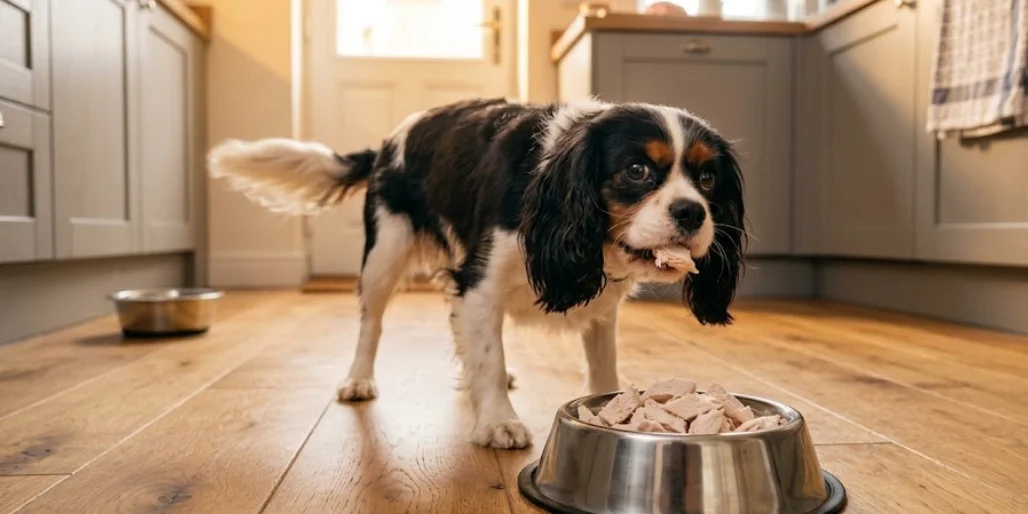
It’s a common question, especially around holidays: can dogs eat turkey? The short answer is yes, dogs can eat turkey, but with several important caveats to ensure their safety and well-being. While turkey meat itself isn’t toxic to dogs, how it’s prepared and what parts of the turkey are given can make a big difference for your furry friend.
Understanding Turkey for Dogs
When considering whether to feed your dog turkey, it’s crucial to understand the potential benefits and risks. Many people want to share turkey with their dog, but not all parts or preparations of this popular poultry are suitable for canine consumption. Knowing what is safe for dogs and what could be harmful to dogs is key to responsible pet ownership.
Benefits of Turkey for Dogs
If prepared correctly, turkey can be a healthy and lean source of protein for dogs. Plain turkey meat, especially turkey breast, can be a great occasional treat or supplement to their regular dog food. The benefits of turkey for dogs include providing essential amino acids and nutrients that contribute to muscle development and overall health, making it a potentially valuable addition when given in moderation.
How to Safely Feed Turkey to Your Dog
To safely feed turkey to your dog, always ensure it is fully cooked, unseasoned turkey. Avoid giving your dog turkey skin, gravy, or any part of the turkey with seasoning, as these can be high in fat and sodium, leading to digestive upset or even pancreatitis, an inflammation of the pancreas. Cooked turkey bones are also a no-go, as they can splinter and cause blockages or tears in your dog’s digestive tract. Plain turkey meat, without any additions, is the best way to share turkey with your dog. Ground turkey, fully cooked, is also a safe option.
Alternatives to Turkey for Dogs
If you’re looking for other protein options or want to avoid the potential risks associated with turkey, there are many alternatives to turkey that are safe for dogs. Lean cooked meats like chicken or beef, as discussed in our “Meat & Protein Dogs Can and Can’t Eat” guide, are excellent choices. You can also opt for commercially prepared dog food or treats that already contain safe and balanced protein sources, ensuring your dog gets all the nutrients they need without any worry.
Risks of Feeding Turkey to Dogs
Dangers of Feeding Turkey Bones
Feeding your dog turkey bones, especially cooked turkey bones, is a significant risk that every pet owner should be aware of. Cooked bones become brittle and can easily splinter into sharp fragments, posing a serious danger to your dog’s digestive tract. These sharp pieces can cause choking, internal punctures, or blockages, leading to severe pain, vomiting, diarrhea, and potentially life-threatening injuries that require immediate veterinary attention. Even raw bones carry risks, though they are less prone to splintering, so it’s best to avoid giving any turkey bones to your dog.
Raw Turkey and Its Risks
While some advocate for raw feeding, giving your dog raw or undercooked turkey presents several health risks that outweigh any potential benefits. To ensure turkey is safe for dogs, it must be thoroughly cooked to an appropriate internal temperature, eliminating dangerous pathogens before you feed it to your dog.
| Risk Factor | Potential Consequence |
| Harmful bacteria (e.g., Salmonella, Campylobacter) | Severe digestive upset (vomiting, diarrhea) in dogs |
| Transmission to humans | Human illness from bacteria in raw/undercooked turkey |
Turkey Sausage and Turkey Bacon Concerns
Processed turkey products, such as turkey sausage and turkey bacon, are generally not safe for dogs. These products often contain various seasonings and preservatives that are toxic to dogs, and their high fat and sodium content can lead to serious health issues.
| Ingredient/Factor | Potential Danger to Dogs |
| High Fat Content | Digestive upset, including pancreatitis (inflammation of the pancreas) |
| High Sodium Content | Dehydration or even sodium poisoning |
| Seasonings and Preservatives | Toxic reactions |
When you want to share turkey with your dog, always stick to plain, unseasoned, fully cooked turkey meat.
What to Do If Your Dog Eats Turkey
Immediate Steps to Take
If your dog eats turkey that was not prepared safely, such as seasoned turkey, fatty pieces, or turkey bones, it’s important to act quickly. First, try to determine exactly what part of the turkey your dog consumed and how much turkey they ate. Observe your dog closely for any immediate signs of distress, such as choking on cooked bones or showing signs of discomfort. If the turkey had seasoning or was high in fat, your dog might experience digestive upset. Remove any remaining turkey from your dog’s reach to prevent them from eating more.
When to Consult a Veterinarian
You should consult a veterinarian immediately if your dog has eaten turkey bones, as these can cause serious internal damage or blockages in their digestive tract. Don’t wait for symptoms to worsen; early intervention is crucial for your dog’s well-being. A quick call to your vet can help determine if a visit is necessary.
Also, seek veterinary advice if your dog shows severe symptoms that could indicate pancreatitis (inflammation of the pancreas) or other serious issues from fatty or seasoned turkey. These symptoms include:
| Symptom | Potential Concern |
| Persistent vomiting | Pancreatitis or other serious issues from fatty/seasoned turkey |
| Diarrhea | |
| Lethargy | |
| Abdominal pain |
Monitoring Your Dog After Eating Turkey
After your dog eats turkey that might be problematic, continuous monitoring is essential. Watch for any changes in behavior, appetite, or bathroom habits for the next 24 to 48 hours. Keep an eye out for signs of digestive upset, such as mild vomiting or diarrhea, which might resolve on their own if the amount of problematic turkey was small. However, if symptoms persist or worsen, contact your veterinarian. Ensure your dog has access to plenty of fresh water to prevent dehydration, especially if they are experiencing digestive issues.
Conclusion
Final Thoughts on Feeding Turkey to Dogs
In conclusion, while dogs can eat turkey, it’s vital to prioritize their safety by offering only plain, fully cooked, unseasoned turkey meat, such as turkey breast. Avoid feeding your dog turkey skin, gravy, fatty pieces, or any part of the turkey with seasoning, as these can cause digestive upset, pancreatitis, or other health problems. Absolutely never give your dog turkey bones, especially cooked turkey bones, due to the severe risks of splintering and internal injury to their digestive tract. When in doubt about whether to feed turkey to your dog, always err on the side of caution.
Reference to Meat & Protein Dogs Can and Can’t Eat
For more comprehensive guidance on what meats and proteins are safe for your furry friend, and which ones to avoid, be sure to check out our detailed guide on safe meat options for dogs. It provides valuable insights into other alternatives to turkey that are safe for dogs, helping you make informed decisions about your dog’s diet and ensuring they receive proper nutrition. Understanding different protein sources can help you provide a varied and healthy diet for your beloved pet.
Pawandbreeds: Your Resource for Dog Nutrition
At Pawandbreeds, we are dedicated to providing pet owners with reliable and expert-backed information to ensure the health and happiness of their dogs. From dietary advice to general wellness tips, we strive to be your trusted resource for all things dog nutrition. For more insights and articles on keeping your canine companion healthy and well-fed, explore our extensive library of resources designed to help you make the best choices for your dog’s diet and overall care.
FAQ
Q: Can dogs eat turkey, or is it dangerous for dogs?
A: Great news – turkey is safe for dogs in most cases! Whether it’s actually safe for dogs to eat really depends on how the turkey is prepared. Plain, cooked turkey without skin, seasoning, or bones is generally a good option for many dogs. But turkey that’s loaded with butter, garlic, onions, or other seasonings can be dangerous for dogs, so keep that in mind before you share your plate.
Q: Is it okay to feed your dog turkey from your holiday dinner?
A: We get it, you want to share turkey with your pup during the holidays! The truth is, a small plain piece of turkey dinner meat (no skin, no gravy, no stuffing) is usually fine as an occasional treat. Just skip the fatty skin and seasoned parts of the meal, since those extras can upset your dog’s stomach or even lead to more serious issues like pancreatitis.
Q: What are the benefits of feeding turkey to my dog?
A: There are actually some solid benefits of feeding turkey in moderation. Turkey is a lean protein source packed with amino acids, which is great for muscle maintenance and overall energy. It’s also lower in fat compared to some other meats, making it a healthy for dogs option when prepared simply and given in small amounts alongside their regular diet.
Q: Can I give my dog ground turkey instead of regular meat?
A: Yes, ground turkey can be a nutritious addition to your dog’s meals as long as it’s fully cooked and unseasoned. A lot of pet owners actually use plain ground turkey as a gentle protein option for dogs with sensitive stomachs. Just make sure there’s no added salt, onion powder, or garlic mixed in, since those ingredients aren’t safe for your dog to eat.
Q: How much turkey can I give my dog without causing problems?
A: Moderation is key here! Too much turkey can lead to digestive upset, weight gain, or worse, especially if it’s fatty or heavily seasoned. As a general guide, treats (including turkey) should only make up about 10% of your dog’s daily calories. If you’re ever unsure, it’s smart to check with your veterinary team about the right portion for your specific dog.
Q: Is turkey deli meat safe for dogs to eat?
A: Not really a great idea. Turkey deli meat may contain high levels of sodium and preservatives that aren’t healthy for dogs, even in small amounts. Regular consumption of processed deli turkey can lead to sodium poisoning over time or contribute to kidney and heart issues. Stick with fresh, plain cooked turkeys instead of the lunch meat variety.
Q: Can dogs eat raw turkey or raw turkey necks?
A: This one’s tricky. Raw turkey necks are popular in some raw-feeding diets and can offer natural chewing benefits, but raw turkey in general carries risks. Undercooked turkey can contain harmful bacteria like salmonella or campylobacter, which can seriously affect your dog’s health. If you want to try raw turkey necks, talk to your vet first to make sure it’s done safely.
Q: What should I do if my dog ate turkey bones or a big turkey lunch by accident?
A: Don’t panic, but do keep an eye on things. Turkey bones can splinter and cause choking or internal injury, which is a real emergency. If your dog snuck a turkey lunch full of skin, gravy, or seasoning, watch for vomiting, diarrhea, or lethargy over the next 24-48 hours. When in doubt, it’s always best to call your veterinary clinic for guidance.
Q: Are there different forms of turkey that are better for dogs than others?
A: Definitely. Some forms of turkey are way better suited for dogs than others. Plain boiled or baked turkey breast without skin is probably the safest bet. Ground turkey, turkey is often found in commercial dog foods too, which is a good sign it’s generally well-tolerated. Just avoid smoked, cured, or heavily spiced turkey products since those are the ones dogs should not eat.
Q: My dog seems to really like turkey – is that a bad sign?
A: Not at all, lots of dogs like turkey because it’s tasty and has a mild flavor compared to other proteins. There’s nothing wrong with your dog enjoying it, as long as you’re serving turkey the right way (plain, cooked, boneless). It’s actually a nutritious protein many dog foods are built around, so their love for it makes total sense!