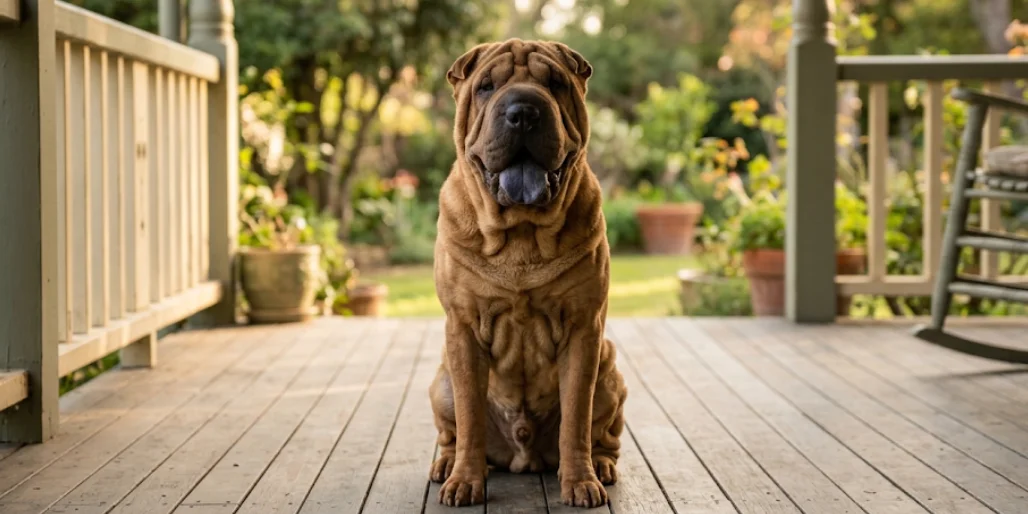
Chinese Shar-Peis are instantly recognizable by their deeply wrinkled skin, blue-black tongue, and distinctive ‘hippopotamus’ muzzle. Tracing back thousands of years to China’s Han Dynasty, they were originally an all-purpose farm dog, hunter, and guardian. Independent and aloof with strangers but deeply devoted to family, they need diligent skin-fold care to stay healthy.
Introduction to the Chinese Shar-Pei
Overview of the Breed
The Chinese Shar-Pei dog breed is truly one-of-a-kind, immediately recognizable by its deeply wrinkled skin, small ears, and “hippopotamus” muzzle. This breed, originating from China, possesses a captivating demeanor and a sturdy build, making it a fascinating subject for any dog breed guide. Understanding the unique characteristics of a Shar-Pei puppy is crucial for prospective owners.
Historical Background
Tracing back thousands of years to the Han Dynasty, the Chinese Shar-Pei has a rich and storied history as a versatile farm dog, hunter, and guardian. The term “Shar-Pei” itself translates to “sand skin,” referencing their coarse coat. This ancient dog breed was once nearly extinct, but dedicated breeders helped bring the Shar-Pei dog back from the brink, securing its place in history.
Physical Characteristics
Beyond the signature wrinkles, a Chinese Shar-Pei dog boasts several distinct physical traits, including a rough, sand-like coat. The breed’s unique appearance is further defined by:
- A blue-black tongue, a characteristic shared with Chow Chows.
- Small, triangular ears.
- A tail that curls over the back.
These features contribute to the unmistakable appearance of a Shar-Pei dog breed.
Temperament of the Shar-Pei
General Behavior Traits
The Shar-Pei’s temperament is often described as independent, loyal, and somewhat aloof with strangers, yet deeply devoted to its family. This complex personality requires understanding and patience. While they can be calm and confident, Shar-Peis are also known for their protective instincts, which is why several characteristics are particularly noteworthy for this breed:
- They are deeply devoted to their family.
- They are known for their protective instincts.
Early socialization is incredibly important for this breed.
Socialization Needs
Early socialization is paramount for Shar-Pei puppies to ensure they grow into well-adjusted adult dogs. Exposing your puppy to a variety of sights, sounds, people, and other dogs from a young age helps them develop confidence and good manners. Proper socialization can prevent potential behavioral issues and enhance the Shar-Pei’s ability to interact politely with the world around them.
Training Tips for Shar-Peis
Training a Shar-Pei requires consistency, patience, and positive reinforcement, as these intelligent dogs can also be quite strong-willed. Obedience training should start early, focusing on basic commands and good house manners. Due to their protective nature, some Shar-Peis may benefit from specific training to manage their interactions with strangers or other animals, making them well-behaved companions.
Grooming Your Shar-Pei
Coat Care and Maintenance
Grooming a Chinese Shar-Pei, with their distinctive “sand skin” coat, is a relatively straightforward affair, though their unique wrinkles require special attention. The short, harsh coat of a Shar-Pei dog breed doesn’t demand extensive brushing, but regular maintenance helps keep their skin and coat healthy. This breed guide aims to simplify the grooming process for your beloved Shar-Pei.
Bathing and Brushing Techniques
When it comes to bathing your Shar-Pei, it’s important to use a mild dog shampoo and ensure you rinse thoroughly, paying close attention to their skin folds to prevent irritation or skin infections. While not prone to excessive shedding, a soft brush used a few times a week can help remove loose hair and keep their coat looking its best. This routine helps manage the Shar-Pei’s unique coat.
Managing Wrinkles
The characteristic wrinkles of a Chinese Shar-Pei are undeniably charming, but they do require diligent care to prevent health concerns. Regularly cleaning and drying the skin folds is crucial to avoid moisture buildup, which can lead to skin irritation or bacterial infections. Gentle cleaning with a damp cloth, followed by thorough drying, is a vital part of caring for your Shar-Pei’s unique physical traits.
Health Considerations for Shar-Peis
Common Health Issues
The Chinese Shar-Pei dog breed, while generally robust, is prone to specific health conditions that prospective dog owners should be aware of. Common health concerns include Shar-Pei Fever, a hereditary inflammatory condition, and entropion, where the eyelids roll inward, potentially causing eye irritation. Understanding these issues is vital for responsible dog ownership and maintaining your Shar-Pei’s well-being.
Importance of Pet Insurance
Given the predisposition of Shar-Peis to certain health conditions, investing in pet insurance is a wise decision for any Chinese Shar-Pei owner. Pet insurance can provide significant financial relief when managing unexpected veterinary bills associated with common health issues like Shar-Pei Fever or entropion, ensuring your beloved dog breed receives the best possible care without added stress.
Regular Veterinary Care
Regular veterinary check-ups are paramount for the overall health and longevity of your Shar-Pei. A trusted veterinarian can help monitor for early signs of common Shar-Pei health conditions, administer necessary vaccinations, and provide guidance on diet and preventative care. Establishing a strong relationship with your vet is a key component of responsible dog ownership for this distinctive dog breed. For more information on various dog breeds, including the Shar-Pei, check out the Dog A-Z Breeds Guide from PawandBreeds.
Diet and Nutrition for Your Chinese Shar-Pei
Choosing the Right Food
Selecting the appropriate dog food is crucial for the overall health of your Chinese Shar-Pei. Given their unique digestive systems and potential for skin sensitivities, a high-quality kibble formulated for medium-sized breeds with sensitive skin or stomachs is often recommended. Look for dog food with real meat as the first ingredient and limited fillers to support their well-being.
Feeding Schedule and Portions
Establishing a consistent feeding schedule and portion control is vital for preventing obesity, a common health concern in many dog breeds, including the Chinese Shar-Pei. Measured portions based on their age, weight, and activity level will help maintain a healthy weight and good digestion.
| Life Stage | Recommended Feeding Frequency |
| Shar-Pei Puppy | Two to three times a day |
| Adult Shar-Pei | Twice a day |
Supplements and Special Dietary Needs
While a balanced diet should provide most necessary nutrients, some Chinese Shar-Pei dogs may benefit from supplements, especially those with specific health concerns. Consult your veterinarian about omega-3 fatty acids for coat health or probiotics for digestive support. Always discuss any dietary changes or supplements with your vet to ensure they are appropriate for your Shar-Pei’s individual needs.
Finding a Reputable Breeder
Questions to Ask Breeders
When searching for a Chinese Shar-Pei puppy, asking the right questions to potential breeders is essential. Inquire about the health history of the puppy’s parents, including any screening for common health conditions like Shar-Pei Fever or entropion. A reputable breeder will be transparent about their breeding practices, the temperament of their adult dogs, and provide health clearances.
Understanding the Adoption Process
The adoption process with a responsible breeder typically involves an application, an interview, and often a waiting period for a well-matched Chinese Shar-Pei puppy. Be prepared to discuss your living situation, experience with dog ownership, and understanding of the Shar-Pei breed. This thorough process ensures that each Shar-Pei dog finds a loving and suitable forever home.
Importance of Breed-Specific Knowledge
A reputable breeder will not only possess extensive breed-specific knowledge but will also be keen to share it, emphasizing the importance of understanding the Chinese Shar-Pei’s unique care and training needs. They can provide valuable insights into the Shar-Pei’s personality, grooming requirements for their wrinkles, and early socialization tips, preparing you for responsible dog ownership.
Conclusion
Summary of Key Points
This guide has covered essential aspects of caring for the Chinese Shar-Pei, from their distinctive physical characteristics and independent temperament to crucial health considerations and grooming needs for their unique wrinkles. Responsible dog ownership of this ancient dog breed involves diligent care, consistent training, and proactive health management to ensure a happy, healthy life for your Shar-Pei.
Final Thoughts on the Shar-Pei Breed
The Chinese Shar-Pei is a truly remarkable and devoted companion for those who understand their unique needs and temperament. With proper socialization, consistent obedience training, and attentive care for their specific health concerns like Shar-Pei Fever, these loyal dogs can thrive, bringing joy and a distinctive presence to any household. They are a captivating breed for dedicated owners.
Resources: Paw and Breeds and Dog A-Z Breeds Guide
For more in-depth information on the Chinese Shar-Pei and a vast array of other breeds, we recommend exploring resources such as the comprehensive dog A-Z Breeds Guide. These platforms offer valuable insights into dog ownership, health, and care across various breeds, including detailed profiles to help you learn even more about your beloved Shar-Pei dog breed.
FAQ’s
Q: What makes shar peis such a unique dog breed?
A: Honestly, where do we even start? Shar peis are famous for that wrinkly skin (especially as puppies), their weird blue-black tongue, and a super short muzzle that gives them that grumpy-but-cute face. They’re actually one of the ancient breeds, originating in China, and they’ve got a personality that’s loyal but pretty independent too. Not your typical cuddly lapdog, but they’re loyal as heck to their people.
Q: Why do peis have that famous blue-black tongue anyway?
A: It’s basically their signature feature! Along with the chow chow, shar peis are one of the only dog breeds in the world with this pigmentation. Nobody’s 100% sure why it evolved, but it’s actually part of the official breed standard now. If you’re looking at a “purebred” pei and the tongue is pink, something’s up genetically speaking.
Q: What does shar-pei health look like? Are they prone to a lot of problems?
A: Yeah, unfortunately shar-pei health is one of those topics you really need to research before bringing one home. Because of all those wrinkles, they’re prone to skin fold infections where bacteria and yeast just love to hang out. They also commonly deal with sunken eyes that can turn into entropion (where eyelashes rub against the eyeball, ouch), plus a genetic fever condition literally called Familial Shar-Pei Fever. This isn’t meant to scare you off, but going in with expert advice from a vet who knows the breed is key.
Q: Is the shar pei breed good for first-time dog owners?
A: Honestly? It’s a mixed bag. First-time pet parents can absolutely make it work, but you need to be committed to training classes early on and staying consistent, because these dogs are stubborn. Add in the significant health issues that can pop up and the specific grooming needs, and it’s clear this isn’t a “set it and forget it” breed. If you’re up for the challenge though, peis are incredibly rewarding.
Q: How much exercise do shar peis actually need?
A: People assume because they look kind of lazy and wrinkly that they don’t need much movement, but that’s not totally true. Moderate exercise is the sweet spot here — daily walks plus some play sessions to keep them mentally stimulated. They’re not marathon runners, but skipping exercise requirements altogether will lead to a bored, destructive dog. Mental stimulation matters just as much as physical activity for this breed.
Q: What’s the best way to groom a pei with all those wrinkles?
A: Grooming is honestly one of the biggest maintenance tasks with this breed. You’ll want a soft bristle brush or rubber grooming mitt for their coat, but the real work is cleaning between those skin folds regularly to prevent infections. A lot of owners wipe down the folds daily or every few days depending on the dog. It sounds like a lot, but it becomes routine pretty fast.
Q: Are shar peis good towards other dogs and kids?
A: This depends a lot on socialization. Peis can be reserved or even a little standoffish towards other dogs, especially if they weren’t well socialized as puppies. With their own family, including kids, they tend to be loyal and protective. Early socialization and training classes really make a difference in how well-adjusted they turn out to be around other animals and strangers.
Q: What does the word “shar-pei” actually mean?
A: Great trivia question! Shar-pei means “sand skin” in Cantonese, which refers to the rough, sandpaper-like texture of their short coat. It’s a pretty literal name once you actually pet one — definitely not as soft as you’d expect looking at all those wrinkles.
Q: Where should I look if I want to adopt a pei instead of buying from a breeder?
A: Shar-pei rescue organizations are honestly a great option, and there are several dedicated ones across the country. The Chinese Shar-Pei Club of America is also a solid resource for finding reputable breeders or rescue contacts. If you go the breeder route, always ask about AKC registration and health testing, since this AKC breed does have those genetic health considerations we mentioned earlier.
Q: Do shar peis need a fenced yard or special home setup?
A: A fence is definitely recommended, not because they’re big escape artists, but more for safety and controlled exercise space. They don’t need a giant property, but having a secure area for play sessions makes daily life way easier. Beyond that, just make sure your home isn’t too humid, since that can worsen skin fold issues that are already a known concern for this breed.