This comprehensive guide will walk you through everything you need to know about the Maltese breed, from their charming temperament to essential care tips and distinctive traits, ensuring you’re well-prepared for life with these delightful little dogs.
Maltese Breed Overview
History of the Maltese Dog
The Maltese breed boasts a truly ancient lineage, with its history tracing back thousands of years to the island of Malta in the Mediterranean Sea. Often considered one of the oldest toy breeds in existence, these charming little dogs were cherished companions of nobility and royalty. Their elegant appearance and affectionate nature have been admired throughout various civilizations, securing their place as beloved pets.
Physical Characteristics
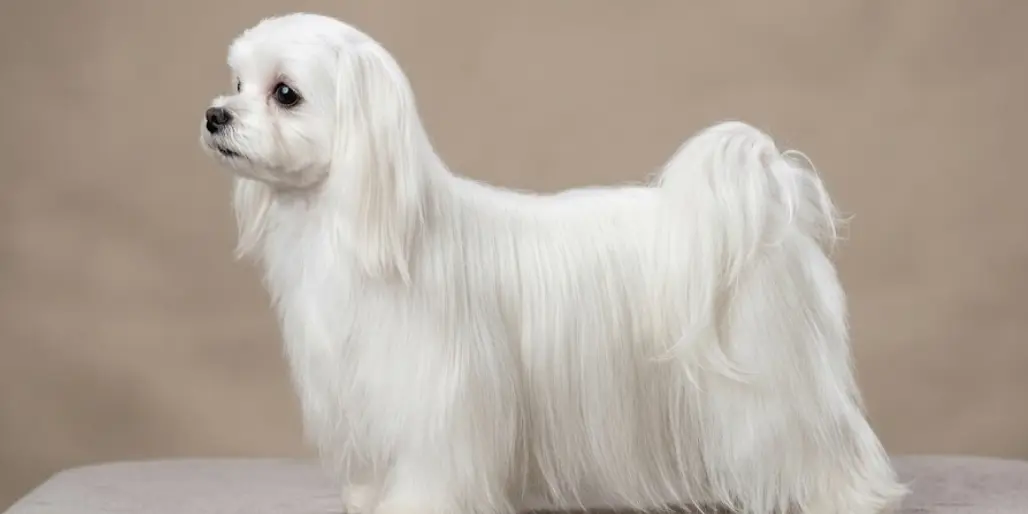
The Maltese is renowned for its striking appearance, particularly its long, silky white coat that cascades to the ground. These small dogs typically weigh under seven pounds, making them a true toy breed. They possess dark, expressive eyes that peek out from beneath their flowing hair, and their floppy ears contribute to their endearing look. Regular grooming is essential to maintain their pristine white coat, which often requires daily brushing to prevent mats and tangles.
Common Traits of the Maltese
Maltese dogs are well-known for their playful and affectionate personalities, often forming strong bonds with their human companions. Despite their small size, they possess big personalities and are surprisingly adaptable. They thrive on attention and love to be involved in family activities. Their intelligence makes them relatively easy to train, especially when utilizing positive reinforcement during training sessions, which helps them learn quickly and enthusiastically.
Maltese Temperament
Personality Traits
The Maltese temperament is characterized by its lively and loving nature. These small breeds are incredibly affectionate, often seeking out cuddles and close proximity to their owners. They are also known for being quite playful, enjoying games and interactive toys. Despite their delicate appearance, they can be surprisingly spirited and enjoy engaging in various dog sports. Their cheerful disposition makes them wonderful companions, always ready to brighten your day.
Socialization Needs
Maltese puppies benefit greatly from early and consistent socialization to ensure they grow into well-adjusted adult dogs. Exposing them to different people, sounds, and environments from a young age helps them develop confidence and reduces the likelihood of timidity or excessive barking. Proper socialization helps them understand the world around them and ensures they remain the friendly, outgoing little dogs they are meant to be, making them comfortable in various settings.
Interaction with Children and Pets
When properly socialized, the Maltese breed can generally get along well with older, considerate children and other pets, especially if introduced thoughtfully. Due to their small size, they are better suited for households where children understand how to interact gently with a delicate toy breed. Similarly, introductions to other pets should be supervised and gradual, ensuring positive experiences for all involved. Their adaptable nature often allows them to integrate smoothly into a multi-pet household.
Caring for Your Maltese
Maltese Grooming Essentials
Maintaining the beautiful silky white coat of your Maltese dog is crucial, requiring regular grooming to prevent mats and keep them looking their best. Daily brushing is highly recommended to detangle their long hair and remove any loose debris. Professional grooming appointments every few weeks can help with baths, trims around the eyes and paws, and ensure their coat remains healthy and free of skin issues, which is especially important for this breed.
Dental Care for Maltese Dogs
Dental care for Maltese dogs is incredibly important, as this toy breed is prone to dental issues. Regular tooth brushing at home, ideally daily, can significantly reduce plaque and tartar buildup. Additionally, providing dental chews and scheduling professional dental cleanings with your vet will help maintain good oral hygiene and prevent common problems like gum disease and tooth loss, ensuring your little companion stays healthy.
Health Considerations
The Maltese breed is generally robust, but like all small breeds, they are prone to certain health considerations. It’s important to be aware of conditions such as luxating patella, tracheal collapse, and particularly “white dog shaker syndrome,” which primarily affects small white dogs. Regular veterinary check-ups are essential for early detection and management, ensuring your Maltese dog lives a long and healthy life, typically 12 to 15 years.
Training Your Maltese
Basic Commands
Training your Maltese, a highly intelligent and affectionate breed, can be a rewarding experience. They respond well to positive reinforcement, so using treats and praise during training sessions is key. Start with basic commands like “sit,” “stay,” and “come.” Keep sessions short, fun, and consistent to prevent your Maltese puppy from getting bored and to build a strong foundation for future learning. Their big personalities will shine through with proper guidance.
House Training Tips
House training your Maltese puppy requires patience and consistency, as these little dogs can sometimes be a bit challenging in this area. Establish a regular schedule for potty breaks, taking them outside frequently, especially after waking up, eating, and playing. Crate training can also be an effective tool, as dogs naturally avoid soiling their sleeping area. Always reward successful outdoor trips with praise and and treats to reinforce good behavior.
Behavioral Training Techniques
Maltese dogs thrive on attention and can sometimes develop behavioral issues if not properly trained. Early socialization is crucial to prevent excessive barking or timidity. Consistent positive reinforcement, focusing on rewarding desired behaviors rather than punishing unwanted ones, will yield the best results. Addressing issues like separation anxiety or leash pulling early on with gentle, consistent training techniques will help your Maltese grow into a well-behaved and happy companion.
Buying a Maltese
Finding a Reputable Breeder
When you’re looking to add a Maltese dog to your family, finding a reputable breeder is paramount to ensure you get a healthy and well-socialized Maltese puppy. A good breeder will be transparent about their practices, happy to answer all your questions, and allow you to see the living conditions of the puppies and their parents. They will prioritize the health and temperament of their Maltese breed and be registered with organizations like the American Maltese Association or a local kennel club, adhering to their breed standard.
What to Look for When Buying
When buying a Maltese, look for signs of good health in the Maltese puppies, such as clear eyes, a clean silky white coat, and an alert, playful demeanor. A reputable breeder will provide health clearances for the parents, covering common Maltese health issues, and offer a health guarantee for your new companion. Observe the temperament of the individual dog; they should be outgoing and friendly, not overly shy or aggressive, which indicates proper early socialization for this affectionate breed.
Cost of Owning a Maltese
The initial cost of buying a Maltese puppy from a reputable breeder can range, but remember that the cost of owning a Maltese extends beyond the purchase price. Factor in expenses for quality dog food, regular grooming for their silky coat, dental care to prevent dental issues, veterinary check-ups, and potential training sessions. While a toy breed, these little dogs require consistent care, but their big personalities make every penny worthwhile for this delightful dog breed.
Similar Breeds
Comparison with Other Small Breeds
When considering a Maltese, it’s helpful to compare this beloved toy breed with other small breeds that share similar characteristics. Breeds like the Bichon Frise or Havanese also boast charming personalities and fluffy coats, but the Maltese breed is unique with its distinctive long, silky white coat and specific breed standard. Understanding these differences, including temperament and grooming needs, will help you determine if the Maltese is the right breed for your lifestyle.
Choosing Between Maltese and Similar Breeds
Choosing between a Maltese and similar small breeds often comes down to personal preference and lifestyle fit. While many small white dogs share an affectionate nature, the Maltese breed’s history can be traced back to the island of Malta, making them a unique companion. Consider factors like grooming commitment for their silky coat, potential for specific Maltese health issues, and how much time you can dedicate to training sessions and socialization to ensure you pick the right breed for your family.
Adoption vs. Buying
Deciding between adoption and buying a Maltese puppy is an important consideration. Adopting a Maltese dog or a similar small breed from a rescue organization can provide a loving home to a dog in need, often at a lower cost than buying from a breeder. When you adopt, you might find an individual dog that is already house-trained and past the puppy stage. Conversely, buying a Maltese from a reputable breeder allows you to trace the lineage and health history, ensuring a specific breed standard and temperament for your new companion.
FAQ
Q: What’s the deal with Maltese dogs, anyway? Tell me about this dog breed guide!
A: Alright, so the Maltese is a super ancient dog breed! They’re part of the “toy group” and are known for their gorgeous long, silky white hair. This dog breed guide will tell you all about their temperament, how to care for them, and their adorable traits. They’ve been around for centuries, chilling with royalty and making everyone swoon. These little guys are fantastic companions, full of personality despite their small size. They were even adored by Mary Queen of Scots! If you’re looking for a charming, fluffy friend, you’re in the right place.
Q: Are Maltese dogs good for first-time dog owners? And how easy is it to train a Maltese?
A: Absolutely! Maltese dogs can be a great choice for first-time dog owners. They’re intelligent and eager to please, which generally makes it easier to train a Maltese. Consistency is key, though, like with any dog. Start early with positive reinforcement, and they’ll pick things up quickly. Socialization is important too, so introduce them to different sights, sounds, and friendly people/dogs. While they’re smart, sometimes potty training can be a bit of a challenge for small breeds, but patience and consistency will win out!
Q: What kind of temperament can I expect from a Maltese? Are they always sweethearts?
A: Maltese are generally known for their sweet, gentle, and playful temperament! They love to be the center of attention and thrive on companionship. They’re often described as affectionate and charming, always ready for a cuddle or a game. However, because they love their humans so much, they can sometimes develop separation anxiety if left alone for too long. They can also be a bit feisty and brave, sometimes even standing up to larger dogs, so don’t let their small size fool you! Their individual personality can vary, but generally, they are very loving companions.
Q: What are the main Maltese health issues I should be aware of?
A: While Maltese are generally healthy, like all breeds, they are prone to certain health issues. Some common Maltese health concerns include dental problems (their small mouths can lead to overcrowding), luxating patellas (slipped kneecaps), and portosystemic shunt (a liver condition). They can also be prone to “white shaker dog syndrome,” which is believed to be autoimmune. Regular vet check-ups are super important for early detection and treatment of any potential dog health problems. Good grooming practices, especially around their eyes, can prevent tear staining and skin irritation due to lack of air circulation.
Q: How much grooming does a Maltese need with all that hair?
A: Oh boy, with that beautiful long coat, Maltese need quite a bit of grooming! Daily brushing is recommended to prevent mats and tangles. Many owners opt for a “puppy cut” to make grooming more manageable, especially if they aren’t planning on dog shows. Regular bathing (every 1-3 weeks, depending on lifestyle) is also necessary to keep their white coat sparkling. Don’t forget nail trims, ear cleaning, and regular dental care to prevent dental disease, which is a common dog health issue for smaller breeds. Their eyes need daily cleaning to prevent tear stains too!
Q: Do Maltese dogs get along with kids and other pets? Are they the best choice for families?
A: Maltese can get along well with kids and other pets, but it really depends on the individual dog’s temperament and how they are introduced. They are often the best choice for families with older, respectful children who understand how to interact gently with a small, delicate dog. Due to their toy size, they can be easily injured by rough play. When it comes to other pets, proper introductions are key. They can coexist peacefully with other dogs and even cats, especially if raised together. Always supervise interactions, especially with larger breeds, to ensure everyone’s safety.
Q: What’s the best way to feed your Maltese? Any special diet considerations?
A: To feed your Maltese, it’s crucial to choose a high-quality dog food appropriate for small breeds and their life stage (puppy, adult, senior). Look for ingredients that are whole and nutritious. Due to their small size, they don’t need a lot of food, so be careful not to overfeed them, as obesity can lead to other dog health problems. Maltese can sometimes be picky eaters, so finding a food they love might take a little trial and error. Always provide fresh water, and if you’re giving treats, do so in moderation, especially when you train a Maltese! Consult your vet for personalized dietary advice.
Q: Are Maltese dogs very active? How much exercise do they need?
A: While they are playful, Maltese dogs don’t require a ton of strenuous exercise. A couple of short walks a day and some indoor play sessions are usually sufficient to keep them happy and healthy. They love to play fetch in the living room or just follow you around the house. Mental stimulation is also important, so puzzle toys or short training sessions can keep their minds engaged. Don’t push them too hard, especially in hot weather, as their small size and single coat make them more susceptible to overheating. A good play session will usually tire them out nicely.