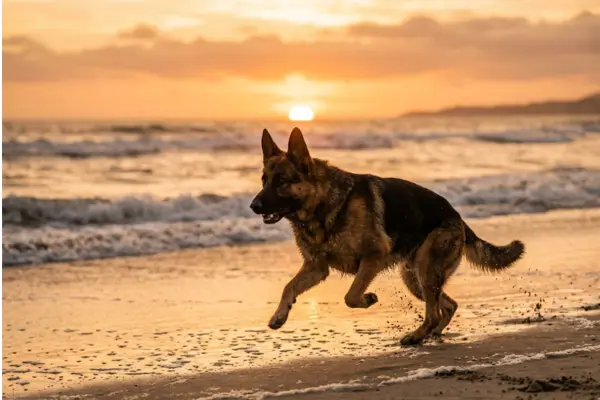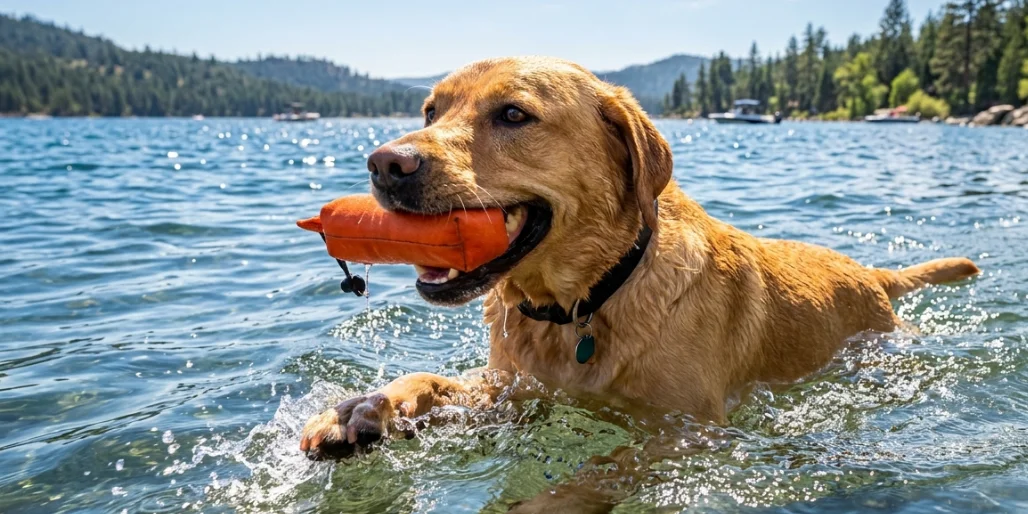
Many dogs have webbed feet, and it’s a fascinating adaptation! These unique paws help certain breeds excel in water activities, making them incredible swimmers and retrievers. If you’re wondering which dogs possess this special feature, you’ll find that many water dogs and retriever breeds, like the Labrador and Portuguese Water Dog, are prime examples.
Understanding Webbed Feet in Dogs
What are Webbed Feet?
Webbed feet in dogs refer to the skin between a dog’s toes, creating a sort of natural paddle. While many dogs still have webbed feet to some degree, certain breeds possess more pronounced webbing between their toes. This webbing isn’t just a quirky trait; it’s a functional adaptation, allowing these canines to use their webbed paws more effectively in water. It’s essentially a natural swim fin, making a dog’s paws much more efficient for propulsion.
How Webbed Feet Help Water Dogs
Webbed feet help dogs, especially water dogs and those originally bred for retrieving, to swim more efficiently and faster. The webbing acts like a paddle, increasing the surface area of their webbed paws and allowing them to move through water with greater ease. This makes them excellent swimmers and helps them retrieve game, perform water rescue, or assist fishermen. Many dogs with webbed feet, like the Labrador Retriever or the Portuguese Water Dog, absolutely love to swim.
Common Characteristics of Dogs with Webbed Feet
Dogs with webbed feet often share several characteristics beyond their unique paws. They typically have a thick coat, which helps them stay warm in cold water, and a strong, muscular build suited for swimming and retrieving. These water breeds are often known for their love of water, high energy levels, and eagerness to please, making them popular choices for families and individuals who enjoy outdoor activities. Pawandbreeds brand celebrates these amazing canine qualities.
Popular Dog Breeds with Webbed Feet
Labrador Retrievers
Labrador Retrievers are probably one of the most recognizable dogs with webbed feet, and for good reason! These popular pups are often considered the quintessential water dogs. Their distinctive webbed paws and thick coat make them exceptional swimmers, originally bred to retrieve waterfowl for fishermen. A Labrador will absolutely love to swim, and their webbing between their toes allows them to paddle with remarkable efficiency. This dog breed’s love for water and natural retrieving abilities are what make them such beloved companions and capable working dogs, always eager to please.
Newfoundlands
Newfoundlands are another magnificent dog breed known for their impressive webbed feet, truly embodying the spirit of a water rescue dog. These gentle giants possess large webbed paws, a dense, water-resistant thick coat, and a muscular build that makes them incredible swimmers. Originally bred to help fishermen with tasks like pulling nets and performing water rescue, their unique webbed toes act like natural paddles, allowing them to move through even turbulent waters with ease. Many dogs have webbed feet, but the Newfoundland’s degree of webbing is particularly pronounced, enabling them to be powerful and enduring swimmers.
Poodles and Their Unique Webbed Paws
You might be surprised to learn that Poodles also have webbed feet, making them excellent water dogs! While often associated with fancy haircuts and show rings, this intelligent dog breed was originally bred in Germany as a water retriever. Their webbed paws, combined with their dense, curly coat, are perfectly adapted to help dogs retrieve game from the water. Whether it’s the standard, miniature, or toy Poodle, their webbing between their toes allows them to swim more efficiently and faster than many other breeds. These highly trainable dogs prove that functionality and elegance can go hand in hand, especially when it comes to their webbed feet.
Choosing the Right Water Dog Breed
Factors to Consider When Selecting a Dog Breed
When choosing a dog breed, especially one known for its webbed feet, there are several important factors to consider to ensure a good match for your lifestyle. Think about the dog breed’s energy levels and how much exercise they’ll need; many dogs with webbed feet, like the Labrador Retriever or Portuguese Water Dog, are high-energy water dogs that love to swim and require plenty of activity. Also, consider the grooming needs associated with a thick coat, common in many retriever breeds, and their trainability. It’s crucial to select a pup whose temperament aligns with your family, making sure their natural instincts, like their desire to retrieve or stay in the water, fit your expectations.
Training Tips for Water-Loving Dogs
Training water-loving dogs, particularly those with webbed feet, can be a rewarding experience. Given their natural inclination to be in the water, positive reinforcement works wonders. Start with basic obedience on land, then gradually introduce them to shallow water, making it a fun and positive experience. For dogs with webbed feet, retrieving toys from the water can be an excellent way to harness their natural abilities and help dogs learn commands while having a blast. Remember, consistency and patience are key; many dogs with webbed feet are eager to please, and their webbed paws make them natural swimmers, so building on these strengths will create a well-behaved and happy companion.
Health Considerations for Dogs with Webbed Feet
While webbed feet are a fantastic adaptation for water dogs, certain breeds with webbed feet need special consideration regarding their health. Due to their active, water-centric lifestyles, these dogs can be prone to ear infections if their ears aren’t properly dried after swimming. Additionally, the constant exposure to water might affect their paw pads, so regular checks for irritation or fungal growth are important. Large webbed paws in breeds like the Newfoundland might also require attention to joint health, given their size and activity levels. Always consult your vet to ensure your webbed-footed companion remains healthy and happy.
Conclusion
Summary of Dog Breeds with Webbed Feet
So, if you’re looking for a dog that truly excels in the water, you’ve learned that many dog breeds have webbed feet, making them incredible swimmers and enthusiastic water dogs. From the iconic Labrador Retriever, known for its powerful webbed paws and retrieving skills, to the majestic Newfoundland, a natural water rescue dog, and even the often-underestimated Poodle, originally bred to retrieve from water, these canines share a unique adaptation. Other notable breeds include the Portuguese Water Dog, Irish Water Spaniel, and Chesapeake Bay Retriever, all of which use their webbed toes to paddle efficiently, allowing them to swim faster and retrieve game with ease.
The Role of PawandBreeds in Dog Breed Information
PawandBreeds plays a crucial role in providing comprehensive information on various dog breeds, including those fascinating dogs with webbed feet. We understand that choosing the right pup is a big decision, and our resources help prospective owners delve into the specific traits, needs, and characteristics of breeds like the Portuguese Water Dog, Labrador, or Chesapeake Bay Retriever. Our goal is to ensure you have all the details about how webbed feet help dogs swim, their grooming requirements, and their temperament, so you can make an informed choice. PawandBreeds is your go-to source for understanding why certain breeds possess this unique feature and how it impacts their abilities and suitability as a family pet.
Final Thoughts on Water Dogs
In conclusion, dogs with webbed feet are truly remarkable creatures, embodying a perfect blend of adaptation and companionship. Whether you’re drawn to the playful nature of a Labrador, the devoted spirit of a Portuguese Water Dog, or the impressive webbed paws of a Newfoundland, these water dogs offer so much more than just a unique physical trait. Their natural love for the water, combined with their incredible swimming abilities, makes them ideal companions for active individuals and families. Understanding their specific needs, from training to health, will ensure that your webbed-footed friend leads a happy, healthy, and fulfilling life by your side.
FAQ’s
Q: Do dogs have webbed feet and what does that mean?
A: Yes, many dogs have webbed feet — it’s when skin connects their toes, making their paws almost like natural flippers. That extra skin helps them paddle through the water and can also make digging easier in some breeds. Webbed feet were often selected when dogs were bred to work around water, like american water dogs and other bred dogs used for fishing or hunting.
Q: Which breeds known for webbed feet are great swimmers?
A: Breeds known for webbed feet that love bodies of water include Labradors, Newfoundlands, and american water dog types. These dogs were bred to assist fishermen or were originally bred for hunting waterfowl, so they make swimming look effortless — almost like natural flippers — and many dog owners find they enjoy making swimming part of playtime.
Q: What about the Newfoundland — are they special among water dogs?
A: Totally — the Newfoundland is famous for its giant, webbed paws and thick coat and webbed combination that insulates them while they paddle through the water. They were bred to assist fishermen and are still used as search and rescue dogs in water rescues thanks to their size, strength, and calm nature.
Q: Can webbed feet help dogs with digging or is that a myth?
A: Webbed feet can sometimes aid in digging because the extra skin gives a broader surface, but many breeds with webbing are bred to hunt or work rather than dig. For example, german shorthaired pointers and many hunting dog types were originally bred to chase or retrieve rather than dig extensively.
Q: Are there health or paw care tips for dogs with webbed feet?
A: Keep paws healthy by rinsing and drying between toes after swimming or muddy play to prevent infections, trimming excess hair around the webbing if it mats, and checking for cuts. Regular kennel or grooming routines help, and if your dog is a search and rescue or sports like agility participant, inspect the webs for wear after rough activities.
Q: Do webbed feet make a dog better at search and rescue or hunting roles?
A: They can. Webbed feet help dogs move through water efficiently, which is a big advantage for search and rescue dogs working around bodies of water and for bred dogs that hunt waterfowl. But other traits like a strong sense of smell, stamina, and training matter just as much as webbing.
Q: Should dog owners encourage swimming if their dog has webbed feet?
A: If your dog enjoys water, absolutely — swimming is low-impact and great exercise for dogs with webbed paws. Always supervise around deep water, introduce them slowly, and consider life vests for strong currents or long sessions; many breeds were bred to work around water but still need safe introductions.
Q: Are webbed feet common across kennel club breeds or mostly in specialty types?
A: Webbed feet appear in many registered breeds across kennel clubs, especially in those originally bred to hunt, retrieve, or assist fishermen. From well-known labs and Newfoundlands to american water dog varieties, webbed paws show up in both popular and niche bred dogs — it’s a functional trait selected by people who needed pups that could handle water.