Thinking about bringing a Finnish Lapphund into your life? This guide covers everything you need to know about this wonderful breed, from its physical characteristics to its delightful temperament, helping you decide if this intelligent, loyal companion is the right fit for your family, along with the essentials for responsible ownership.
General Appearance of Finnish Lapphund
Physical Characteristics
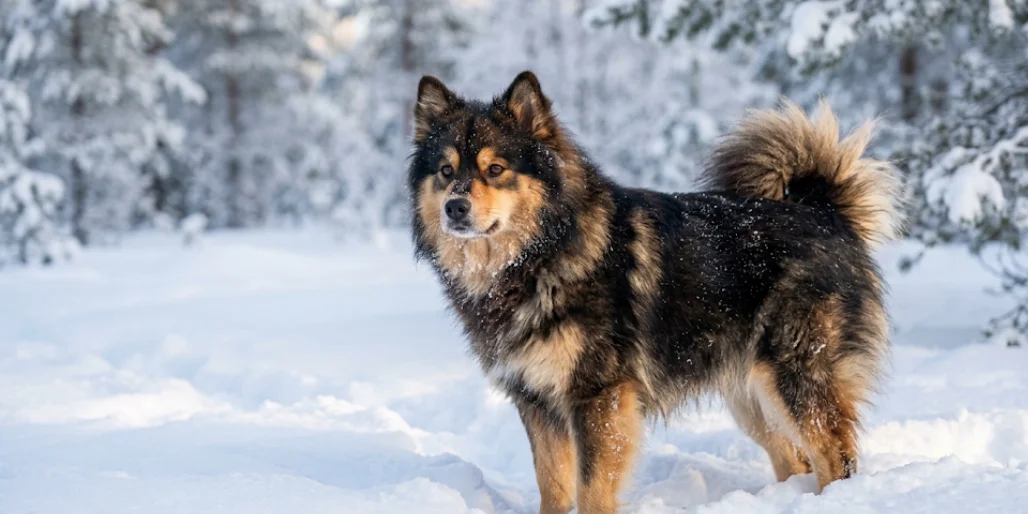
This medium-sized, sturdy, agile Spitz-type dog carries a strong herding instinct rooted in its origins with the Sami people of Finland, who bred it to herd reindeer. Its build reflects that purpose: fit for function, built to endure a harsh arctic climate while working with ease. Soundness is a hallmark of the breed’s design.
Size and Weight
These dogs typically stand 16 to 20 inches at the shoulder and weigh 33 to 53 pounds. A well-balanced body supports both agility and endurance, and the medium frame suits a herder well, allowing it to gallop and cover varied terrain with ease.
Coat and Color Variations
A profuse double coat, a soft, dense undercoat beneath a slightly longer, straight outer layer, protects against the cold and defines the breed’s look. Various color combinations are acceptable, often with clearly defined markings, and regular grooming keeps the coat healthy and attractive.
Temperament of Finnish Lapphunds
Personality Traits
Intelligent, brave, and calm, this breed makes an excellent companion. Herding instincts bring natural attentiveness and eagerness to please, alongside an independent streak. A friendly disposition paired with watchfulness makes for a good watchdog without tipping into aggression.
Interaction with Families
Gentle and loyal, these dogs thrive on interaction with their human families and generally do well with children and other pets when properly socialized from a young age. Their adaptable nature makes them easy to live with and quick to integrate into family life.
Socialization Needs
Early exposure to different sights, sounds, people, and other dogs helps puppies build confidence and become comfortable in varied situations, a process that’s vital for the dog’s wellbeing and for heading off behavioral issues later on.
Exercise Needs
Daily Activity Requirements
As an agile, active breed, it needs at least an hour of moderate to vigorous activity daily. Brisk walks, jogging, or active play in a securely fenced yard all help maintain physical and mental wellbeing, and keep boredom and destructive behavior at bay.
Fun Activities
Beyond daily walks, hiking, agility training, and dog sports keep this intelligent breed engaged. Its natural herding instinct makes it a strong candidate for herding trials, and interactive toys or puzzle feeders offer good mental stimulation on quieter days.
Importance of Mental Stimulation
Physical exercise alone isn’t enough. This breed’s intelligence demands challenges to keep its mind sharp. Training sessions, new tricks, or scent work all help meet that need and support overall wellbeing.
Herding Instincts and History
Role as Reindeer Herding Dogs
The breed’s history is deeply tied to its role as a reindeer herder. For centuries, the Sami people relied on these dogs to manage reindeer across vast arctic landscapes, where natural instinct, intelligence, and resilience made them indispensable partners.
Training for Herding Tasks
Those herding tendencies come through naturally in training. Early exposure to livestock, combined with consistent positive reinforcement, hones these innate abilities, and a good breeder will often introduce puppies to basic herding concepts as a foundation for more advanced work later.
Comparison with Other Herding Breeds
Compared to breeds like the Border Collie, this dog tends toward a calmer demeanor while still showing real herding prowess, aided by a profuse double coat and medium frame well suited to arctic conditions and the specific demands of reindeer herding.
Grooming Needs
Brushing and Shedding
The double coat that helps this breed thrive in arctic conditions needs consistent care to stay healthy, with regular brushing especially important during shedding season, when the dense undercoat comes out in handfuls. Aim for 2 to 3 sessions a week with a slicker brush and an undercoat rake to prevent mats and tangles.
Bathing and Hygiene
The outer coat is somewhat self-cleaning, but occasional baths keep it fresh and free of debris. Thorough drying afterward matters, since a thick double coat holds moisture and can lead to skin issues if left damp. A bath every few months, or as needed, with a dog-specific shampoo, usually does the job without stripping natural oils.
Ear and Nail Care
Erect or semi-erect ears should be checked weekly for cleanliness and signs of infection, and nails typically need trimming every 3 to 4 weeks to prevent discomfort and support proper foot structure.
Common Health Issues
Generally a healthy breed with a good life expectancy, though like all breeds it can be prone to certain genetic conditions, including progressive retinal atrophy (PRA), elbow dysplasia, and hip dysplasia. A responsible breeder screens breeding stock to minimize these risks.
Best Living Conditions
Adaptable enough to thrive in apartments or homes with yards, as long as exercise needs are met. Being part of the family and having regular physical and mental stimulation matters most. Daily walks are essential regardless of how much yard space is available.
Training Tips for Owners
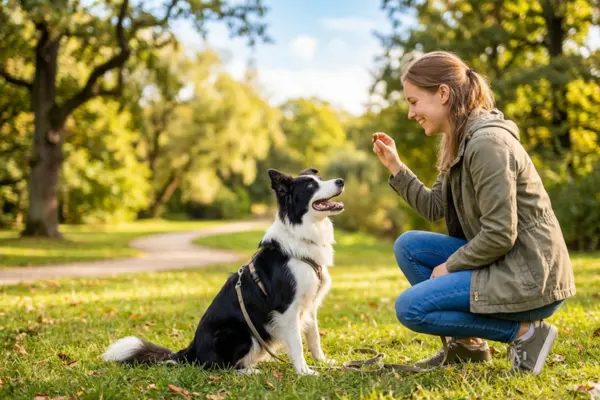
Training tends to be rewarding thanks to this breed’s intelligence and eagerness to please. Positive reinforcement works best with these sensitive dogs, and early, consistent socialization from a young age shapes a well-behaved companion. Channeling the herding instinct into constructive activities pays off well.
Similar Breeds
Comparison with Other Nordic Breeds
Shared traits with other Nordic breeds include a Spitz-type appearance, a profuse double coat, and strong cold-climate adaptability. The Norwegian Elkhound, Swedish Lapphund, and Icelandic Sheepdog share a similar history of herding or working in harsh environments, though this breed often stands out for its calmer temperament and slightly longer outer coat.
Similarities with Other Herding Breeds
The herding instinct runs strong here too, though the method differs. Where a Border Collie relies on an intense “eye,” this dog typically herds by barking and nipping to move reindeer. Intelligence and agility remain common threads with other herders, making for a quick learner in tasks that require focus and problem-solving.
Choosing the Right Breed for You
An intelligent, loyal, moderately active dog with a gentle temperament that thrives on family interaction: that’s the profile to look for if this breed sounds like a fit. Pawandbreeds’ Dog A-Z Breeds Guide offers further insight, including leads on reputable breeders.
FAQ’s
Q: What exactly is a Finnish Lapphund according to the kennel club standard?
A: A medium-sized Spitz-type dog straight from Lapland, originally used as a reindeer herder. The kennel club describes a well-built dog with a thick double coat, expressive eyes, and a friendly personality, officially recognized as a native breed of Finland, seemingly made for cold weather and hard work.
Q: Why was it originally bred to be a herder?
A: The breed’s whole backstory ties to its job managing reindeer herds. It needed to be tough, smart, and agile enough to keep massive herds in line across freezing tundra, which explains the dense coat and hardy build. Most of these dogs today are companion animals living cozy lives on the couch, but that herding instinct is still baked into their DNA.
Q: How does it differ from the Lapponian Herder?
A: People mix these two up constantly. Both come from the same general area and worked with reindeer, but they’re officially separate breeds recognized by different kennel clubs. The Lapponian Herder has a shorter, coarser coat built for rugged work, while this breed usually has a longer, fluffier look. Genetic cousins, not twins.
Q: What does the coat actually look like?
A: A big deal in breed standards. The outer coat is long and somewhat harsh to the touch, while the undercoat is soft and dense, giving that classic Spitz fluffiness. In motion, the coat flows and the tail may curl over the back, an iconic look. A coat that’s too soft all over, without harsh guard hairs, is considered a fault in the show ring.
Q: What do the Finnish Lapphund Club and Finnish Lapphund Club of America actually do?
A: Both are go-to authorities for reliable breed info. The UK-based Finnish Lapphund Club and the Finnish Lapphund Club of America work with breeders and judges to keep the standard consistent and educate new owners, hosting events, sharing health testing guidelines, and acting as community hubs for enthusiasts. A great first stop if you’re considering one.
Q: Are there structural faults judges look for?
A: Quite a few. Upper arm angulation, overall proportions, and movement all get scrutiny. The seriousness of a fault should be proportional to its effect on health and welfare, so minor cosmetic quirks matter less than anything that could cause pain or mobility issues.
Q: Is it a good companion dog for regular families?
A: Very much so. Despite the working background, it’s now mostly known as a companion: affectionate, loyal, and fairly vocal (fair warning, they love to bark). Bred to work closely with humans, they bond hard with their families and do well with kids and other pets when properly socialized.
Q: How does the kennel club describe the ideal temperament?
A: Calm, friendly, and intelligent, with enough alertness to make a decent watchdog. Not aggressive, just naturally cautious with strangers before warming up. That balance of calm and alertness comes straight from the herding roots, where gentleness with animals had to pair with sharp reactions to danger.
Q: Why does breed standardization matter so much?
A: It keeps the breed’s unique traits, coat texture, body proportions, temperament, consistent generation after generation. Without clear guidelines from breeders and judges, variation would creep in that strays from what defines the breed, and it also protects health, since responsible breeding practices tie directly to these written standards.
Q: What size and build should I expect?
A: Officially medium-sized, not too big, not too small, solid and well-built without being bulky. Males and females differ slightly in size, but overall it’s compact enough for apartment life yet athletic enough for long hikes or snowy adventures, true to its reindeer-herding roots.