Welcome to MyPawAndBreeds, your ultimate resource for everything canine! In this comprehensive guide, we’re diving deep into the world of the Hungarian Vizsla, a truly remarkable breed. If you’re considering bringing a Vizsla into your home or already have one, you’ll find a wealth of information here, from understanding their unique temperament to practical dog training tips. We also have a fantastic pillar page on “dog breeds guide” for those looking to explore other breeds!
Introduction to the Hungarian Vizsla
Overview of the Vizsla Breed
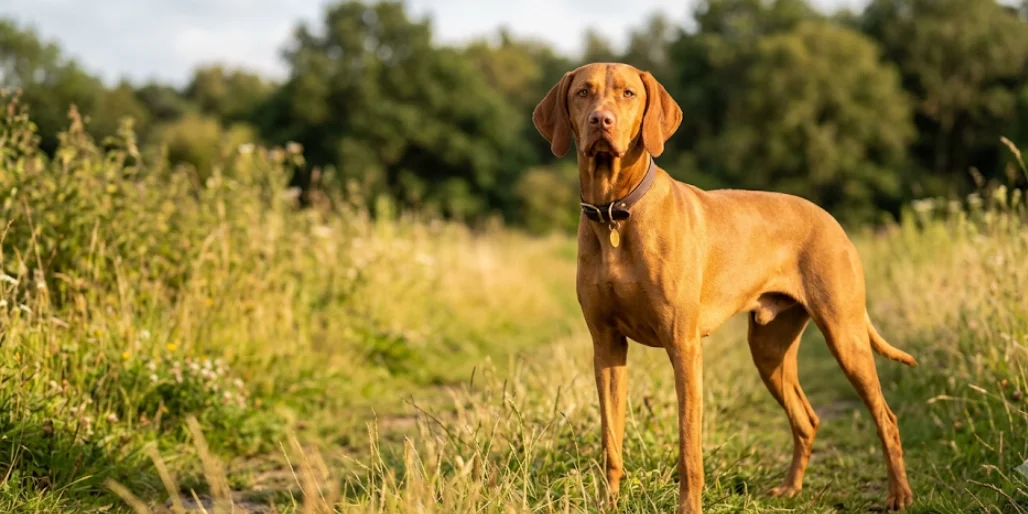
The Hungarian Vizsla, often simply called a Vizsla, is a truly distinctive breed known for its striking golden-rust coat and elegant, muscular build. Originally bred as a versatile hunting dog in Hungary, the Vizsla possesses a remarkable blend of intelligence, athleticism, and an affectionate temperament. These dogs are highly adaptable and excel in various activities, making them cherished companions for active individuals and families. Their history as a hunting dog means they possess a strong prey drive and require significant mental stimulation and physical activity to thrive. A well-socialized and properly trained Vizsla will display a confident yet gentle demeanor, forming strong bonds with their human family.
Why Choose a Hungarian Vizsla Puppy?
Choosing a Hungarian Vizsla puppy means inviting a lively, loyal, and incredibly intelligent companion into your life. Vizslas are renowned for their affectionate nature and their desire to be an integral part of their family, often referred to as “velcro dogs” due to their clinginess. They are eager to please and respond exceptionally well to positive reinforcement during dog training, making them a rewarding breed for dedicated dog owners. However, it’s crucial to remember that Vizsla puppies are high-energy pups that require significant commitment in terms of exercise, mental stimulation, and consistent training to develop into well-behaved adults. Their vibrant personality and strong bond with their owners make them an excellent choice for active households looking for a devoted four-legged friend.
Importance of Training Hungarian Vizslas
Training Hungarian Vizslas is not just important; it’s absolutely essential for their well-being and for a harmonious life with your family. Due to their history as a hunting dog, Vizslas are high-energy and possess strong hunting instincts and a keen intelligence that, without proper guidance, can lead to undesirable behaviors. Early and consistent obedience training is vital to harness their intelligence and direct their energy constructively. A well-trained Vizsla is a joy to live with, capable of understanding commands and responding appropriately in various situations. From basic commands to more advanced dog training techniques, teaching your Vizsla is a continuous journey that strengthens your bond and ensures they become a well-adjusted and happy member of society. Remember, a mentally stimulated Vizsla is a happy Vizsla!
Understanding the Vizsla Temperament
Common Traits of Hungarian Vizslas
The temperament of Hungarian Vizslas is truly captivating, embodying a unique blend of affection, intelligence, and boundless energy. These dogs are renowned for being extremely devoted to their families, often earning them the nickname “Velcro Vizslas” because they love to be by your side. A typical Vizsla exhibits a gentle and sensitive nature, yet they possess an incredibly spirited personality. Their history as a hunting dog means they have an innate prey drive and a keen sense of awareness. Hungarian Vizslas are also highly intelligent and eager to please, making them generally easy to train with the right methods. However, their sensitivity means they respond best to positive reinforcement during dog training.
Socialization Needs of Vizsla Puppies
Socialization is paramount for Vizsla puppies to ensure they grow into well-adjusted and confident adult dogs. Exposing your Vizsla puppy to a variety of sights, sounds, people, and other friendly dogs from a young age is crucial. This early exposure helps prevent the development of fear or anxiety and fosters a calm and accepting temperament. Proper socialization needs to be a continuous process, extending beyond puppyhood, especially given the breed’s sensitive nature. A well-socialized Vizsla will be more adaptable to new situations, less prone to behavioral issues, and generally a happier, more confident companion. Invest time in this critical area, and you’ll reap the rewards with a well-rounded Hungarian Vizsla.
Behavior Patterns in Hungarian Vizslas
Understanding the common behavior patterns in Hungarian Vizslas is key to a harmonious relationship. As a high-energy breed, Vizslas need significant physical exercise and mental stimulation daily. Without enough outlets for their energy, they can develop undesirable behaviors such as excessive barking, chewing, or digging. Being aware of these patterns helps a Vizsla owner proactively manage their dog’s needs. Key characteristics to remember about Vizslas include:
- Their strong hunting instincts mean they might be prone to chasing small animals, so a secure yard and leash training are essential.
- They thrive on routine and consistency, making obedience training a vital component of their development.
- They are highly intelligent, so engaging them with puzzle toys and varied training sessions can prevent boredom and reinforce good habits.
Training Your Hungarian Vizsla
Welcome back to MyPawAndBreeds, where we’re dedicated to helping you understand and train your Hungarian Vizsla! Effective dog training is the cornerstone of a happy and well-adjusted Vizsla, and it’s something every Vizsla owner should prioritize. Given their intelligence and high-energy nature, Hungarian Vizslas thrive on consistent guidance and positive reinforcement. Whether you have a playful Vizsla puppy or an adult Hungarian Vizsla, the right training can transform potential challenges into rewarding experiences. Remember to also check out our comprehensive “dog breeds guide” for more insights into various breeds and their unique training requirements!
Obedience Training for Vizslas
Obedience training is paramount for Vizslas, laying the foundation for good behavior and a strong bond with their Vizsla owner. These intelligent dogs are eager to please, making them relatively easy to train, but consistency is key. You should start with basic commands from an early age, including:
- “sit”
- “stay”
- “come”
- “down”
Using positive reinforcement, such as treats, praise, and play, will motivate your Vizsla puppy and make training a fun and engaging experience. Due to their high-energy nature and strong prey drive, a solid recall command is especially vital for the safety of your Hungarian Vizsla during off-leash activities. Regular, short training sessions are often more effective than infrequent, long ones, keeping your Vizsla engaged and preventing boredom.
Effective Techniques for Training a Vizsla
When training a Vizsla, employing effective techniques is crucial for success. Hungarian Vizslas respond best to positive reinforcement methods, as their sensitive temperament can be adversely affected by harsh corrections. Utilize clicker training, lure-and-reward, and proofing techniques to solidify commands in various environments. Given their background as a hunting dog, incorporating scent work or retrieve games can tap into their natural instincts, providing valuable mental stimulation and making training more enjoyable. Socialization should also be an ongoing part of your training, exposing your Vizsla to different people, places, and other friendly dogs to ensure a well-rounded and confident pup. Remember, patience and consistency are your greatest allies when teaching your Vizsla.
Addressing Common Behavior Problems
Even with the best intentions, Vizslas can develop common behavior problems that require understanding and patience to address. Due to their high-energy level and need for constant mental stimulation, issues like excessive barking, chewing, or destructive behavior often stem from boredom or insufficient exercise. A strong prey drive might lead to chasing small animals, necessitating reliable recall and leash training. Separation anxiety is another common concern for “Velcro Vizslas,” requiring gradual desensitization and comfort strategies. Consult a professional dog trainer or a Vizsla club if you’re struggling, as early intervention and the right training techniques are essential to modify undesirable behavior patterns and ensure your Hungarian Vizsla dog thrives.
Care and Grooming for Hungarian Vizslas
Basic Grooming Needs of Vizslas
Caring for your Hungarian Vizsla involves more than just dog training; it also includes meeting their basic grooming needs to keep their distinctive golden-rust coat healthy and vibrant. Thankfully, the Vizsla’s short, dense coat is relatively low maintenance compared to many other dog breeds. Regular brushing, perhaps once or twice a week with a rubber curry brush or a soft bristle brush, is usually enough to remove loose hair and stimulate the skin. This also helps distribute natural oils, keeping their coat shiny. Don’t forget nail trims every few weeks to prevent discomfort and potential paw problems, and check their ears regularly for cleanliness to avoid infections. While they shed seasonally, consistent grooming keeps it manageable for any Vizsla owner.
Feeding Your Hungarian Vizsla: Dog Food Tips
Feeding your Hungarian Vizsla properly is crucial for their overall health, energy level, and well-being. As a high-energy breed, Vizslas require a high-quality diet that supports their active lifestyle. Look for premium dog food that lists real meat as the primary ingredient and is free from excessive fillers, artificial colors, or preservatives. The amount of food your Vizsla needs will depend on their age, activity level, and metabolism, so always follow the breeder or veterinarian’s recommendations and the dog food packaging guidelines. For Vizsla puppies, multiple smaller meals throughout the day are often best to aid digestion and maintain their energy. Regular feeding routines contribute to a healthy pup and can even assist in dog training by creating predictability.
Exercise Requirements for a Healthy Pup
Meeting the exercise requirements for your Hungarian Vizsla is non-negotiable for a happy and healthy pup. Vizslas are high-energy dogs bred as hunting dogs, meaning they possess an incredible amount of stamina and a strong prey drive. They need at least 60-90 minutes of vigorous exercise daily, which can include fast-paced walks, running, hiking, or off-leash play in a secure area. Without adequate physical and mental stimulation, a Vizsla can become bored and develop destructive behaviors. Engaging them in activities like fetch, agility, or even scent work can help burn off energy and satisfy their innate hunting instincts. Remember, a tired Vizsla is a well-behaved Vizsla, making them much easier to train and live with.
Conclusion: Your Journey with a Hungarian Vizsla
Recap of Training and Care Tips
Embarking on a journey with a Hungarian Vizsla is incredibly rewarding, and throughout this guide, we’ve covered essential tips for their training and care. From understanding their affectionate and intelligent temperament to implementing positive reinforcement in dog training, consistency is key. To ensure a well-cared-for and well-trained Vizsla thrives, becoming a loyal and joyful member of your family, consider these vital aspects:
- Early socialization for Vizsla puppies and regular exercise are crucial to manage their high-energy level and strong hunting instincts.
- Basic grooming, such as regular brushing and nail trims, keeps them looking their best.
- A high-quality diet fuels their active lives, alongside continuous mental and physical engagement for their overall well-being.
Final Thoughts on Owning a Hungarian Vizsla
Owning a Hungarian Vizsla is a commitment that brings immense joy and an undeniable bond. These “Velcro Vizslas” will undoubtedly become an integral part of your life, offering unwavering loyalty and a lively spirit. While their high-energy and need for mental stimulation require dedication from the Vizsla owner, the rewards are immeasurable. They are intelligent, eager to please, and with the right training and consistent care, will develop into exceptional companions. Your Hungarian Vizsla will challenge you, make you laugh, and fill your home with love. Embrace their unique temperament, provide them with the exercise and training they need, and you’ll experience a truly special relationship with this magnificent breed.
Explore More on Dog Breeds Guide
We hope this comprehensive guide has provided you with valuable insights into the Hungarian Vizsla, helping you on your journey with this wonderful breed. At My PawAndBreeds, our mission is to empower dog owners with the knowledge they need to raise happy, healthy, and well-behaved pups. If you’re curious about other dog breeds or looking for more detailed information on specific topics like advanced dog training techniques or breed-specific health concerns, be sure to explore our extensive pillar page on the “dog breeds guide.” It’s a fantastic resource for any dog enthusiast, offering a wealth of information to help you make informed decisions about your canine companions.
FAQ’s
Q: How do I train your vizsla puppy—what’s the best way to train your vizsla from day one?
A: Start with positive, short sessions and consistency. Begin training from an early age with basic commands (sit, stay, recall) using treats and praise—vizslas are smart and eager to please their owners, so gentle reward-based methods work best. Socialize them with people and dogs like vizslas early, introduce crate training, and enroll in training classes once vaccinated. That combo of learning and training helps keep them engaged and builds good habits.
Q: Is the hungarian vizsla breed easy to train compared to other dogs?
A: Yes—generally, the hungarian vizsla breed is easy to train because vizslas are sensitive and eager to please. They respond really well to positive reinforcement and consistent routines. Avoid harsh corrections; because vizslas are sensitive, they’re more motivated by encouragement and fun training sessions than by punishment.
Q: What are the top hungarian vizsla dog training tips for dealing with their high prey drive?
A: Use reliable recall work, long-line practice, and controlled off-leash training areas. Teach impulse control games (leave it, wait) and reward calm behavior. Mental and physical stimulation are key—tons of exercise and scent work or puzzle toys drain prey-drive energy and help keep them safe around small animals.
Q: How much exercise does a vizsla need—do vizslas need tons of exercise every day?
A: Yep—vizslas need tons of exercise and thrive with exercise every day to keep them happy and healthy. Aim for long walks, runs, play sessions, and off-leash time if safe. Combine physical exercise with mental challenges like training, scent games, or agility to keep them engaged and prevent boredom.
Q: What’s the best hungarian vizsla training approach for socialization and manners?
A: Early, frequent exposure is the way to train—introduce different people, places, sounds, and other dogs in positive settings. Use short, fun sessions and reward calm behavior. Puppy training classes help with manners and social skills, and ongoing training classes keep learning fresh while building confidence.
Q: How do I keep a happy dog—what do vizslas need mentally and physically?
A: To keep them happy, combine regular exercise with mental activities: training sessions, scent work, interactive toys, and play. Vizslas are sensitive and crave companionship, so include family time and consistent routines. Support joint health with proper nutrition and avoid excessive high-impact activity in young dogs to protect the hip joint.
Q: Are wire haired vizslas different to train than smooth-coated ones?
A: Not really—wire haired vizslas share the same temperament: vizslas are smart, eager to please their owners, and sensitive. Grooming needs differ, but training methods stay the same—positive, consistent, and engaging. Tailor activities to their personality rather than coat type.
Q: My vizsla seems easily bored—what’s a good way to train and keep them engaged?
A: Mix it up: short training bursts, trick training, scent work, agility, and interactive toys. Use training from an early age to build a foundation, then add advanced challenges. Mental and physical stimulation prevents destructive behaviors and helps keep them safe and happy.
Q: Any health or safety tips while training a vizsla, especially for joints and behavior?
A: Yes—avoid excessive jumping or high-impact exercise when they’re still growing to support joint health and hip joint development. Keep up with veterinary checks, provide balanced nutrition, and use low-impact activities if joint issues arise. Also manage their high prey drive during outings to keep them safe and under control.