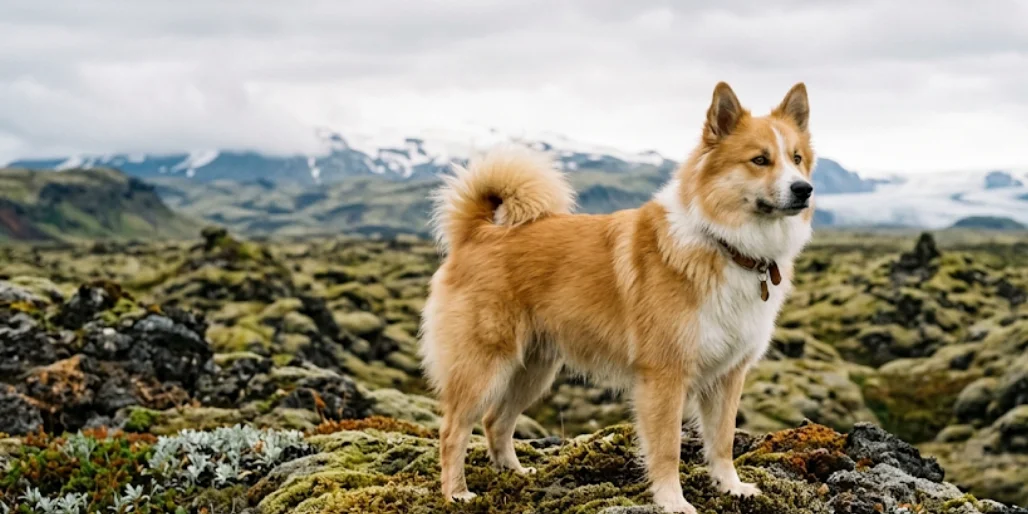
The Icelandic Sheepdog is a captivating breed with a rich history and charming personality. Hailing from Iceland, this intelligent, happy spitz-type dog has been a cherished companion and working dog for centuries. Let’s dive into what makes it so special.
Icelandic Sheepdog Overview
This friendly Nordic dog breed, the Icelandic Sheepdog, truly embodies a delightful spirit. A true family dog, it’s a medium-sized dog known for its affectionate nature. This overview will shed light on the origins and defining characteristics of Iceland’s only native dog, offering a glimpse into its unique charm.
History
Deeply intertwined with Iceland itself, being the country’s only native dog. This ancient breed was brought over by Viking settlers in the 9th century. For over a millennium, these working dogs have played an indispensable role in herding and protecting livestock, thriving in the harsh Icelandic climate.
Characteristics
Truly remarkable for resilience and intelligence. Alert and agile, these herding dogs possess an innate desire to work, making them excellent working dogs, always eager to please and showcase their skills in various dog sport activities.
Physical Appearance
Medium-sized with a distinctive spitz appearance. A thick double coat provides excellent insulation against cold weather. Common markings include various shades with prominent white, and the adorable curled tail is a classic spitz trait, adding to the charming look.
Temperament of the Icelandic Sheepdog
Renowned for a delightful temperament. Generally very intelligent and happy, making for wonderful companions. A gentle nature and eagerness to please contribute to popularity as a family pet, always bringing joy to their humans.
Personality Traits
Often described as vivacious and incredibly friendly, intelligent and happy, always ready for an adventure or a snuggle. A curious nature combined with keen herding instincts makes for an engaging, interactive companion for any active family.
Socialization Needs
Early socialization is crucial for an Icelandic Sheepdog puppy to develop into a well-adjusted adult. Exposing your puppy to various people, places, and other dogs from a young age helps foster their naturally friendly temperament. This ensures they grow up to be confident and outgoing, embracing new experiences with ease.
Compatibility with Families
An excellent family dog, known for a strong bond with human companions. Patient and playful, particularly good with children. This breed thrives on being part of a family unit, offering unwavering loyalty and endless affection to everyone it meets.
Choosing an Icelandic Sheepdog Puppy
Bringing an Icelandic Sheepdog puppy into your home is an exciting journey! These charming Icelandic dogs are known for their intelligent and happy temperament, making them wonderful additions to active families. When selecting an Icelandic Sheepdog, it’s crucial to consider several factors to ensure you bring home a healthy and well-adjusted companion who will thrive in your household.
Finding a Reputable Breeder
Seeking a reputable breeder is paramount. A good breeder prioritizes health and temperament, is often active in breed clubs or associations, and is transparent about breeding practices, happy to answer questions about the breed’s specific needs.
What to Look for in Puppies
Observe general demeanor and interaction with littermates. Look for playful, curious, outgoing puppies with clear eyes and a clean double coat. A healthy pup should be energetic and responsive, displaying the intelligent, happy traits characteristic of this wonderful breed.
Health Considerations
Reputable breeders provide health clearances for parent dogs, particularly regarding common issues like hip dysplasia. Generally a robust breed, but discussing potential hereditary conditions with your breeder matters, and understanding lineage health history helps prepare for long-term care.
Caring for Your Dog
Caring for an Icelandic Sheepdog involves more than just daily feeding; it’s about nurturing their active mind and body. This intelligent and happy dog breed thrives on engagement and consistent care. Understanding their specific needs for nutrition, grooming, and training will ensure your Icelandic dog lives a full and joyful life as a cherished family dog.
Feeding and Nutrition
Proper nutrition is vital for maintaining energy and health. A high-quality diet appropriate for a medium-sized breed is recommended. Given an active nature as working dogs, food intake should be monitored and adjusted based on activity level to prevent obesity and ensure all necessary nutrients.
Grooming Needs
A beautiful double coat requires regular grooming to stay in good condition. Not excessively high-maintenance, but weekly brushing is essential to manage shedding, especially during seasonal changes, and this doubles as a great bonding opportunity.
Training Tips
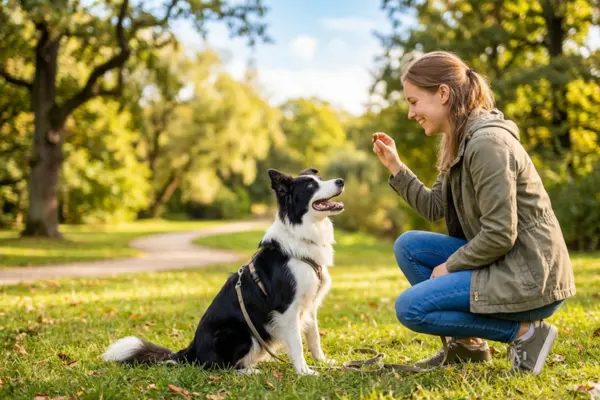
Training is a rewarding experience thanks to intelligence and eagerness to please. Early socialization and positive reinforcement work best. Consistent training, incorporating dog sport or agility elements, channels natural herding instincts and provides the mental stimulation this native breed craves. Learn more in our Dog A-Z Breeds Guide, from Pawandbreeds.
The Rare Icelandic Sheepdog
Conservation
As Iceland’s only native breed, this dog holds a special place in many hearts, leading to dedicated conservation efforts. Historically, disease and cross-breeding brought challenges, but passionate individuals and breed clubs worked tirelessly to revive the population. These initiatives have ensured the intelligent, happy temperament of this spitz breed continues to thrive for future generations.
National Breed Recognition
The journey toward national and international recognition has been a significant part of the conservation story. Acceptance from major kennel clubs, such as the American Kennel Club, established a formal standard and promoted responsible breeding, protecting the breed’s integrity and distinct features, from double coat to curled tail and unique markings.
Community and Resources
A vibrant community offers invaluable resources for owners and enthusiasts. Organizations like the Icelandic Sheepdog Association of America connect breeders and owners, sharing knowledge about temperament, training, and care, and hosting dog sport events and educational programs.
Conclusion
Final Thoughts
The Icelandic Sheepdog is truly a captivating dog breed, embodying centuries of history and a delightful temperament. As Iceland’s only native dog, its journey from Viking companion to beloved family dog is remarkable. With its intelligent and happy disposition, distinctive double coat, and charming curled tail, this medium-sized spitz-type breed continues to win hearts globally, making it a wonderful addition to any active household.
Learn More About Dog Breeds
Exploring the world of dog breeds is fascinating, and there’s always more to learn, whether herding breeds, spitz types, or other medium-sized companions.
About Pawandbreeds
Pawandbreeds is dedicated to helping you find the perfect companion and providing comprehensive resources on various breeds.
FAQ
Q: What exactly is this breed and where does it come from?
A: Iceland’s only native breed, a proper spitz-type dog that came over with the Vikings. Brought to Iceland over a thousand years ago, it stuck around and evolved into what we recognize today: medium-sized, fox-like face, curled tail, an all-around cheerful vibe. Honestly one of the oldest breeds in the world still around today.
Q: Is this considered a rare breed?
A: Yeah, totally, rare even in its own homeland. Disease outbreaks once nearly wiped them out, so numbers dropped hard. The Icelandic Dog Breeder Association works hard to keep it going strong and healthy. Outside Iceland you don’t see them too often either, so spotting one on a walk is a bit of luck.
Q: What’s the deal with the coat? I heard there are two types.
A: Yep, true. The standard recognizes two coat types: short-haired and long-haired. Both have a dense, weatherproof outer coat with a soft undercoat, which makes sense given how brutal Icelandic winters get. The tail is bushy too, curling up over the back, a classic spitz trait you’ll notice right away.
Q: Do they come in a black mask variety?
A: They sure can. Most sport various shades of tan, cream, red, or gray, but some show a black mask that adds character to that fox-like expression. Coat colors vary quite a bit, but the standard is flexible as long as overall look and structure stays true to type.
Q: What’s their temperament like? Are they good family dogs?
A: Gentle temperament is one of the biggest selling points here. Friendly, playful, super loyal to their people, and generally great with kids. Confident and lively, always alert and curious about what’s going on around them, not aggressive at all, more like the town greeter wanting to say hi to everyone.
Q: Were they actually bred for herding?
A: Definitely, that’s the whole original job. Herding instincts run deep, since they were bred specifically to help farmers manage sheep across rough terrain. Vocal barkers too, useful for alerting shepherds to strays or predators. Even today, plenty still show off natural herding instincts even living as pets in a regular house.
Q: How is this breed different from other spitz breeds like the Karelian Bear Dog?
A: People mix these up sometimes. Both are spitz types with similar curled tails and pointed ears, but the Karelian Bear Dog is a Finnish or Russian breed built for hunting big game like bears, with a bolder, more independent streak. This one was purpose-bred for herding and companionship, so it’s way more social and less intense. Different jobs, different personalities.
Q: Is breeding regulated, or is it pretty casual?
A: Taken pretty seriously actually. Breeding involves careful attention to genetic diversity, since the population is small and the gene pool isn’t huge. Organizations track lineage carefully to avoid health issues from inbreeding. If you’re getting a puppy, go through a reputable breeder rather than a random ad online, since responsible breeding is what keeps this rare breed thriving.
Q: Is this breed recognized by international organizations?
A: Yep, international recognition through major kennel clubs including the FCI, AKC, and others. It took a while to get official recognition outside Iceland, but it’s now acknowledged as a distinct, legitimate breed worldwide. Still rare, so you won’t find them at every dog show or in every neighborhood, but the reputation keeps growing.
Q: Do these dogs need a lot of exercise and grooming?
A: Pretty active, so yeah, regular exercise is a must: hiking, fetch, being outdoors generally. As for grooming, that dense outer coat needs regular brushing especially during shedding season to stay manageable. Not overly high-maintenance compared to some breeds, but you can’t ignore that fluffy coat and expect it to stay tangle-free on its own.