
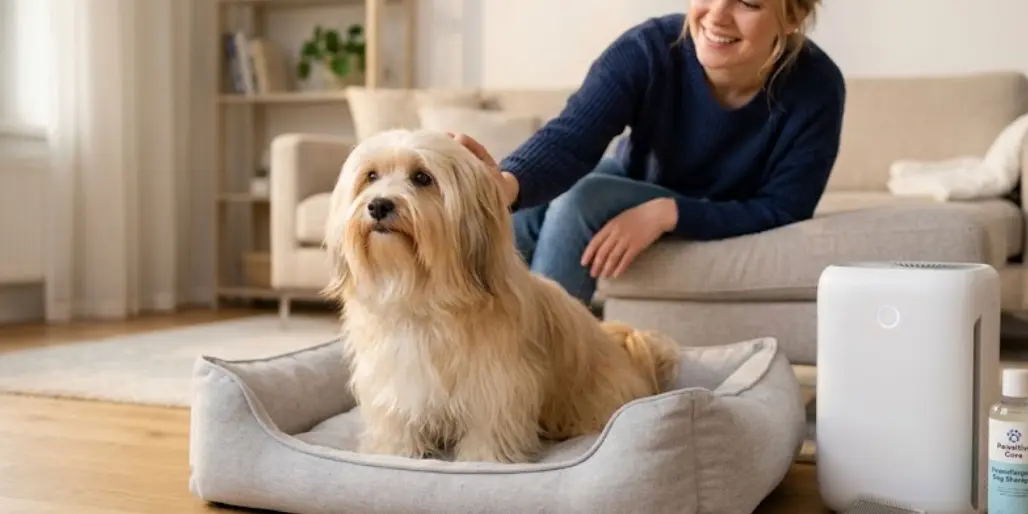
Yes, the Havanese is widely considered a hypoallergenic dog breed because they shed very little hair and produce fewer dander-trapping allergens compared to other dogs, making them a fantastic choice for people with mild dog allergies. When you start researching this charming dog breed, you quickly realize why so many families fall in love with them. Originating as the only dog breed native to Cuba, this delightful Havanese dog belongs to the bichon family, sharing close ties with other popular little dogs like the bichon frise, Maltese, and Coton de Tulear.
Understanding the Havanese Breed
Overview of the Havanese
This wonderful Havanese breed is famous for its luxurious double coat, expressive eyes, and cheerful disposition that brightens up any room. Even though no dog is completely allergen-free, this Havanese hypoallergenic quality comes down to their unique hair instead of traditional fur, meaning they shed less and release fewer floating hair and dander particles into your living space. Keeping their coat in top shape requires regular grooming to prevent mats, but the effort is totally worth it for anyone who wants a charming companion.
Havanese Temperament
The Havanese temperament is remarkably gentle, playful, and deeply affectionate, making these companion dogs wonderful and good with children and other pets in a busy household. They thrive on human companionship and genuinely love spending time with their families, though this strong bond can sometimes lead to separation anxiety if they are left alone for too long. Because they are so bright and eager to please, you will find that a Havanese puppy is generally very easy to train using positive reinforcement methods from an early age.
Havanese Health and Care
Maintaining proper Havanese health involves routine veterinary checkups and high-quality dog food to keep your furry friend happy and active throughout their life. Proper dog ownership also means paying close attention to their specific needs, ensuring they stay vibrant and healthy for many years by focusing on:
- consistent physical activity
- dental hygiene and ear care
Whether you are currently adopting a Havanese or just beginning your journey into owning a Havanese, providing attentive care guarantees a wonderful life together.
Are Havanese Dogs Hypoallergenic?
When wondering if dogs are hypoallergenic, it helps to understand that no single dog breed is one hundred percent free of allergens, but the Havanese hypoallergenic nature makes them a top-tier choice for people with allergies. This specific Havanese breed is known for producing fewer allergy triggers, meaning that families struggling with standard pet sneezing can often coexist happily with these wonderful little dogs. If you want to explore more options that fit a similar lifestyle, you might also want to check out our guide on small hypoallergenic dogs to see how other popular companion dogs compare to this charming Cuban favorite in everyday home environments.
What Does Hypoallergenic Mean?
Understanding what makes a hypoallergenic breed so special involves looking past the marketing and diving into the science of proteins, hair, and dander. Every dog produces proteins found in their saliva, urine, and dead skin cells, which are the main culprits behind typical dog allergies that make people miserable. While no animal is entirely magic, hypoallergenic dog breeds like the Havanese dog release significantly fewer floating particles into the air. This happens because their specialized hair traps loose strands rather than letting them drift endlessly across your furniture, carpets, and clothing every single day.
Do Havanese Shed?
The main reason this particular Havanese dog breed wins over so many households is that they shed less than heavy-coated canines, keeping your floors surprisingly clean. While standard double-coat breeds leave tumbleweeds of fur in every corner during seasonal changes, the Havanese grows hair that behaves more like human strands. However, keeping that gorgeous coat from turning into a tangled mess requires regular grooming and daily brushing. Without this hands-on upkeep, trapped loose hairs will form painful mats close to the skin, which can trap more dirt and irritants right against the animal.
Allergens and Dog Allergies
Dealing with severe dog allergies usually means managing microscopic dander, saliva, and dried urine particles that cling to household surfaces long after the pet has left the room. Even though the Havanese hypoallergenic status is a massive relief for sensitive owners, remember that allergic reactions can still happen because every dog produces some level of protein allergens. You can drastically reduce the overall allergen load in your home by taking a few key steps:
- Bathing your pet frequently
- Vacuuming with high-efficiency particulate air filters
- Keeping upholstery clean
These measures will ensure that everyone can breathe easier and enjoy their furry companion.
Choosing the Right Hypoallergenic Dog
Choosing the right hypoallergenic dog for your household can feel overwhelming, especially when you are trying to weigh the pros and cons of different popular small pets. If you are comparing a Havanese breed to other options, you will find that each companion brings its own unique charm and specific care requirements to your daily routine. People with allergies often look for animals that shed less and produce fewer irritating dander particles. The Havanese dog stands out because it fits wonderfully into cozy apartments and busy family homes alike, offering an affectionate temperament without leaving endless tufts of fur floating all over your furniture.
Havanese vs. Other Hypoallergenic Breeds
When stacking the Havanese dog breed against other popular choices like the bichon frise or Maltese, you will notice many similarities since they all belong to the same delightful bichon family. Every single hypoallergenic dog breed has its own distinct personality, but they share that coveted low-shedding quality which is so important for individuals who are allergic to dogs. While some alternative breeds might require slightly different coat maintenance or possess a more independent temperament, the Havanese remains a top-tier favorite due to its remarkably sweet disposition and eagerness to please everyone in the household.
Why People with Allergies Love Havanese
People with allergies adore this particular Havanese puppy because its unique hair traps loose strands and dander much better than traditional fur does. Even though no animal is completely free of allergens since every dog produces natural proteins in its saliva and skin, the Havanese hypoallergenic nature drastically reduces floating triggers in the air. Regular grooming sessions help keep trapped dander under control, ensuring that sensitive owners can cuddle their beloved pet without triggering constant sneezing fits or watery eyes during everyday indoor activities.
Considerations When Getting a Havanese Puppy
Before bringing home a new Havanese puppy, you must consider the time commitment required for proper dog ownership. To maintain optimal health and happiness, you will need to provide:
- Daily brushing
- High-quality dog food
- Routine veterinary care
These intelligent companion dogs thrive on human interaction and can experience separation anxiety if left alone for extended periods. By investing time into early socialization and consistent training, you will ensure your new furry friend grows into a well-adjusted, confident member of the family. To learn more about welcoming one of these wonderful pets into your home, be sure to check out PawandBreeds for expert advice and guidance.
Caring for Your Havanese
Grooming Needs of the Havanese
Taking care of your Havanese requires a dedicated routine because this charming dog breed features a gorgeous double coat that demands regular grooming to stay free of painful tangles. Since this Havanese dog breed sheds less than other pets, loose hairs get trapped in the curls instead of falling on your furniture, which is fantastic for people with allergies. Establishing a daily brushing habit prevents mats from forming close to the skin, keeping your affectionate companion looking pristine and reducing floating dander around the house.
Common Health Issues in Havanese
Maintaining optimal Havanese health involves staying vigilant about routine veterinary checks, feeding high-quality dog food, and monitoring your pet for common hereditary concerns like patellar luxation or eye issues. Proper dog ownership means providing balanced nutrition and daily exercise to keep your little dog active and prevent unnecessary weight gain as your Havanese puppy grows into an adult. By keeping up with dental hygiene and ear cleaning, you ensure your beloved companion lives a long, vibrant life without unexpected medical setbacks.
Training Your Havanese
The delightful Havanese temperament makes these companion dogs remarkably easy to train when you use positive reinforcement, treats, and plenty of praise during short daily sessions. Because this Havanese breed forms such a strong bond with family members, teaching them independence early on helps prevent separation anxiety when you need to step away from the home. Socializing your puppy with new environments, friendly strangers, and other animals guarantees they grow into confident, well-mannered pets that are an absolute joy to live with.
Final Thoughts
Why Choose a Havanese?
Deciding to welcome this national dog into your home is a wonderful choice if you want a playful, intelligent pet that fits wonderfully into cozy apartments and busy households alike. Their hypoallergenic qualities and loving nature mean you get all the joy of a furry friend without the heavy shedding, making every moment with your loyal companion truly special. Whether you are adopting a Havanese for the first time or expanding your family, their cheerful presence will undoubtedly bring endless warmth and laughter to your daily life.
Resources for Havanese Owners
Finding the right educational materials, local veterinary clinics, and grooming guides will help you master the ins and outs of proper dog ownership and keep your pet thriving for years. Connecting with experienced breeders, online communities, and specialized forums gives you access to invaluable tips regarding nutrition, training milestones, and seasonal coat care. Utilizing these trusted resources ensures you are always prepared to provide the absolute best standard of living for your cherished furry family member.
Learn More About Small Hypoallergenic Dogs
If you want to expand your knowledge beyond this specific Cuban favorite, exploring our guide on small hypoallergenic dogs provides fantastic insights into other wonderful low-shedding breeds. Comparing different companion animals helps you understand how various popular pets stack up in terms of temperament, grooming needs, and allergy-friendly qualities for sensitive households. For comprehensive advice on choosing and caring for your next pet, be sure to visit PawandBreeds to discover expert tips tailored specifically for dedicated animal lovers.
FAQ
Q: Is the Havanese hypoallergenic for people who want a havanese?
A: Yes, this popular dog breed is considered hypoallergenic because they have a coat that requires regular grooming instead of shedding heavily like many other breeds.
Q: Why is this specific dog breed often recommended for allergy sufferers?
A: Havanese are generally intelligent and cheerful pets that produce a lower amount of allergens, which means they do not shed as much dander into your home.
Q: Are they truly hypoallergenic, or can they still cause allergic reactions?
A: No dog is completely hypoallergenic, as every individual dog can still produce some dander and saliva that causes a dog allergy reaction regardless of breed.
Q: How does the Havanese compare to a Bichon Frise or Maltese?
A: Much like the Bichon Frise and Maltese, the national dog of cuba has a unique hair type instead of fur, making them ideal dogs for people with mild allergies.
Q: Are Havanese good apartment dogs for city dwellers?
A: Absolutely, because these playful dogs are small, adaptable, and make good apartment dogs as long as they get enough daily exercise and attention.
Q: What should I know about the coat of a short-haired Havanese?
A: While the breed standard calls for a long, silky coat, some owners clip them into a short-haired Havanese style to make grooming much easier.
Q: What are some important Havanese facts regarding their health and lifespan?
A: Havanese are generally healthy with a typical Havanese lifespan of 14 to 16 years, though responsible dog owners should watch out for conditions like progressive retinal atrophy.
Q: Can you find a mixed breed Havanese that is also allergy-friendly?
A: If you adopt a shih tzu mix or another mixed breed, your mileage may vary, so always spend time around a Havanese before bringing one home to test your personal allergies.





