Learning to use a long line is a game-changer for many dog owners, offering a bridge between on-leash control and off-leash freedom. This guide will walk you through everything you need to know about integrating a long line into your dog’s training regimen, regardless of their paw size or breed.
What is a Long Line and Why is it Important in Dog Training?
Defining the Long Line and its Purpose
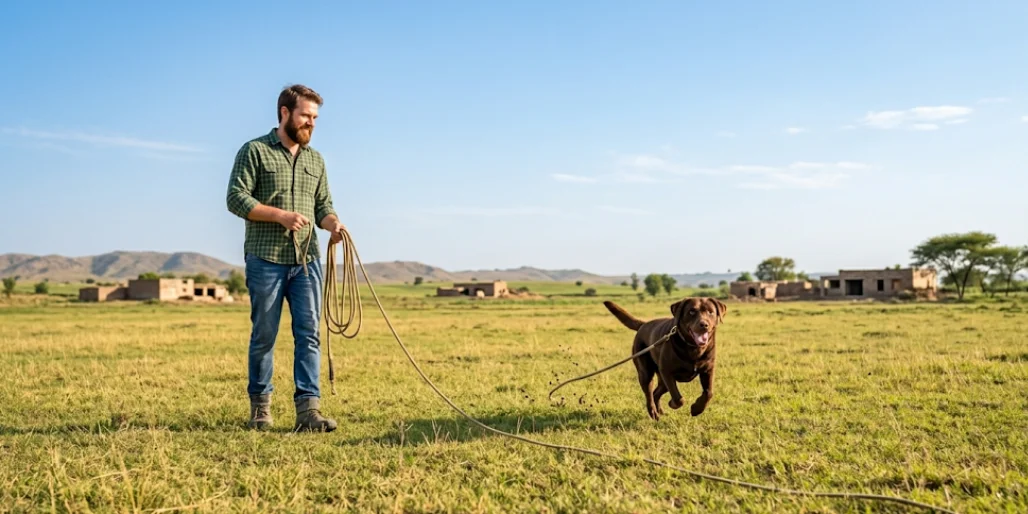
So, what exactly is a long line in the world of dog training? Essentially, a long line is an extended dog leash, far longer than your standard everyday lead, typically ranging from 15 to 50 feet. It acts as a crucial dog training lead, allowing your dog more freedom to roam, sniff, and explore while still giving you, the handler, a safe and secure connection — for a full overview of training methods that complement long line work, visit our dog training guide. Often referred to as a check cord or a training leash, its primary purpose is to safely practice and solidify important commands, especially recall training, in a controlled environment without the dog being fully off-leash.
Benefits of Using a Long Leash in Training
The benefits of using a long leash in your dog training journey are plentiful. It provides a vital safety net, especially for puppies or reactive dogs, allowing them to gain confidence and experience a sense of freedom without the risk of running off or encountering another dog too closely. This extended training lead is perfect for outdoor training, giving your dog ample slack to explore and practice commands like “come” from a distance, all while maintaining a secure connection to their collar or harness. It’s an indispensable tool for building good recall and developing a strong bond.
Different Breeds and their Training Needs
Different dog breeds certainly have varying training needs, and the long line can be adapted to suit them all. For high-energy breeds that love to run, a longer biothane long line provides the space they need to stretch their legs while remaining under control. For smaller breeds or puppies, a lighter, more manageable long line leash prevents them from being weighed down, allowing them to explore comfortably. Regardless of whether you have a large retriever or a tiny chihuahua, a good trainer will emphasize that the right long line can be a universal tool to enhance their overall dog training experience.
How to Choose the Right Long Training Lead for Your Dog?
Choosing the right long line for your canine companion is a crucial step in ensuring effective and safe dog training. With so many options available, it’s important to consider your dog’s specific needs, your training goals, and the environment where you’ll be using the long leash. A well-chosen training lead will make a significant difference in how easily you can manage your dog, practice recall training, and allow them to explore with adequate slack, all while maintaining a secure connection to their collar or harness.
Material Options: Nylon vs. Biothane
When it comes to the material of your long line, nylon and biothane are the two most popular choices, each offering distinct advantages for dog training. A nylon long line is often more affordable and lightweight, making it a good option for puppies or smaller dogs where a heavy-duty rope might be too much. However, nylon can absorb water, becoming heavier and potentially tangling more easily, especially if your dog loves to sniff through wet grass or if you’re doing outdoor training in damp conditions. A biothane long line, on the other hand, is a fantastic waterproof long line option that is incredibly durable and easy to clean, making it perfect for muddy trails or reactive dogs who might pull hard. While typically more expensive, the biothane long line offers superior resistance to chew marks and tangles, and won’t get heavy when wet, ensuring a consistent experience for both handler and dog.
Length Considerations: 6 ft vs. 8 ft Long Line
The length of your long line leash is incredibly important and should be chosen based on your dog’s training level and the space you have available for outdoor training. A 6 ft long line might seem like a standard leash, but when used for dog training, it offers a good balance for practicing basic recall training in slightly more confined spaces or for puppies just getting used to the concept of a long lead. It provides enough slack for some exploration without too much excess line to manage. For dogs with good recall or those training in larger open areas, an 8 ft long line or even longer can offer significantly more freedom, allowing your dog to run and explore further while still being under your control. The longer leash is particularly useful for building confidence in reactive dogs, giving them space from another dog or person, and allowing you to practice the “come” cue from a greater distance.
Durability and Tangle-Free Features
Durability and tangle-free design are paramount for any good long line, ensuring both safety and ease of use during your dog training sessions. A durable training lead, especially for a dog that loves to run, means it can withstand repeated use, pulling, and environmental wear and tear without snapping or causing you to lose your dog. Look for a long line lead with a strong snap hook and a swivel mechanism, which helps prevent the leash from tangling as your dog moves. This tangle-free feature is invaluable, as it stops the long line from twisting around your dog’s legs or getting snagged on obstacles, which could potentially injure your dog or make it difficult to shorten the leash quickly. A waterproof long line made from biothane, for example, often comes with these durable and tangle-free qualities built-in, making your outdoor training experience much smoother and more enjoyable for both you and your canine companion.
How to Use a Long Line for Effective Recall Training?
Setting Up for Success with a Long Line Lead
Before you even start practicing recall training, setting up properly with your long line lead is absolutely crucial for a positive dog training experience. First, ensure your dog is wearing a comfortable and secure harness, rather than just a collar, as this distributes any pressure more evenly and prevents injury if your dog suddenly pulls on the long leash. Attach the snap of your long line securely to the back ring of the harness. When you first use a long line, start in a quiet, distraction-free environment, like a large, fenced yard, to minimize the chances of your puppy getting overwhelmed or encountering another dog too soon. This allows your dog to get used to the feel of the long lead trailing behind them without unnecessary stress, making the initial stages of long line training much smoother for both handler and dog.
Techniques for Reinforcing Recall with a Training Leash
Once you’re set up, it’s time to dive into reinforcing recall using your training leash. The key is to make coming back to you the most rewarding thing ever! Start by letting your dog explore on the long line, giving them plenty of slack to sniff and wander. When you’re ready to practice, choose a moment when your dog is slightly distracted but not completely engrossed. Say your dog’s name clearly, followed by your recall cue, like “come!” If they hesitate, gently reel in the long line, providing subtle, consistent guidance towards you. As soon as your dog starts moving in your direction, offer enthusiastic praise and a high-value treat. This positive reinforcement, consistently applied — as recommended by the Association of Professional Dog Trainers (APDT) — teaches your dog that returning to you is always a great decision, building reliable recall even when they are running or exploring. Remember, the long line is your safety net, allowing you to prevent your dog from practicing ignoring your cue.
Common Mistakes to Avoid During Long Line Training
While long line training is incredibly effective, there are some common mistakes that can hinder your progress and even injure your dog if not avoided. One major pitfall is using the long line for punishment or constantly yanking on it; this can create a negative association with the leash and make your dog wary of coming to you. Another mistake is letting the long line tangle around your dog’s legs or yourself, which can easily cause injury or make it impossible to shorten the leash quickly. Always pay attention to the excess line, keeping it as tangle-free as possible. Furthermore, don’t rely solely on the long line; it’s a training aid, not a substitute for teaching your dog independent recall. Avoid training in overly distracting environments too early, especially with reactive dogs, as this can set your dog up for failure. Lastly, ensure you have a durable, well-maintained long line, ideally a waterproof biothane long line, to prevent snaps or fraying during crucial moments.
What Equipment is Essential for Long Line Training?
Choosing the Right Dog Collar or Harness
Choosing the right dog collar or harness is a foundational step in preparing for effective long line training. While some owners might opt for a standard collar, a well-fitting harness is generally recommended, especially for long line training. A harness distributes pressure more evenly across your dog’s chest and shoulders, preventing strain on their neck if they suddenly lunge or hit the end of the long line. Look for a durable harness with a sturdy D-ring on the back where you can securely attach your long leash. This setup ensures that if your dog is running or exploring, any pressure from the training lead is managed safely, making the experience more comfortable and less likely to injure your dog.
Exploring Traffic Handles and Swivels
When considering long line equipment, exploring traffic handles and swivels can significantly enhance your dog training experience. A traffic handle, often found closer to the snap of the long line lead, provides a quick and secure grip point, allowing you to shorten the leash rapidly if you need to bring your dog closer in an emergency or crowded situation. This is particularly useful when navigating around another dog or an unexpected obstacle. Swivels, on the other hand, are invaluable for preventing the long line from tangling. A good swivel mechanism at the snap hook allows the leash to rotate freely as your dog moves, ensuring a tangle-free experience. This means less time spent untangling the rope and more focus on your recall training, making the outdoor training more fluid and enjoyable for both handler and dog.
Additional Accessories: Check Cord and Waterproof Options
Beyond the basic long line and harness, several additional accessories can further improve your long line training. A check cord, often used interchangeably with “long line,” is essentially the same tool but specifically emphasizes its use in guiding and correcting your dog’s direction. For those who frequently train in various weather conditions or muddy trails, a waterproof long line is an absolute game-changer. Biothane long lines, known for being waterproof and easy to clean, are excellent for preventing the leash from becoming heavy, waterlogged, or tangled when wet. This durability also means they resist chew marks better than nylon, ensuring your long leash remains in top condition for countless training sessions. These thoughtful additions ensure a more versatile and comfortable experience for you and your puppy.
How to Ensure a Safe Long Line Training Experience?
Identifying Safe Outdoor Spaces for Training
Identifying safe outdoor spaces is paramount for a successful and secure long line training experience. When you first use a long line, especially with a puppy or reactive dogs, choose an area that is free from excessive distractions like busy roads, other dogs, or dense foot traffic. A large, open field or a securely fenced park provides ample space for your dog to explore and run, giving them the freedom that a long leash offers without the immediate risks. Ensure the ground is relatively clear of obstacles that the long line could get tangled in, and that there are no hidden dangers that could injure your dog. This careful selection of training grounds allows you to focus on your dog’s behavior and the training cues without constant worry.
Managing Tangles and Chewing Issues
Managing tangles and chewing issues is a crucial aspect of safe long line training. The excess line of a long leash can easily tangle around your dog’s legs, obstacles, or even your own, posing a risk of injury or making it difficult to control your dog. To prevent this, always pay close attention to the slack in the long line, gently reeling it in when your dog is close and letting it out as they move away. Look for a long line with a good swivel snap to help minimize twisting. For chewing issues, particularly common with puppies, consider a durable biothane long line. Its robust, waterproof material is less appealing to chew and more resistant to damage than a standard nylon rope, ensuring your training lead stays intact and safe for continuous use.
Monitoring Your Dog’s Behavior During Training Sessions
Monitoring your dog’s behavior during long line training sessions is vital for both their safety and the effectiveness of the training. As the dog trainer, always observe your dog’s body language, looking for signs of stress, fatigue, or overstimulation, especially if they are a reactive dog. If your dog becomes overwhelmed by another dog or a new environment, shorten the leash using the traffic handle and create distance, or end the session on a positive note. Pay attention to how they respond to your “come” cue and adjust your approach if they’re not engaging. This consistent monitoring helps you understand your dog’s limits, build their confidence, and ensure that each session is a positive dog training experience, reinforcing good recall without pushing them too far.