Want to learn more about the Mastiff dog breed? This comprehensive guide will tell you everything you need to know about these magnificent canines, from their ancient origins to their gentle giant temperament and specific care needs.
Mastiff Breed Overview
The Mastiff is an ancient and impressive dog breed known for its immense size and gentle nature, often referred to as a “gentle giant.” These dogs possess a naturally protective instinct, making them excellent, albeit sometimes intimidating, guard dogs for families and estates. Understanding this giant-breed’s needs is crucial for potential pet parents considering bringing a Mastiff puppy into their home.
History of the Mastiff
The history of the Mastiff dog breed dates back thousands of years, with evidence suggesting their use as war dogs by ancient civilizations. Their lineage is thought to include similar breeds like the Olde English Bulldog and other Mastiff-type dogs, highlighting their long-standing role as powerful and protective canines. This rich history has shaped the robust and loyal temperament we see in the modern Mastiff.
Characteristics of the Mastiff Dog Breed
The Mastiff dog breed is characterized by its sheer size, massive head, and a kindly yet vigilant expression. These giant breeds typically exhibit a calm and affectionate temperament, making them wonderful family companions despite their imposing appearance. Pet parents should be prepared for their significant drool, a common trait, and understand their specific grooming and exercise needs.
English Mastiff Specifics
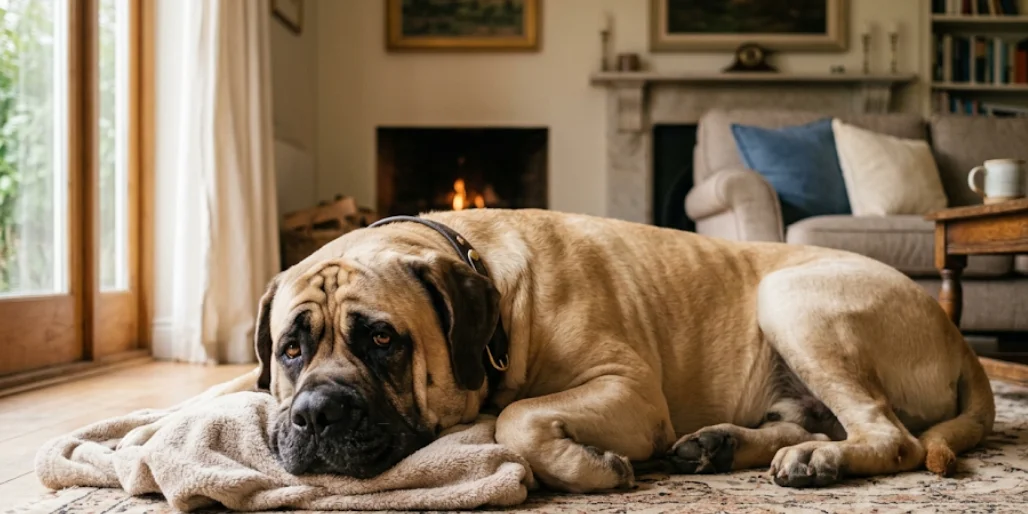
The English Mastiff, often considered the archetypal Mastiff, is renowned for being one of the heaviest dog breeds, though not always the tallest. Their coat colors typically include fawn, apricot, or brindle, often accompanied by a dark muzzle. This particular Mastiff breed is known for its remarkable gentleness and strong protective instincts, embodying the “gentle giant” moniker perfectly.
Mastiff Temperament
General Behavior Traits
The Mastiff dog breed is well-known for its gentle and docile temperament, earning them the affectionate nickname of “gentle giants.” Despite their sheer size, these dogs are typically calm and composed, rarely exhibiting aggression without significant provocation. Their protective instincts are strong, making them excellent guard dogs, but their primary inclination is towards loyalty and affection for their family.
Socialization Needs
Early socialization is crucial for the Mastiff dog breed to ensure they grow into well-adjusted adults. Exposing Mastiff puppies to various people, places, and other dogs from a young age helps them develop confidence and good manners. Proper socialization will help channel their natural protective instincts appropriately, allowing them to distinguish between genuine threats and everyday interactions.
Interactions with Children and Other Pets
When properly socialized, the Mastiff dog breed can be wonderfully affectionate with children, often displaying immense patience and a watchful eye. Their gentle giant nature makes them tolerant companions. Regarding other pets, if introduced carefully and from a young age, they can coexist peacefully. However, always supervise interactions, especially with smaller animals, due to their impressive size.
Mastiff Health and Care Requirements
Common Health Issues
Like many large breeds, the Mastiff dog breed is prone to certain health issues, including hip dysplasia and elbow dysplasia. Potential Mastiff owners should also be aware of bloat (gastric torsion), a serious condition requiring immediate veterinary attention. Their brachycephalic features can also lead to respiratory concerns, and their short lifespan compared to smaller dogs is a consideration for pet parents.
Nutritional Needs
The nutritional needs of a Mastiff dog are significant due to their giant breed status. High-quality dog food formulated for large or giant breeds is essential to support their bone and joint health, particularly during their rapid growth as Mastiff puppies. Monitoring their intake is important to prevent obesity, which can exacerbate conditions like dysplasia.
Grooming Essentials
While the Mastiff dog breed doesn’t require extensive grooming, regular care is important. Their short coats benefit from weekly brushing to remove loose hair and keep their skin healthy. Special attention should be given to their facial wrinkles to prevent skin infections, and their nails need regular trimming. Additionally, be prepared for some drool, a characteristic trait of the Mastiff breed. For more information on different dog breeds, check out our Dog A-Z Breeds Guide. Pawandbreeds is committed to helping you find the perfect canine companion.
Similar Breeds to the Mastiff
Comparison with Other Large Breeds
When considering the Mastiff dog breed, it’s helpful to compare them to other large breeds that share some characteristics but also possess distinct differences. Understanding these nuances is key for potential pet parents.
| Breed | Key Characteristics |
| Bullmastiff | Smaller and often more agile, originally bred as estate guard dogs, protective instincts. |
| Cane Corso | Slightly more athletic build, intense loyalty, can be more assertive temperament. |
Distinct Features of Similar Breeds
Looking at similar breeds reveals unique traits. Here’s a comparison of some Mastiff breeds:
| Breed | Key Characteristics |
| Neapolitan Mastiff | Abundant loose skin and wrinkles, imposing appearance, significant drool. |
| Tibetan Mastiff | Thick, luxurious coat suited to colder climates, independent temperament. |
| Pyrenean Mastiff | Truly giant breed, thick white coat, historical role as a livestock guardian. |
Choosing the Right Breed for Your Lifestyle
Selecting the ideal dog breed, whether a Mastiff or a similar large breed, ultimately depends on your lifestyle. Always consider factors like exercise requirements, drool tolerance, and temperament before making a decision.
| Breed | Key Characteristics |
| Mastiff | Calm, affectionate gentle giant with strong protective instincts. |
| Cane Corso | More active guard dog. |
| Tibetan Mastiff | Different grooming needs. |
Frequently Asked Questions
Common Queries about Mastiff Dogs
Many pet parents often have common queries about the Mastiff dog breed, largely centered around their sheer size and temperament. People frequently ask if they are good with children, how much they drool, and their exercise requirements. Given their reputation as gentle giants, understanding their protective instincts and how to manage their significant size are also top concerns for prospective Mastiff owners. The breed’s short lifespan compared to smaller dogs is another frequent query.
Understanding Mastiff Behavior
Understanding Mastiff behavior is crucial for harmonious living with this magnificent dog breed. While generally calm and affectionate, their protective instincts mean they are naturally wary of strangers, making early socialization vital. They are known for their quiet demeanor indoors but can be surprisingly playful, especially as Mastiff puppies. Recognizing their subtle cues, such as a watchful gaze or a low rumble, helps Mastiff owners understand their canine companion’s thoughts and feelings, preventing misunderstandings.
Training Tips for Mastiff Owners
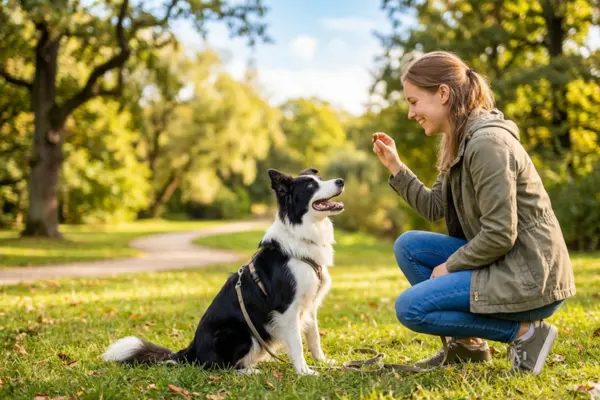
Training a Mastiff dog breed, despite their gentle giant nature, requires consistency, patience, and positive reinforcement. Due to their sheer size and strength, early leash training is non-negotiable to prevent them from pulling you around. Focus on basic obedience commands and ensure they are well-socialized to prevent any protective instincts from becoming problematic. Given their potential for hip dysplasia, avoid excessive jumping during training and always consult with a veterinary professional for advice tailored to your Mastiff dog.