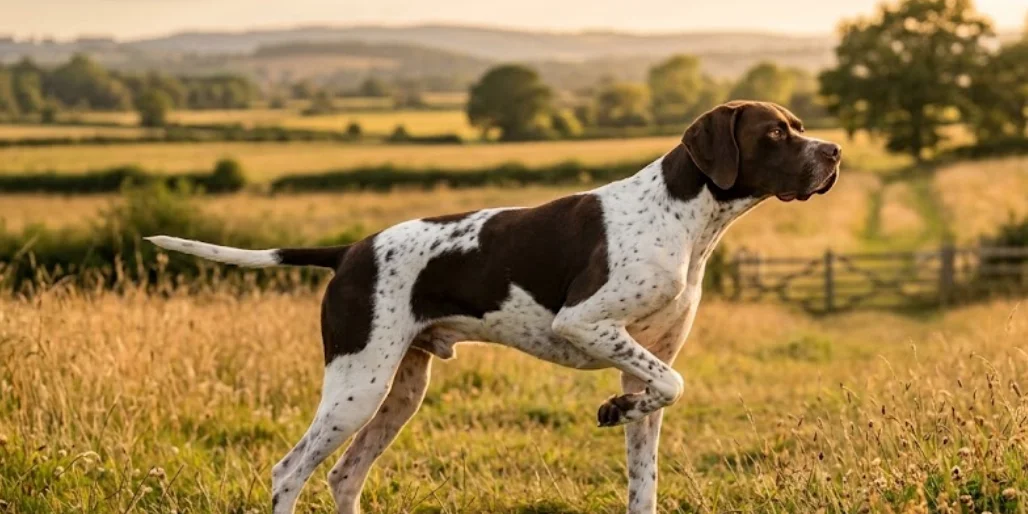
Whether you’re curious about their origins as gundogs or their specific care needs, this guide offers a complete overview of the Pointer breed. We’ll delve into their distinctive temperament, physical characteristics, and all the essential Kennel Club information you need to know about these remarkable canines.
Understanding the Pointer Breed
The Pointer breed is renowned for its exceptional hunting abilities and distinctive “pointing” stance. This section will explore the fascinating history of this dog breed, delve into its characteristic traits, and even touch upon the various types of Pointer dogs, such as the English Pointer and the German Shorthaired Pointer, to provide a comprehensive understanding of this beloved canine.
History of the Pointer Dog
The history of the Pointer dog is deeply rooted in its role as a gundog, with its origins tracing back several centuries, particularly becoming refined in the 19th century. These dogs were specifically bred for hunting game birds, using their incredible scenting abilities to locate prey and then freeze, “pointing” their handler towards the find. Early Spanish Pointers contributed significantly to the development of what we now recognize as the classic English Pointer. This breed of pointing dog quickly gained favor among hunters due to its efficiency and remarkable skill in field work, making it a highly valued sporting dog.
Characteristics of the Pointer Breed
The Pointer is a large breed known for its athletic build and short coat, making it a generally healthy and robust canine. A typical Pointer exhibits high energy, requiring substantial exercise to maintain its well-being and prevent boredom. This sporting dog is not only a fantastic field trial competitor but also an affectionate family pet, provided its activity needs are met. While considered a healthy breed, potential owners should be aware of common health concerns such as hip dysplasia, elbow dysplasia, and hypothyroidism, which responsible breeders screen for in a Pointer puppy.
Types of Pointer Dogs
While the English Pointer is perhaps the most well-known, several types of Pointer dogs exist, each with unique nuances, though all share the core pointing breed traits. The German Shorthaired Pointer is another popular variant, recognized for its versatility as a gun dog capable of both pointing and retrieving. Other breeds, like the Weimaraner, sometimes get grouped with pointers due to their similar hunting roles, but they are distinct breeds. Understanding these variations is crucial for anyone looking into acquiring a Pointer puppy, as each individual dog within these breeds may have slightly different temperaments and specific care requirements, even though they all excel in field work.
Temperament of the Pointer Dog
General Temperament Traits
The Pointer’s temperament is a delightful blend of energetic enthusiasm and gentle affection, making this dog breed a beloved companion. These intelligent canines are known for their strong desire to please their handlers, which, combined with their sharp minds, makes them highly trainable. A typical Pointer is alert and responsive, always ready for action, yet capable of quiet relaxation when their exercise needs are met. Their sweet nature and even disposition contribute to their reputation as a wonderful sporting dog and a cherished family member.
Social Behavior with Families
Pointers generally exhibit exceptional social behavior with families, forming strong bonds with their human companions. They are known for being very affectionate and loyal, often seeking out close contact and enjoying being part of all family activities. While they possess a high energy level, they are usually gentle with children, provided both the dog and the children are taught to interact respectfully. This breed thrives on companionship and can become a devoted family dog, always eager to engage in play or simply snuggle up after a long day of field work.
Interaction with Other Pets
When it comes to interacting with other pets, the Pointer can be quite adaptable, especially if socialized from a young age as a puppy. They generally get along well with other dogs, often enjoying playmates that can match their energy levels. However, due to their strong gundog instincts and powerful scent drive, careful introductions and supervision are crucial when around smaller pets like cats or birds. While some Pointers can learn to coexist peacefully with these animals, their natural inclination to hunt game birds means owners should always be mindful of their inherent breed traits.
Grooming and Care for Pointer Dogs
Basic Grooming Needs
The Pointer breed, known for its short coat, has relatively straightforward basic grooming needs, making it a generally healthy and low-maintenance dog. Regular brushing, perhaps once or twice a week, is usually sufficient to keep their coat in good condition and minimize shedding. While they don’t require extensive bathing, occasional washes will help maintain their hygiene, especially after a day of field work. It’s also important to routinely check and clean their ears to prevent infections, and trim their nails to ensure comfort and proper foot health for this active sporting dog.
Exercise Requirements
Pointers have significant exercise requirements due to their high energy levels and gundog heritage. These hunting breeds thrive on vigorous physical activity, needing at least one to two hours of intense exercise daily. This could include long runs, challenging hikes, or engaging in dog sports like agility or field trials. Without adequate exercise, a typical Pointer can become bored and develop undesirable behaviors. Providing ample opportunities for them to expend their energy is crucial for their well-being and temperament, making them a more contented companion for any family.
Feeding and Nutrition
Proper feeding and nutrition are vital for maintaining the health and vigor of a Pointer dog, especially given their active lifestyle. A high-quality diet appropriate for a large breed with high energy is essential. Owners should select dog food that provides balanced nutrients, focusing on lean protein for muscle maintenance and healthy fats for sustained energy. Portion control is also important to prevent obesity, which can exacerbate conditions like hip dysplasia. Consulting with a veterinary professional can help determine the best dietary plan for an individual dog’s specific needs and life stage.
Health Concerns in Pointer Dogs
Common Health Issues
While the Pointer is generally considered a healthy breed, like all purebreds, they can be predisposed to certain common health issues. Potential owners should be aware of conditions such as hip dysplasia and elbow dysplasia, which are musculoskeletal concerns. Hypothyroidism is another health issue that can affect the breed. Responsible breeders screen their breeding stock for these conditions to minimize their occurrence in a Pointer puppy. Understanding these potential health challenges is a crucial part of providing a complete guide to the Pointer dog breed.
Preventive Health Care
Preventive health care is paramount for ensuring a long and healthy life for a Pointer. This includes regular vaccinations, parasite control, and maintaining a healthy weight through appropriate feeding and consistent exercise. For a Pointer puppy, early socialization and training can also prevent behavioral issues that might impact their overall well-being. Proactive measures, combined with a good understanding of the breed’s specific needs, can significantly reduce the risk of developing certain health problems, allowing your sporting dog to thrive.
Regular Veterinary Check-ups
Regular veterinary check-ups are essential for monitoring the health of your Pointer dog throughout its life. These visits allow a veterinary professional to conduct thorough physical examinations, discuss any concerns you might have, and recommend appropriate screenings or preventive treatments. Early detection of conditions like hip dysplasia or hypothyroidism through routine check-ups can lead to more effective management and better outcomes for your beloved canine. These consistent appointments are a cornerstone of responsible dog ownership for every breed, ensuring your Pointer stays in peak condition.
Similar Breeds to Consider
German Shorthaired Pointer
The German Shorthaired Pointer, often abbreviated as GSP, is a versatile and popular hunting breed that shares many traits with the English Pointer. This particular dog breed excels as a gundog, capable of both pointing and retrieving game birds, making it a true all-around sporting dog. While the English Pointer is known for its graceful, long-range scenting, the German Shorthaired Pointer offers a slightly different temperament, often described as more boisterous and intensely focused. For those looking for a high-energy canine with a strong work ethic, a GSP puppy might be a fantastic choice, provided they can meet its significant exercise needs and commitment to field work.
Other Pointing Breeds
Beyond the classic English Pointer and the German Shorthaired Pointer, several other pointing breeds offer similar characteristics and temperaments for enthusiasts of this type of dog. Breeds like the Weimaraner, sometimes referred to as the “Grey Ghost,” are also excellent gundogs known for their keen scenting abilities and elegant appearance. While not strictly “pointers” in the same lineage, they share the instinct to locate and indicate game. Spanish Pointers are historically significant and contributed to the development of many modern pointing breeds. Each of these hunting breeds brings its own unique nuances in terms of appearance, field trial performance, and specific care requirements, but all possess the inherent drive of a sporting dog.
Comparative Temperament Analysis
When comparing the temperament of various pointing breeds, including the English Pointer and the German Shorthaired Pointer, several common threads emerge, alongside distinct differences. The English Pointer is generally considered a more reserved and elegant canine, often displaying a calm demeanor indoors despite its high energy outdoors. The German Shorthaired Pointer, in contrast, can be more exuberant and requires a firm yet gentle handler to channel its enthusiasm. Both breeds are intelligent and eager to please, making them highly trainable for field work. However, the intensity of their gundog instincts and their interaction with other pets can vary, highlighting the importance of understanding the individual dog within each breed standard.
Building Your Pointer Knowledge with Pawandbreeds
A breed built for the field deserves research that goes just as deep. Pawandbreeds’ Dog A-Z Breeds Guide rounds out everything this Pointer guide couldn’t fit in one place, from how a GSP’s temperament actually differs from an English Pointer’s to which sporting breeds make the best kennel-mates for a high-drive dog like this one. If the Pointer’s energy level has you curious whether a Vizsla or Weimaraner might suit your household better, that comparison is waiting there too.
Frequently Asked Questions
What Makes a Good Bird Dog?
A good bird dog, such as a Pointer, possesses a specific set of characteristics that make them exceptional at hunting game birds. Foremost among these is a keen sense of scent, allowing them to locate birds effectively. High energy, endurance, and an athletic build are crucial for covering extensive ground during field work. A strong “point” – the characteristic freezing stance – is also essential for indicating the location of game to the handler. Furthermore, a good bird dog needs to be intelligent, highly trainable, and possess a strong desire to please, enabling them to work cooperatively with their human companions.
How to Train a Pointer Dog?
Training a Pointer dog requires consistency, patience, and an understanding of their natural gundog instincts. Early socialization as a puppy is crucial for developing a well-adjusted temperament. Due to their high energy and intelligence, positive reinforcement methods work best, leveraging their desire to please. Training should focus on basic obedience commands, house-training, and specific field work skills like pointing and retrieving, if intended as a bird dog. Harnessing their strong scent drive and providing ample exercise will help ensure a happy, well-behaved canine. Regular practice and engaging mental stimulation are key to managing this active sporting dog.
Pointer Dog Breed in the Kennel Club
The Pointer dog breed holds a distinguished place within the Kennel Club, with the English Pointer being a well-recognized and respected member. The Kennel Club sets the breed standard, which outlines the ideal physical characteristics and temperament for the breed, ensuring consistency and health. For those interested in showing or breeding, understanding this breed standard is paramount. The American Pointer Club also plays a vital role in promoting and protecting the breed in the United States. Kennel Club recognition highlights the Pointer’s long history as a beloved gundog and a generally healthy breed, reflecting its established lineage and enduring appeal as a sporting dog.