Thinking about bringing a Hungarian Puli into your home? This comprehensive Puli breed guide will walk you through everything you need to know about this unique and fascinating dog breed, from its ancient origins to its distinctive corded coat and spirited temperament.
Puli Overview
The Puli is an ancient Hungarian herding dog renowned for its distinctive corded coat and lively personality. This medium-sized dog breed makes an excellent watchdog and a loyal companion, originating from Hungary where it was primarily used to herd sheep and guard livestock. Their intelligence and agility are as remarkable as their appearance.
History of the Puli
The Puli’s history stretches back over a thousand years, with its ancestors accompanying the Magyars to Hungary. This herding dog was developed to work closely with shepherds, demonstrating remarkable intelligence and a strong work ethic. The breed’s ability to herd large flocks of sheep and protect them from predators solidified its reputation as an invaluable working dog.
Physical Characteristics
The Puli is a sturdy, medium-sized dog with a compact build, typically weighing between 25 and 35 pounds. Its strong frame supports its incredibly agile movements, making it adept at navigating various terrains while herding. The breed standard, as recognized by organizations like the AKC (American Kennel Club), emphasizes a balanced and well-muscled physique.
Unique Corded Coat
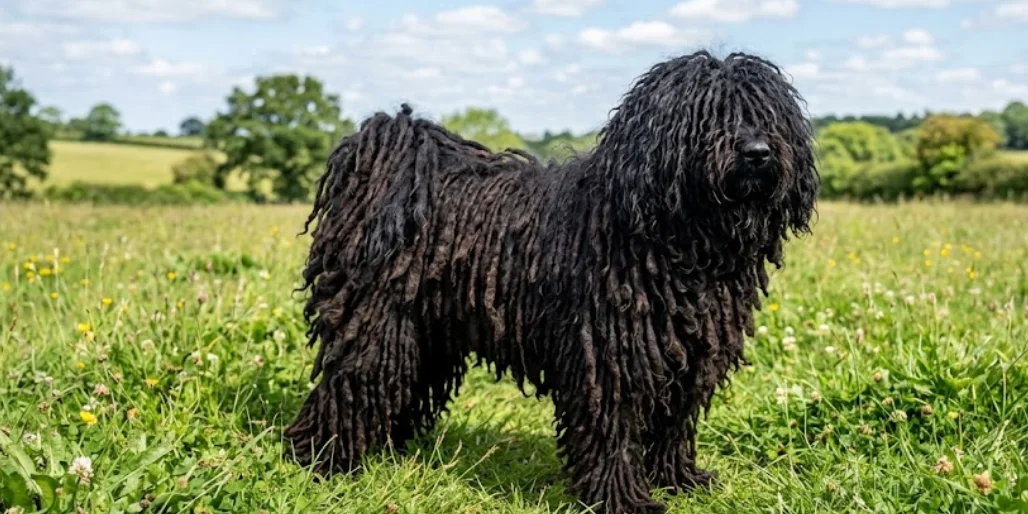
Perhaps the most striking feature of the Puli dog breed is its unique corded coat, which is profuse and forms natural cords. This double coat consists of a soft, woolly undercoat and a coarse outer coat, which, when properly maintained, develops into long, felt-like cords. A fully corded Puli requires specific coat care to keep its cords clean and fully dry.
Temperament and Behavior
The Puli possesses a lively and affectionate temperament, making it a wonderful family companion. This highly intelligent breed thrives on mental stimulation and close interaction with its owners. Known for its loyalty and protective instincts, the Puli forms strong bonds with its human family, always eager to participate in daily activities.
General Temperament
Pulis are known for their playful and sometimes mischievous temperament. They are highly intelligent and quick learners, which makes them excellent candidates for dog sports like agility and obedience. Their innate curiosity and energetic nature mean they need regular exercise and engagement to prevent boredom and destructive behaviors.
Herding Instincts
As a traditional herding breed, the Puli possesses strong herding instincts. They often try to “herd” family members or other pets by nipping at heels, a natural behavior stemming from their history as a sheepdog. Early training and socialization are crucial to channeling these instincts appropriately and ensuring a well-behaved individual dog.
Socialization Needs
Early socialization is vital for Puli puppies to develop into well-adjusted adults. Exposing them to various sights, sounds, people, and other dogs from a young age helps them become confident and friendly. Without proper socialization, some Pulis can be reserved or wary of strangers, leaning into their natural guarding dog tendencies.
Caring for Your Puli
Grooming Requirements
The unique corded coat of the Puli dog breed requires specific coat care to maintain its distinctive appearance and prevent matting. While a fully corded Puli might seem high-maintenance, once the cords are established, grooming mainly involves separating them regularly and ensuring they are fully dry after baths to prevent skin issues.
Exercise and Activity Levels
Pulis are an agile and energetic herding dog breed, so they need plenty of exercise to stay happy and healthy. Daily walks, playtime in a secure yard, and engaging in dog sports like agility or obedience are excellent ways to expend their energy. Their highly intelligent temperament also benefits from mental stimulation to prevent boredom.
Feeding Guidelines
Providing a balanced diet appropriate for a medium-sized, active dog like the Puli is crucial for their overall breed health. High-quality dog food, portioned according to their age, weight, and activity level, will support their energy needs. Always ensure fresh water is available for your Hungarian herding companion.
Health and Lifespan
Common Health Issues
Like many dog breeds, Pulis can be prone to certain health issues, though generally, they are a robust breed. Common concerns for the Puli dog breed include hip dysplasia and certain eye conditions. Regular veterinary check-ups are essential to catch any potential problems early and ensure a good quality of life for your Puli.
Hereditary Conditions
Puli breeders work to minimize hereditary conditions in this ancient Hungarian breed. Some health concerns that can be hereditary in Pulis include progressive retinal atrophy (PRA), which affects vision, and certain joint issues. Choosing a reputable breeder who screens their breeding stock for these conditions is vital when getting Puli puppies.
Average Lifespan
The average lifespan of a well-cared-for Puli typically ranges from 12 to 15 years, allowing for many years of loyal companionship. Proper nutrition, regular exercise, routine veterinary care, and a loving environment all contribute significantly to the longevity and overall well-being of this distinctive Hungarian breed.
Finding a Puli Breeder
What to Look for in a Breeder
When seeking a Puli breeder, it’s crucial to find someone who prioritizes the breed’s health and temperament of their Pulik. A reputable breeder will be transparent about their breeding practices, openly discussing health screenings for hereditary conditions like hip dysplasia and progressive retinal atrophy. They should be knowledgeable about the Puli dog breed standard, ensuring their Puli puppies exhibit the desirable characteristics of this ancient Hungarian breed. Look for a breeder who is genuinely passionate about Pulis, not just looking to sell.
Questions to Ask
Don’t hesitate to ask a potential Puli breeder plenty of questions about their Puli puppies and adult dogs. Inquire about the health history of the parents, asking for proof of health clearances, especially for common Puli ailments. Ask about the puppies’ socialization experiences and what steps the breeder takes to ensure a good temperament. It’s also wise to understand their grooming routine for the distinctive corded coat, as proper coat care is essential for a fully corded Puli.
Reputable Breeder Resources
To find a reputable Puli breeder, start by exploring breed clubs and organizations like the American Kennel Club (AKC). These resources often have breeder directories and can provide guidance on what to look for. Attending dog shows where Pulis are competing can also be an excellent way to meet breeders and see adult Pulik in person, allowing you to observe their temperament and the quality of their corded coat. Always be wary of breeders who don’t screen for hereditary conditions or who seem unwilling to answer your questions thoroughly.
Puli in Hungary
Cultural Significance
In Hungary, the Puli holds deep cultural significance, intertwined with the nation’s pastoral heritage. This Hungarian breed is more than just a herding dog; it’s a symbol of the Hungarian plains and the traditional shepherd’s life. Its unique corded coat and agile movements have made it an iconic figure in Hungarian folklore and art, representing resilience and intelligence. The Puli’s historical role as a companion and protector of flocks has cemented its place in the heart of Hungarian culture.
Working Roles in Herding
The Puli’s working roles in herding sheep are legendary, demonstrating its innate abilities as an exceptional herding dog. These highly intelligent dogs were bred to control and move large flocks across the vast Hungarian plains. Their quick reflexes, agile build, and distinctive bark allowed them to effectively herd and guard livestock, often working alongside larger guarding dog breeds. The Puli’s dedication to its flock and its shepherd highlights its strong working temperament and instincts.
Dog Shows and Competitions
Beyond their traditional herding duties, Pulis also excel in various dog shows and competitions in Hungary and worldwide. Their unique appearance, particularly the striking fully corded coat, makes them stand out in the show ring, where they are judged against the breed standard. Many Pulik also participate in dog sports like agility and obedience, showcasing their high intelligence and athletic capabilities. These competitions help to preserve the breed’s working attributes and promote responsible breeding practices for this ancient Hungarian breed.
Conclusion
Final Thoughts on Pulis
The Puli is truly a remarkable and distinctive dog breed, offering a unique blend of intelligence, loyalty, and a playful temperament. With their iconic corded coat, agile nature, and deep-rooted herding instincts, they make an excellent watchdog and a devoted companion for the right family. Understanding their needs for mental stimulation, exercise, and specific coat care is key to enjoying many happy years with this ancient Hungarian breed, ensuring a well-adjusted and joyful individual dog.
Explore More Breeds
If the Puli’s unique qualities have piqued your interest in the diverse world of dog breeds, there’s a vast array of fascinating canines to discover. From other herding breeds with similar working instincts to companion dogs with different grooming needs, each breed offers its own charm. Continue your journey through the canine kingdom and explore our Dog A-Z Breeds Guide to find your perfect match.
About Pawandbreeds
Pawandbreeds is dedicated to providing comprehensive guides and resources for dog owners and enthusiasts, offering insights into various dog breeds, care tips, and training advice to help you build a strong bond with your canine companion.
Q: What exactly is a Puli, and where does this herder come from?
A: The Puli is a small to medium size dog with a seriously cool history! This breed has Asiatic origin and made its way to Hungary with nomadic tribes centuries ago. Originally, the Puli was used to drive and herd sheep across the plains, and honestly, they’re still amazing at it today. Think of them as an intelligent and home-loving companion who also happens to have serious working chops.
Q: What’s the deal with that crazy corded coat?
A: Okay so this is probably the most iconic thing about the breed. The Puli’s coat naturally forms cords over time, kind of like dreadlocks! It starts as a puppy coat that’s soft and fluffy, but as the dog matures, the undercoat to outer coat ratio causes the coat clumps together easily and forms these distinctive ropes. The coat can be shown either corded or brushed out, depending on what look puli owners prefer.
Q: Is the Puli related to the Tibetan Terrier?
A: Great question! Yes, there’s actually a connection there. Both breeds share that Asiatic origin and have similar wavy or curly coat textures, especially before cording happens. The Tibetan Terrier and Puli aren’t identical twins by any means, but you can definitely see some family resemblance in their coat type and general vibe.
Q: What coat colors are typical for this breed?
A: Puli coat color options are pretty varied actually! You’ll commonly see solid black, rusty black, and shades of gray. Some pups come in a lighter colored variety too. Whatever the shade, the coat should be fully pigmented, meaning the skin underneath matches up nicely with the coat color. No random patchy spots here!
Q: How big does a Puli typically get?
A: These dogs stay pretty compact, which is part of their charm. Most adult Pulis measure around 16 to 18 inches at the shoulder. They’re sturdy though, not fragile, thanks to their working dog background and solid build from head to tail.
Q: Is bathing and drying a nightmare with all that coat?
A: Ha, this is something every Puli owner learns quickly. Because the coat can become quite long and cords so easily, you absolutely need to dry after bathing thoroughly. If you don’t, you risk mildew or musty smells trapped deep in those cords. It takes patience and often a few hours of drying time, but it’s totally manageable once you get the hang of it.
Q: What’s the Puli’s personality like? Are they good family dogs?
A: Totally! Pulis are known for being loyal, playful, and surprisingly cuddly for a working breed. That said, their herder instincts mean they can be sensibly suspicious of strangers at first. They’re not aggressive, just naturally alert and protective. Once they warm up to someone, though, they’re total sweethearts.
Q: Do Pulis still have strong herding instincts today?
A: Absolutely, this breed hasn’t lost its working roots at all. Their herding style is agile and energetic, and they’re capable of high-energy herding sessions that would tire out most other breeds. Even Pulis living as pets often show these instincts, like herding kids or other pets around the house!
Q: What should I know about the Puli’s undercoat specifically?
A: The undercoat is soft and dense, which is actually the main reason the coat cords in the first place. This soft undercoat tangles with the coarser outer coat over time, creating those signature ropes. It’s a unique system nature designed, and it actually helps protect the dog’s skin and hindquarter area from harsh weather, both hot and cold.
Q: What are the biggest health and welfare concerns for this breed?
A: Like most breeds, health and welfare should be a top priority for anyone considering a Puli. Common concerns include hip dysplasia, eye issues, and occasional skin problems related to their dense coat if not maintained properly. Regular vet checkups, proper grooming, and good nutrition go a long way. Overall, a well cared for Puli needs consistent attention but tends to live a long, healthy life.