So, you’re curious about the Redbone Coonhound, a truly unique and striking dog breed? This guide will dive deep into everything you need to know about these magnificent hounds, from their rich history and distinctive traits to their lively temperament and essential training needs. Get ready to explore the world of the Redbone Coonhound!
Overview of the Redbone Coonhound
History and Origin
The Redbone Coonhound’s history is deeply rooted in the American South, where breeders meticulously developed this dog breed for trailing and treeing raccoons and other small game. Their lineage traces back to red-colored foxhounds brought over from Europe, with dedicated hunters carefully refining the breed over generations to create the ultimate scent hound.
These “redbones” were specifically bred to be agile, quick, and possess an unwavering hunting instinct, making them indispensable companions on the trail. Their strong work ethic and remarkable nose made them highly prized, cementing their place as a premier coonhound breed for serious hunters.
Physical Characteristics
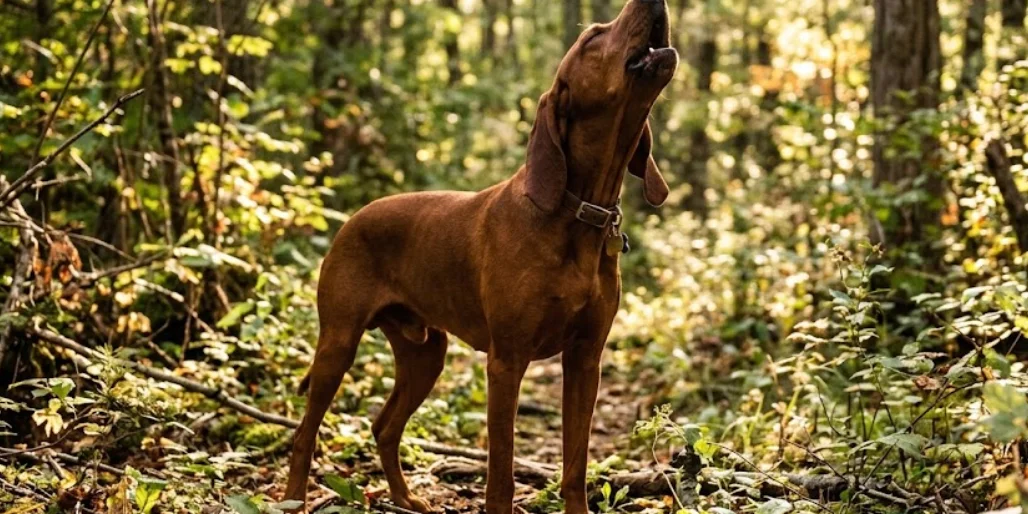
The Redbone Coonhound is easily recognizable by its striking, deep red coat, which is typically solid red without any markings, though a small amount of white on the chest or feet is sometimes permissible. They are medium-to-large dogs with a well-balanced, muscular build that speaks to their endurance and agility as a working dog.
Their heads are well-proportioned with a kindly expression, featuring a slightly arched skull and a strong, straight muzzle. With their long, pendulous ears and soulful hazel eyes, the Redbone Coonhound possesses a look that is both noble and endearing, perfectly reflecting their nature.
Distinctive Traits of Coonhound Breeds
Coonhounds, including the Redbone, are renowned for their powerful scent hound abilities, possessing an exceptional nose that allows them to follow even the faintest trails. This breed excels at trailing and treeing, a skill where they follow a scent to drive game up a tree and then “bay” at the base to alert their hunter.
Another distinctive trait is their vocalization; these dogs are known for their melodious “bay,” a deep, drawn-out bark that is unique to hound breeds and used primarily when on the trail. This powerful bay is an essential tool for hunters, allowing them to locate their dog in dense terrain.
Understanding the Redbone Coonhound Temperament
Personality Traits
Despite their energetic nature on the trail, the Redbone Coonhound is often described as even-tempered and kindly at home, making them wonderful family companions. They are an affectionate breed that forms strong bonds with their human family members, often seeking out attention and a good cuddle session.
These dogs are known to be quite mellow indoors, especially after a good session of exercise or nose work, transforming from an active hunter to a relaxed and loyal friend. Their gentle demeanor and patience make them suitable for households with children, provided they are properly socialized.
Socialization Needs
Early socialization is crucial for a Redbone Coonhound puppy to ensure they grow into a well-adjusted and confident adult dog. Exposing your puppy to various people, places, sounds, and other friendly dogs from a young age will help them develop good manners and an even more adaptable temperament.
Because of their strong hunting instinct, it’s particularly important to socialize them with other animals if they are to live peacefully together, though their prey drive might always be present. Consistent positive experiences will help your Redbone understand appropriate interactions in different environments.
Training Tips for Redbone Coonhounds
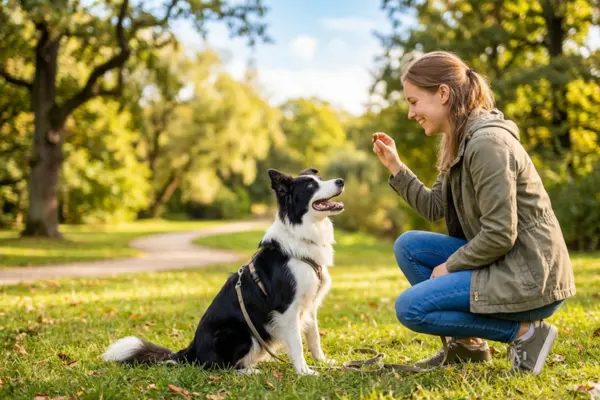
Training a Redbone Coonhound requires patience, consistency, and a good understanding of their hound nature. These intelligent dogs respond best to positive reinforcement methods, as harsh corrections can be counterproductive with their sensitive personalities. Early leash training is essential due to their strong desire to follow scents.
Given their strong treeing instinct and desire to chase, reliable recall training is paramount, especially if you ever intend to have them off-leash in a secure area. Incorporating dog sports like scent work or obedience can also provide mental stimulation and reinforce good behaviors, channeling their natural working dog drives.
Redbone Coonhound Breeding and Care
Choosing a Reputable Breeder
When looking to add a Redbone Coonhound to your family, selecting a reputable breeder is absolutely paramount. A good breeder will prioritize the health and temperament of their dogs, ensuring that the puppies are well-socialized and come from healthy lines. They will be transparent about their breeding practices, health screenings for the parent dogs, and the living conditions of their kennel.
A responsible breeder will also be knowledgeable about the Redbone Coonhound breed standard and the specific traits of this working dog, guiding you through the process and answering any questions you might have about the breed. They should provide health clearances for genetic conditions common in the breed and offer a contract outlining their guarantees, ensuring you start your journey with a healthy and well-adjusted Redbone Coonhound puppy.
Health Considerations
Redbone Coonhounds are generally a healthy dog breed, boasting a lifespan of around 10 to 12 years. However, like all purebred dogs, they can be predisposed to certain health conditions that responsible owners should be aware of. Hip and elbow dysplasia are concerns, so a reputable breeder will screen their breeding stock to minimize these risks in their puppies.
Eye conditions can also occasionally affect this hound breed, so regular veterinary check-ups are essential to monitor your Redbone Coonhound’s overall health. Providing a high-quality diet, appropriate exercise, and routine preventive care will significantly contribute to your Redbone Coonhound’s well-being and help them live a full, active life.
Grooming and Maintenance
Grooming a Redbone Coonhound is relatively straightforward due to their short, smooth, deep red coat. Regular brushing, perhaps once or twice a week, is usually sufficient to remove loose hair, distribute natural oils, and keep their coat healthy and shiny. They are not excessive shedders, but consistent grooming helps manage any loose fur.
Particular attention should be paid to their long, pendulous ears, which can be prone to infections if not kept clean and dry. Regular ear cleaning is crucial to prevent moisture and debris buildup. Additionally, routine nail trimming and dental care are important aspects of maintaining your Redbone Coonhound’s overall health and comfort.
Performance and Activity for Redbone Coonhounds
Exercise Requirements
The Redbone Coonhound is an energetic working dog with significant exercise requirements, reflecting their heritage as a hunter always on the trail. These dogs thrive on activity and need ample opportunities to burn off their energy, ideally through vigorous outdoor adventures. Daily long walks, runs, or hikes are essential to keep them physically and mentally stimulated.
Because of their strong scent hound instinct, off-leash exercise should only occur in securely fenced areas where they cannot follow an enticing scent and wander off. Without sufficient exercise, a Redbone Coonhound can become bored and potentially destructive, so channeling their natural drives through consistent activity is key to a happy, well-behaved dog.
Trail Tips for Owners
For Redbone Coonhound owners, understanding and embracing their dog’s natural trailing and treeing instinct can lead to fulfilling activities. When out on a trail, always keep your Redbone Coonhound on a strong leash, as their powerful nose and prey drive make them prone to following scents. Using a long line in a safe, open area can give them a sense of freedom while maintaining control.
Engaging in dog sports like scent work or tracking can be an excellent way to harness their natural abilities, providing mental stimulation and a healthy outlet for their hunter instincts. Remember that a Redbone Coonhound’s distinctive bay is part of their communication on the trail, a sound that signals their focus and excitement.
Understanding Gait and Movement
The Redbone Coonhound possesses a smooth, ground-covering gait that reflects their endurance and efficiency as a working dog on the trail. Their movement should be effortless and powerful, allowing them to cover varied terrain with ease while maintaining a steady pace. This well-balanced stride is a hallmark of the breed, developed for long hours of trailing.
When observing a Redbone Coonhound, you’ll notice their agility and coordinated movement, showcasing their muscular build and strong hindquarters. Understanding their natural gait is not just for show; it highlights their physical capabilities and reinforces the importance of regular exercise to maintain their excellent physical condition and overall health.
Registration and Recognition
AKC and Other Kennel Club Information
For those interested in the official recognition of the Redbone Coonhound, the American Kennel Club (AKC) is the primary registry in the United States. The AKC has a specific breed standard that outlines the ideal characteristics, temperament, and physical traits of the Redbone Coonhound dog breed. Understanding this standard is crucial for breeders and owners alike to ensure the preservation of the breed’s unique qualities.
Benefits of Registration
Registering your Redbone Coonhound with the AKC offers numerous benefits, from pedigree documentation that traces your dog’s lineage to eligibility for various AKC events and dog sports. Registration also helps maintain accurate records of the breed, supporting responsible breeding practices and ensuring the long-term health and integrity of Redbone Coonhounds. It’s a way to formally acknowledge your dog’s place within the breed community.
How to Register Your Dog
Registering your Redbone Coonhound puppy or adult dog with the AKC typically involves obtaining the necessary paperwork from a reputable breeder. This often includes a litter registration application or an individual dog registration application. You’ll need to provide information about the sire and dam, as well as details about your dog. The AKC website provides comprehensive guides and forms to help navigate the registration process smoothly.
Conclusion
Final Thoughts on Redbone Coonhounds
The Redbone Coonhound is a remarkable dog breed, celebrated for its striking deep red coat, unwavering hunting instinct, and affectionate nature. Whether you’re drawn to their prowess as a working dog on the trail or their kindly at-home temperament, these coonhounds offer a unique blend of athleticism and companionship. With proper training, socialization, and plenty of exercise, a Redbone Coonhound can be a loyal and loving member of any family.
Further Reading: Dog A-Z Breeds Guide
To learn more about various dog breeds and find the perfect canine companion, consider exploring the Dog A-Z Breeds Guide. It offers a wealth of information on different breeds, their characteristics, and care requirements, providing valuable insights for both prospective and current dog owners.
Pawandbreeds Brand Note
We hope this comprehensive guide has provided valuable insights into the wonderful world of the Redbone Coonhound. For more expert advice and detailed information on dog breeds and pet care, visit Pawandbreeds.
FAQ
Q: What’s the deal with this Redbone Coonhound breed guide, why should I trust it?
A: Good question! This redbone coonhound breed guide pulls info from official standards like the American Kennel Club, plus real-world tips from folks who actually live with these dogs. So you’re getting the mix of official facts and practical trail wisdom, not just fluff.
Q: Is the Redbone Coonhound related to the dog from Where the Red Fern Grows?
A: Kinda! While the dogs in Where the Red Fern Grows are actually redbone coonhounds, they’re fictional, but they totally nailed the vibe of the breed: loyal, hardworking, and born to hunt coon. That book is basically a love letter to this breed.
Q: What does the American Kennel Club say about their build?
A: According to the American Kennel Club, a proper Redbone should be well balanced, strong and straight in the back, with a body that’s well muscled and strong. They want plenty of lung space too, since these dogs need stamina for long nights out chasing coon through the woods.
Q: What should the hindquarter look like on a Redbone Coonhound?
A: The hindquarter should be well muscled and strong, giving the dog power to drive through rough terrain. Think of it like the engine room, this is what lets them keep up the chase for hours without quitting.
Q: Are Redbones related to Bloodhounds or other tan coonhound breeds?
A: They share some ancestry! Redbones trace back to Irish hounds mixed with bloodhound and other tan coonhound lines. That heritage is where they get their incredible scent drive and nose-to-the-ground determination.
Q: What do their eyes and ears look like?
A: Their eyes are typically dark eyes or brown to hazel, giving them that soulful, pleading look. Ears are set moderately low, set well apart, hang with a slight fold, and definitely aren’t held erect like a border collie’s pointy ears. They should also be well sprung and moderately broad for that classic hound look.
Q: How much exercise does a Redbone actually need?
A: A lot! These are working hound dogs bred for field work, so their exercise needs are serious. Daily activity is a must, otherwise an under-exercised Redbone can get destructive or restless. Think long walks, hikes, or letting them follow a scent trail in a safe area.
Q: Are Redbone Coonhounds food-motivated for training?
A: Extremely! Most are super food-motivated, so food rewards work great, especially high-value treats in a low-distraction environment when you’re first training. Their nose can get distracted by every smell in “redbone bay” territory, so keep training sessions short and rewarding.
Q: Are they playful and good family dogs?
A: Totally! Despite their serious scent drive and coon-hunting background, Redbones are playful, affectionate, and love being around their people. Any fancier of the breed will tell you they’re big goofballs at home but all business once they catch a scent.
Q: Do they need special enrichment besides just walks?
A: Yes, exercise and enrichment go hand in hand with this breed. Nose work games, scent trails, and puzzle toys tap into their natural coon-hunting instincts and keep their brain busy, not just their legs.