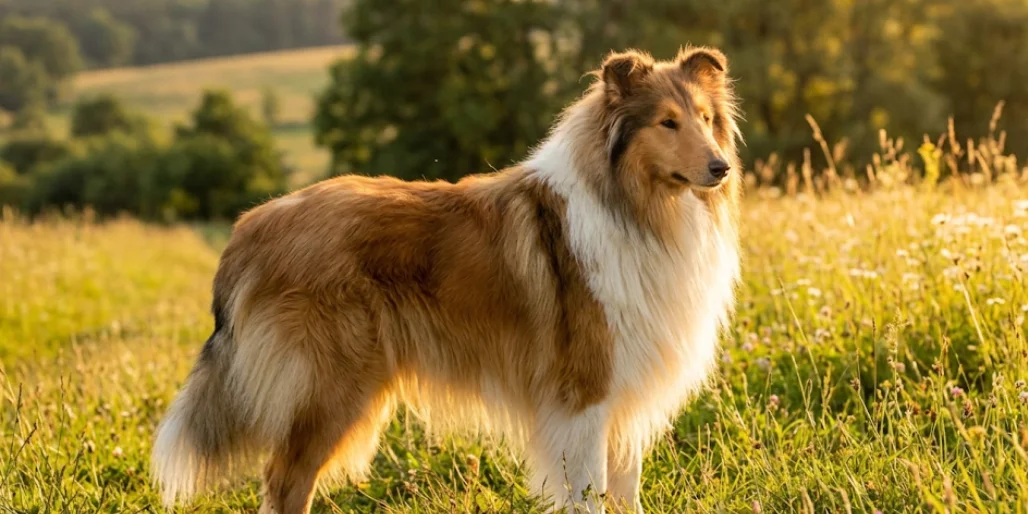
This comprehensive guide will help you understand the rough collie breed, covering everything from its rich history and distinctive physical traits to common health concerns and effective training techniques. Whether you’re a prospective owner or already share your home with one of these magnificent dogs, our Dog A-Z Breeds Guide aims to provide invaluable insights into their unique temperament and how to ensure they thrive.
Understanding the Rough Collie Breed
History of the Rough Collie
The rough collie breed, often recognized as the iconic “Lassie” dog, boasts a fascinating history deeply rooted in Scotland where they were primarily used to herd sheep. These intelligent dogs were indispensable to farmers, demonstrating a strong herding instinct that made them exceptional working companions. Their gentle temperament and striking appearance eventually led to their rise in popularity beyond the pastoral landscapes, becoming cherished family pets and beloved figures in popular culture, which firmly cemented the rough collie’s place in many hearts around the world.
Physical Characteristics of Rough Collies
Rough collies are large breeds, easily distinguished by their luxuriant double coat and noble appearance. Their coats come in various colors, including sable and white, blue merle, and tri-color, with sable often being the most recognized. They possess a magnificent mane around their neck and chest, contributing to their dignified look. Regular grooming is essential for this dog breed to maintain the luster and health of their thick coat, requiring owners to brush them consistently to prevent matting and manage shedding.
Common Health Issues in Rough Collies
Like many purebred dog breeds, rough collies are prone to specific health issues that prospective owners should be aware of. One notable concern is Collie Eye Anomaly (CEA), also known as Choroidal Hypoplasia, which can affect their vision. Another condition to monitor for is Progressive Retinal Atrophy. A reputable breeder will always screen their collie puppy stock for these genetic conditions to ensure the health of the litter. Regular veterinary care, beginning from when your rough collie puppy is young, is crucial for early detection and management of any potential health problems, contributing to a longer lifespan.
Temperament of the Rough Collie
Personality Traits of Rough Collies
The rough collie is renowned for its gentle and amiable temperament, making it an excellent companion for various households. These intelligent dogs display a strong eagerness to please their owners, often exhibiting a calm demeanor that belies their herding dog origins. Their inherently sweet and loyal nature means they thrive on human interaction and become deeply attached to their family, often following them from room to room. This collie dog breed’s disposition makes them adaptable and generally good-natured, contributing to their enduring popularity as cherished family pets.
Socialization Needs for Rough Collies
Early and consistent socialization is crucial for developing a well-adjusted rough collie. Exposing a rough collie puppy to a variety of sights, sounds, people, and other friendly animals from a young age helps prevent timidity or shyness later in life. Their natural intelligence and desire to please make them receptive to new experiences, but a lack of proper socialization can lead to anxiety. Continued positive interactions throughout their life reinforce their gentle temperament and ensure they remain confident and friendly companions.
How Rough Collies Interact with Children and Other Pets
Rough collies are generally known for their affectionate and patient interactions with children, often displaying a protective instinct without being overly assertive. Their calm temperament makes them wonderful playmates, though supervision is always recommended with very young children. With other pets, especially if introduced during their collie puppy stage, rough collies typically coexist peacefully. Their herding instinct might occasionally manifest as gentle nudging, but they are rarely aggressive, making them harmonious additions to multi-pet households.
Training Your Rough Collie
Basic Commands and Obedience Training
Training your rough collie is a rewarding experience, as these intelligent dogs are eager to learn and respond well to positive reinforcement. Starting with basic commands such as “sit,” “stay,” and “come” early on establishes a strong foundation for obedience. Consistent, short training sessions keep the rough collie engaged and prevent boredom, while rewarding desired behaviors with treats and praise reinforces learning. Their natural desire to please makes them relatively easy to train, often excelling in obedience.
Benefits of Early Training for Rough Collie Puppies
Early training for a rough collie puppy is paramount for developing a well-mannered and confident adult dog. Introducing concepts like potty training, crate training, and leash manners from a young age helps to establish good habits and prevent future behavioral issues. This critical period also strengthens the bond between the collie puppy and its owner, fostering a relationship built on trust and understanding. Early training capitalizes on their impressionable nature, setting them up for a lifetime of good behavior.
Addressing Common Behavioral Issues
While rough collies are generally well-behaved, they can sometimes develop common behavioral issues such as excessive barking or separation anxiety due to their strong bond with their families. Addressing these issues requires patience and consistent dog training. For barking, identifying the trigger and employing desensitization techniques can be effective. Separation anxiety can often be mitigated through gradual desensitization, providing stimulating toys, and ensuring they have a comfortable, secure space. Professional guidance for persistent issues can be invaluable for rough collie training.
Grooming and Care for Rough Collies
Grooming Needs of Rough Collies
The rough collie’s luxuriant double coat requires diligent grooming to maintain its health and appearance, making it one of the more demanding aspects of owning this breed. Regular brushing, at least two to three times a week, is essential to prevent matting, especially in the thick mane around their neck and hindquarters. During shedding seasons, daily brushing may be necessary to manage loose hair. While professional grooming can be beneficial for thorough dematting and coat maintenance, owners can generally manage most needs at home, ensuring their rough collie remains pristine.
Exercise Requirements for Rough Collies
Despite their stately appearance, rough collies are an active dog breed with moderate exercise requirements to keep them physically and mentally stimulated. Daily walks or opportunities to run in a securely fenced yard are crucial for their well-being. Their herding instinct also means they enjoy activities that engage their minds, such as dog sports like agility or obedience training. Providing adequate exercise helps to prevent boredom and potential behavioral issues like excessive barking, ensuring a well-adjusted and happy rough collie.
Diet and Nutrition for Healthy Rough Collies
A balanced diet is fundamental for the overall health and lifespan of a rough collie. High-quality dog food appropriate for large breeds, formulated for their age and activity level, is recommended. Owners should monitor their rough collie’s weight to prevent obesity, which can exacerbate existing health issues and reduce their mobility. Consulting with a veterinarian can help determine the best nutritional plan, including appropriate portion sizes and any necessary supplements, ensuring your rough collie receives all the essential nutrients for a healthy and active life.
Conclusion
Summarizing the Rough Collie Experience
Owning a rough collie is a deeply rewarding experience, offering companionship with an intelligent, gentle, and loyal family pet. From their distinctive sable and white double coat to their affectionate temperament, these large breeds bring immense joy and a touch of elegance to any home. With proper rough collie training, consistent grooming, and attentive veterinary care, rough collies are generally easy to train and will thrive, becoming cherished members of the family who embody the best qualities of the collie dog breed.
Resources for Dog Owners
For those looking to delve deeper into dog training or address specific behavioral concerns, numerous resources are available. Reputable breeders often provide invaluable advice and support for new collie puppy owners. Additionally, professional dog trainers can offer guidance on everything from potty training to addressing separation anxiety or excessive barking. Online communities and comprehensive guides also provide a wealth of information to help owners navigate the joys and challenges of raising a rough collie.
Paw and Breeds and the Dog A-Z Breeds Guide
For further exploration of dog breeds, including detailed information on various types of herding dog, we encourage you to visit Paw and Breeds. Our Dog A-Z Breeds Guide offers an extensive database of breeds, providing insights into their temperament, grooming needs, exercise requirements, and potential health concerns, making it an invaluable resource for current and prospective dog owners alike.
FAQ’s
How would you describe rough collie temperament and are rough collies highly energetic?
Rough collie temperament is generally gentle, loyal, and intelligent; rough collies are highly responsive to people and often patient with children. They were originally bred to herd sheep, so they can show moderate energy and an instinct to herd, but they are not as high-strung as a border collie. Regular physical and mental health activities—walks, puzzle toys, short herding games—help keep them happy without overwhelming energy levels.
What do rough collies need for exercise and does their herding breed background affect activity needs?
Rough collies need daily exercise that balances brisk walks, playtime, and mental stimulation. As a herding breed originally bred to herd sheep, they benefit from activities that simulate problem solving and moving objects rather than long endurance runs. Short herding-like tasks, obedience practice, or interactive toys satisfy both body and mind and reduce boredom-related behaviors like barking.
How should I approach training a rough collie and is positive training effective?
Training a rough collie responds best to positive training methods—reward-based, consistent training that uses praise and treats. Training a rough collie early with in-home training routines for basic obedience and socialization sets up long-term success. These dogs are eager to please and learn quickly when training is engaging and consistent.
Are rough collies easy to train compared to other dog breed types like border collie?
Rough collies are easy to train in many ways because they are intelligent and people-oriented, but they differ from a border collie, which can be more intense and driven. While both are herding breed types, rough collies often prefer calmer tasks and respond well to consistent training and structure rather than high-pressure work. For novice dog ownership, rough collies can be a forgiving choice when paired with patient guidance.
Do rough collies bark a lot and how can I manage barking behavior?
Some rough collies bark to alert or when bored, reflecting their herding breed instincts to communicate and protect. Consistent training, mental enrichment, and enough exercise reduce excessive barking. Teaching a “quiet” command with positive reinforcement and removing triggers when possible helps manage vocality while preserving healthy communication.
What grooming does a rough collie require given their outer coat and undercoat?
Their luxurious outer coat and dense undercoat require regular brushing—several times per week—to prevent mats and manage shedding. Seasonal blow-outs may need more frequent care. Regular grooming supports skin and coat health, helps you check for health conditions early, and is a bonding activity that many rough collies enjoy.
What health concerns should I watch for in a healthy breed like the rough collie?
While generally a healthy breed, rough collies can be prone to specific health conditions such as Collie Eye Anomaly and some hip or thyroid issues. Regular veterinary checks, genetic testing when available, and attention to diet and exercise promote physical and mental health. Responsible breeders screen for inherited issues to improve long-term outcomes for dog ownership.
Can rough collies be couch dog companions and are they suitable for in-home training?
Yes—rough collies make excellent couch dog companions when given appropriate outlets for their herding instincts. They adapt well to family life and do very well with in-home training that incorporates consistent training sessions, mental games, and gentle socialization. With the right balance, they happily transition between active play and calm companionship.