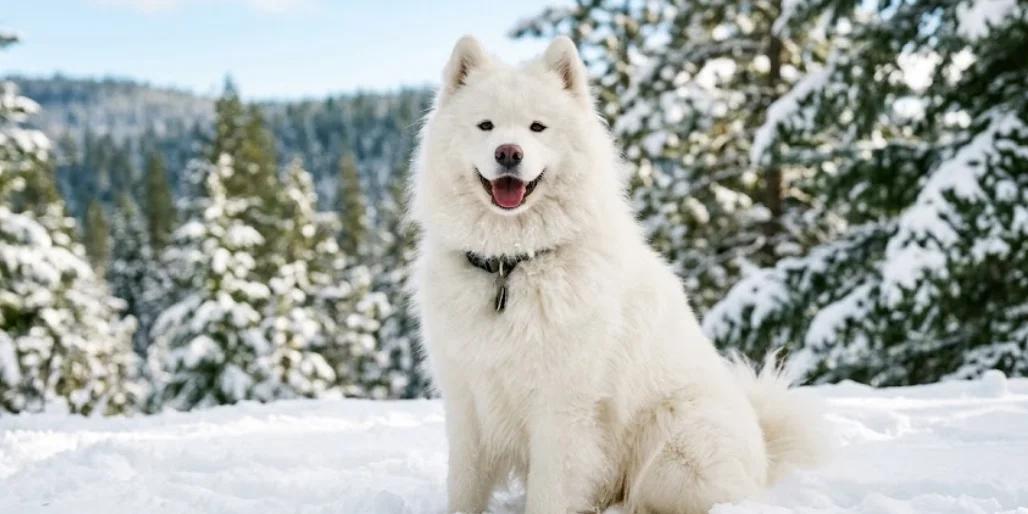
The Samoyed dog breed is renowned for its stunning white coat and friendly demeanor. These beautiful dogs make excellent companions, but potential owners should be aware of their specific needs for exercise, grooming, and mental stimulation to ensure a happy and healthy life for their furry friend.
Overview of the Samoyed Breed
History of Samoyeds
The Samoyed dog breed has a fascinating history rooted in the arctic regions of Siberia, where they were originally bred by the nomadic Samoyede people. These versatile working dogs were indispensable to their human companions, primarily used to herd reindeer, pull sleds, and provide warmth. Their exceptional resilience allowed them to thrive in the harsh arctic climate, making them superb sled dogs. The Samoyed people relied heavily on these dogs, and their companionship was vital for survival.
Characteristics of the Samoyed Dog Breed
Samoyed dogs are known for their distinctive “Sammy smile,” created by the upturned corners of their mouths, giving them a perpetually happy expression. This breed is characterized by its thick, double coat, which consists of a dense undercoat and a longer, harsher outer coat, providing insulation in cold climates. They are intelligent and active dogs, requiring consistent mental stimulation and hours of exercise daily. A bored Samoyed can become mischievous, so engaging activities are crucial.
Affectionate Nature of Samoyeds
Samoyeds are incredibly affectionate dogs, known for their loyal and gentle nature, making them wonderful family dogs. They thrive on companionship and enjoy being an integral part of their human pack. This breed is generally good with children and other pets, provided they are properly socialized from a young age. Their loving disposition means they do not do well when left alone for extended periods and prefer to be involved in family activities.
Samoyed Appearance and Size
Physical Traits of Samoyeds
The most striking physical trait of the Samoyed dog breed is its luxurious, pure white coat, although cream or biscuit colors are also seen. Their elegant appearance is complemented by dark, almond-shaped eyes and erect, triangular ears. The upturn at the corners of the mouth gives them their famous “Sammy smile.” This thick coat, designed for protection against the cold, requires regular grooming to prevent matting and manage shedding.
Understanding Samoyed Size
An adult Samoyed is a medium-to-large-sized dog. Their substantial size contributes to their powerful presence and their ability to perform tasks such as pulling a sled. A Samoyed puppy grows rapidly, quickly reaching their impressive adult size. You can find typical measurements for adult Samoyeds in the table below:
| Characteristic | Males | Females |
| Height (at shoulder) | 21 to 23.5 inches | 19 to 21 inches |
| Weight | 45 to 65 pounds | 35 to 50 pounds |
Breed Standard for Samoyeds
The breed standard for Samoyeds, as recognized by organizations like the American Kennel Club (AKC) and various breed clubs such as the Samoyed Club of America, outlines the ideal characteristics of the breed. This standard emphasizes their distinctive white double coat, the “Sammy smile,” and their powerful, agile build. Responsible breeders adhere to this breed standard to maintain the health and integrity of the Samoyed breed, ensuring each puppy embodies the best traits.
Grooming Requirements for Samoyed Dogs
Shedding and Coat Care
The Samoyed’s magnificent double coat, a defining characteristic of the Samoyed dog breed, requires diligent care to manage shedding and prevent matting. These Samoyed dogs have a thick undercoat and a longer, harsher outer coat, which enabled them to thrive in the arctic climate. Expect significant shedding, especially during seasonal changes, making regular grooming essential for every Samoyed owner. Proper coat care will help maintain the health and beauty of their pristine white coat.
Grooming Tips for Samoyeds
To effectively groom your Samoyed, consistency is key. This routine will keep your Samoyed looking their best, and it primarily involves:
- Daily brushing to remove loose hair and prevent mats from forming in their thick coat. For this, you should use a slicker brush and a long-toothed comb to reach through the double coat to the skin, paying special attention to areas prone to matting, such as behind the ears and under the legs.
- Bathing every few weeks or as needed, using a good quality dog shampoo.
Tools for Grooming Samoyeds
Having the right tools makes grooming your Samoyed much easier and more effective. To properly maintain their coat and overall hygiene, you’ll need several essential items:
- A sturdy slicker brush, a metal comb with both wide and narrow teeth, and a de-shedding rake, particularly useful during heavy shedding periods.
- Good quality dog-specific shampoo and conditioner.
- A clipper or grinder for nail care, along with ear cleaning solution.
Investing in these tools will ensure your Samoyed’s coat and overall hygiene are well-maintained.
Health and Care Considerations
Common Health Conditions in Samoyeds
While Samoyeds are generally a healthy breed, they are prone to certain genetic health conditions that prospective owners should be aware of. These include hip dysplasia, a common orthopedic issue in many large dog breeds, and progressive retinal atrophy, an eye condition that can lead to blindness. Another concern is Samoyed hereditary glomerulopathy, a kidney disease specific to the breed. Responsible breeders screen their breeding stock for these conditions to minimize their occurrence in Samoyed puppies. Regular vet visits are important to catch any issues early.
Maintaining Samoyed Health
Maintaining the health of your Samoyed involves a combination of a balanced diet, regular exercise, and consistent veterinary care. Provide high-quality dog food appropriate for their age and activity level. Samoyeds are active dogs and require hours of exercise daily, including long walks and opportunities for mental stimulation. Maintaining a healthy weight is crucial to prevent strain on their joints. Furthermore, ensuring your Samoyed receives proper companionship and mental stimulation prevents a bored Samoyed from developing behavioral problems.
Importance of Regular Vet Visits
Regular veterinary visits are paramount for the overall well-being of your Samoyed. These routine check-ups allow your vet to monitor your Samoyed’s health, administer necessary vaccinations, and perform early screenings for potential health conditions like hip dysplasia or progressive retinal atrophy. Early detection often leads to more effective treatment and better outcomes. Your vet can also provide tailored advice on nutrition, exercise, and preventative care specific to the Samoyed breed, ensuring your beloved family pet lives a long and healthy life.
Samoyed Personality and Behavior
Socialization Needs of Samoyeds
Samoyeds are inherently social creatures, and early socialization is paramount for their development into well-adjusted adult dogs. Exposing a Samoyed puppy to various sights, sounds, people, and other friendly dog breeds from a young age helps them develop confidence and good manners. Proper socialization prevents the development of fear or aggression, ensuring your Samoyed can comfortably navigate different environments. This foundational training is vital for these affectionate dogs to thrive as well-behaved family pets, especially given their working dog heritage.
Mental Stimulation for Samoyed Dogs
Beyond physical activity, Samoyed dogs require significant mental stimulation to prevent boredom and destructive behaviors. As intelligent working dogs originally bred to herd reindeer and pull sleds, their minds need to be challenged. Activities like puzzle toys, obedience training, agility classes, and interactive games are excellent ways to engage their sharp intellect. A bored Samoyed can quickly become mischievous, so consistent mental exercise, along with hours of exercise daily, is crucial for their well-being and to maintain a harmonious home environment.
Samoyeds as Family Dogs
Samoyeds excel as family dogs due to their affectionate and gentle nature. They form strong bonds with their human companions and thrive on being an integral part of family life. Their patience and playful demeanor make them generally good with children, provided both dog and children are taught to interact respectfully. Their desire for companionship means they do not do well when left alone for extended periods. The loving nature of the Samoyed breed makes them a wonderful addition to active families looking for a loyal family pet.
Choosing a Samoyed Breeder
Finding a Responsible Breeder
Finding a responsible Samoyed breeder is crucial when looking for a healthy and well-adjusted Samoyed puppy. A good breeder prioritizes the health and temperament of their dogs, conducting genetic screenings for common health conditions like hip dysplasia and progressive retinal atrophy. They will be transparent about their breeding practices, allow you to visit their facility, and provide references. Responsible breeders will also show genuine care for their puppies’ future homes, often having a thorough vetting process for potential owners. This diligent approach ensures you get a healthy Samoyed dog.
Questions to Ask Your Samoyed Breeder
When you find a potential Samoyed breeder, prepare a list of questions to ask. Inquire about the health history of the parent dogs, including any genetic testing for issues like hip dysplasia or Samoyed hereditary glomerulopathy. Ask about the puppy’s socialization process, vaccination records, and deworming schedule. It’s also wise to ask about their return policy or guarantees. A reputable breeder will welcome your questions and provide comprehensive answers, demonstrating their commitment to the Samoyed breed and the well-being of their puppies.
The Role of the Samoyed Club of America
The Samoyed Club of America plays a vital role in preserving and promoting the Samoyed breed. As a national breed club, it establishes a breed standard, educates the public, and supports responsible breeding practices. They often have a breeder directory or can provide guidance on finding reputable breeders who adhere to ethical standards. Consulting the Samoyed Club of America is an excellent step for prospective owners seeking to understand the breed’s needs and ensure they are acquiring a Samoyed puppy from a knowledgeable and responsible source, committed to the breed’s overall health.
Living with a Samoyed
Samoyeds and Climate Considerations
Given their origins in the arctic, Samoyeds are incredibly well-adapted to cold climates thanks to their dense double coat, which consists of a thick undercoat and a longer outer coat. While they thrive in cooler temperatures, owners must be mindful of their comfort in warmer weather. Samoyed dogs can be prone to overheating, so during hot periods, it’s crucial to provide ample shade, fresh water, and limit strenuous exercise. These considerations ensure your Samoyed remains healthy and comfortable, regardless of the climate.
Creating a Suitable Kennel Environment
If a kennel is necessary, it must be spacious, secure, and offer proper shelter from the elements. For Samoyeds, especially considering their thick coat, adequate ventilation and protection from extreme temperatures are paramount. A well-designed kennel provides a safe haven, allowing your Samoyed to rest comfortably. However, it’s important to remember that Samoyeds are social working dogs who crave companionship; a kennel should never be a substitute for quality time and integration into the family, preventing a bored Samoyed.
Integrating Samoyeds into Your Family
Integrating a Samoyed into your family life is usually a joyous experience, as they are affectionate and loyal family dogs. Early socialization and consistent training are key to ensuring a well-adjusted family pet. Samoyeds thrive on companionship and want to be involved in daily activities, making them excellent companions for active families. Their gentle nature often makes them good with children and other pets, provided they are properly introduced and supervised. This breed needs hours of exercise and mental stimulation to be a happy household member.
Additional Resources
Exploring the Dog A-Z Breeds Guide
For those interested in learning more about various dog breeds, including detailed insights into the Samoyed breed and other dog breeds, exploring a comprehensive dog breed guide is highly recommended. Resources like the Dog A-Z Breeds Guide offer invaluable information on temperament, grooming, health conditions, and exercise needs for numerous breeds. This guide can help prospective owners make informed decisions about which dog breed best suits their lifestyle, ensuring a harmonious relationship between owner and family pet.
Further Reading on Samoyeds
Deepening your knowledge about the Samoyed dog breed through further reading can greatly enhance your ownership experience. Look for resources that delve into the breed’s history, specific health conditions like hip dysplasia or progressive retinal atrophy, and advanced training techniques for these intelligent working dogs. Understanding their unique needs for exercise and mental stimulation, as well as grooming requirements for their double coat, will equip you to provide the best possible care for your Samoyed puppy or adult Samoyed.
Connecting with the Samoyed Community
Connecting with the Samoyed community, perhaps through breed clubs like the Samoyed Club of America or online forums, offers immense benefits. This network can provide support, advice, and a wealth of shared experiences from other Samoyed owners. You can gain valuable insights into training, grooming tips for their thick coat, managing shedding, and finding responsible breeders. Engaging with the community is an excellent way to ensure you’re always up-to-date on the best practices for caring for your beloved Samoyed dog. You can find more comprehensive breed information and care tips on Pawandbreeds.
FAQ
Q: What kind of dog breed information do I actually need before getting a Samoyed?
A: Great question! Before you bring home this fluffy dog, you should know they’re bred to work, so they’re not couch potatoes. A solid owner’s guide will tell you they need daily exercise, tons of social interaction, and a serious grooming routine. They’re also pretty vocal, so if you live in an apartment with thin walls, keep that in mind!
Q: Is the Samoyed recognized by the kennel club?
A: Yep, totally legit! The Samoyed is recognized by major kennel club organizations all over the world, including the AKC and UK Kennel Club. Any good dog breed guide will confirm they’ve been an official breed for ages, originally bred by the Samoyede people in Siberia to herd reindeer and pull sleds. So this pup has serious working-class roots.
Q: How much daily exercise does a Samoyed actually need?
A: These guys have energy for days! You’re looking at about two hours of exercise per day minimum to keep them happy and out of trouble. They love long walks, runs, and honestly just about any outdoor activity. Skimp on the hours of exercise per day and you might come home to a chewed-up couch, just saying.
Q: What’s the deal with Samoyed grooming? Is it a nightmare?
A: Okay, real talk: Samoyed grooming is definitely a commitment. That gorgeous white fluffy coat doesn’t stay tangle-free on its own. You’ll need to brush them several times a week, and during shedding season (which happens twice a year and is basically a snowstorm in your living room), daily brushing is your best friend. Invest in a good vacuum, seriously.
Q: Are Samoyeds generally healthy dogs?
A: For the most part, yes! Samoyeds are generally healthy compared to some other purebred dogs, but like any breed they can have some issues like hip dysplasia or eye problems. A responsible breeder should health-test the parents. Regular vet checkups and a good diet go a long way in keeping your fluffy friend in tip-top shape.
Q: Do Samoyeds make great family dogs?
A: Absolutely, samoyeds make great family dogs! They’re known for being incredibly friendly, patient with kids, and just overall goofy and affectionate. As a social breed, they genuinely crave being part of the family action and don’t do well when left alone for long stretches. If you want a dog that’s basically part clown, part cuddle-buddy, this is it.
Q: What does a “correct Samoyed” look like according to breed standards?
A: A correct Samoyed should have that signature “Sammy smile,” a thick white or cream double coat, dark almond-shaped eyes, and a curled tail that sits over their back. They’re not small dogs by any means, they’re medium to large with a sturdy, athletic build made for endurance work in cold climates.
Q: Is it true that male Samoyeds are typically larger than females?
A: Yes, that’s accurate! Male Samoyeds are typically larger, often standing around 21-23.5 inches at the shoulder, while females are a bit more petite. Definitely not in the category of small dogs regardless of gender, but males will generally have a bulkier, more substantial frame compared to the females.
Q: Since Samoyeds are such a social breed, can they handle being left alone?
A: Not really their jam, honestly. Being such a social breed, Samoyeds can develop separation anxiety if left alone too often or for too long. They thrive on companionship, whether that’s from humans or other pets. If your lifestyle means long hours away from home, you might want to consider doggy daycare or a pet sitter to keep them company.