Welcome to our comprehensive guide on the Skye Terrier, a charming and distinctive dog breed known for its elegant appearance and loyal companionship. This guide will delve into everything you need to know about this remarkable terrier breed, from its fascinating history to its unique personality and care requirements.
Introduction to the Skye Terrier
The Skye Terrier is a captivating and ancient dog breed, instantly recognizable by its long, flowing coat and sturdy build. Originating from the rugged Isle of Skye in Scotland, these dogs were originally bred for hunting badgers and otters. Despite their past as fearless working dogs, today’s Skye Terriers are beloved companions, cherished for their loyalty and unique temperament, making them a truly special member of the dog breed family.
Origin and History of the Skye Terrier
The Skye Terrier originated on the Isle of Skye, off the coast of Scotland, where they were employed as formidable working terriers. Their history is rich, dating back centuries, with tales of their fearlessness against badgers and otters. This pedigree extends to famous Skyes such as Greyfriars Bobby, a loyal Skye Terrier whose devotion to his owner is legendary. The breed gained significant popularity when Queen Victoria took an interest in the Skye in 1842, cementing its status and leading to the development of the breed standard.
Physical Characteristics of Skye Terriers
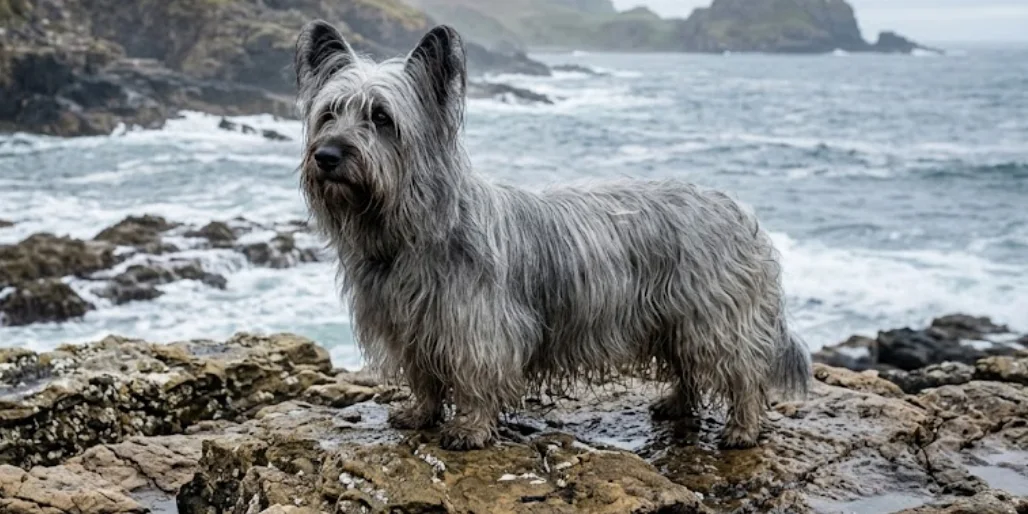
Skye Terriers are distinctive for their elegant appearance, characterized by a long, hard, straight outer coat and a soft, woolly undercoat, forming a double coat that protects them from the elements. They typically stand about 10 inches tall. They can have either prick ears, standing erect, or drop ears, hanging close to the head. Their coat colors range from black to fawn, cream, and grey. Grooming involves regular brushing and trimming to maintain their beautiful mane, ensuring they look their best for dog shows or simply as a well-cared-for house dog.
Temperament and Personality
The temperament of a Skye Terrier is a captivating blend of courage and dignity, reflecting its heritage as a working dog. They are known for their loyalty and devotion to their families, often forming strong bonds. While they possess a fearless spirit, they can also be reserved with strangers, making early age socialization crucial for Skye puppies. The ideal Skye is a dignified companion, with keen intelligence and a playful side that emerges once they are comfortable in their surroundings.
Understanding the Skye Terrier Breed Standard
Size and Weight Specifications
When considering a Skye Terrier, understanding the breed standard for size and weight is crucial. Typically, a healthy adult Skye Terrier stands about 10 inches tall at the shoulder, with females sometimes being slightly smaller. The American Kennel Club (AKC) and other kennel club standards emphasize a sturdy yet elegant build. A well-proportioned Skye will usually weigh between 25 to 40 pounds, reflecting their robust working dog heritage while maintaining an agile appearance. These specifications ensure the Skye Terrier maintains its unique silhouette and functional capabilities.
Coat Color and Texture
The distinctive double coat of a Skye Terrier is one of its most defining features, making it stand out among other terrier breeds. The breed standard specifies a long, hard, straight outer coat and a soft, woolly undercoat, providing excellent protection from the elements, as expected from a dog originating from the rugged Isle of Skye. Common coat colors include black, fawn, cream, and various shades of grey. Regardless of color, the texture should always be firm and straight, contributing to the elegant and dignified appearance of the Skye Terrier.
Common Health Issues in Skye Terriers
While Skye Terriers are generally a healthy breed with a good life expectancy, prospective owners should be aware of certain common health issues. Like many breeds, hip dysplasia can occasionally affect Skyes, making it important to choose a reputable breeder who screens their dogs. Other concerns may include certain types of cancer and autoimmune diseases, although these are less prevalent. Regular veterinary check-ups and a healthy lifestyle, including proper diet and exercise, are essential for maintaining the well-being of your Skye Terrier and ensuring a long, happy life.
Caring for a Skye Terrier
Feeding Requirements for Skye Terrier Puppies
Caring for a Skye Terrier puppy involves providing a balanced diet tailored to their growth needs. Skye Terrier puppies, especially during their early age, require high-quality dog food specifically formulated for small to medium breeds. It’s important to feed them several small meals throughout the day rather than one large one to aid digestion and maintain stable energy levels. Always consult your breeder or veterinarian for specific recommendations on portions and the best type of dog food to support the healthy development of your Skye Terrier’s bones and muscles.
Skye Terrier Grooming Essentials
Grooming a Skye Terrier is essential to maintain their magnificent double coat and overall health. Regular brushing, ideally several times a week, is necessary to prevent mats and tangles in their long outer coat and soft undercoat. While professional trimming can be beneficial, many owners choose to learn basic grooming techniques at home. Special attention should be paid to the hair around their prick ears or drop ears to prevent infections. Consistent grooming ensures your Skye always looks its best, whether for dog shows or everyday life.
Exercise Needs and Activity Levels
Despite their somewhat sedate appearance, Skye Terriers are a working dog breed with moderate exercise needs. They enjoy daily walks and opportunities to explore but do not require the intense activity levels of some other terrier breeds. A daily walk of 30-60 minutes, combined with some playtime, is usually sufficient to keep a Skye Terrier fit and mentally stimulated. While they appreciate outdoor adventures, their loyalty and devotion mean they are equally content as a house dog, enjoying the comfort of their family.
Finding and Training Your Skye Terrier
Choosing a Skye Terrier Puppy
Choosing a Skye Terrier puppy is an exciting journey, and it’s crucial to find a reputable breeder who prioritizes the breed’s health and temperament. A good breeder will be transparent about the pedigree of the Skye puppies, their health screenings for common issues like hip dysplasia, and will provide an early age socialization plan. Look for puppies that are alert and curious, showing the typical intelligent and dignified terrier temperament. The right breeder will also be a valuable resource for advice on caring for a Skye Terrier throughout its life.
Basic Training Tips for Skye Terriers
Basic training for your Skye Terrier should begin as soon as you bring your puppy home. These intelligent dogs respond well to consistent, positive reinforcement methods. Due to their courageous and sometimes independent terrier temperament, patience is key. Focus on essential commands like “sit,” “stay,” and “come.” Early socialization, combined with basic obedience, will help your Skye Terrier become a well-adjusted and loyal companion. Remember, a well-trained Skye is a happy house dog, ready to show its loyalty and devotion.
Socialization for Skye Terrier Puppies
Socialization is paramount for Skye Terrier puppies to develop into well-rounded adults. Expose your Skye puppies to a variety of sights, sounds, people, and other friendly dogs from an early age. This helps them overcome their natural tendency to be reserved with strangers and ensures they grow up to be confident and adaptable. Proper socialization experiences will positively shape their temperament, allowing them to confidently navigate different situations and truly shine, whether at home or during outings.
Conclusion
Final Thoughts on Skye Terriers
The Skye Terrier is a truly unique and dignified dog breed, embodying a perfect blend of courage, loyalty, and charm. From their distinctive double coat and elegant appearance, whether with prick ears or drop ears, to their intelligent and devoted temperament, Skyes make wonderful companions for the right owner. Caring for a Skye Terrier involves understanding their specific grooming needs, moderate exercise requirements, and the importance of early socialization. With proper care and training, these dogs offer a lifetime of loyalty and devotion, enriching the lives of their families.
Resources for Skye Terrier Owners
For current and prospective Skye Terrier owners, a wealth of resources is available to ensure your dog thrives. The Skye Terrier Club of America is an excellent starting point, offering valuable information on breed health, responsible breeding practices, and events. Kennel clubs, such as the American Kennel Club (AKC), also provide comprehensive breed standards and health advisories. These organizations, along with reputable breeders, can offer guidance on everything from finding the right dog food to managing the unique grooming needs of your Skye’s beautiful double coat.
Explore More Breeds in the Dog A-Z Breeds Guide
If the noble Skye Terrier has captured your heart, you might enjoy exploring other fascinating dog breeds. Discover a wide array of canine companions, each with their own unique traits and histories, by visiting our Dog A-Z Breeds Guide.
FAQ
Q: Where does the Skye Terrier actually come from, like is it really from the Isle of Skye?
A: Yep, totally true! This breed hails from the Isle of Skye in Scotland, which is literally how they got their name. They were bred there as proper working terrier types, used for hunting stuff like fox and badger down in their dens. These little guys had a real job to do, not just sitting pretty on someone’s lap.
Q: What’s the deal with that long double coat, is it hard to maintain?
A: Honestly, yeah, it takes some effort. The long double coat is gorgeous but it needs regular brushing with a pin brush to stop it getting tangled, cause it to mat if you neglect it for too long. You’ll also want to scrub the coat every now and then to keep it clean. If you’re not into grooming sessions a few times a week, this might not be your breed.
Q: How big does a Skye Terrier get?
A: They’re pretty small but sturdy. Most Skye Terriers stand around 10 inches at the shoulder, so they’re compact but definitely not fragile. Despite being low to the ground, they’ve got muscular legs that give them surprising strength and stamina for their size.
Q: Are Skye Terriers friendly with everyone they meet?
A: Not really, and that’s just part of their charm. They tend to be cautious and reserved with strangers at first, taking their time to warm up. But once they know you, they’ve got such an outgoing personality with the people they trust. It’s that classic terrier thing where loyalty runs deep once earned.
Q: What were Skye Terriers originally bred for?
A: These were serious hunting dogs back in the day. They were used for hunting vermin and other prey, and their long and low body shape actually helped them chase animals into tight burrows and tunnels. Their jaws are strong too, which made them effective at their job when they caught up with whatever they were chasing.
Q: Do Skye Terriers make good pets for active families who like agility or other dog sports?
A: They can definitely give agility a go since they’re clever and quick, though they’re not always the most enthusiastic about following commands if they don’t see the point! Their eyes are often described as alight with life and intelligence, so mentally they’re sharp. Just don’t expect them to be the top competitor, they’ve got their own stubborn streak too.
Q: Is there a specific breed club I should look into if I want a Skye Terrier?
A: Absolutely, finding a proper breed club is a smart move. They can point you toward reputable breeders, give you info on health and welfare standards, and connect you with other owners who know the quirks of this breed. It’s way better than just buying from a random ad online.
Q: What should I look for in terms of ear shape and head features?
A: Skye Terriers typically have ears that sit high on the skull or lie flat against the skull, depending on the individual dog, both are correct for the breed. Their head shape overall gives them that alert, intelligent look that’s pretty distinctive once you know what you’re looking at.
Q: Are there any famous Skye Terriers I should know about?
A: For sure, there’s actually a famous Skye Terrier story tied to loyalty, similar to Greyfriars Bobby, though that one’s technically a different breed debate. Skye Terriers have popped up in royal circles too, Queen Victoria was a fan, which helped boost their popularity beyond just working terrier circles.
Q: Do Skye Terriers have any specific health issues I should watch out for?
A: Like most breeds, they can have some genetic quirks, including back problems given their long and low build. It’s always best to talk to your vet about health screening before you commit, especially regarding spine issues and other breed-specific conditions. A good breeder should already be doing health testing anyway.
Q: What’s the temperament like, do they have a big personality despite being small?
A: Oh completely, people often say they’ve got the heart of a lion in a tiny package. They’re brave, confident, and won’t back down from bigger dogs despite their small size. That fearless attitude is honestly part of what makes them so entertaining to live with.