This guide offers a comprehensive look at the Spanish Water Dog, an ancient and versatile breed. If you’re considering welcoming one of these intelligent pups into your home, understanding their history, characteristics, and needs is crucial.
Overview of the Spanish Water Dog
The Spanish Water Dog, often affectionately called SWD, is a fascinating and rustic breed with a rich history. Known for their distinctive curly coat and spirited temperament, these dogs make wonderful companions for active families. This section will delve into their origins, unique physical traits, and the various roles they commonly fulfill, providing a solid foundation for understanding this particular dog breed.
History and Origin
The Spanish Water Dog breed boasts an ancient lineage, believed to have originated on the Iberian Peninsula, where they were highly valued working dogs. Historically, these versatile canines were instrumental for shepherds, aiding in herding livestock, and also for fishermen, as they were excellent at retrieving items from the water. Their deep roots as working dogs have significantly shaped their intelligence and drive, making them a breed that thrives on having a job to do.
Physical Characteristics
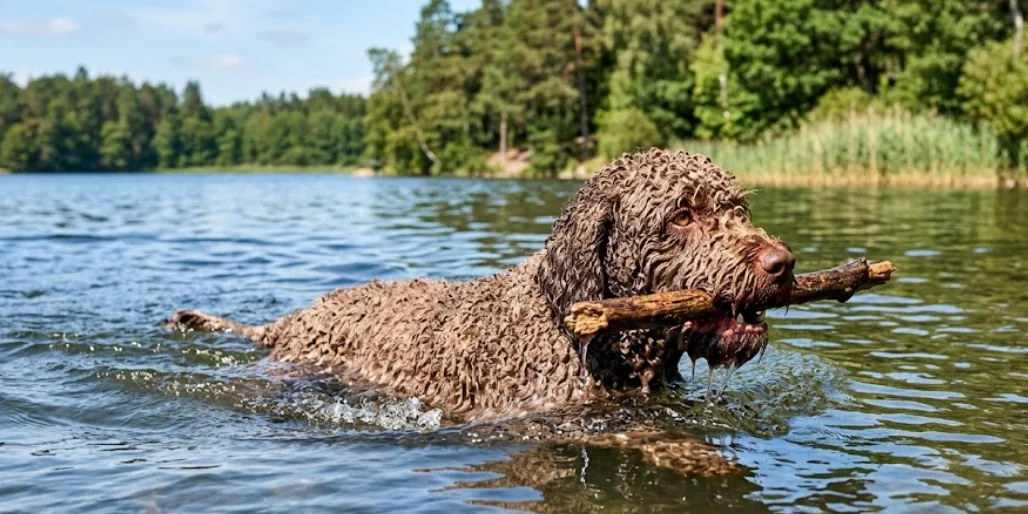
The most striking feature of the Spanish Water Dog is their unique curly coat, which can vary from woolly to more cord-like textures. Unlike many breeds, their coat should not be brushed but rather allowed to form cords, or clipped down evenly at least once a year. They are a medium-sized dog breed, known for their sturdy and athletic build. The breed standard dictates specific coat types and colors, and while some may be born with a natural bobtail, most have a full tail that contributes to their distinctive rustic appearance.
Common Uses
Originally bred as a multi-purpose working dog, the Spanish Water Dog continues to excel in various roles today. Their innate herding instincts make them superb at herding sheep and cattle, while their love for water makes them excellent retrievers, often participating in dog sports like dock diving. Beyond their traditional working roles, the intelligence and eagerness to please of the SWD also make them fantastic family dogs, provided their owners can meet their significant exercise and mental stimulation needs.
Temperament of the Spanish Water Dog
The temperament of the Spanish Water Dog is a crucial aspect for any prospective dog owner to understand. These dogs are renowned for their intelligence, loyalty, and lively personalities, but they also possess a strong working drive that influences their behavior. This section will explore how they interact with families, their socialization requirements, and the specific training approaches that yield the best results for this unique and energetic breed.
Behavior with Families
Spanish Water Dogs are deeply loyal and affectionate with their families, often forming strong bonds with their human companions. They are generally good with children, especially if raised with them from a Spanish Water Dog puppy age and properly socialized. However, their herding instincts can sometimes manifest as nipping at heels, a behavior that needs to be gently redirected. They thrive on being an integral part of family activities and can become quite protective of their loved ones.
Socialization Needs
Proper socialization is paramount for the Spanish Water Dog puppy to ensure they grow into well-adjusted adult dogs. Early exposure to various people, places, sounds, and other dogs is essential to prevent them from becoming overly timid or reactive. A well-socialized SWD will be confident and friendly, rather than reserved or wary around strangers. Continuing socialization throughout their lives is beneficial for maintaining their balanced temperament and preventing behavioral issues.
Training Requirements
Given their high intelligence and strong desire to please, Spanish Water Dogs are generally very trainable, though they do require a consistent and positive approach. Early training is key, focusing on basic obedience commands and good house manners. Their inherent working dog nature means they thrive when given tasks and mental challenges, so incorporating dog sports or advanced training can be highly beneficial. Positive reinforcement methods work best, as they are sensitive dogs who respond poorly to harsh corrections.
Grooming the Spanish Water Dog
Coat Care
The distinctive curly coat of the Spanish Water Dog is one of its most defining features, and proper care is crucial to maintain its health and appearance. Unlike many dog breeds, the SWD’s coat should not be brushed. Instead, it naturally forms cords if left to grow, or can be kept in a shorter, clipped style. Regular clipping, typically once or twice a year, helps prevent matting and keeps the coat manageable, reflecting their rustic working dog heritage.
Bathing Frequency
Bathing a Spanish Water Dog requires a gentle approach to preserve the natural texture of their curly coat. When bathing, it’s important to thoroughly rinse out all shampoo to prevent skin irritation and ensure the cords don’t become matted. The frequency of baths depends on the individual dog’s activity level and environment, but generally, a bath every few months is sufficient, particularly if their coat is kept clipped short.
Other Grooming Tips
Beyond coat care, other grooming tips are essential for the overall well-being of your Spanish Water Dog. Regular nail trims are important to prevent discomfort and potential paw issues. Ear cleaning should also be part of their routine, as their floppy ears can trap moisture, leading to infections. Many Spanish Water Dog owners choose to take their dogs to a professional groomer who specializes in corded or curly coats to ensure proper care.
Health Risks for the Spanish Water Dog
Common Health Issues
Like all dog breeds, the Spanish Water Dog can be prone to certain genetic health issues that potential dog owners should be aware of. Some of the more common conditions seen in the breed include hip dysplasia, progressive retinal atrophy (PRA), and congenital hypothyroidism with goiter (CHG). Responsible breeders work to screen their breeding stock for these conditions to minimize their occurrence in Spanish Water Dog puppy litters.
Preventative Care
Preventative care is vital for ensuring your Spanish Water Dog lives a long and healthy life. This includes a balanced diet, regular exercise tailored to their working dog energy levels, and routine veterinary check-ups. Maintaining a healthy weight is particularly important to reduce the strain on joints, which can exacerbate conditions like hip dysplasia. Early detection through preventative measures can make a significant difference in managing potential health issues.
Regular Health Checkups
Regular health checkups with a trusted veterinarian are crucial for the Spanish Water Dog, as they can help catch potential health problems early. These visits typically include a physical examination, vaccinations, and discussions about any changes in your dog’s temperament or behavior. A veterinarian can also advise on specific screenings for breed health concerns, such as annual eye exams for conditions like glaucoma or genetic tests for progressive retinal atrophy.
Choosing a Spanish Water Dog
What to Consider as Dog Owners
As prospective dog owners, it’s vital to consider if a Spanish Water Dog aligns with your lifestyle. These intelligent and energetic pups thrive in active environments where they can utilize their working dog instincts. Their distinctive curly coat and spirited temperament mean they need consistent training and socialization from a young Spanish Water Dog puppy age. Be prepared for a loyal companion who needs mental and physical engagement to prevent boredom and potential behavioral issues.
Finding a Reputable Breeder
When looking for a Spanish Water Dog, finding a reputable breeder is crucial. A good breeder will prioritize the health and temperament of their Spanish Water Dog puppies, often conducting health screenings for common breed health issues like hip dysplasia and progressive retinal atrophy. They should be transparent about their breeding practices, allow you to meet the parents, and provide a pedigree. The American Kennel Club (AKC) and the Spanish Water Dog Club are excellent resources for finding ethical breeders.
Adoption Options
Adoption can be a rewarding alternative to purchasing a Spanish Water Dog puppy from a breeder. While finding a purebred Spanish Water Dog through adoption might require patience, breed-specific rescues and local shelters occasionally have SWDs looking for their forever homes. Adopting an adult Spanish Water Dog can mean bypassing the intense puppy stage, but it’s important to understand the dog’s history and temperament to ensure a good match for your family.
Conclusion
Final Thoughts
The Spanish Water Dog is a remarkable and versatile breed, celebrated for its intelligence, loyalty, and distinctive curly coat. These energetic working dogs make wonderful companions for active dog owners who are committed to providing consistent training, ample exercise, and proper socialization. Understanding their unique needs, from their grooming requirements to their strong herding instincts, is key to fostering a happy and well-adjusted Spanish Water Dog.
Additional Resources
For those eager to delve deeper into the world of the Spanish Water Dog, numerous resources are available. The Spanish Water Dog Club of America offers extensive dog breed information, including details on the AKC breed standard, breed health, and responsible ownership. Exploring these resources can provide valuable insights into the breed’s temperament, training methodologies, and how to best care for your Spanish Water Dog puppy or adult.
Explore the Dog A-Z Breeds Guide
To learn more about various dog breeds and find the perfect match for your home, you might want to check out our comprehensive Dog A-Z Breeds Guide. Pawandbreeds is dedicated to helping you make informed decisions about your canine companions.
FAQ
Q: What kind of dog breed is the Spanish Water Dog, exactly?
A: So the Spanish Water Dog is basically a super versatile working dog that’s been doing a bit of everything for centuries — herding, retrieving from water, guarding farms, you name it. It’s considered an ancient breed from the Iberian Peninsula, and honestly that mix of herding dog instincts plus water-related skills makes it stand out from most other breeds you’ll come across. It’s not just a one-trick pony, it’s a proper all-rounder.
Q: Are Spanish Water Dogs good as family dogs?
A: Yeah, totally! Despite their working background, they make cracking family dogs. They’re loyal, bond hard with their people, and tend to be great with kids if they’re raised around them. Just keep in mind their herding breed instincts might kick in sometimes — like trying to “herd” the kids or other pets around the house. It’s harmless mostly, just part of their natural herding instincts showing through.
Q: What’s the deal with their curly coat — does it need a lot of maintenance?
A: This is where it gets interesting. Their coat is made of tight curls (not waves, actual curl patterns), and traditionally owners don’t comb it out like you would with other breeds. Combing actually messes up the natural cord-like texture that’s supposed to form. Good news though — they’re known for low shedding, so if you’re worried about hair all over your couch, this breed is pretty forgiving on that front.
Q: Were Spanish Water Dogs originally bred for herding sheep and goats?
A: Yep, that’s a huge part of their history. Spanish shepherds used them to herd sheep and goats across rough terrain, and they were expected to switch tasks depending on what the farm or fisherman needed that day. So one moment they’re working livestock, the next they’re jumping into water to help fishermen. That flexibility is honestly why people love calling them a true herding breed with extra skills.
Q: Why do people call them a waterfowl retriever too?
A: Because they genuinely earned that title! Fishermen along the Spanish coast used these dogs to retrieve nets, fish, and waterfowl from the water. Their webbed feet make swimming way easier for them compared to most breeds, so diving into lakes or rivers to fetch stuff was basically second nature. If your pup loves splashing around, you’ll totally see this instinct come alive.
Q: When did the breed get recognized officially?
A: The breed’s history stretches back ages, but official recognition came later. Fun fact — the breed was recognized by the American Kennel Club in 2015, which helped boost its popularity outside of Spain. Before that, it was mostly known through its breed club and parent club efforts in Europe, especially Spain, where breeders worked hard to preserve the working traits instead of just focusing on looks.
Q: What health and welfare issues should owners watch out for?
A: Like most breeds, health and welfare is a big topic for Spanish Water Dogs. They can be prone to certain eye disease conditions that potentially lead to vision loss or even blindness if untreated. Hip issues and some autoimmune conditions have also been reported. Regular vet checkups and buying from a reputable breeder connected to the official breed club can seriously lower these risks.
Q: Is successful training easy with this breed?
A: Honestly, yes, successful training tends to come pretty naturally with Spanish Water Dogs because they’re smart and eager to please. Their working background means they actually want a job to do — mental stimulation matters a lot here. Bored Spanish Water Dogs can get a little destructive, so keeping their brain busy with tasks that tap into their natural herding instincts really helps.
Q: What are some general Spanish Water Dog needs I should know about before getting one?
A: Spanish Water Dog needs go beyond just food and walks. They need regular exercise (they’ve got tons of energy from their working dog roots), mental challenges, and honestly some kind of water access if possible since they love swimming so much. Grooming-wise it’s low maintenance because of that low shedding coat, but don’t skip vet visits since some health and welfare concerns are breed-specific.
Q: Is this breed suitable for first-time dog owners?
A: It can go either way, tbh. If you’re an active person who’s cool with giving a dog a job to do and enjoys outdoorsy stuff (especially anything water-related), you might do great even as a first-timer. But if you want a low-energy couch companion, this probably isn’t your breed. Reaching out to a local breed club or parent club before committing is a smart move — they’ll be honest about whether it’s the right fit for your lifestyle.