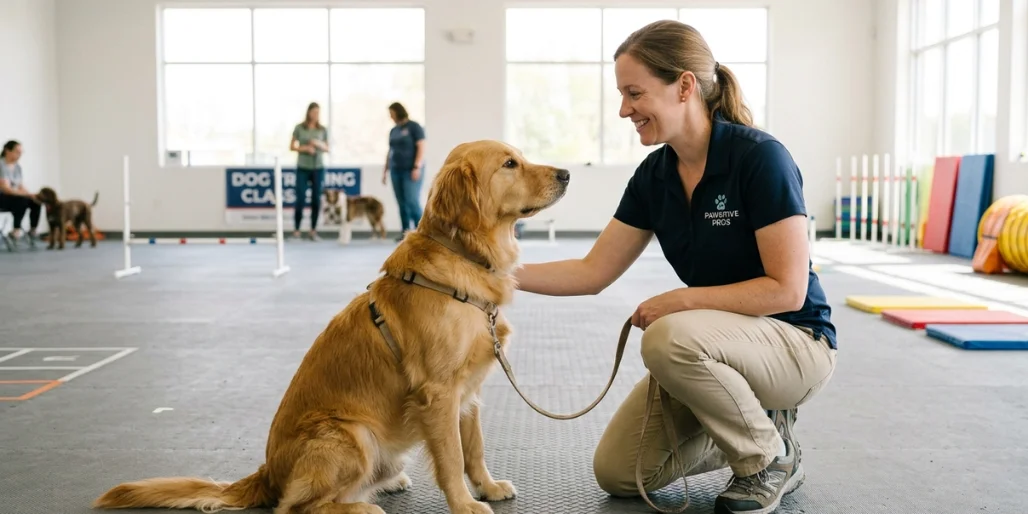
Bringing a new dog into the family is one of life’s most rewarding experiences — but it comes with real responsibilities. Whether someone is dealing with a puppy that pulls on the leash or an older dog showing signs of aggression, working with the right professional can make all the difference. The challenge? The dog training industry is largely unregulated, which means almost anyone can call themselves a trainer without formal credentials. That is why knowing which questions to ask a dog trainer before making a hiring decision is so important.
This guide walks through the essential things every dog owner should consider when choosing a dog trainer, covering everything from certification and philosophy to training methods and guarantees. Think of it as a complete list of questions to ask that will help owners protect their pets and their peace of mind.
Why Asking the Right Questions to Ask a Trainer Matters
Before diving into the specific questions to ask, it helps to understand why this process matters so much. Dog training is not a one-size-fits-all service. Each dog has a unique personality, history, and set of challenges — and the approach a trainer takes can either strengthen or damage the relationship with your dog.
Because the dog training industry remains unregulated in most regions, potential trainers do not need to pass a standardised exam or hold a licence to work with dogs. That means the responsibility falls squarely on the owner to do their homework — starting with knowing how to find a good dog trainer before you even get to the point of asking questions. Asking the right questions upfront is not just smart — it is essential for keeping a dog safe and happy throughout the process.
Questions to Ask a Dog Trainer About Their Background and Certification
What Is Your Certification and Dog Training Education?
One of the first things to look into is a trainer’s certification. While certification alone does not guarantee excellence, it does signal a commitment to professional standards and ongoing dog training education.
Reputable credentials to look for include those issued by the Certification Council of Professional Dog Trainers (CCPDT), membership in the Association of Professional Dog Trainers (APDT), or graduation from recognised programs like the Karen Pryor Academy. Affiliation with the Pet Professional Guild is another positive sign, as that organisation specifically promotes humane, force-free training practices.
A good trainer will be transparent about where they studied, how long they have been training dogs, and whether they pursue continuing education. Hands-on experience working with different breeds, temperaments, and behavioural challenges matters enormously — so it is worth asking how many dogs a trainer has worked with and what types of cases they have handled.
Do You Work With Behavior Consultants or Veterinary Behaviorists?
A skilled professional dog trainer should know when a case is beyond their scope. If a dog exhibits signs of severe separation anxiety, deep-rooted aggression, or complex behavior modification needs, the right trainer will refer the owner to a certified veterinary behaviorist rather than attempting to handle everything alone. This kind of professional humility is actually a green flag, not a red one.
Questions to Ask About Training Methods and Philosophy
What Training Methods Do You Use?
This is arguably the most important question to ask a dog trainer. The methods they use will have a direct impact on a dog’s wellbeing, emotional state, and long-term behavior.
There is a significant divide in the training industry between those who rely on positive reinforcement and force-free training and those who use aversive tools or techniques — and understanding dog training methods before hiring anyone is the best way to walk into that conversation prepared.
Positive reinforcement methods — rewarding desired behavior rather than punishing unwanted behavior — are widely endorsed by animal behaviour scientists and professional dog training associations alike. These approaches build confidence, strengthen the bond between a dog and its owner, and lead to lasting results.
Trainers who rely on intimidation, the use of punishment, prong collars, or shock collars raise serious concerns. These tools can increase fear and aggression in dogs, making problems worse rather than better. Any trainer who dismisses questions about their methods or becomes defensive when asked should be considered a red flag.
Always ask trainers directly: do you use prong collars or shock collars in your sessions? Do you rely on any form of aversive correction? The answers will reveal a lot about their underlying philosophy.
What Is Your Philosophy Around Humane Training?
Beyond specific tools, a trainer’s broader philosophy matters. Humane training is built on trust — it respects the dog as a sentient being and prioritises the dog’s emotional experience throughout the process. Owners should inquire about how a trainer handles fear, stress, or resistance in a dog during sessions.
A trainer rooted in humane principles will never use physical force, and they will always adapt their approach when a dog signals discomfort. They should be able to clearly articulate why the use of positive reinforcement works and how it supports successful training outcomes over time.
Questions About Experience With Specific Dog Behaviors
Have You Worked With Dogs That Show Aggression or Separation Anxiety?
Not all trainers are equipped to work with dogs exhibiting complex behavioral challenges. Aggression — whether directed toward people, another dog, or specific situations — requires specialised knowledge, careful management, and a methodical approach to behavior modification. The same applies to separation anxiety, fear-based reactions, and other forms of unwanted behavior.
When hiring a dog trainer to address these issues, it is worth asking for case examples (without violating client privacy) or for a general description of how they approach such challenges. A trainer with a proven track record in this area will be able to speak confidently and specifically about their process.
How Do You Handle Obedience Training for Puppies?
Puppy socialisation is one of the most critical windows in canine development, and how a trainer approaches obedience training during this period can shape a dog’s behavior for life. Owners should ask about the trainer’s experience with puppies specifically — including how they approach early leash manners, bite inhibition, and exposure to new environments.
The best trainers understand that puppy training is not just about commands — it is about building a foundation of trust and clear communication that will serve the dog for years to come.
Questions About Dog Training Programs and Class Structure
Do You Offer Group Classes or Private Sessions?
Different dog training programs suit different needs. Group classes are excellent for socialization — they expose a dog to other people, another dog or two, and new environments in a structured setting. Private sessions, on the other hand, allow for a more focused approach tailored to a specific dog’s behavior challenges and the owner’s schedule.
Some trainers offer a combination of both, which can be ideal. When comparing dog training programs, owners should also ask about class sizes, the trainer-to-dog ratio in group classes, and how the trainer ensures every dog is kept safe during sessions.
What Does a Typical Training Session Look Like?
Understanding the day-to-day training process helps owners set realistic expectations. A good trainer will walk potential clients through what a typical session looks like — from how they greet the dog to how they introduce new behaviors and wrap up each appointment. Clear communication about what is expected of the owner between sessions is also a mark of professionalism.
Questions to Ask a Dog Trainer Before Hiring: Practical Considerations
Can You Provide References or a Proven Track Record?
A trainer who has built a reputation through results will have no hesitation providing references. Speaking with former clients is one of the best ways to get an honest sense of what working with a particular professional is really like. Owners should ask about outcomes, communication style, and whether the dog’s behavior genuinely improved.
Online reviews can also be helpful, but direct conversations with past clients offer a deeper and more candid perspective.
Do You Offer a Guarantee?
This is a nuanced but worthwhile question. Most ethical trainers will explain upfront that they cannot guarantee specific results — because a dog’s progress depends heavily on consistency from the owner at home. That said, reputable professionals usually offer some form of satisfaction policy or follow-up support.
Be cautious of any trainer who promises overnight transformations or guarantees that a dog will be “fixed” in a set number of sessions. Honest trainers are upfront about what is realistic, and they emphasise that dog training is a process that requires ongoing commitment from everyone involved.
What to Watch Out for When Choosing a Dog Trainer
Red Flags in the Dog Training Industry
Because the field is unregulated, there are unfortunately trainers who rely on outdated or harmful practices. Some warning signs to watch for include:
A trainer who refuses to answer questions about the methods they use is a major concern. Similarly, any professional who insists on training the dog without the owner present — without a clear and reasonable explanation — should raise questions. Trainers who promote dominance-based methods, use shock collars or prong collars as standard tools, or rely on intimidation and fear have approaches that can genuinely harm a dog’s emotional health.
The use of punishment in training, especially without clear justification or scientific backing, is another area of concern. Owners should always inquire about what happens when a dog exhibits undesired behavior during a session — the answer reveals a great deal about a trainer’s true philosophy.
Ask About Canine Body Language Literacy
A well-qualified professional dog trainer should have a strong grasp of canine communication signals. They should be able to read when a dog is stressed, overwhelmed, or shutting down — and adjust the session accordingly. If a trainer cannot speak to canine body language or seems dismissive when a dog exhibits stress signals, that is worth taking seriously.
Building a Happier Life With Your Dog
The goal of any training program is to create a safe and happy life for the dog and a harmonious, rewarding experience for the owner. The right trainer becomes a genuine partner in that journey — someone who helps owners understand their dog better, address problem behaviors with compassion, and build a relationship with your dog that is built on trust, consistency, and mutual respect.
Choosing a dog trainer is not something to rush. Taking the time to ask the right questions to ask, research credentials, and observe a session before committing is time well spent. When a dog finally masters a skill or conquers a fear, that moment brings a real sense of pride — for the owner, and for the trainer who helped them get there.
Dog deserves a trainer who sees the full picture: not just a set of behaviors to fix, but a living, feeling animal with the capacity to thrive when given the right support. By asking the right questions and demanding transparency, owners can ensure that their canine companion is in the best possible hands.
A Quick Summary: Essential Questions Every Owner Should Ask
Before signing on with any trainer, here is a concise list of questions to ask that covers the most important ground:
- What certifications do you hold, and which professional dog training associations do you belong to?
- What training methods do you use, and do you use any aversive tools such as prong collars or shock collars?
- How do you handle aggressive behavior or separation anxiety?
- What does your philosophy around humane training look like?
- Can you describe your experience with dog training education and hands-on work with dogs?
- Do you offer group classes, private sessions, or both?
- Can you provide references from past clients?
- How do you communicate with owners throughout the training process?
- Do you know when a case requires referral to a behavior specialist or veterinary behaviorist?
- What can owners realistically expect — and what role will they play at home?
Armed with this list of questions to ask, any owner can walk into a conversation with potential trainers feeling informed, confident, and prepared to make the best choice for their dog.