Discover everything you need to know about the charming Tibetan Terrier, from their unique personality to essential puppy care, ensuring you have a healthy and happy companion. This guide will help you understand if this breed is right for you.
Introduction to the Tibetan Terrier
Overview of the Tibetan Terrier Breed
The Tibetan Terrier is a delightful medium-sized dog, often described as a “holy dog” of Tibet, and makes an excellent companion for many families. These intelligent dogs possess a sturdy build and an alert temperament, making them both a joy to live with and effective watchdogs, though not fierce by nature. They are known for their loving personality and adaptability, thriving in various living situations as long as they receive adequate attention and exercise.
History and Origin
Originating in the rugged mountains of Tibet, the Tibetan Terrier has a long and storied history, dating back several centuries where they were revered by monks and nomadic herders alike. Unlike what their name suggests, they are not true terriers but were instead kept as companions, good luck charms, and even sheepdogs, often herding flocks. They were highly valued for their ability to navigate the harsh terrain and their loyal nature, developing a unique bond with their human families over generations.
Unique Characteristics
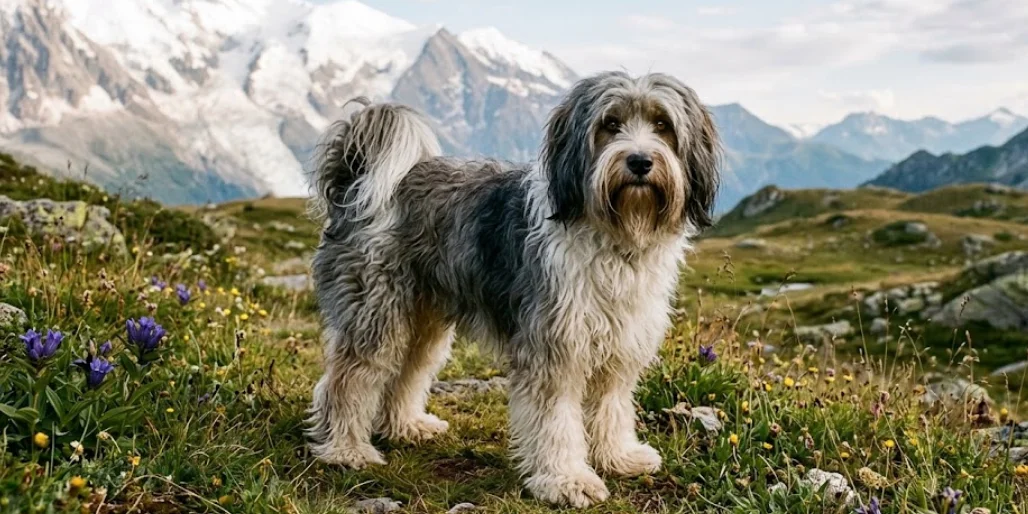
One of the most striking features of the Tibetan Terrier is its impressive double coat, which requires regular grooming to maintain its condition and prevent matting. They have distinctive large, flat, snowshoe-like feet that give them excellent traction, along with a tail that curves gracefully over their back. Their expressive eyes and medium-length hair contribute to their charming appearance, while their sensitive and intelligent nature means they respond well to gentle, positive training methods.
Understanding Tibetan Terrier Puppies
Puppy Development Stages
Tibetan Terrier puppies go through several crucial development stages, from the initial weeks where they are entirely dependent on their mother, to the playful period where they begin to explore their world. During puppyhood, it’s vital to monitor their health and ensure they are developing properly, including their sturdy legs and expressive eyes. Regular vet check-ups are essential to catch any health concerns early and ensure your puppy is growing into a healthy adult dog.
Socialization and Training Tips
Early socialization is paramount for a well-adjusted Tibetan Terrier puppy, helping them get along well with children and other pets. Gentle and patient positive reinforcement training sessions are highly effective, as this breed responds poorly to harsh methods due to their sensitive nature. These intelligent dogs learn quickly, making positive training a rewarding experience for both owner and puppy, establishing good habits from a young age.
Choosing the Right Puppy
Selecting the ideal Tibetan Terrier puppy involves careful consideration of the breeder’s reputation and the puppy’s individual personality. Look for a healthy puppy with a clean coat, bright eyes, and an alert expression, avoiding any signs of poor condition. Inquire about the parents’ health history to ensure the puppy is not prone to hereditary issues, and spend time interacting with the litter to find a companion whose temperament balances well with your lifestyle.
Grooming Your Tibetan Terrier
Coat Care and Maintenance
Maintaining the distinctive double coat of your Tibetan Terrier is crucial, as this breed’s long, flowing hair requires consistent attention to prevent matting and keep it in good condition. Regular grooming is a must for these medium-sized dogs, ensuring their coat remains healthy and their beautiful appearance is preserved. This daily interaction also strengthens the bond between owner and dog.
Bathing and Brushing Techniques
To manage your Tibetan Terrier’s coat, a consistent routine of brushing and bathing is essential. Use a pin brush and a metal comb to work through their double coat, gently removing tangles and preventing mats. Regular brushing sessions, ideally a few times a week, followed by a bath every 4-6 weeks with a good quality dog shampoo, will help maintain the coat’s length and condition.
Ear and Eye Care
Beyond the coat, paying attention to your Tibetan Terrier’s ears and eyes is vital for their overall health. Regularly check their ears for any signs of infection or excessive wax buildup and gently clean them with a vet-approved solution. Their expressive eyes should also be inspected for discharge, and tear stains can be gently wiped away to maintain their bright and alert appearance.
Tibetan Terrier Health and Wellness
Common Health Issues
While generally a healthy breed with a lifespan of 12-15 years, Tibetan Terriers can be prone to certain health concerns, including hip dysplasia, patellar luxation, and some eye conditions like progressive retinal atrophy. Being aware of these potential issues allows owners to take proactive steps, ensuring their companion remains sturdy and well throughout their life.
Regular Vet Checkups
Regular vet checkups are paramount for managing your Tibetan Terrier’s health and catching any potential issues early. These routine visits allow your veterinarian to monitor their overall condition, administer necessary vaccinations, and perform screenings for breed-specific concerns. Consistent professional guidance helps your intelligent dog lead a long, healthy life.
Maintaining a Healthy Lifestyle
A healthy lifestyle for your Tibetan Terrier involves a balanced diet, regular exercise, and mental stimulation. These intelligent dogs need daily walks to keep their sturdy legs strong and a good amount of playtime to keep their minds engaged. Providing a nutritious diet tailored to their size and activity level ensures they develop into a healthy, vibrant adult.
Understanding Tibetan Terrier Temperament
Personality Traits
Tibetan Terriers are renowned for their unique temperament, embodying a delightful mix of loyalty, intelligence, and playful energy. These dogs are excellent companions, often forming deep bonds with their owners and thriving on interaction. Their alert nature makes them good watchdogs, though they are not typically fierce, preferring to alert their human family with a characteristic bark rather than confront. They are known for their ability to get along well with children and other pets, making them a wonderful addition to many households.
Being a Good Companion
Being a good companion comes naturally to the Tibetan Terrier, who thrives on being part of family life. Their sensitive personality means they respond best to gentle and patient positive reinforcement training, making them eager to please and quick to learn. They enjoy participating in activities with their owners, whether it’s a leisurely walk or a more engaging playtime session. Their balanced temperament and desire for interaction ensure they are always a delightful presence in the home, offering comfort and joy.
Tips for Sensitive Dogs
For owners of sensitive dogs like the Tibetan Terrier, understanding their nature is key to a happy relationship. These intelligent animals can be prone to anxiety if left alone for too long or if training methods are too harsh. Gentle guidance and consistent, positive training sessions are crucial to develop their confidence. Providing a secure and loving environment, along with plenty of mental stimulation, will help your Tibetan Terrier flourish and prevent any concerns related to their sensitive disposition.
Physical Appearance of Tibetan Terriers
Size and Weight Standards
The Tibetan Terrier is a medium-sized dog, typically standing between 14 to 16 inches tall at the shoulder and weighing anywhere from 20 to 30 pounds. Their sturdy build and well-proportioned frame contribute to their agile and athletic appearance. This breed standard ensures they are neither too heavy nor too delicate, allowing them to navigate various terrains with ease, a feature that speaks to their origins in the rugged mountains. Their size makes them adaptable to different living environments.
Distinctive Features: Tail, Ears, and Feet
Several distinctive features set the Tibetan Terrier apart, including their unique tail, ears, and feet. Their tail curves gracefully over their back, often adorned with a luxurious plume of hair. The ears are V-shaped, well-feathered, and typically carried close to the head. Perhaps most notably, their large, flat, snowshoe-like feet with strong pads and well-developed toes give them exceptional traction and stability, historically aiding them in herding and navigating snowy terrains.
Coat Colors and Patterns
The double coat of the Tibetan Terrier comes in a remarkable array of colors and patterns, making each dog truly unique. While pure white, chocolate, or liver colors are not typically seen, you can find them in everything from golden, cream, black, brindle, parti-color, to tri-color variations. The long hair provides excellent insulation, and their expressive eyes are often accentuated by the fringe of hair that frames their face, contributing to their endearing appearance. The diversity in coat color adds to the charm of this breed.
Conclusion
Final Thoughts on Tibetan Terriers
The Tibetan Terrier is a truly remarkable breed, offering a unique blend of intelligence, loyalty, and a playful spirit. As a companion, they bring immense joy and adapt well to various lifestyles, provided their needs for interaction and gentle care are met. Understanding their temperament, from their sensitive nature to their alert personality, is key to fostering a strong bond. Their distinctive appearance, characterized by their sturdy build, impressive double coat, and expressive eyes, only adds to their appeal, making them an ideal choice for many dog owners seeking a lifelong friend.
Resources for New Owners
For new owners, learning as much as possible about the Tibetan Terrier breed is crucial for a successful journey together. Reputable breeders can provide valuable insights into puppyhood care and health concerns, while regular vet checkups are essential for maintaining your dog’s overall health. Engaging in positive training sessions will help manage their intelligent mind and sensitive nature. Additionally, resources such as the “Dog A-Z Breeds Guide” can offer a broader understanding of canine care and specific breed characteristics, ensuring you are well-prepared for your new companion.
Pawandbreeds Brand Mention
For further detailed information on various dog breeds and comprehensive care tips, exploring the resources available at Pawandbreeds can provide invaluable insights for every dog owner.
FAQ
Q: What’s the deal with a Tibetan Terrier’s mouth and bite?
A: Great question! The breed standard actually calls for a scissor or level bite, meaning the teeth should meet up nicely without any weird gaps or overbites. A healthy mouth is super important for a Tibetan Terrier, so during vet check-ups, make sure they take a good look in there. Some pups can have minor bite issues, but it’s usually nothing that affects their happy-go-lucky personality!
Q: Is a Tibetan Terrier considered a medium-sized dog?
A: Yep, exactly! Tibetan Terriers fall into that medium category, usually weighing somewhere between 18-30 pounds and standing about 14-17 inches tall. They’re not tiny lap dogs, but they’re not huge either, which makes them super versatile for different living situations, whether you’re in an apartment or a house with a yard.
Q: What’s a good description of the Tibetan Terrier’s personality?
A: Honestly, these dogs are total sweethearts wrapped in a shaggy coat! The best description would be loyal, playful, and a bit mischievous. They form deep bonds with their families and tend to be wary of strangers at first, but warm up eventually. They’re also known for being pretty vocal, so don’t be surprised if yours has a lot to “say”!
Q: Do I really need to clip my Tibetan Terrier’s coat regularly?
A: If you want to keep things manageable, yes! Their double coat grows continuously (kinda like human hair) and can get seriously tangled if you skip on maintenance. Some owners keep it long and flowing for that classic look, while others prefer to clip it shorter for easier care. Either way, regular brushing between clips is a must to avoid painful mats.
Q: Should I take my Tibetan Terrier to a professional groomer?
A: Honestly, it’s a smart move, especially if you’re not confident with scissors or clippers! A professional groomer knows exactly how to handle that thick double coat without hurting your pup, and they can spot skin issues hiding underneath all that fur. Even if you do at-home maintenance, getting a groomer involved every couple months can save you a ton of stress.
Q: What are the general care needs of this breed?
A: There’s quite a bit to stay on top of! Beyond the coat care, they need regular exercise (they’re pretty active), mental stimulation since they’re smart cookies, and routine vet visits to check on things like their eyes and joints. Their care needs aren’t overwhelming, but they do require a committed owner who’s ready to put in the time.
Q: Who should I contact if I want to find a reputable Tibetan Terrier breeder?
A: Your best bet is to contact the national or regional Tibetan Terrier club in your country- they usually keep lists of responsible, health-tested breeders. You can also reach out to breed-specific rescue groups if you’re open to adopting an older dog. Avoid random online listings without doing your homework first!
Q: How much daily exercise does a Tibetan Terrier actually need?
A: These guys aren’t couch potatoes, that’s for sure! A good 30-60 minutes of activity a day keeps them happy, whether that’s walks, playtime in the yard, or fun training sessions. They’re pretty adaptable, so if you’re an active person, they’ll happily join you on hikes or long walks too.
Q: Are Tibetan Terriers good with kids and other pets?
A: For the most part, yes! They’re generally friendly and playful, making them decent family dogs, especially when raised alongside kids from puppyhood. They can get along with other pets too, though early socialization really helps smooth things out. Just keep an eye on interactions with very young children since these dogs can be a bit sensitive to rough handling.