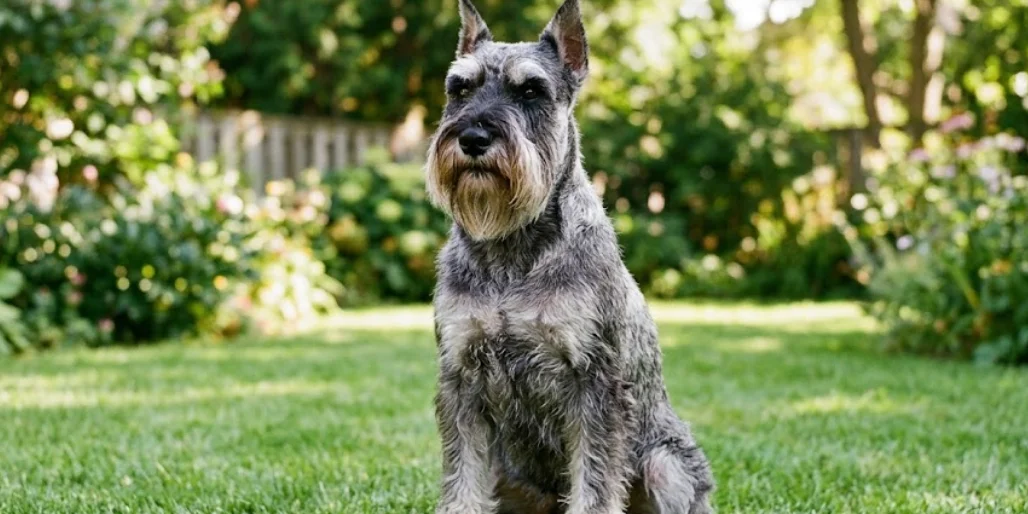
The Standard Schnauzer is a medium-sized dog breed renowned for its distinctive appearance and vibrant personality. This guide provides comprehensive information on its history, physical traits, temperament, and care requirements, helping you understand what makes this breed so special.
Overview of the Schnauzer Breed
The Standard Schnauzer is an ancient and robust dog breed, considered the original schnauzer from which the Miniature and Giant Schnauzers were developed. Known for its charming demeanor and distinctive appearance, this dog breed has captivated owners for centuries, offering both companionship and keen working ability.
History of the Standard Schnauzer
The Standard Schnauzer, originating in Germany, was primarily a working dog. Its tasks included:
- Guarding livestock
- Herding cattle
- Eradicating vermin on farms
Its adaptability and intelligence quickly made it an indispensable part of rural life, leading to its recognition as a versatile and valuable canine companion. The American Kennel Club (AKC) officially recognized the breed in the early 20th century.
Physical Characteristics
The Standard Schnauzer boasts a rugged, wiry coat that is coarse to the touch, with a dense undercoat providing protection against the elements. Their signature look includes prominent eyebrows and a distinctive beard and whiskers, which, along with their alert expression, give them a wise and dignified appearance. Regular grooming is essential to maintain the coat’s condition.
Size and Weight
As a medium-sized dog, the Standard Schnauzer typically stands between 17.5 to 19.5 inches tall at the shoulder and weighs approximately 30 to 50 pounds. This athletic build makes them agile and capable of various activities. Standard Schnauzer puppies grow quickly but generally reach their full size within the first year.
Temperament of the Standard Schnauzer
The Standard Schnauzer is known for its spirited and intelligent temperament, combining loyalty with a keen sense of alertness. They make excellent family dogs, forming strong bonds with their human companions. Their lively nature means they thrive on interaction and mental stimulation, making them a joy to live with for active families.
Personality Traits
Standard Schnauzers are highly intelligent and often display a playful yet protective personality. They are known for their strong will and can be quite independent, which stems from their working dog heritage. This makes them quick learners, but their unique traits also mean they require specific approaches to training and socialization:
- They are quick learners, highlighting their intelligence.
- Their strong will and independence necessitate consistent training and socialization to channel their energy positively.
Interaction with Family
As devoted family dogs, Standard Schnauzers typically interact well with all family members, including children, often displaying a patient and protective nature. However, early socialization of a Standard Schnauzer puppy is crucial to ensure they are well-adjusted and comfortable around different people and situations. They thrive on being included in family activities.
Socialization and Training
Socialization and training are paramount for a Standard Schnauzer, as its intelligence and independent streak mean it benefits greatly from clear boundaries and engaging activities. Reward-based training methods are highly effective with this breed, fostering a positive learning environment. Early and consistent exposure to various sights, sounds, and experiences helps them develop into well-mannered adult dogs.
Care and Grooming for Schnauzers
Grooming Requirements
The Standard Schnauzer’s wiry coat requires regular attention to maintain its distinctive appearance and health. While they don’t shed excessively, weekly brushing is essential to remove loose hair and prevent matting.
| Grooming Task | Frequency / Details |
| Brushing | Weekly (to remove loose hair and prevent matting) |
| Professional Grooming | Every 6-8 weeks (stripping or clipping the coat to preserve texture and color) |
Neglecting regular grooming can lead to discomfort and skin issues for your Standard Schnauzer.
Exercise Needs
As an active dog breed, Standard Schnauzers need a good amount of exercise to stay happy and healthy. Daily walks, playtime in a securely fenced yard, or engaging in dog sports are excellent ways to burn off their energy. An under-exercised Standard Schnauzer might develop destructive behaviors due to boredom, so ensuring they get plenty of physical and mental stimulation is crucial for their well-being.
Feeding and Nutrition
Proper feeding and nutrition are vital for the health of any Standard Schnauzer. High-quality dog food, appropriate for its age, size, and activity level, is recommended. Standard Schnauzer puppies, in particular, require a diet formulated for growth. Consulting your breeder or veterinarian for specific feeding guidelines can help ensure your canine companion receives all the necessary nutrients to thrive.
Standard Schnauzer as a Family Dog
Compatibility with Children
Standard Schnauzers often make wonderful family dogs due to their loyal and protective nature. With proper socialization from a young age, a Standard Schnauzer puppy can grow up to be a patient and playful companion for children. It’s always important to supervise interactions between dogs and young children to ensure safety and teach both how to respectfully interact with each other.
Behavior with Other Pets
When properly introduced and socialized, Standard Schnauzers can generally get along well with other pets, though their history as a farm dog that hunted vermin might mean a strong prey drive towards smaller animals. Early introduction to other household pets, especially during their puppy stage, is key to fostering harmonious relationships within your home. They often thrive in a multi-pet environment when given the right guidance.
Living Environment
Standard Schnauzers are adaptable and can do well in various living environments, from apartments to houses with yards, as long as their exercise needs are met. They are highly intelligent and bond closely with their families, meaning they prefer to be involved in household activities rather than left alone for extended periods. A secure outdoor space is beneficial for them to explore and play, reinforcing the soundness of this breed.
Finding the Right Puppy
Choosing a Reputable Breeder
When you’re ready to bring a Standard Schnauzer puppy into your home, choosing a reputable breeder is paramount to ensure the welfare of the dog and the soundness of this breed. A good breeder will prioritize the health and temperament of their Standard Schnauzer puppies, adhering to breed standards and often being affiliated with a kennel club like the AKC. They will be transparent about the dog breed information and happy to answer questions.
What to Look for in a Puppy
When selecting a Standard Schnauzer puppy, observe its demeanor and health. Look for a puppy that is alert, playful, and curious, with clear eyes and a clean, wiry coat. Inquire about the parents’ temperament and health clearances, as these are strong indicators of how your puppy will develop. A responsible breeder will guide you on what to look for, ensuring you find an ideal dog.
Initial Training Tips
Starting initial training early is crucial for a highly intelligent Standard Schnauzer puppy. Focus on positive reinforcement and reward-based methods to teach basic commands like sit, stay, and come. Early socialization, exposing your puppy to various sights, sounds, and people, will help them grow into a well-adjusted and confident family dog, making their transition into your home smoother and more enjoyable.
Additional Resources
Joining a Schnauzer Club
Becoming a part of a Schnauzer Club can be incredibly beneficial for any Standard Schnauzer owner. These clubs offer a wealth of breed information, connect you with experienced owners, breeders, and judges, and often organize events like dog sports or training classes. It’s a fantastic way to deepen your understanding of the schnauzer breed and gain support for your active dog.
Referencing the Dog A-Z Breeds Guide
For even more in-depth knowledge about various dog breeds, including the Standard Schnauzer, be sure to check out the dog breeds guide. This comprehensive resource can provide additional insights into breed characteristics, care requirements, and historical background, helping you become a more informed and responsible pet owner. It’s a valuable tool for understanding the nuances of different canine companions.
Connecting with Other Schnauzer Owners
Connecting with other Standard Schnauzer owners, whether online or in person, offers a fantastic support network and a chance to share experiences. You can exchange tips on grooming their wiry coat, discuss the best feeding guidelines, or simply share stories about your beloved Standard Schnauzer. This community can provide invaluable advice and camaraderie, enriching your journey with your unique schnauzer breed.
FAQ
Q: What exactly is a Standard Schnauzer dog breed and how does it fit into the schnauzer breed guide?
A: The Standard Schnauzer is actually the original breed from which the other two came along, meaning it’s the granddaddy of the Miniature and Giant versions. When you look at any solid schnauzer breed guide, you’ll notice the Standard sits right in the middle size-wise. It’s a medium sized dog that’s sturdy, square-built, and packed with personality. Basically if you want the “OG” schnauzer experience, this is your pup.
Q: How many schnauzer breeds are there and how does the Standard compare to Standard and Giant or Miniature versions?
A: There are three schnauzer breeds total: Miniature, Standard, and Giant. They all share the same general look and wiry coat, but they differ mainly in size and sometimes temperament intensity. The Standard sits smack in between the tiny Miniature Schnauzers and the big Giant Schnauzer, so if you’re comparing Standard and Giant, expect the Standard to be noticeably smaller and a bit easier to manage in a typical home.
Q: What colors are acceptable for this dog breed, like pepper and salt or solid black?
A: Standard Schnauzers officially come in two color varieties: pepper and salt, or solid black. The pepper and salt version is way more common and honestly super striking, with color that ranges from dark iron gray to silver gray, or sometimes described as dark iron to silver in different shades. Solid black dogs should be true black all the way through without random white patches showing up.
Q: Can you explain the pepper and salt coloring in more detail, like the banded hairs and undercoat?
A: Sure thing! The pepper and salt coloring is created by hairs banded with alternating light and dark bands, which gives that classic salt-and-pepper shimmer. Underneath the wiry outer coat, there’s usually a tan or fawn undercoat that adds depth to the color. You’ll also often see a darker facial mask that harmonizes nicely with whatever shade of pepper and salt the dog is wearing, plus lighter areas like light gray or silver white showing up in the eyebrows and beard area.
Q: What’s the deal with the facial mask on these dogs?
A: The facial mask is basically the darker shading around the muzzle and eyes that gives Standard Schnauzers that distinguished, almost grumpy-professor look. It should blend naturally instead of looking harsh or patchy. You’ll often spot silver white in the eyebrows and whiskers contrasting against that darker mask, which is honestly part of what makes the breed so recognizable and charming.
Q: Do Standard Schnauzers need cropping and docking, and is a groomer necessary?
A: Traditionally, owners would crop the ears and dock the tail, though this practice is becoming less common and is even banned in some countries. Nowadays plenty of Standard Schnauzers keep their natural ears and tails and look just as awesome. As for grooming, yes, you’ll want a groomer in your life. Their wiry outer coat needs regular hand-stripping or clipping every few months to keep it looking sharp and healthy.
Q: What does the coat texture actually feel like, and are there fault concerns?
A: The coat should be wiry and short on the body, not soft or fluffy. If a Standard Schnauzer’s coat feels silky or wavy, that’s typically considered a fault in the show ring. Any softness or curl should be regarded as a fault should be regarded seriously by breeders trying to maintain proper breed standards, since the wiry texture is a hallmark trait that sets schnauzers apart from other wire-coated breeds.
Q: Are Standard Schnauzers easy to train compared to Miniature Schnauzers?
A: Definitely! Standard Schnauzers are quick to learn and genuinely enjoy having a job to do, which makes training sessions pretty fun for both of you. They’re generally considered a bit more balanced in energy and focus compared to some feisty Miniature Schnauzers, though both are smart cookies. Consistency and positive reinforcement go a long way with this breed.
Q: Are there any health conditions or exaggerations to watch for in this breed?
A: Reputable breeders try hard to avoid conditions or exaggerations that could harm the dog’s health or function, like overly exaggerated features that look cool but cause problems. Standard Schnauzers are generally a pretty healthy, robust dog breed, though like any breed they can be prone to certain issues such as hip dysplasia or eye conditions, so regular vet checkups are always a smart move.