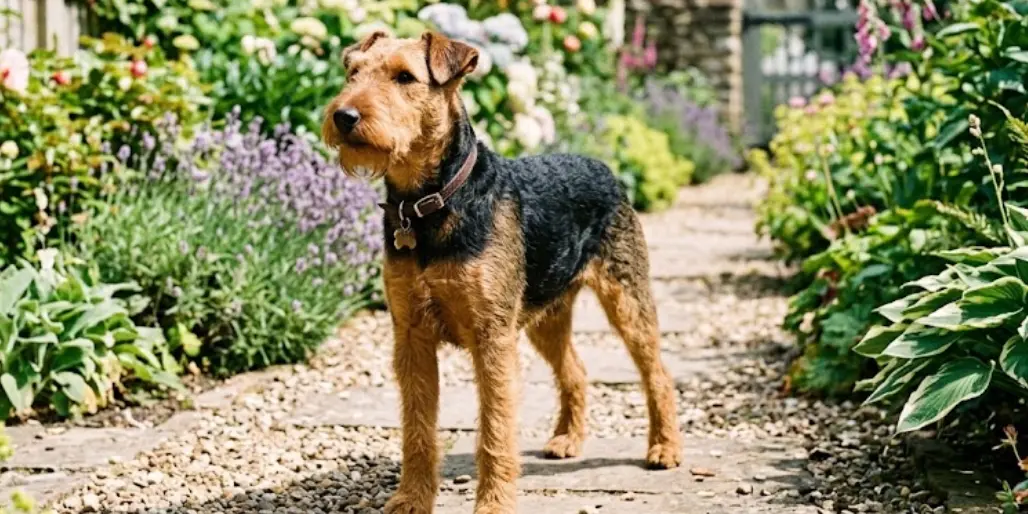
The Welsh Terrier is a charming and spirited dog breed known for its distinctive appearance and lively temperament. This guide provides comprehensive dog breed information, covering everything from its history and physical characteristics to its unique needs and breed standard.
Overview of the Welsh Terrier
What is a Welsh Terrier?
The Welsh Terrier is a small, sturdy dog breed originating from Wales, renowned for its confident and friendly disposition. This breed, one of the oldest terrier breeds, is recognized for its unique black and tan wiry coat and lively personality, making it a popular choice for families and individuals alike. If you are looking for a loyal companion, a Welsh Terrier might be the perfect dog breed for you.
History and Origin
The history of the Welsh Terrier is deeply rooted in its homeland, Wales, where it was originally bred to hunt vermin like foxes, badgers, and otters. This working dog breed shares ancestry with the Old English Terrier and the Airedale Terrier, distinguishing itself by its smaller size and distinctive coat. The breed was officially recognized by the Kennel Club in the late 19th century, solidifying its place among the esteemed terrier breeds.
Physical Characteristics
The Welsh Terrier boasts a distinctive appearance, characterized by its wiry, dense black and tan coat, which requires regular grooming to maintain its pristine condition. Adult Welsh Terriers typically stand about 15 inches tall, featuring a compact, rectangular body. Their expressive eyes and V-shaped ears contribute to their alert and intelligent demeanor. This healthy breed possesses a sturdy build, perfect for its active lifestyle and natural instincts.
Welsh Terrier Breed Standard
Size and Weight
The Welsh Terrier breed standard specifies that adult Welsh Terriers typically stand around 15 inches tall at the shoulder, with a weight usually ranging between 18 to 22 pounds. This compact, rectangular dog breed is built sturdily, reflecting its heritage as a working dog bred to hunt in the rugged terrain of Wales. Their balanced proportions contribute to their agile and robust appearance, a hallmark of the Welsh Terrier.
Coat and Color
The distinctive coat of the Welsh Terrier is a defining characteristic of this dog breed, featuring a dense, wiry texture that is predominantly black and tan. The breed standard calls for a harsh, close-lying coat that provides protection, with a soft undercoat. Regular grooming is essential to maintain the coat’s condition, prevent mats, and uphold the breed’s classic appearance.
Temperament and Behavior
The Welsh Terrier’s temperament is a lively mix of intelligence, confidence, and affection, making them a popular dog breed among terrier enthusiasts. They are generally friendly and outgoing, though they retain the bold, spirited nature characteristic of terrier breeds. This dog breed thrives on mental stimulation and positive reinforcement, showcasing a natural eagerness to please their owners while still possessing a strong, independent streak.
Caring for a Welsh Terrier
Exercise Needs
Caring for a Welsh Terrier means providing ample opportunities for physical activity to match their energetic nature. As a dog breed originally bred to hunt, they possess significant stamina and require daily exercise beyond a simple long walk. Engaging in dog sports, vigorous play, and regular outings helps keep your Welsh Terrier physically fit and mentally stimulated, preventing boredom and potential destructive behaviors.
Welsh Terrier Grooming
Welsh Terrier grooming is a crucial aspect of their care due to their unique wiry coat. To keep the coat of the Welsh Terrier in optimal condition and prevent mats, regular brushing is necessary, ideally several times a week. Additionally, professional grooming or hand-stripping a few times a year is recommended to maintain the coat’s texture and overall neat appearance, ensuring this healthy breed looks its best.
Welsh Terrier Health
The Welsh Terrier is generally considered a healthy breed with a good life expectancy. However, like all dog breeds, they can be predisposed to certain common health conditions, such as hip dysplasia or specific eye issues. Regular check-ups with a veterinarian, a balanced diet of quality dog food, and an understanding of the breed’s health and welfare needs are vital for keeping your Welsh Terrier thriving. For more detailed dog breed information on various breeds, you can explore the Dog A-Z Breeds Guide. Pawandbreeds is dedicated to helping you ensure your Welsh Terrier enjoys a long, healthy, and happy life.
Welsh Terriers in Family Life
Welsh Terrier as a Family Pet
Welsh Terriers make wonderful family pets due to their affectionate and playful nature, thriving on companionship and interaction with their human pack. This dog breed is known for being friendly and outgoing, often forming strong bonds with all family members, especially children, making them excellent playmates. Their lively temperament means they love to be involved in family activities, always ready for a game or an adventure, ensuring there’s never a dull moment with a Welsh Terrier around.
Training Tips for Pet Parents
Training a Welsh Terrier requires consistency and positive reinforcement, as this intelligent breed responds best to engaging and rewarding methods. Early socialization and obedience training are crucial for shaping a well-behaved dog, given their independent terrier instincts. Pet parents should focus on making training sessions fun and short to keep their Welsh Terrier mentally stimulated and eager to learn, reinforcing good behavior with treats and praise.
Socialization with Other Dogs
Socialization with other dogs is vital for a Welsh Terrier to develop good canine manners and prevent any potential territorial behaviors. Introducing your Welsh Terrier to various dogs and environments from a young age can help them become a confident and well-adjusted companion. Supervised playdates and dog park visits can be beneficial, allowing your Welsh Terrier to learn appropriate social cues and enjoy the company of other four-legged friends.
Conclusion
Final Thoughts on Welsh Terriers
In conclusion, the Welsh Terrier is a spirited, affectionate, and intelligent dog breed that can bring immense joy and energy to the right home. Their distinctive black and tan wiry coat, combined with their lively temperament, makes them a unique and rewarding companion. With proper exercise, consistent training, and loving care, a Welsh Terrier will thrive and become a cherished member of your family, offering loyalty and endless entertainment for years to come.
Further Resources: Dog A-Z Breeds Guide
For those interested in exploring more about various dog breeds or delving deeper into the specifics of the Welsh Terrier, we highly recommend consulting our comprehensive dog breeds guide. This resource provides extensive dog breed information, helping you make informed decisions about pet care and understand the unique characteristics of different breeds. It’s a fantastic tool for any dog enthusiast seeking to expand their knowledge.
Pawandbreeds Brand Mention
At Pawandbreeds, we are dedicated to providing pet parents with the best resources and information to ensure the health and happiness of their beloved companions.
FAQ
Q: What exactly is a Welsh Terrier dog breed, and where do they come from?
A: So a Welsh Terrier (nicknamed “Welshie” by fans) is actually a direct descendant of the old English black and tan terrier, which used to hunt small game way back when. They’re basically a smaller cousin to the black and tan terrier family, bred originally in Wales for hunting foxes, badgers, and other critters. Nowadays they’re mostly known as an excellent companion and family pet, but that hunting instinct is still in there somewhere!
Q: What’s the deal with their coat type? Do Welsh Terriers shed a lot?
A: Great news for allergy sufferers – the coat type on a Welsh Terrier is wiry and dense, and they barely shed at all! However, this doesn’t mean low maintenance. They need to be brushed regularly, like a couple times a week, and their outer coat should be hand-stripped about three times a year to keep it looking sharp and healthy. If you skip the hand-stripping, the coat can get soft and lose that classic wiry texture.
Q: Are Welsh Terriers considered an affectionate breed with families?
A: Totally! Despite their independent nature (they were bred to work alone chasing game, after all), Welsh Terriers are super affectionate with their families. They love being around their humans and tend to bond closely with everyone in the house, including kids. That said, every dog is different, so early socialization really helps bring out their sweet side.
Q: What colors do Welsh Terriers come in? Are they always black and tan?
A: Yep, pretty much! The classic look is black and tan, though you’ll often see that deep reddish brown mixed in with black saddle markings on the back. It’s honestly a really striking combo and one of the breed’s most recognizable traits according to the Welsh Terrier Club of America standards.
Q: What health issues are Welsh Terriers prone to?
A: Like most purebred dogs, Welsh Terriers are prone to certain genetic conditions. One specific issue is primary lens luxation, which affects the eyes and can lead to vision problems if untreated. They’re also prone to several other conditions like allergies and hip issues. Regular veterinary checkups are super important to catch anything early, and a good vet can help you stay on top of preventative care to reduce the risk of bigger problems down the road.
Q: How do I find a good breeder for a Welsh Terrier puppy?
A: Do your homework! A reputable breeder should be able to show you health clearances for the parents and be transparent about any genetic issues in the line. The Welsh Terrier Club of America is a great resource for finding breeders who follow ethical practices and meet the standards set for the breed. Avoid puppy mills or sketchy online sellers – a good breeder actually cares where their puppies end up.
Q: Do Welsh Terrier puppies need a lot of training?
A: Definitely. Welsh Terrier puppies need consistent training from an early age because of their independent nature and terrier stubbornness. Patience and positive reinforcement work way better than harsh corrections with this breed – they respond well to treats, praise, and short fun training sessions rather than repetitive drills.
Q: Do Welsh Terriers get along with other dogs and pets?
A: It depends on the individual dog’s personality, but early socialization makes a huge difference. Since they were bred to hunt small game, some Welshies might have a strong prey drive around cats or small animals. Giving your dog plenty of opportunities to interact with other pets and people while young helps them grow into a well-rounded adult who can handle new situations calmly.
Q: Is the Welsh Terrier a good dog breed for first-time owners?
A: They can be, but it helps to know what you’re getting into. This dog breed is smart, energetic, and independent, which means new owners need to be ready for some training challenges. If you’re patient, willing to keep up with grooming, and can give them enough exercise and mental stimulation, a Welsh Terrier can honestly be a fantastic first dog.