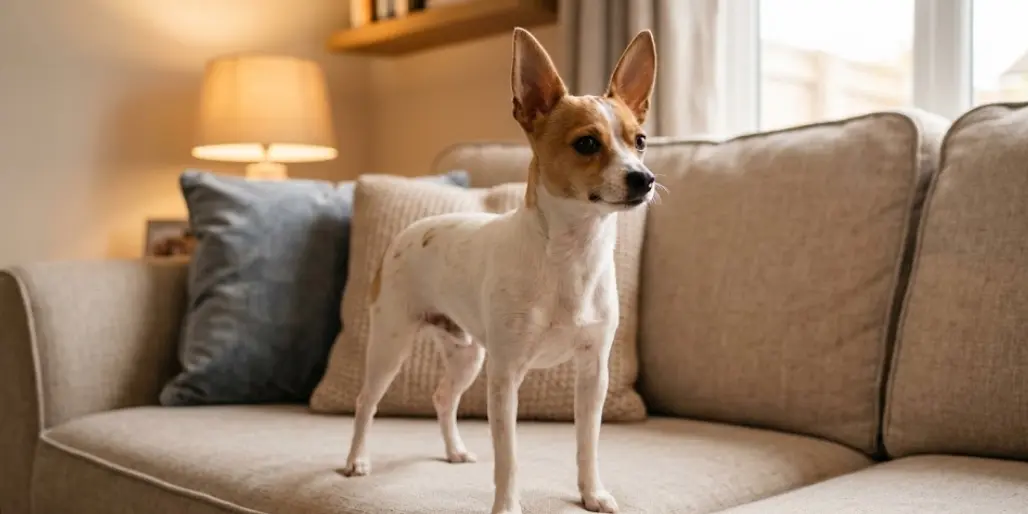
Are you looking for a lively, intelligent, and affectionate companion? The Toy Fox Terrier might just be the perfect small dog breed for you! This complete breed guide will delve into everything you need to know about this captivating canine.
Toy Fox Terrier Overview
What is a Toy Fox Terrier?
The Toy Fox Terrier is a charming and spirited small dog breed, known for its lively demeanor and compact size. These intelligent canines make wonderful companions, boasting a keen mind and an affectionate nature that endears them to their families. Often a popular choice among small dog enthusiasts, they truly embody the spirit of a toy breed.
History of the Toy Fox Terrier
The history of the Toy Fox Terrier is deeply rooted in its larger cousin, the smooth fox terrier. Originally developed from smaller smooth fox terriers, particularly those deemed too small for hunting, this breed was refined to be a companion dog. It was recognized by the United Kennel Club in 1936, gaining further recognition from the American Kennel Club (AKC) in 2003, solidifying its status as a distinct toy breed.
Characteristics of the Breed
The Toy Fox Terrier is a sturdy yet elegant toy breed, adhering to a specific breed standard that highlights its proportionate build and distinctive features. They typically weigh between 3.5 and 9 pounds and stand 8.5 to 11.5 inches tall. Their smooth, short coat is easy to groom, coming in various patterns with white, black, and tan markings.
Toy Fox Terrier Temperament
Personality Traits
The temperament of the Toy Fox Terrier is truly one of its most defining characteristics. These dogs are known for being incredibly intelligent, alert, and full of life. They possess a big dog personality in a small dog package, often displaying confidence and a playful spirit that makes them highly entertaining companions.
Socialization Needs
Early socialization is crucial for Toy Fox Terriers to ensure they grow into well-adjusted adults. Exposing a puppy to various sights, sounds, people, and other pets from a young age helps them develop a balanced temperament. This proactive approach prevents shyness or excessive barking and fosters a confident canine.
Interactions with Children and Other Pets
Toy Fox Terriers can be excellent family pets, interacting well with children and other pets, especially with proper socialization. Their playful nature makes them fun companions for respectful children, but supervision is always recommended due to their small size. They can also coexist happily with other dogs and even cats when introduced carefully.
Caring for a Toy Fox Terrier
Nutritional Requirements
Providing the right nutrition is fundamental to the health and longevity of your Toy Fox Terrier. These small dogs thrive on high-quality dog food formulated for small breeds, which provides the necessary nutrients without excess calories that could lead to obesity. Monitoring portion sizes and offering appropriate treats will help maintain their ideal weight and energy levels throughout their lifespan.
Exercise Needs
Despite their small stature, Toy Fox Terriers are surprisingly energetic and require regular exercise to stay happy and healthy. Daily walks, playtime in a secure yard, or engaging in interactive games indoors can fulfill their exercise needs. Their intelligent temperament also benefits from mental stimulation, making activities like obedience training or puzzle toys excellent additions to their routine.
Grooming and Maintenance
Grooming a Toy Fox Terrier is relatively straightforward thanks to their short, smooth coat. A weekly brush will help remove loose hairs and keep their coat shiny. Regular nail trimming is essential to prevent discomfort and potential paw problems, and dental hygiene, including regular tooth brushing, is crucial for preventing dental disease, a common issue in small dog breeds.
Choosing a Toy Fox Terrier Puppy
Finding Responsible Breeders
When embarking on the journey to find a Toy Fox Terrier puppy, it’s paramount to seek out responsible breeders. A good breeder will prioritize the health and temperament of their dogs, conducting necessary health screenings for conditions like patellar luxation, and will be transparent about their breeding practices. They should be affiliated with organizations like the American Kennel Club (AKC) or the United Kennel Club, and offer to provide a health guarantee for their puppies.
What to Look for in a Puppy
When choosing a Toy Fox Terrier puppy, observe its overall demeanor and health. A healthy puppy should be alert, playful, and curious, with clear eyes and a clean coat. Ask the breeder about the puppy’s parents and siblings to get an idea of their temperament and general health, as these traits can often be inherited. Don’t rush the decision, and ensure the puppy is well-socialized from a young age.
Understanding the Breed Standard
Familiarizing yourself with the breed standard is vital for anyone considering a Toy Fox Terrier. The breed standard outlines the ideal characteristics, including physical attributes and temperament, as defined by the AKC parent club. Understanding this helps you appreciate the qualities that make a Toy Fox Terrier unique and allows you to identify a puppy that truly represents the best of the breed. For more information on various breeds, check out our Dog A-Z Breeds Guide at Pawandbreeds.
Health and Lifespan
Common Health Issues
Toy Fox Terriers are generally a healthy dog breed, but like all purebreds, they can be prone to certain genetic health issues. Responsible breeders will screen their breeding stock for common conditions such as patellar luxation, Legg-Calve-Perthes disease, and congenital hypothyroidism. Eye conditions like juvenile cataracts can also sometimes affect the Toy Fox Terrier. Awareness of these potential health problems is key to proactive care for your companion.
Lifespan Expectations
The typical lifespan of a Toy Fox Terrier is impressively long, often ranging from 13 to 15 years, with some individuals living even longer with excellent care. Their robust health and small size contribute to this longevity. Providing a balanced diet, regular exercise, and consistent veterinary check-ups are crucial factors in maximizing the lifespan and quality of life for your Toy Fox Terrier.
Regular Veterinary Care
Regular veterinary care is paramount for maintaining the health of your Toy Fox Terrier. Annual check-ups, vaccinations, and parasite prevention are essential. Your vet can monitor for any early signs of health issues, provide guidance on nutrition, and advise on dental care, which is particularly important for small dog breeds. Consistent care helps ensure your Toy Fox Terrier remains a vibrant and healthy companion for many years.
Conclusion
Final Thoughts on Toy Fox Terriers
The Toy Fox Terrier is a truly remarkable dog breed, embodying intelligence, spirit, and affection in a compact package. This complete breed guide has explored their lively temperament, manageable care requirements, and potential health considerations, highlighting why they make such wonderful companions. Their small size and big personalities ensure they bring joy and entertainment to any home willing to embrace their energetic nature.
Discover More About Dog Breeds
If the Toy Fox Terrier has captured your heart, or if you’re curious about other fascinating canines, there’s a whole world of dog breeds to explore. Understanding the unique traits, histories, and needs of different dogs can help you find your perfect match. For a deeper dive into a vast array of breeds, don’t forget to check out our Dog A-Z Breeds Guide.
About Pawandbreeds
Pawandbreeds is dedicated to providing comprehensive and insightful information to help dog lovers better understand and care for their beloved companions.
FAQ
Q: What makes the Toy Fox Terrier breed different from other fox terrier breed types?
A: The toy fox terrier dog breed is basically a miniature, athletic version of the larger smooth fox terrier — think bold terrier tenacity in a small, 8.5–11.5 inches at the shoulder package. They’re predominantly white with glossy black or tan markings, a short coat that sheds minimally, an erect ear set and a fine muzzle. The american toy fox terrier club and UKC recognize their conformation as distinct from other fox terrier dog lines. They’re fearless, fast, and surprisingly agile for their size.
Q: Can you give basic breed information on temperament for the fox terrier breed?
A: Sure — these dogs are lively, affectionate, and trainable but have classic terrier drive. They’re playful (love fetch and agility), curious about squirrels and other small critters, and can be wary towards strangers until properly socialized. Early training classes and consistent leadership help channel their energy. They’re not lap-only dogs despite the “toy” name; they still show a lot of canine prey focus and independence.
Q: How much grooming do Toy Fox Terrier dogs need and do they shed a lot?
A: Good news: the coat is short and requires minimal grooming. Weekly brushing to remove loose hairs and keep that glossy look is usually enough. They do shed, but far less than many other breeds. Regular ear checks, dental care, and nail trims round out grooming needs — no heavy clipping unless for specific conformation shows where dock and presentation rules apply.
Q: Are Toy Fox Terriers good for apartment life or do they need a yard for their canine energy?
A: They adapt well to apartment living as long as they get daily exercise and mental stimulation. Short walks, play sessions, and indoor fetch or agility practice satisfy their activity levels. Keep in mind their terrier instincts: they’ll chase squirrels and small animals if given the chance, so secure areas and supervised outings are key.
Q: How trainable is the Toy Fox Terrier and what about obedience or agility?
A: Very trainable — many love learning tricks and excel in agility thanks to their speed and focus. Their terrier tenacity means they can be stubborn sometimes, so positive reinforcement and short, fun sessions work best. Socialization early in life prevents excessive fearlessness or reactiveness towards strangers and other dogs. Training classes also help with manners and confidence.
Q: Any health or size concerns specific to this miniature canine breed?
A: They’re generally healthy but watch for small-breed issues: dental crowding, patellar problems around the stifle, and occasionally luxating patella or eye conditions. The occasional runt in a litter might need extra care. Mange is rare with good care but can occur. Responsible breeders screen for genetic problems; consider pet insurance for unexpected vet bills and ask breeders about lineage and health clearances.
Q: How does conformation and show standards affect the way Toy Fox Terriers are bred or cared for?
A: Conformation judges look at proportions, erect carriage, muzzle, tail docking (if allowed), coat condition, and overall movement — all reflecting the breed’s working, agile heritage. Breeders focusing on show lines often emphasize those traits and adhere to american toy fox terrier club or UKC standards. Whether you want a show dog or a pet, prioritize health and temperament over extreme looks.
Q: Can a Toy Fox Terrier get along with other small breeds like a Chihuahua or an Italian Greyhound?
A: They can, but introductions need management. With proper early socialization and supervised interaction, they can be buddies with chihuahua or even more delicate breeds like an italian greyhound. Keep an eye on play intensity — terrier play is rougher than some small breeds like the italian greyhound prefer. Size differences and prey drive toward small animals like squirrels means supervision is always smart.