Humping usually isn’t about sex or dominance — most of the time it’s excitement, stress, or overstimulation, especially at a busy dog park. Neutered dogs and females do it too, since it’s often a learned habit rather than a hormone-driven one. The fix is simple: interrupt early with a command like “sit,” redirect to a toy, and reward calm behavior instead.
Causes of Dog Humping Behavior
Understanding Why Dogs Hump
Understanding why dogs hump is crucial for any dog owner. It’s not always about sex; often, a dog will hump for a variety of reasons that go beyond simple mating. This common dog behavior can be linked to several factors, including:
- Excitement
- Stress
- Attention-seeking
It’s a complex canine display, and recognizing the underlying cause is the first step in addressing it effectively, especially if you’re looking for solutions with brands like Pawandbreeds.
Common Triggers for Humping
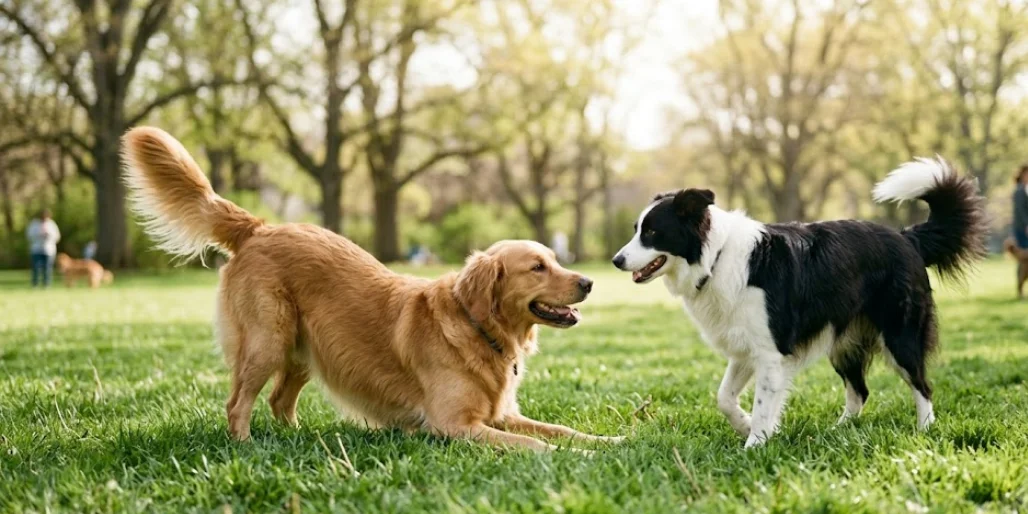
There are several common triggers that can lead to a dog humping another dog. An overstimulated environment, such as a busy dog park, can cause a pup to display this mounting behavior. Excess energy that hasn’t been properly channeled can also lead to a dog feeling the need to hump, as it’s a way for them to release pent-up excitement. Sometimes, dogs may hump as a displacement behavior when they are feeling anxious or unsure in a new situation.
The Role of Dominance in Dog Humping
While often thought to be the primary cause, dominance plays a less significant role in dog humping than many people assume. While some dogs may hump another dog to establish their position, it’s not the sole driver. Often, what appears to be dominance is actually an insecure dog trying to assert themselves or a way to alleviate stress in a social setting. It’s important not to automatically label every humping instance as an act of dominance; there’s usually more to it, AKC’s explainer on humping and mounting breaks down the non-dominance reasons in detail.
How to Stop Your Dog from Humping
Stopping your dog from humping can be achieved through consistent training and understanding the underlying causes of the behavior. The solution often involves redirecting your dog’s attention and managing their environment to prevent overstimulation. By identifying triggers and providing alternative, appropriate outlets for their energy, you can effectively curb this behavior. It’s about teaching your dog more acceptable ways to express themselves and making sure they are not feeling overwhelmed or anxious. Remember, patience is key, and with the right approach, you can significantly reduce or eliminate your dog from humping, creating a more harmonious environment for everyone.
Training Techniques to Curb Humping
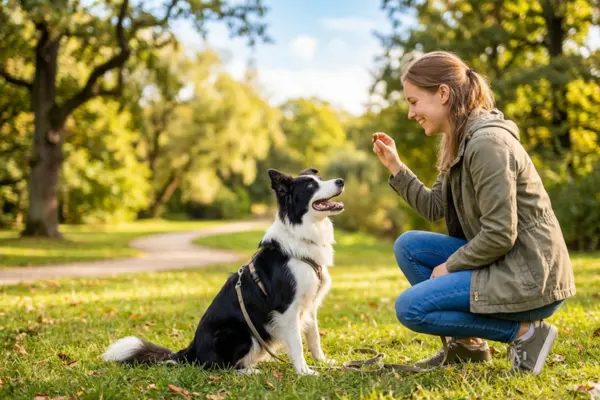
To curb humping behavior, start by implementing clear and consistent training techniques. When you observe your dog starting to hump, calmly interrupt the behavior with a verbal cue like “leave it” or “no.” Immediately redirect their attention to a more appropriate activity, such as playing with a favorite toy or practicing a known command like “sit” or “stay.” This helps your dog understand that humping is not an acceptable action and teaches them what to do instead. Consistency is crucial; every time your dog attempts to hump, you should redirect them to reinforce the desired behavior. For more guidance on dog behavior, you might find a comprehensive dog behavior guide helpful.
When to Seek Help from a Behaviorist
Sometimes, despite your best efforts, your dog’s humping behavior might persist or even escalate, indicating it’s time to seek professional help. If you find that your attempts to redirect the behavior are ineffective, or if the humping is accompanied by other concerning behaviors like aggression, excessive anxiety, or resource guarding, a certified dog trainer or a veterinary behaviorist can provide invaluable assistance. They can assess the specific situation, identify deeply rooted causes, such as chronic stress or underlying medical issues, and develop a tailored plan to help modify your dog’s behavior. Don’t hesitate to reach out if you feel overwhelmed or if the behavior is negatively impacting your dog’s quality of life or their interactions with other dogs.
Using Positive Reinforcement to Modify Behavior
Positive reinforcement is an incredibly effective tool when trying to modify your dog’s humping behavior. Instead of punishing the humping, focus on rewarding your dog when they engage in appropriate actions. For instance, if your dog approaches another dog calmly without humping, offer praise, a treat, or a favorite toy. This teaches your dog that desirable behaviors lead to positive outcomes. By consistently reinforcing good choices, you’ll help your dog learn that polite interactions are more rewarding than humping. This method builds a stronger bond between you and your pup and encourages them to make better choices in social situations.
Understanding the Context of Dog Humping
Differences Between Male and Female Dog Humping
While the act of mounting is not exclusive to either, there are notable differences in humping behavior between male and female dogs. It’s important to observe the context rather than assume the cause based solely on gender.
| Dog Gender | Humping Behavior |
| Intact Male | May hump due to hormonal influences, especially around a female in heat. |
| Neutered Male | Can also display humping behavior. |
| Female (Spayed or Intact) | Can hump other dogs or objects, often for reasons unrelated to reproduction, such as excitement or stress. |
Humping as Play vs. Aggressive Behavior
Distinguishing between humping as play and aggressive behavior is crucial for dog owners. Observing the overall body language of both dogs can help determine the underlying intent.
| Behavior Type | Key Indicators |
| Play Humping | During exciting play, both dogs consenting, no growling or distress. |
| Aggressive Humping | Stiff body, growling, attempts to pin down another dog. |
Recognizing Signs of Stress in Humping Dogs
Recognizing signs of stress in a humping dog is essential for effective intervention. A dog may hump another dog or an object as a displacement behavior when they are feeling anxious, overstimulated, or overwhelmed in a particular situation, like a busy dog park. Look for other stress signals such as lip licking, yawning, tucked tail, flattened ears, or excessive panting. When a pup is feeling stressed, humping can be an outlet for their nervous energy, and understanding these cues allows you to calmly redirect them and alleviate their discomfort.
Additional Insights on Dog Behavior
The Importance of Socialization for Dogs
Proper socialization is incredibly important for dogs, as it significantly impacts their overall behavior, including how they interact with other dogs. Early and positive exposure to various environments, people, and other canines helps a pup develop appropriate social skills and reduces the likelihood of anxiety-driven behaviors like excessive humping. A well-socialized dog is more likely to engage in calm and respectful interactions, understanding social cues and minimizing instances where they might hump another dog out of insecurity or overstimulation. It’s a foundational element of a well-adjusted dog’s life.
Pawandbreeds: Resources for Understanding Dog Behavior
Pawandbreeds offers valuable resources for understanding the nuances of dog behavior, providing pet parents with the tools and information they need to better comprehend their furry companions. From articles on managing common issues like humping to comprehensive guides on training techniques, Pawandbreeds aims to support a harmonious relationship between dogs and their owners. Their insights can help you decode why your dog humps other dogs and provide practical strategies to gently redirect this canine behavior, fostering a happier and more balanced environment for your beloved pup.
Internal Resources: Dog Behavior Guide
For an in-depth exploration of canine actions, our internal “dog behavior guide” is an excellent resource that delves into various aspects of why dogs act the way they do. This comprehensive guide can help you understand the root causes behind common behaviors, including why a dog may hump another dog, and provides actionable advice on how to manage and modify these tendencies. It covers everything from body language to training tips, offering valuable insights that empower you to become a more informed and effective pet parent, ultimately strengthening your bond with your dog.
FAQ’s
Q: Why does my dog hump other dogs all the time?
A: Great question! Honestly, there are a bunch of reasons why dogs hump, and it’s not always what you think. Sure, sometimes it’s sexually motivated, especially in unneutered male dogs, but a lot of the time it’s about excitement, stress, or just plain old attention-seeking. If your dog humps other dogs during playtime, it might just be their weird way of redirecting their energy when they get overstimulated.
Q: Is dog mounting always a sign of dominance?
A: Nope, this is actually a huge myth! People used to think mounting was always about being the “top dog,” but that’s outdated thinking. While it can sometimes look like a dominance thing between one dog and another, most of the time it’s not that deep. It could be arousal, anxiety, or even a self-soothing behavior. So don’t panic and assume your pup is trying to stage a canine coup.
Q: My male dog humps another dog even though he’s neutered—why?
A: This trips up a lot of owners! Even spayed or neutered dogs can still hump because the behavior isn’t purely hormone driven at that point—it’s become a habit or a way to deal with excitement or stress. Neutering reduces a lot of the hormonally driven humping, but it doesn’t erase learned behaviors overnight. Your dog’s mind just associates humping with feeling good or relieving tension.
Q: Do female dogs hump other dogs too?
A: Yep, absolutely! It’s not just a male dogs thing. Female dogs may mount other dogs (or even objects) for lots of the same reasons as males—excitement, play, stress relief, or just habit. So if your girl is out there humping another dog at the park, she’s not broken, she’s just being a dog.
Q: Should I be worried if my dog humps other dogs at the dog park?
A: It depends on the vibe. If the other dog seems tolerant and it’s a quick, playful thing, it’s usually fine. But if your dog humps other dogs repeatedly and the other pup is clearly uncomfortable, it’s time to step in. Constant humping can annoy other dogs and even lead to fights, so keep an eye on body language and be ready to redirect.
Q: How do I stop my dog from humping another dog?
A: There are some solid tricks here. First, try redirecting their energy with a toy or command like “sit” the moment you see the humping starting. Leash control helps a lot in public settings too—if you’re out and about, a quick tug and redirection works wonders. Consistency is key, and rewarding calm behavior helps your dog to hump another dog less over time.
Q: Can medical issues cause a dog to hump other dogs?
A: Yes, actually! While most humping is behavioral, sometimes it’s linked to medical stuff like urinary tract infections, skin irritation, or even priapism (a real but less common condition). If your dog suddenly becomes a humper out of nowhere, it’s worth a trip to the veterinarian just to rule out any underlying issues.
Q: Is it normal for a puppy to hump other dogs?
A: Totally normal! Puppies experiment with all sorts of behaviors as they grow, and humping is one of them. It’s not usually sexual at that age—it’s more about play, social learning, and figuring out how to interact with another pet. Most puppies grow out of the more awkward phases, especially with good training.
Q: Will crate training help reduce my dog’s humping habit?
A: It can help indirectly! A crate gives your dog a calm space to decompress, which can reduce anxiety-driven humping. It’s not a magic fix, but combined with training and redirecting their energy elsewhere, crate time can be part of a bigger plan to manage the behavior.
Q: Is dog humping a normal behavior I should just accept?
A: For the most part, yes—dog humping is a normal behavior and not something to freak out about. It becomes a problem only when it’s excessive, disruptive, or upsetting to other dogs. Understanding the reasons why dogs hump helps you respond calmly instead of getting embarrassed or worried every time it happens.