Bringing a new puppy into your home is an exciting adventure filled with joy, laughter, and a whole lot of questions. One of the most common queries that new puppy parents have revolves around playtime: exactly how much playtime does a puppy need? It’s not just about keeping them entertained; understanding your puppy’s play routine and exercise needs is crucial for their healthy development, both physically and mentally. Let’s dive into the world of puppy play and figure out the ideal amount of playtime for your furry friend.
Puppy Playtime: Why It Matters
Puppy playtime is much more than just a way to burn off energy; it’s a fundamental aspect of their overall well-being. A puppy needs a consistent play routine to develop into a well-adjusted adult dog. Without enough play, a pup can become bored, destructive, and even anxious. The types of play you engage in, whether it’s a game of fetch or a tug-of-war, contribute significantly to their physical and mental health. This dedicated time to play is an investment in your puppy’s future happiness and behavior.
The Importance of Play for Puppies
Playtime is essential for your puppy’s development, acting as a critical component in their growth. It provides crucial mental stimulation and helps them learn about the world around them. Through play, a puppy learns important social skills, boundaries, and even a bit of dog training— our dog training guide covers the foundational commands you can start weaving into these very play sessions. This amount of play not only strengthens your bond with your new puppy but also helps them understand appropriate behavior, preventing issues that arise when puppies don’t get enough constructive engagement.
Understanding Your Puppy’s Exercise Needs
Understanding your puppy’s exercise needs is key to ensuring they thrive. It’s not about how much play in one go, but rather the right amount of play spread throughout the day. A puppy needs consistent short bursts of activity rather than one long hour of play. This prevents overexertion and protects their developing growth plates. Observing your puppy during play will help you gauge their energy levels and ensure they get the physical and mental stimulation they require without pushing them too much.
How Much Playtime Does a Puppy Really Need?
The amount of playtime a puppy needs varies based on their breed, age, and individual energy levels, so adjust the play time accordingly. A common guideline suggests approximately 5 minutes of play per month of age, two or three times a day — a recommendation that aligns with guidance from the American Kennel Club (AKC) on age-appropriate exercise limits for growing puppies.
| Puppy’s Age | Recommended Playtime (per session) |
|---|---|
| 3 months old | Around 15 minutes |
| 4 months old | Around 20 minutes |
This helps ensure your puppy receives adequate exercise and mental stimulation without overexertion, which is crucial for young puppies with developing growth plates.
Puppy Playtime by Age
New Puppy: Playtime Requirements
For a new puppy, especially one under 3 months old, the amount of playtime should be carefully managed to avoid overexertion. These young pups don’t need long, sustained play sessions. Instead, focus on short bursts of activity. This ensures they get enough mental stimulation and physical activity without putting undue stress on their developing growth plates, which are quite delicate at this stage. It’s all about gentle engagement to build a positive association with playtime and giving your dog the right amount of play time.
Here’s a guide for managing playtime for young puppies:
| Play Session Duration should be adjusted to ensure your puppy receives the right amount of play time for their age. | Frequency |
| Around 5 minutes per month of age | Two to three times a day |
Playtime Needs for Growing Pups
As your puppy grows, particularly between 3 to 6 months old, their energy levels increase, and so does their capacity for more playtime. This is a crucial period for socialization, so try to include opportunities for them to play with other dogs and people. Continue to be mindful of their growth plates, but you can gradually increase the duration and intensity of their play sessions, introducing games like fetch and short walks.
| Age | Playtime Suggestion |
|---|---|
| 3 months old | 15 minutes of play session a few times daily |
| 3 to 6 months old | Gradually increase the duration and intensity of play to meet the exercise needs by age of your puppy. |
Adult Dog Needs: Transitioning from Puppy Play
Once your puppy reaches adulthood, typically around 12 to 18 months, their playtime needs will transition from the frequent, short bursts of puppyhood to more structured, longer sessions of play time. The amount of play your adult dog needs will depend largely on their breed and individual energy levels. While they still need regular physical and mental stimulation, the focus shifts to maintaining their fitness and engagement. You might find that one or two longer play sessions, incorporating activities like hiking or more extended games of fetch, become more appropriate than the multiple short sessions they needed as a pup.
Types of Play: Engaging Your Puppy
Physical Play: Keeping Your Puppy Active
Physical play is fundamental for a puppy’s development, helping them build strength, coordination, and stamina. This type of playtime can include various activities such as gentle games of fetch with a soft toy, short walks appropriate for their age, and supervised romps in a safe, enclosed area. Remember, a puppy needs short bursts of activity rather than one long hour of play to prevent overexertion and protect their delicate growth plates. The amount of play should always be tailored to your puppy’s energy levels and breed.
Mental Stimulation: Interactive Play with Your Puppy
Beyond physical activity, mental stimulation is equally important for your puppy’s overall well-being. Interactive play with your puppy helps them develop problem-solving skills and prevents boredom, which can lead to destructive behaviors if your puppy doesn’t get enough engagement. Incorporate puzzle toys, hide-and-seek games, and even basic puppy training exercises into your play routine. This amount of play doesn’t always have to be high-energy; often, a mentally engaging play session can be just as tiring for your pup as a physically demanding one.
Social Play: Playtime with Other Dogs
Social play is a critical component of a well-rounded puppy training regimen and is essential for their development into well-adjusted adult dogs who need much exercise. Opportunities to play with other dogs, under supervision, teach your pup important social cues, bite inhibition, and how to interact appropriately with their canine counterparts. This type of play provides much-needed socialization and helps your puppy understand boundaries. Ensure these play sessions are always positive and safe, stepping in if either dog seems overwhelmed or aggressive. Proper social play ensures your puppy develops good manners and confidence around other dogs and people.
Ways to Play with Your Puppy
Fun Games to Play with Your Dog
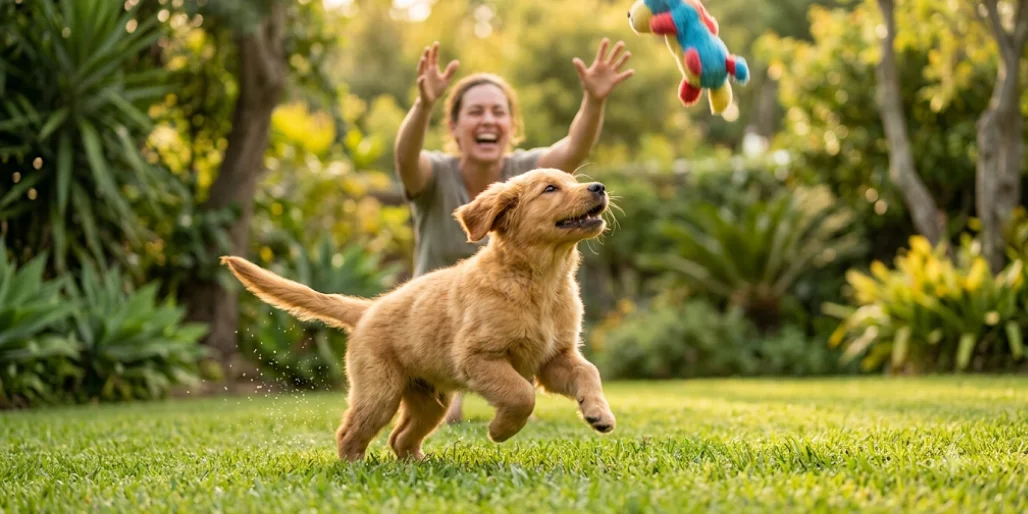
Engaging in fun games is one of the best ways to build a strong bond and provide your pup with much-needed mental stimulation and physical activity. Games like fetch, tug-of-war (with rules, of course!), and hide-and-seek are fantastic for burning off energy and reinforcing positive dog training. When playing fetch, use soft toys to protect your puppy’s developing teeth. Remember, the amount of play should always be tailored to your puppy’s age and breed, ensuring they get enough rest. These types of play make playtime enjoyable for both of you.
Training Through Play: Combining Learning and Fun
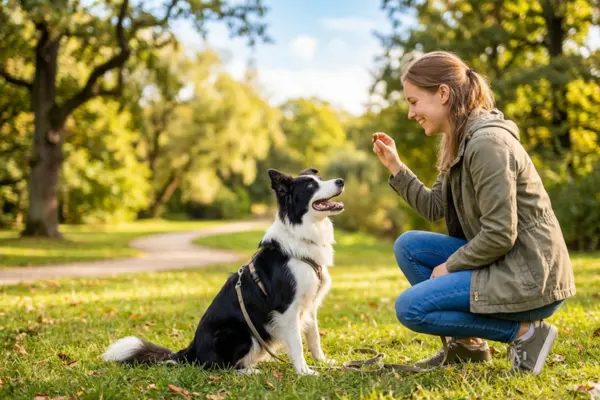
Playtime is an excellent opportunity to incorporate dog training without your puppy even realizing it. Simple commands like “sit,” “stay,” and “come” can be integrated into games of fetch or hide-and-seek. This approach makes learning enjoyable and reinforces good behavior. A puppy needs consistent positive reinforcement, and combining training with play can significantly boost their understanding and willingness to learn. The amount of play devoted to this blend of fun and education ensures your puppy receives essential mental stimulation and builds a strong foundation for future learning through constant play.
Safe Play Environments for Your Puppy
Creating a safe play environment is paramount for your new puppy, especially when raising a puppy that needs each day to feel secure. Ensure the area, whether indoors or outdoors, is free from hazards and offers enough space for your puppy to move freely without bumping into things. For outdoor play, a securely fenced yard is ideal to prevent your pup from wandering off. Always supervise playtime, especially if they are playing with other dogs, to prevent any overexertion or unwanted behaviors. Proper supervision ensures your puppy’s safety and allows them to enjoy their much-needed playtime without any risks.
Puppy Development and Playtime
How Playtime Affects Puppy Behavior
The right amount of play significantly impacts your puppy’s behavior, shaping them into a well-adjusted adult dog. Playtime is essential for teaching bite inhibition, social cues, and appropriate ways to interact with dogs and people. A puppy needs consistent, positive play experiences to develop good manners and confidence. Conversely, if a puppy doesn’t get enough play or if their play is too rough, it can lead to behavioral issues such as excessive barking, destructive chewing, or anxiety. Understanding how much playtime does a puppy need is crucial for their long-term well-being.
Recognizing Signs of Overexertion in Puppies
It’s crucial for puppy parents to recognize signs of overexertion to protect their pup’s delicate growth plates and overall health. Watch for excessive panting, lagging behind during walks, reluctance to play, or even limping. A young puppy needs frequent short bursts of activity rather than one long hour of play. If you notice any of these signs, it’s time to end the play session and allow your puppy to rest, ensuring they get sufficient time each day to recover. Being attentive to your puppy’s signals ensures they get enough exercise without putting too much stress on their developing bodies.
Creating a Balanced Playtime Routine
Developing a balanced play routine is key to meeting your puppy’s physical and mental needs — and fitting it around feeding, naps, and potty breaks gets much easier once you have a full daily routine mapped out. This involves scheduling multiple short play sessions throughout the day, interspersed with rest periods. For example, a 3-month-old puppy might need 15 minutes of play per session, two or three times a day. Vary the types of play, including physical play like fetch, mental stimulation with puzzle toys, and social play with other friendly dogs to meet their need by age. A well-structured puppy play routine ensures your puppy receives adequate exercise and mental engagement, preventing boredom and promoting healthy development.
FAQ’s
Q: How much playtime does a puppy need each day?
A: Generally speaking, puppies need about five minutes of play and exercise per month of their age, twice daily. So a 3-month-old puppy would need around 15 minutes of playtime or physical exercise per session. However, puppies also need plenty of downtime to recharge since they’re still a baby and tire quickly. The key is spreading out those minutes of playtime throughout the day rather than exhausting them all at once, which helps keep them healthy and happy without overdoing it.
Q: Does the amount of play a puppy needs change by age?
A: Absolutely! A puppy’s need for mental and physical stimulation changes significantly as they grow. Younger puppies around 8-12 weeks old need shorter, more frequent play sessions with lots of quiet time in between. As they reach 3-6 months, they can handle more activity but still require supervision. Adolescent puppies around 6-12 months need the most exercise and play, while adult dogs settle into a more predictable routine. Remember, senior dogs have different needs entirely, requiring gentler activities that won’t impact their health negatively.
Q: How much exercise does my puppy need compared to adult dogs?
A: Puppy exercise requirements are actually quite different from adult dogs. While adult dogs of all ages can typically handle longer walks and sustained activity, puppies have growing bones and joints that can be damaged by too much exercise. Your puppy needs structured play that includes rest periods, whereas adult dogs can usually go for 30-60 minutes straight. The rule of thumb is that puppies need less duration but more frequency—short bursts of play and stimulation spread throughout the puppy each day to support their development.
Q: What types of play does a puppy need for proper development?
A: Puppies need a mix of physical and mental activities. Physical exercise like a game of chase or allowing them to run around in a safe space helps burn energy, while puzzle toys and dog training sessions provide the mental stimulation they crave. Different breeds like Border Collies or Retrievers might have different play style preferences—some need to run constantly while others enjoy calmer activities. The combination of play and stimulation ensures your puppy develops properly and helps you bond with their humans effectively.
Q: How much play is too much for a puppy?
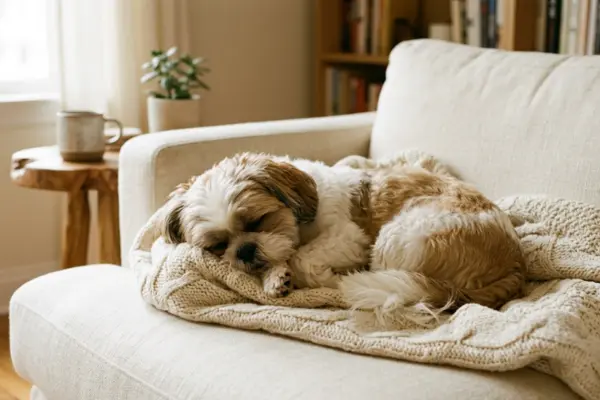
A: Knowing when it’s time to stop is crucial for your puppy’s health and happiness. Signs of too much playtime include excessive panting, lying down during play, or becoming snappy and irritable. Over-exercising can lead to unwanted behavioral issues and potentially impact their health by damaging developing joints. Watch your puppy’s behavior—if they’re seeking out their crate or a quiet corner, they’re telling you they need rest. Remember, puppies still a baby need more sleep than adult dogs, sometimes up to 18-20 hours a day!
Q: Can puppy playtime help with training?
A: Definitely! Training your dog through play is one of the most effective methods available. When you incorporate basic commands into playtime, puppies learn while having fun, making the lessons stick better. Games like fetch naturally teach “drop it” and “come,” while tug-of-war can reinforce “take it” and “leave it.” This approach satisfies their need for mental stimulation while teaching essential dog training skills. Plus, it strengthens the bond with their humans, making your puppy more responsive to guidance throughout their life.
Q: What happens if my puppy doesn’t get enough playtime?
A: When puppies don’t get adequate play and stimulation, you’ll likely see behavioral problems emerge. Insufficient daily exercise can lead to unwanted behaviors like destructive chewing, excessive barking, or hyperactivity indoors. Puppies need playtime to burn off their natural energy and develop properly, both physically and mentally. Without it, they may become anxious, have difficulty settling down, or develop poor social skills. Meeting your puppy’s need for mental and physical activity is essential for raising a well-adjusted, healthy and happy dog.
Q: Should playtime be different for different puppy breeds?
A: Yes, breed definitely matters when planning puppy exercise routines! High-energy breeds like Australian Shepherds, Border Collies, or Labrador Retrievers need plenty of physical and mental challenges throughout the day, while breeds like Bulldogs or Basset Hounds may need shorter, less intense sessions. Working breeds might show different play style preferences, enjoying tasks and jobs, while toy breeds might tire more quickly. Regardless of breed, all puppies need that balance of activity and quiet time, though the intensity and duration will vary depending on their age and breed characteristics.