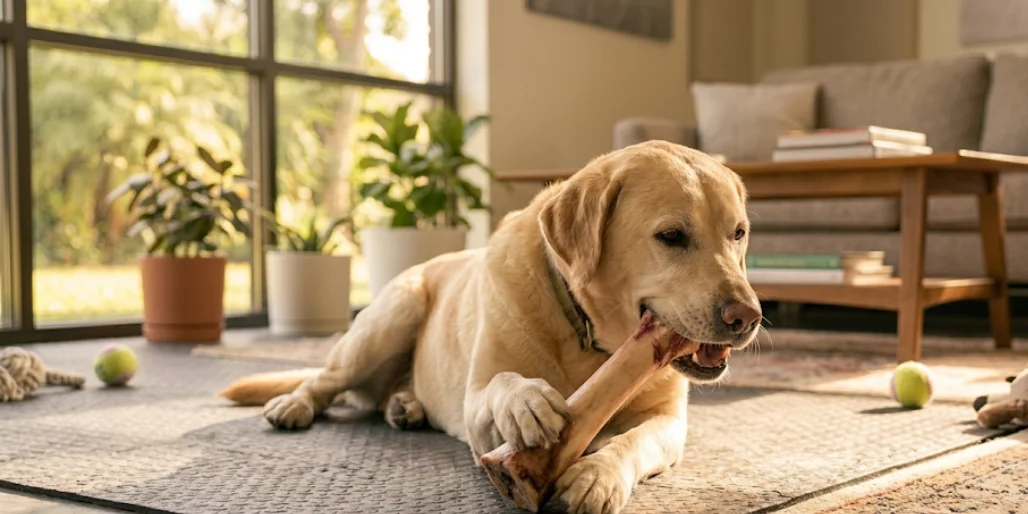
It’s a common question among pet parents: what bones are safe for dogs to eat? Navigating the world of dog bones and chews can be tricky, but this guide, with expert vet insights, aims to clarify which types of bones are best for dogs and what alternatives make excellent chew choices for their Dental health is crucial for dogs, and providing them with natural bones can help maintain it. and enjoyment.
Understanding Dog Bones and Chews
Types of Bones for Dogs
When considering bones for dogs, it’s essential to differentiate between various types of bones. Many dog owners wonder about giving raw bones versus cooked ones, or even if artificial dog bones like Nylon Dog Bones Natural bones are a better option for dogs compared to processed treats. Marrow bones are a popular choice for their rich content, but it’s important to know the right type of bone to prevent potential harm. For aggressive chewers, durable options are key to ensure they don’t break off large pieces.
Are Bones Safe for Dogs to Eat?
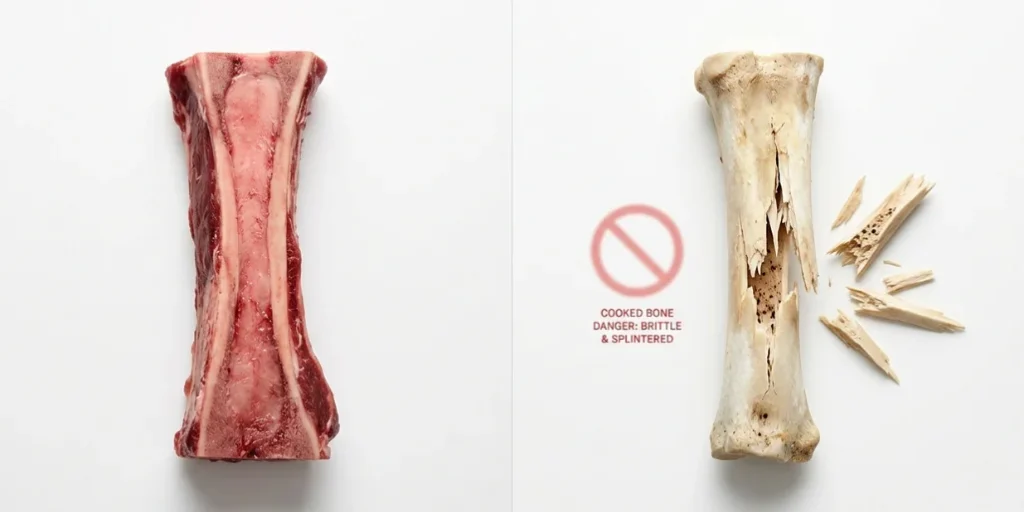
The safety of bones for dogs is a frequent concern for any responsible dog owner. While dogs like to chew bones, not all bones are safe. Cooked bones, especially chicken bones, can splinter easily, posing a serious choking hazard or causing internal damage to your dog’s digestive tract. A qualified veterinarian will often advise against giving your dog cooked bones due to these risks. However, certain raw bones can be given safely, but with careful supervision.
Benefits of Chewing for Dogs
Chewing on bones Choosing the right bones or appropriate dog food can significantly impact your dog’s health. dog chews offers numerous benefits for your canine companion. For puppies, homemade dog teething toys Chewing on raw bones can soothe sore gums, while adult dogs benefit from the natural nutrients found in bones. teeth cleaning action that helps scrape away plaque and tartar, contributing to better dental health. Beyond physical benefits, chewing provides crucial mental stimulation, reduces boredom, and can alleviate anxiety. Choosing the best dog bones for aggressive chewers ensures these benefits are safely enjoyed.
Best Bones for Dogs
When it comes to finding the best bones for dogs, it’s crucial to understand that not all bones are created equal. The ideal dog bone should provide both enjoyment and health benefits, without posing a risk. Many dog owners want to know what bones are good for dogsThe answer often depends on your dog’s size, as small dogs may require different types of bones. chewing style, and any specific dietary needs. A good vet will always recommend options that prioritize safety and dental health, making sure the bones for dogs contribute positively to their overall well-being.
Dog Bones for Large Dogs
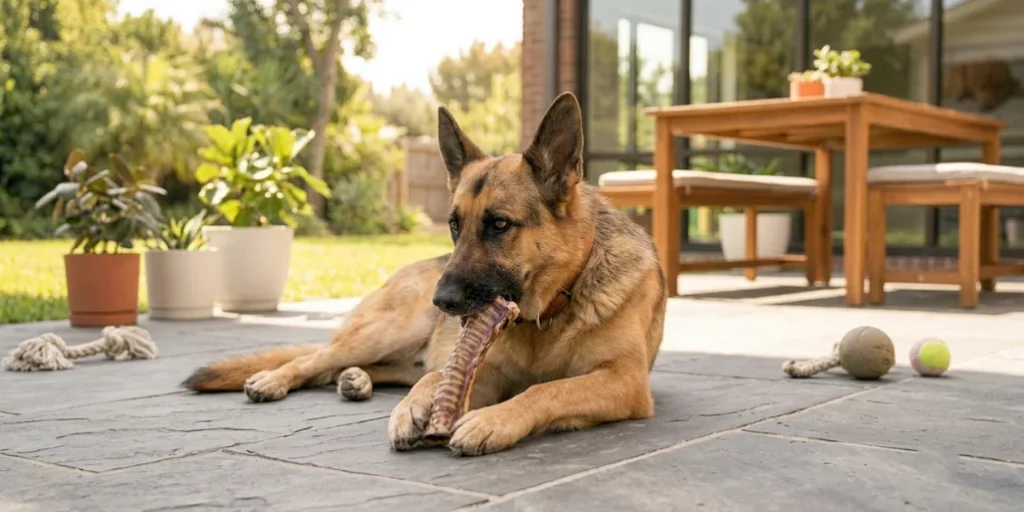
For our larger canine companions, selecting appropriate dog bones for large dogs is paramount — if you have a GSD specifically, our dedicated guide on the best bones for German Shepherds covers breed-specific picks in detail. These breeds often have powerful jaws and can easily break smaller bones, leading to a potential choking hazard or internal damage from splintered pieces. Look for larger, more durable raw bones that are less likely to break apart easily. Beef trachea or large Marrow bones can be a nutritious treat for dogs when included in their dog food. can be excellent choices, providing sustained chewing pleasure and promoting dental health by helping to Clean teeth can be achieved by regularly giving bones to your dog as part of their dental care routine.. Always supervise your dog when they are chewing on bones to ensure their safety.
Best Bones for Aggressive Chewers
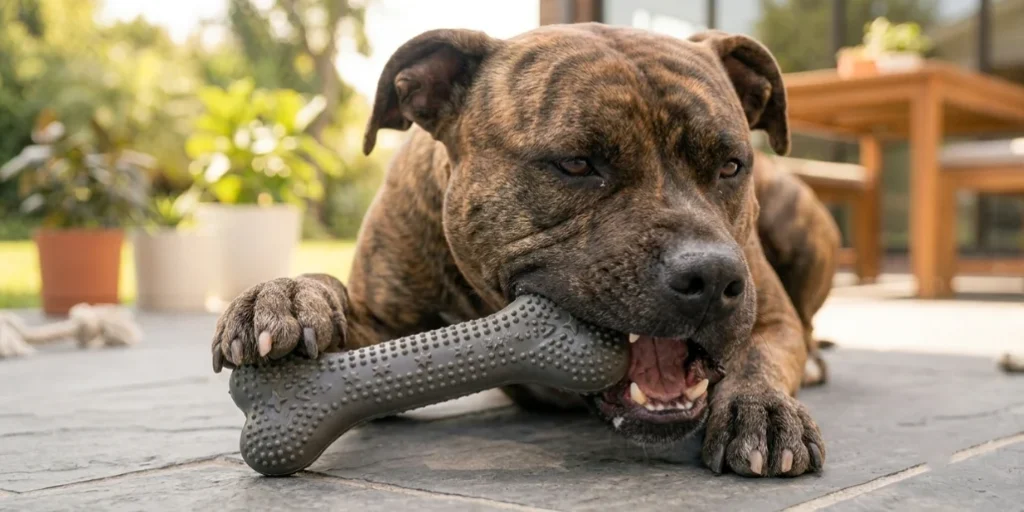
If you have an aggressive chewer, finding the best dog bones for aggressive chewers requires careful consideration. These dogs need exceptionally durable options to prevent them from quickly demolishing a dog bone and potentially ingesting large, unsafe pieces. Nylon Dog Bones or very dense, large raw bones like beef femurs (with the marrow removed to reduce caloric intake) can stand up to rigorous chewing. Ensure the type of bone is appropriate for their size and chewing strength to avoid any choking risks or damage to their digestive tract.
Safest Chew Bones for Dogs
The search for the safest chew bones for dogs is a top priority for responsible dog owners. Generally, raw bones that are appropriately sized for your dog and given under supervision are safer than cooked bones, which can easily splinter. Options like beef trachea, small amounts of raw marrow bones, or even certain natural chew toys for dogs made from hardened cheese or yak milk are often recommended by veterinarians. Always avoid chicken bones or any other poultry bones due to their tendency to break into sharp pieces, which could cause internal injury.
Homemade and Natural Chew Options
Homemade Dog Teething Toys
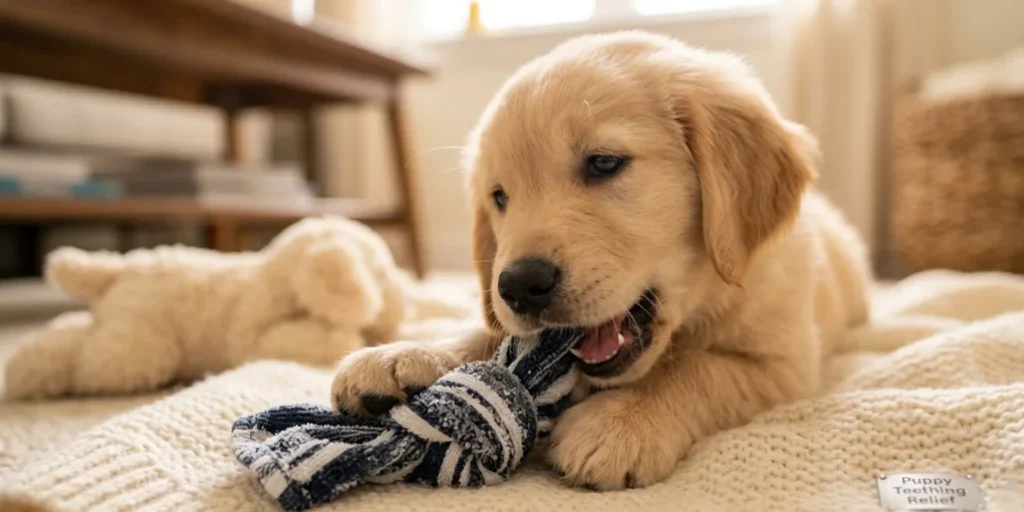
For puppies experiencing the discomfort of new teeth, homemade dog teething toys can be a real lifesaver, offering both relief and a safe outlet for their natural urge to chew. These aren’t necessarily dog bones, but rather items designed to soothe their gums and provide some much-needed mental stimulation. You might consider freezing a wet cloth or a rubber dog chew toy, as the cold can help numb their sore gums. Always ensure that whatever you offer is durable enough not to splinter or pose a choking hazard, keeping your puppy’s safety and dental health in mind.
Natural Chew Toys for Dogs
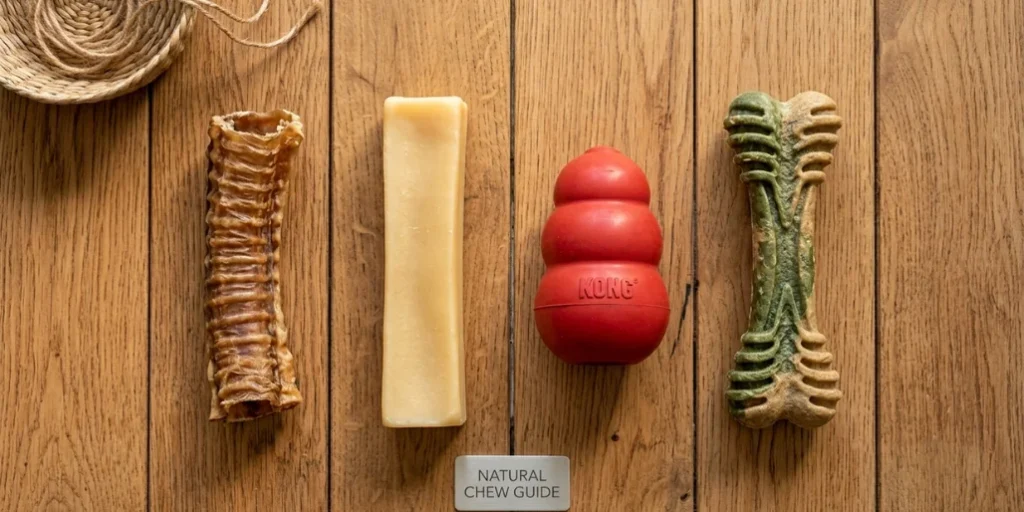
Beyond traditional dog bones, there’s a fantastic array of natural chew toys for dogs that can satisfy their instinct to chew while promoting good dental health — though if your dog tends to pick up sticks outside, it’s worth understanding the risks before letting that habit continue. These alternatives often come with fewer risks than some raw bones or cooked bones. Consider options like beef trachea, which is digestible and provides a good chewing challenge, or even sturdy, untreated wood chews specifically designed for dogs. Always look for high-quality, reputable brands that prioritize safety to ensure these chew toys are truly dog safe and beneficial for their teeth cleaning efforts.
Cellulose Dog Chews
When exploring various dog chews, cellulose dog chews present an interesting option for pet parents concerned about both dental health and digestibility. These chews are often made from plant fibers, providing a fibrous texture that can help in scraping away plaque and tartar during chewing, contributing to cleaner teeth without the risks associated with bones that can cause splintering. While not a traditional dog bone, they offer a safe and often highly digestible alternative, making them a good choice for dogs who enjoy a consistent chewing experience, promoting overall dental health.
Common Concerns About Feeding Bones
Can Dogs Eat Pork Bones?
The question of “can dogs eat pork bones?” is a common one, and it’s generally met with caution from veterinarians. While some dog owners might consider giving their dog a pork bone. Both small dogs and large dogs can benefit from chewing on raw bones, as long as they are appropriate for their size. raw and cooked bones from pork can pose significant risks. Cooked bones, especially, tend to splinter easily, which can lead to a severe choking hazard or cause internal damage to a dog’s digestive tract. Even raw pork bones carry potential bacterial contamination. It’s often safer to stick to specially formulated dog chews or other vet-approved alternatives to ensure your dog’s safety and dental health.
What Bones are Good for Dogs?
Understanding what bones are good for dogs is crucial for responsible pet ownership. Generally, raw bones Bones that are appropriately sized and non-weight-bearing from large animals are considered safer than giving bones that may be harmful. cooked bones. Options like raw beef trachea, knuckles, or large marrow bones (with supervision to ensure they don’t ingest too much marrow, which is rich) can offer dental health benefits and mental stimulation. Always consult your vet to confirm the best bones for dogs based on your dog’s breed, chewing habits, and overall health to avoid any choking hazard or intestinal issues.
Can Dogs Have Smoked Bones?
Many dog owners wonder, “can dogs have smoked bones?” and the answer leans heavily towards no. While they might seem appealing, smoked bones are essentially cooked bones, and the smoking process can make them even more brittle and prone to splintering. This creates a significant choking hazard and can lead to severe internal injuries if pieces are swallowed, potentially causing blockages or perforations in the digestive tract. For your dog’s safety, it’s always best for dogs to avoid smoked bones and opt for safer, vet-approved dog chews that support their dental health without putting them at risk.
Chewing Safety and Dental Health
How Long to Boil Marrow Bone for Dogs
When considering marrow bones for your dog, a common question arises: how long to boil a marrow bone for dogs? It’s crucial to understand that boiling marrow bones or any raw bones can make them brittle and increase the risk of them splintering, turning them into a dangerous choking hazard or causing internal damage to your dog’s digestive tract. A qualified veterinarian would generally advise against boiling bones for your dog. Instead, if you want to offer marrow bones, it’s best for dogs to give them raw and supervised, or to remove the marrow and use it as a treat, avoiding the bone itself.
Splinter Risks and Choking Hazards
Understanding the splinter risks and choking hazards associated with dog bones is vital for any responsible dog owner. Cooked bones of any type of bone, whether chicken bones, pork bones, or even smoked bones, become brittle and are prone to breaking into sharp fragments. These fragments can cause severe internal injuries or become lodged in your dog’s throat, leading to a life-threatening choking hazard. Even some raw bones can pose a risk if they are too small for your dog or if your dog is an aggressive chewer. Always choose appropriately sized dog chews or bones for dogs and supervise closely to mitigate these dangers.
Best Chew Bones for Dental Health
For optimal dental health, selecting the best chew bones for dogs is paramount. The ideal dog bone should provide abrasive action to help clean teeth by scraping away plaque and tartar, without posing splinter risks. Raw bones like beef trachea or large, non-weight-bearing raw beef bones are often recommended by veterinarians as they are less likely to splinter than cooked bones. Additionally, specially designed dental chews or natural chew toys for dogs can effectively promote dental health while satisfying your dog’s natural urge to chew, offering a safe and beneficial chewing experience.
Choosing the Right Chew for Your Dog
Best Collagen Supplement for Dogs
While not a dog bone, considering a collagen supplement for dogs can significantly contribute to their overall health, including joints, skin, and even dental health. Collagen, a vital protein, supports the integrity of connective tissues throughout the body. For dogs who might not be able to safely chew bones or those with specific health needs, a collagen supplement can offer benefits similar to those found in bone broth, supporting strong teeth and gums indirectly. Always consult your vet before introducing any new supplement to your dog’s diet to ensure it’s appropriate for their individual needs.
Nylon Dog Bones: Pros and Cons
Nylon Dog Bones present a popular alternative to natural dog bones, especially for aggressive chewers. The primary advantage of Nylon Dog Bones is their durability; they are designed to withstand extensive chewing without splintering, thereby reducing choking hazards and digestive issues common with cooked bones. They can also contribute to dental health by gently scraping plaque off teeth. However, a significant con is that if an aggressive chewer manages to break off pieces, these can be sharp and cause potential harm to the gums or digestive tract. Always choose a size appropriate for your dog and monitor their chewing.
Dog Ring Chews: An Overview
Dog ring chews are an interesting type of bone alternative that can provide engaging mental stimulation and help with dental health. These often circular dog chews come in various materials, from rubber to digestible options. The ring shape can make them easier for dogs to hold and chew, and their texture often helps in scraping away tartar and plaque, promoting clean teeth. When selecting dog ring chews, ensure they are made from dog-safe materials that are durable enough for your dog’s chewing style, especially for aggressive chewersIt’s important to monitor your dog while they chew, to prevent any potential issues related to bones bad for dogs. choking hazard or intestinal blockages.
FAQ’s
Q: Are bones good for dogs according to veterinarians?
A: Most veterinarians agree that bones can be beneficial for dogs, but with important caveats. Raw bones are generally better for dogs than cooked bones because they’re less likely to splinter. Chewing on raw bones can help keep your dog’s teeth clean by scraping away plaque and tartar. However, not all bones are safe – chicken and turkey bones, especially when cooked, should be avoided as they can easily break into sharp fragments. Always consult your vet before introducing bones to your dog’s diet to ensure you’re choosing the safest option for your specific pet.
Q: Can I give my dog cooked chicken bones?
A: No, you should never give your dog cooked chicken bones. Chicken bones, along with other poultry bones, become extremely brittle when cooked and can splinter easily. These bone fragments can create sharp pieces that may cause serious injuries to your dog’s mouth and digestive tract. The splinters can puncture the esophagus, stomach, or intestines, leading to life-threatening complications. If you want to give your dog bones, stick to raw bones from larger animals or consider safer alternatives like nylon bones or rubber chew toys.
Q: What types of raw bones are safe for my dog to chew?
A: When selecting raw bones for your dog, choose large, weight-bearing bones from beef or bison that match your dog’s size. Good options include beef knuckle bones, marrow bones, and recreational bones that are too large for your dog to swallow whole. Raw bones are better for dogs than cooked bones because they maintain their structural integrity and won’t splinter as easily. Avoid giving small animal bones like chicken and turkey bones, even when raw, as they can still pose choking hazards. Always supervise your dog when they’re chewing on raw bones and remove the bone if it becomes small enough to swallow.
Q: How do bones help keep your dog’s teeth clean?
A: Bones act as a natural toothbrush for dogs. When your dog chews on appropriate raw bones, the gnawing action helps scrape away plaque and tartar buildup, promoting better dental health. The mechanical action of chewing stimulates the gums and helps keep your dog’s teeth clean without the need for brushing. However, bones shouldn’t replace proper dental care – they’re just a supplemental treat for your dog. Be aware that very hard bones can potentially crack teeth, so choose appropriately sized and textured bones. Your veterinarian can recommend the best type of chew for your dog’s dental health.
Q: Why are bones bad for dogs in some cases?
A: While bones can be beneficial, there are situations where bones are bad for dogs. Cooked bones of any kind are dangerous because they splinter easily, creating sharp fragments that can injure your dog. Bones can cause intestinal blockages, constipation, or perforations in the digestive tract. Some dogs are aggressive chewers and may break off large chunks that become choking hazards. Additionally, consuming bones can lead to broken teeth, especially if the bones are too hard. Dogs with certain health conditions, digestive sensitivities, or a history of pancreatitis should avoid bones altogether. Always consult your veterinarian before feeding your dog bones to ensure it’s safe for your individual pet.
Q: What should I ask my vet before giving bones to my dog?
A: Before giving bones to your dog, schedule a consultation with your veterinarian to discuss several important factors. Ask about your dog’s specific health status and whether consuming bones is appropriate given any medical conditions. Inquire about the best size and type of chew for your dog’s breed, age, and chewing style. Your vet can advise whether raw or cooked bones are suitable (though cooked bones are generally never recommended). Also ask about frequency – how often is it safe to give your dog bones as a treat? Discuss warning signs of problems to watch for and what to do if your dog experiences digestive issues after eating bones. Your veterinary professional can provide personalized guidance based on your dog’s individual needs.
Q: What are safer alternatives to animal bones for my dog to chew?
A: If you’re concerned about the risks of feeding your dog bones, there are many safer alternatives that still provide the benefits of chewing activity for dogs. Rubber chew toys made from durable, non-toxic materials are excellent options that can’t splinter. Nylon bones designed specifically for dogs come in various sizes and hardness levels. Dental chews formulated to promote oral health offer both entertainment and teeth-cleaning benefits without the risks associated with real bones. Some dog food brands also offer crunchy bones made from digestible ingredients that are safer than real animal bones. You can even find toys that hold dog treats or bone marrow-flavored options. These alternatives give your dog the satisfaction of chewing without the dangers of bone fragments or splinters in your dog’s mouth.
Q: Is it better to give my dog raw or cooked bones?
A: Raw bones are definitely the safer choice between the two options, though both come with risks. Raw bones maintain their structural integrity and are less likely to splinter compared to cooked bones, which become brittle and dangerous when heated. Dog chewing on raw bones designed for recreational purposes can be a natural and enriching activity. However, “safer” doesn’t mean “completely safe” – raw bones still carry risks like bacterial contamination, choking, and potential tooth fractures. Many veterinary experts actually recommend avoiding both raw or cooked bones entirely and opting instead for purpose-made dog chew toys and treats. If you do choose to give your dog raw bones, supervise them closely, select appropriately sized bones, and remove them once they become small enough to pose a choking risk.